Median Age
35 Years
Largest Age Group
30-39 Years
Approximately 16% of Residents
Under 20
26%
Over 65
14%




Avg Rent
$1,293
Population
294,514
Renter Mix
53% Rent
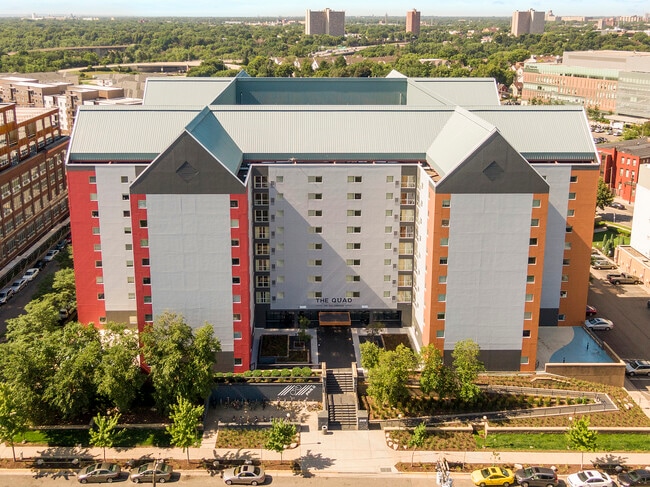
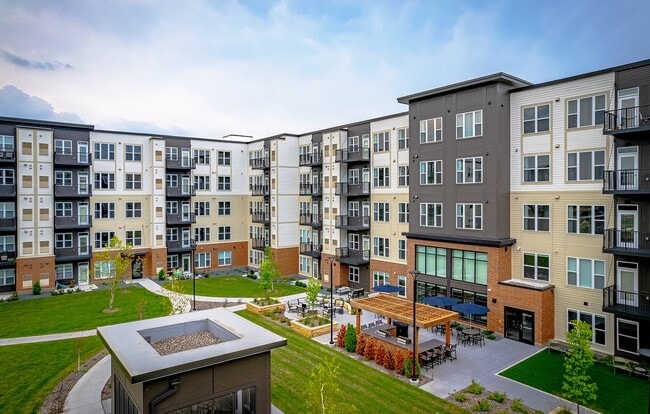
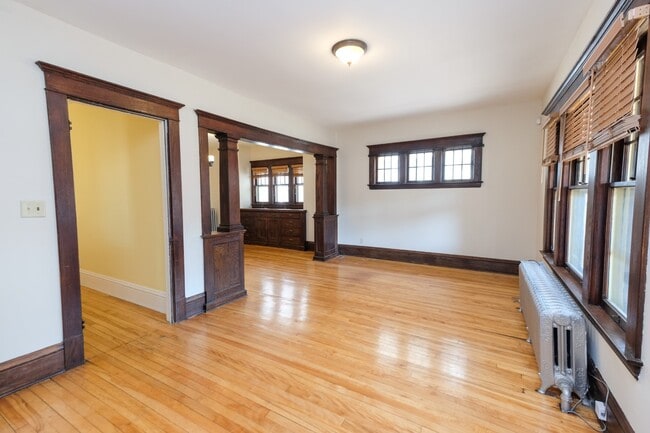
Living in Saint Paul combines metropolitan energy with neighborhood charm in Minnesota's capital city. Situated along the Mississippi River's bluffs, the city offers an extensive parks system, including Como Park Zoo and Conservatory, which features botanical gardens and year-round exhibits. Housing options span from historic properties along Summit Avenue to contemporary apartments in Lowertown. Current rental data shows one-bedroom apartments average $1,261 per month, reflecting a 2.2% annual increase, while two-bedroom units typically rent for $1,611, up 2.2% from the previous year.
Each Saint Paul neighborhood has its own distinct character, from Cathedral Hill's Victorian mansions to Lowertown's converted warehouses. The city hosts several higher education institutions, including Macalester College and the University of St. Thomas. Saint Paul's legacy as a major river port and railroad hub remains evident in its preserved architecture and cultural attractions. The Saint Paul Winter Carnival, established in 1886, continues to draw visitors each January with ice sculptures and winter activities. For transportation, residents have access to the Metro Green Line light rail, connecting to Minneapolis and the greater Twin Cities area, while Union Depot serves as a central hub for local and regional transit.
Saint Paul and the Mississippi River
The landscaped courtyard leading to the Minnesota State Capitol building
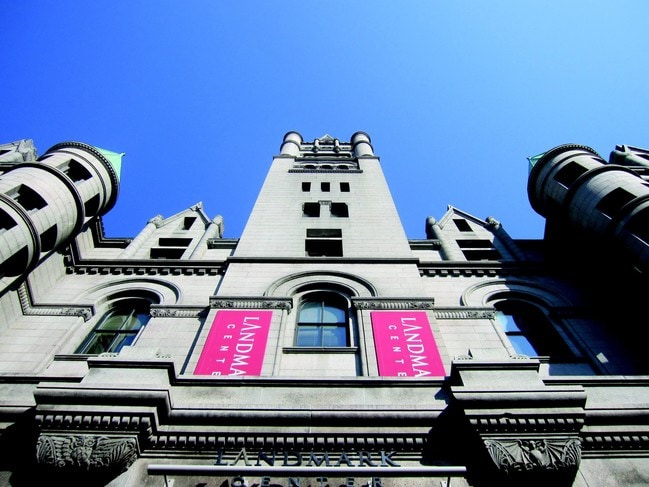
Saint Paul's historic Landmark Center dates to 1894
Median Household Income
$65,643
Average: $89,693
Education
99,357
Residents Have a Degree
Job Market
157,992
Workers Employed
Median Age
35 Years
Largest Age Group
30-39 Years
Approximately 16% of Residents
Under 20
26%
Over 65
14%
Housing Distribution
Saint Paul has more renters than homeowners.

Education Distribution
Review this city's overall education levels.

As of September 2026, the average apartment rent in Saint Paul, MN is $1,139 for a studio, $1,295 for one bedroom, $1,650 for two bedrooms, and $2,185 for three bedrooms. Apartment rent in Saint Paul has increased by 2.1% in the past year.
The cost of living in Saint Paul, MN is 6.8% lower than the national average. Generally, housing in Saint Paul is 20.3% less expensive than the national average, with rent falling between $1,127 - $2,183. You can expect to pay 3.2% more for groceries, 6.1% less for utilities, and 3.9% less for transportation.
Compare Cities
Explore how walkable, bikeable, drivable, and transit-friendly Saint Paul, MN is for everyday living.
Moderately Walkable
Walkability
Good Public Transit
Transit
Very Drivable
Drivability
Moderately Bikeable
Bikeability

Public
Grades K-5
485 Students

Public
Grades PK-5
445 Students
Jie Ming Mandarin Immersion Academy
Public
Grades K-5
431 Students
Public
Grades K-8
1,066 Students

Randolph Heights Elementary School
Public
Grades PK-5
448 Students
Nova Classical Academy Upper School
Public
Grades 6-12
556 Students
Public
Grades K-8
1,066 Students
Public
Grades 6-12
504 Students
Twin Cities German Immersion Charter School
Public
Grades K-8
563 Students

Higher Ground Secondary Academy
Public
Grades 6-12
442 Students

Nova Classical Academy Upper School
Public
Grades 6-12
556 Students
Public
Grades 6-12
504 Students
Highland Park Senior High School
Public
Grades 9-12
1,392 Students
Public
Grades 9-12
1,390 Students
St Paul Conservatory Performing Art
Public
Grades 9-12
336 Students
 The GreatSchools Rating helps parents compare schools within a state based on a variety of school quality indicators and provides a helpful picture of how effectively each school serves all of its students. Ratings are on a scale of 1 (below average) to 10 (above average) and can include test scores, college readiness, academic progress, advanced courses, equity, discipline and attendance data. We also advise parents to visit schools, consider other information on school performance and programs, and consider family needs as part of the school selection process.
View GreatSchools Rating Methodology
Data provided by
GreatSchools.org
© 2026. All rights reserved.
The GreatSchools Rating helps parents compare schools within a state based on a variety of school quality indicators and provides a helpful picture of how effectively each school serves all of its students. Ratings are on a scale of 1 (below average) to 10 (above average) and can include test scores, college readiness, academic progress, advanced courses, equity, discipline and attendance data. We also advise parents to visit schools, consider other information on school performance and programs, and consider family needs as part of the school selection process.
View GreatSchools Rating Methodology
Data provided by
GreatSchools.org
© 2026. All rights reserved.
† Our analysis of utilities, groceries, transportation, healthcare, home prices, and other goods and services is sourced from the Cost of Living Index, a respected benchmark published by the Council for Community and Economic Research (C2ER) that provides a thorough overview of living expenses across different regions.
Rent data is provided by CoStar Group’s Market Trend reports. As the industry leader in commercial real estate information, analytics, and news, CoStar conducts extensive research to produce and maintain a comprehensive database of commercial real estate information. We combine this data with public record to provide the most up-to-date rental information available.
Consumer goods, services, and home prices are sourced from the Cost of Living Index published by the Council for Community and Economic Research (C2ER). The data on this page is updated quarterly. It was last published in September 2026.
Demographic information comes from Neustar and combines detailed address data with U.S. Census and American Community Survey statistics to produce reliable local estimates.