

Texas draws renters from across the country with no state income tax, a wide range of cities and climates, a booming job market, and rental costs that remain well below the national average. From the energy of its major metros to laid-back coastal towns and college cities, Texas offers something for everyone.
This guide highlights 20 of the most popular cities for renters in Texas, based on demand, livability, and rental interest. Each entry includes a snapshot of key data and a quick look at what makes the city worth considering, plus the biggest pro and one thing to keep in mind before you sign a lease in Texas.
1. Houston
|
Avg. Rent (1 BR) |
$1,185/month |
|
Population |
2,393,902 |
|
Renter Mix |
59% |
|
Median Age |
36 years |
|
Median Income |
$56,401 |
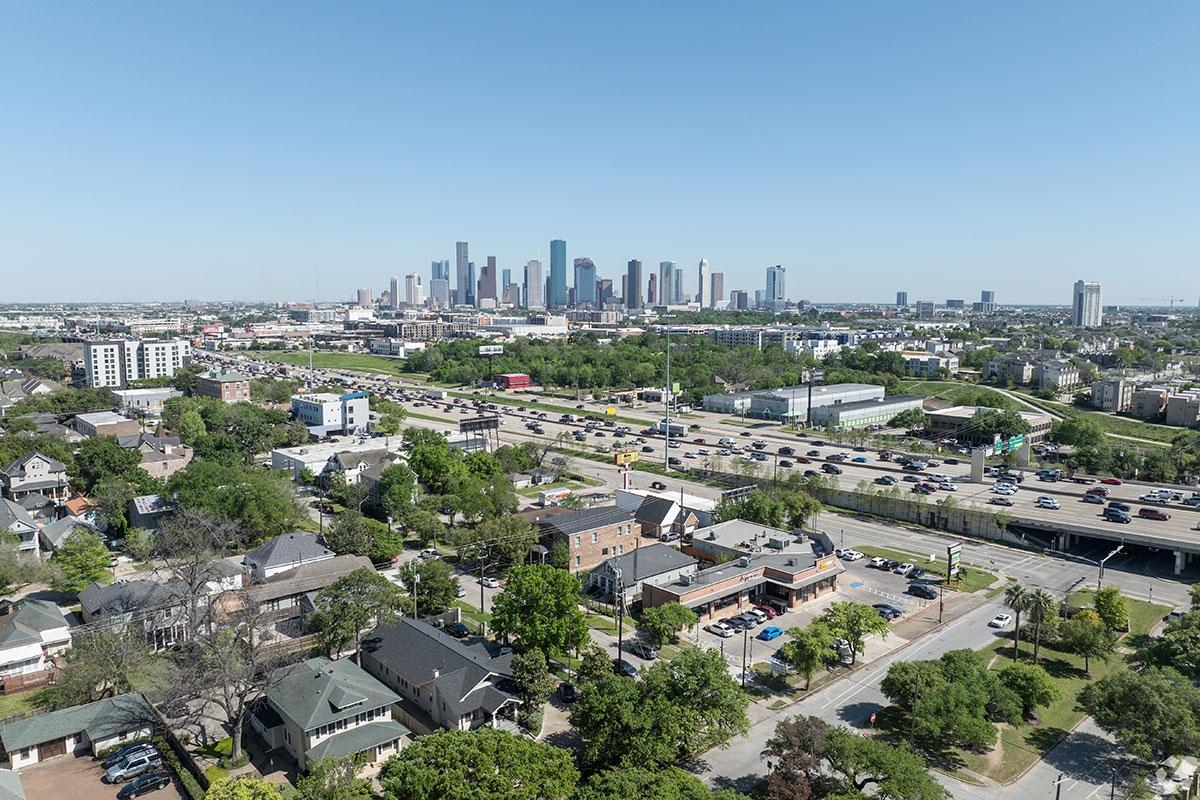
Houston is the largest city in Texas and one of the most economically diverse metros in the nation, anchored by energy, aerospace, the Texas Medical Center, and a rapidly growing tech sector. The cities’ size means renters can find anything from walkable Midtown lofts to spacious garden-style apartments in established neighborhoods.
- Why renters love it: There is a wide range of price points and neighborhoods in Houston, with an unmatched dining and cultural scene, and one of the most diverse job markets in the country.
- Biggest pro: The overall cost of living in Houston sits 7.1 percent below the national average, with housing costs running 20.2 percent lower, making it one of the largest affordable cities in America.
- Biggest consideration: Houston is a car-dependent city and traffic on I-1-, I-45, and I-610 can make daily commutes a real factor in where you choose to live.
2. San Antonio
|
Avg. Rent (1 BR) |
$1,072/month |
|
Population |
1,458,570 |
|
Renter Mix |
48% |
|
Median Age |
36 years |
|
Median Income |
$56,185 |
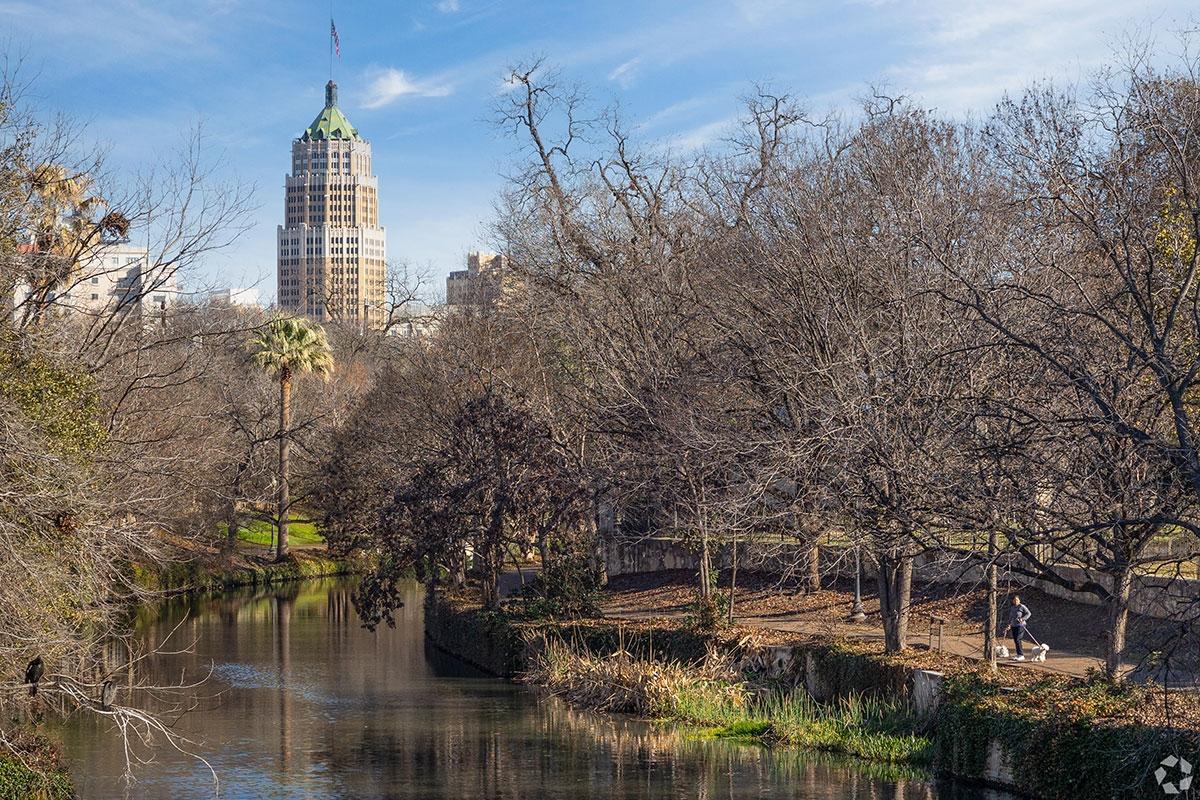
San Antonio is Texas's second largest city and one of its most historically rich, home to the Alamo, the famous River Walk, and a strong military presence with Fort Sam Houston and Lackland Air Force Base. Major employers including USAA, Toyota, and the South Texas Medical Center keep the job market and local economy stable.
- Why renters love it: Rents are among the lowest of any large Texas city, the River Walk provides a walkable waterfront district unlike anywhere else in the state, and the cost of living in San Antonio is 8.7 percent lower than the national average.
- Biggest pro: Renters get big-city amenities at a smaller price tag, with housing costs running 24.8 percent below the national benchmark.
- Biggest consideration: Traffic along Loop 410, Loop 1604, and I-35 can be heavy during peak hours, and public transit via the Metropolitan Transit is limited compared to other large metros.
3. Dallas
|
Avg. Rent (1 BR) |
$1,411/month |
|
Population |
1,328,351 |
|
Renter Mix |
61% |
|
Median Age |
35 years |
|
Median Income |
$58,908 |
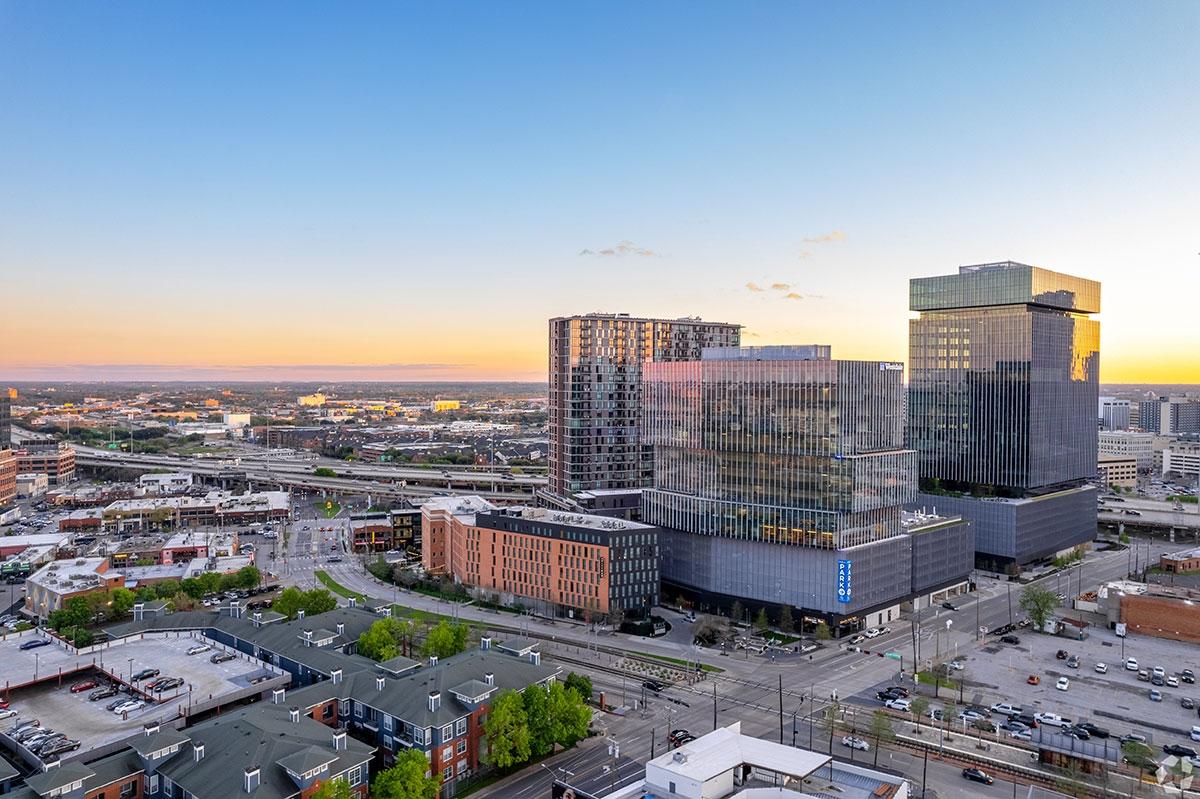
Dallas has a strong corporate presence, home to the headquarters of AT&T, Toyota (North America), and Kimberly-Clark, alongside a dense arts and dining scene thanks to the Dallas Arts District. Neighborhoods in Dallas range from the high-rise apartments of Uptown to the creative energy of Deep Ellum and the Bishop Arts District.
- Why renters love it: A thriving job market across finance, tech, healthcare, and real estate, a developed DART Rail System connecting neighborhoods across the metro, and one of the highest renter populations across the state.
- Biggest pro: Dallas’s cost of living sits near the national average (-1.6 percent), while housing is 10.8 percent less expensive, providing renters with affordability at scale.
- Biggest consideration: Utilities run about 12.1 percent higher than the national average, and the city spans a large area, so proximity to work and everyday conveniences matter more here than in denser cities.
4. Austin
|
Avg. Rent (1 BR) |
$1,394/month |
|
Population |
1,033,895 |
|
Renter Mix |
59% |
|
Median Age |
36 years |
|
Median Income |
$81,906 |
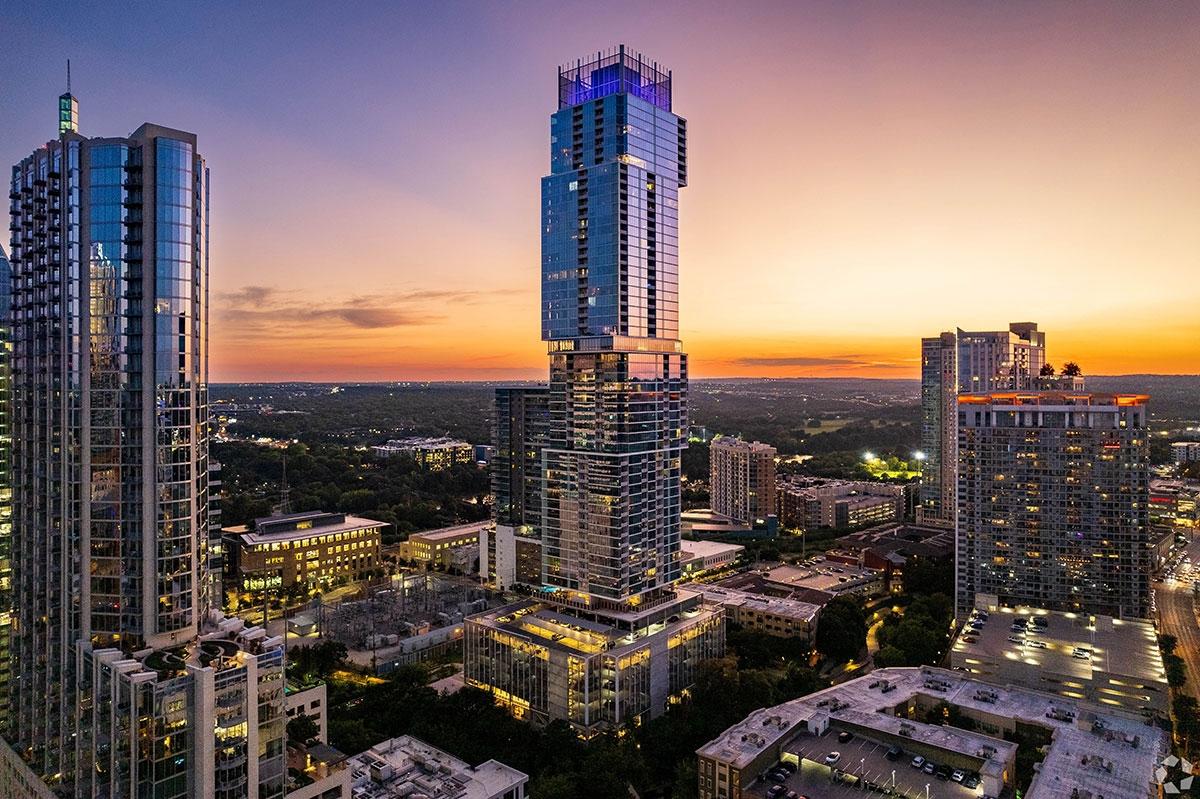
Austin is the capital of Texas and home to the University of Texas at Austin, as well as offices for Dell, Apple, Google, IBM, and more tech and biotech companies. Its live music scene, outdoor spaces like Barton Springs and Lady Bird Lake, and food truck culture have made it one of the most in-demand rental markets in the South.
- Why renters love it: A strong median household income of nearly $82,000, a walkable downtown, and a year-round calendar of events including South by Southwest and Austin City Limits.
- Biggest pro: Despite its reputation as an expensive city, Austin’s cost of living sits 4.4 percent lower than the national average.
- Biggest consideration: Rents have dropped by 3.3 percent year over year, but the city still carries higher housing costs than other Texas cities, making browsing neighborhoods in Austin important for budget-conscious renters.
5. Fort Worth
|
Avg. Rent (1 BR) |
$1,270/month |
|
Population |
982,803 |
|
Renter Mix |
44% |
|
Median Age |
35 years |
|
Median Income |
$68,568 |
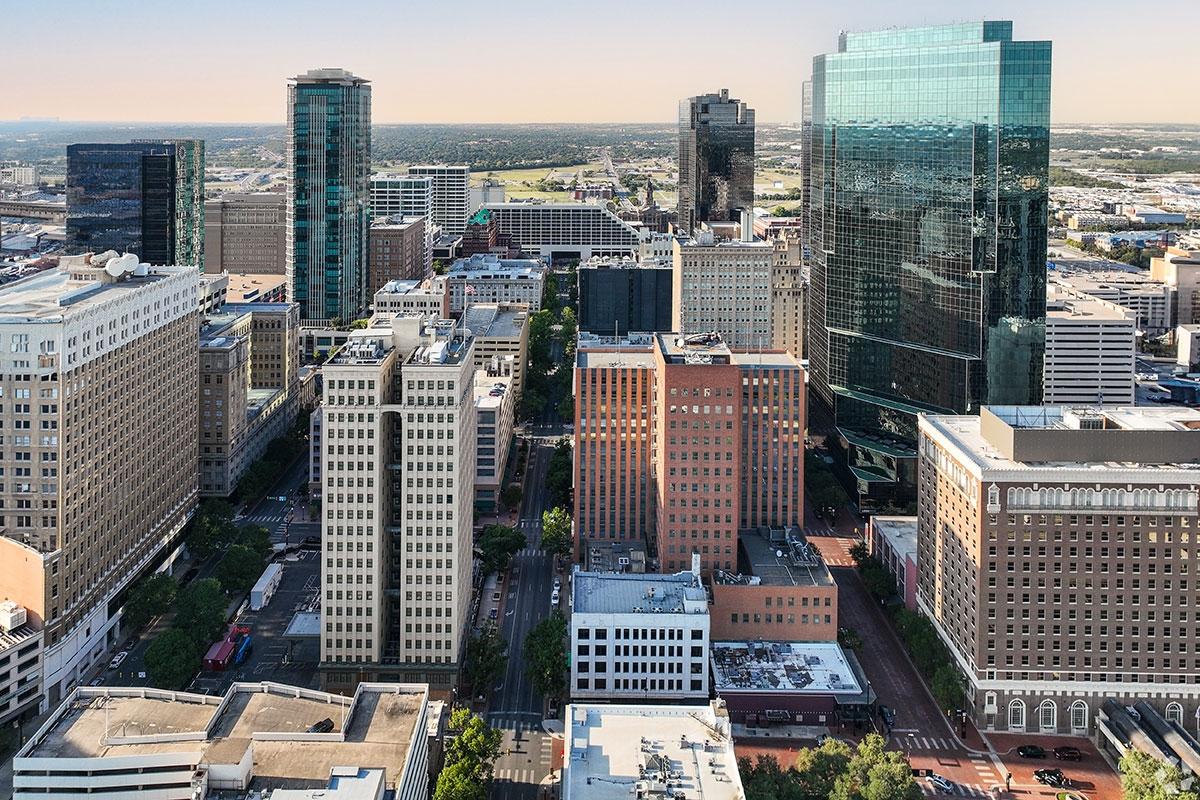
Fort Worth is often paired with Dallas, but it has a distinct personality all on its own. Known as the City of Cowboys and Culture, it has a nationally recognized arts district and the Fort Worth Stockyards National Historic District, where rodeos take place every weekend. TEXRail provides a direct link to DFW Airport, and Trinity Metro connects the diverse neighborhoods in Fort Worth.
- Why renters love it: More affordable than Dallas for similar housing, a walkable Sundance Square and Near Southside dining scene, and easy highway access to the entire DFW Metroplex.
- Biggest pro: The cost of living in Fort Worth is 4.1 percent below the national average, with housing running roughly 12.7 percent lower, offering value in one of the country’s fastest-growing cities.
- Biggest consideration: Utilities run about 11.9 percent above the national average, which can add up in Texas’s hot summers.
6. Plano

|
Avg. Rent (1 BR) |
$1,462/month |
|
Population |
316,577 |
|
Renter Mix |
45% |
|
Median Age |
41 years |
|
Median Income |
$99,547 |
Plano sits about 20 miles north of Dallas and serves as the North American headquarters for Toyota, Frito-Lay, and Capital One, among others. The Legacy West mixed-use district, the Downtown Plano arts corridor, and the Arbor Hills Nature Preserve offers renters affordable neighborhoods to choose from and multiple ways to spend their time.
- Why renters love it: One of the highest median household incomes in Texas at nearly $100,000, a polished mix of corporate employment and green space, and a well-maintained infrastructure.
- Biggest pro: Strong job access without the congestion or cost of living in Dallas, with a variety of apartment communities spanning everything from downtown lofts to garden-style rentals near nature preserves.
- Biggest consideration: The cost of living in Plano runs 8.5 percent above the national average, making it the most expensive cost of living of any city on this list.
7. El Paso
|
Avg. Rent (1 BR) |
$976/month |
|
Population |
675,460 |
|
Renter Mix |
42% |
|
Median Age |
35 years |
|
Median Income |
$52,049 |
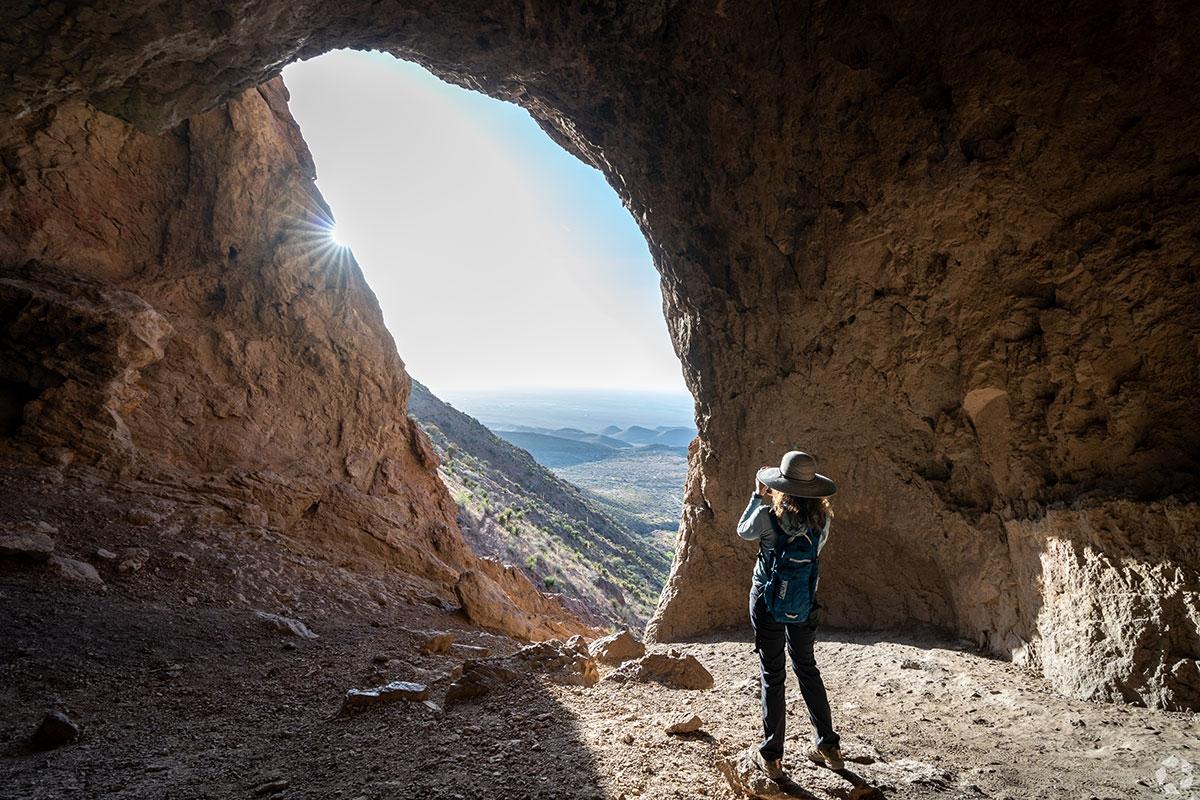
El Paso is located in a unique corner of West Texas where the state meets New Mexico and the Mexican state of Chihuahua. Fort Bliss, the University of Texas at El Paso, and the Franklin Mountains, the largest urban state park in the country, are all directly inside city limits. With over 300 days of sunshine a year and rents well below the state average, El Paso offers genuinely amazing neighborhoods and lifestyle.
- Why renters love it: The average rent in El Paso is just $976/month for a one-bedroom, the cost of living in El Paso sits 12.7 percent lower than the national average, and housing costs are 32.9 percent below the national benchmark.
- Biggest pro: El Paso has one of the most affordable cost-of-living profiles in Texas, making it an accessible option without sacrificing outdoor recreation, culture, or a strong university and employment base.
- Biggest consideration: The city is highly car-dependent, and most daily errands require a personal vehicle.
8. Arlington
|
Avg. Rent (1 BR) |
$1,142/month |
|
Population |
404,607 |
|
Renter Mix |
47% |
|
Median Age |
35 years |
|
Median Income |
$64,556 |
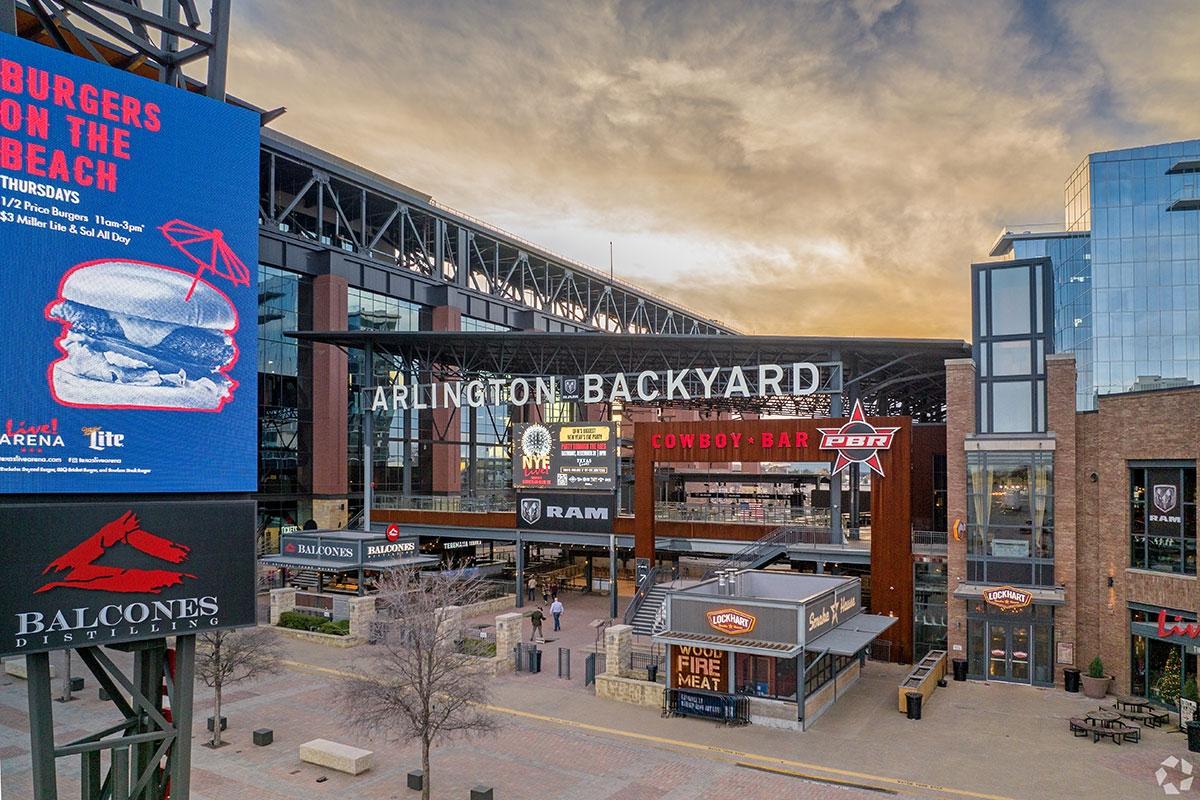
Situated between Dallas and Fort Worth, Arlington is home to AT&T Stadium (Dallas Cowboys), Globe Life Field (Texas Rangers), Six Flags Over Texas, and the University of Texas at Arlington. Major employers including Texas Health Resources and General Motors Arlington Assembly add to a diversified local job market, and access to I-30 and I-20 connect renters to both neighboring cities- all at rents well below the DFW average.
- Why renters love it: A strong entertainment and sports district, a large and active university, and some of the most recognizable attractions in the state make Arlington attractive to renters.
- Biggest pro: Central location in the DFW Metroplex with easy highway access in all directions and a notably lower average rent than Dallas or Plano.
- Biggest consideration: Arlington has no local light rail service, making car ownership essentially a requirement for daily commuting.
9. Corpus Christi

|
Avg. Rent (1 BR) |
$1,019/month |
|
Population |
312,377 |
|
Renter Mix |
42% |
|
Median Age |
37 years |
|
Median Income |
$61,799 |
Corpus Christi sits on the Gulf of Mexico in South Texas, where the Port of Corpus Christi (one of the five busiest in the nation), Naval Air Station Corpus Christi, and Texas A&M University-Corpus Christi create a stable and diverse local economy. Renters are drawn to the bayfront lifestyle, accessible coastal recreation, and rents that run well below the Texas state average.
- Why renters love it: A coastal lifestyle with bay views, miles of waterfront trails, Padre Island National Seashore nearby, and a low cost of living.
- Biggest pro: The cost of living in Corpus Christi is 13.4 percent lower than the national average, making it one of the most affordable Gulf Coast cities in the country.
- Biggest consideration: The city is car-dependent, hurricane risk along the Gulf Coast is a real concern, and the rental market is smaller and less diverse than major metros.
10. Denton
|
Avg. Rent (1 BR) |
$1,181/month |
|
Population |
172,073 |
|
Renter Mix |
54% |
|
Median Age |
34 years |
|
Median Income |
$65,665 |
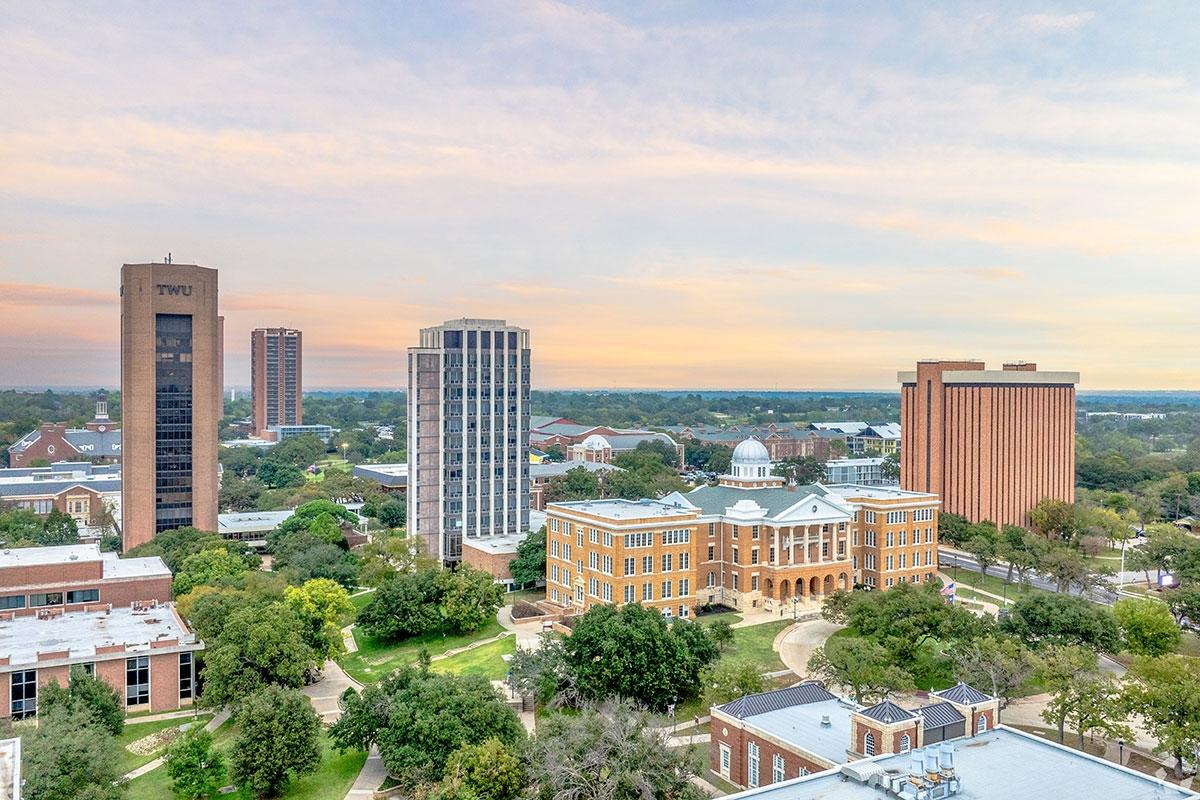
Denton sits on the northern edge of the DFW Metroplex and is defined by two major universities — the University of North Texas and Texas Woman's University — along with a nationally recognized live music scene centered in its historic Downtown Denton square. The DCTA A-train connects to DART, providing a car-free route into the broader Dallas metro.
- Why renters love it: A college-town atmosphere with a historic downtown, lively arts and music scene, two major universities driving steady employment, and more affordable rents than most DFW communities.
- Biggest pro: Renters get access to a culturally active city with strong employment, walkable downtown streets, and DFW Metroplex connectivity, all at a low cost of living.
- Biggest consideration: Like most DFW-area cities, Denton is largely car-dependent outside of the university and downtown core.
11. Frisco
|
Avg. Rent (1 BR) |
$1,481/month |
|
Population |
251,551 |
|
Renter Mix |
35% |
|
Median Age |
39 years |
|
Median Income |
$133,444 |
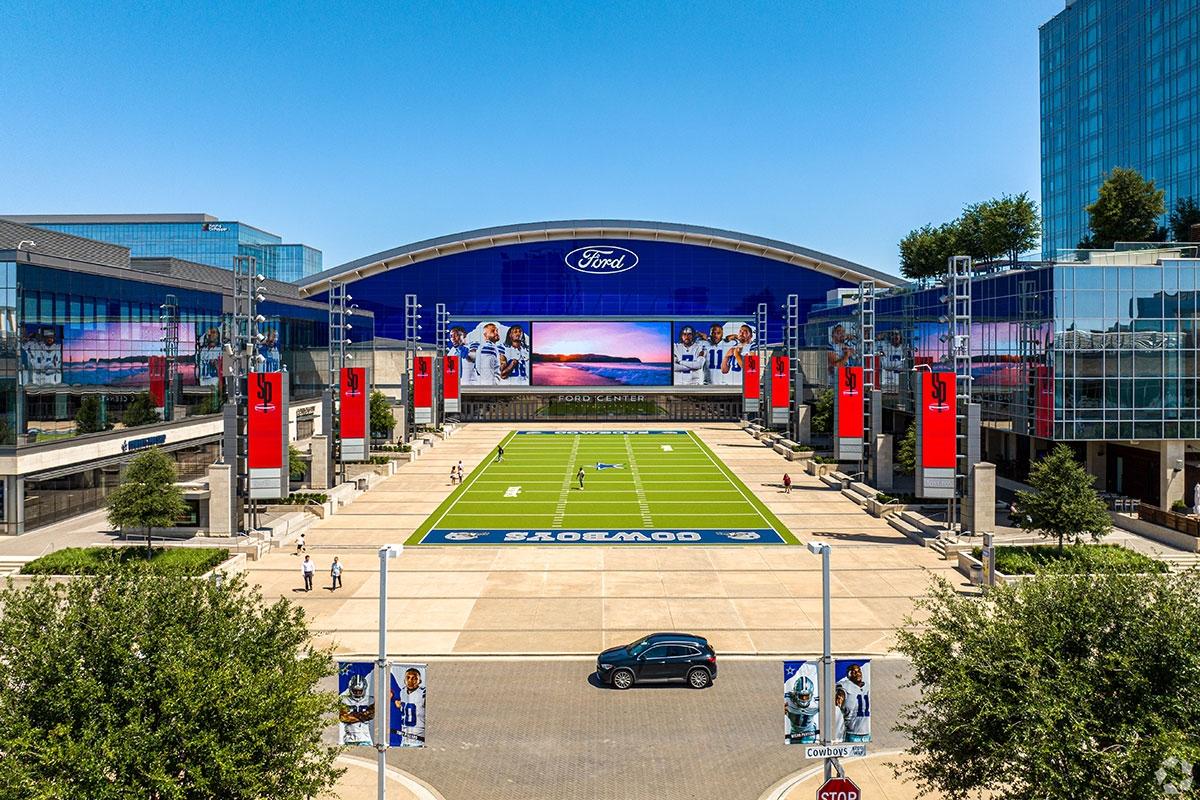
Frisco is one of the fastest-growing cities in the United States and has evolved well beyond a bedroom community into a destination of its own. The Star, home to the Dallas Cowboys' headquarters and Ford Center, offers a busy entertainment and dining district, while Toyota Stadium hosts FC Dallas and the National Soccer Hall of Fame. Major employers include Workday, T-Mobile, and PGA Frisco.
- Why renters love it: A well-maintained city with top-tier sports and entertainment infrastructure, excellent transit access to Legacy West and the Dallas North Tollway corridor, and an exceptionally high median household income of over $133,000.
- Biggest pro: Frisco offers access to some of the DFW area’s best amenities, dining, and entertainment in a well-planned community with newer apartment communities and strong job access.
- Biggest consideration: The average rent in Frisco is $1,478/month, one of the highest averages in Texas.
12. McKinney
|
Avg. Rent (1 BR) |
$1,372/month |
|
Population |
229,206 |
|
Renter Mix |
38% |
|
Median Age |
38 years |
|
Median Income |
$105,303 |
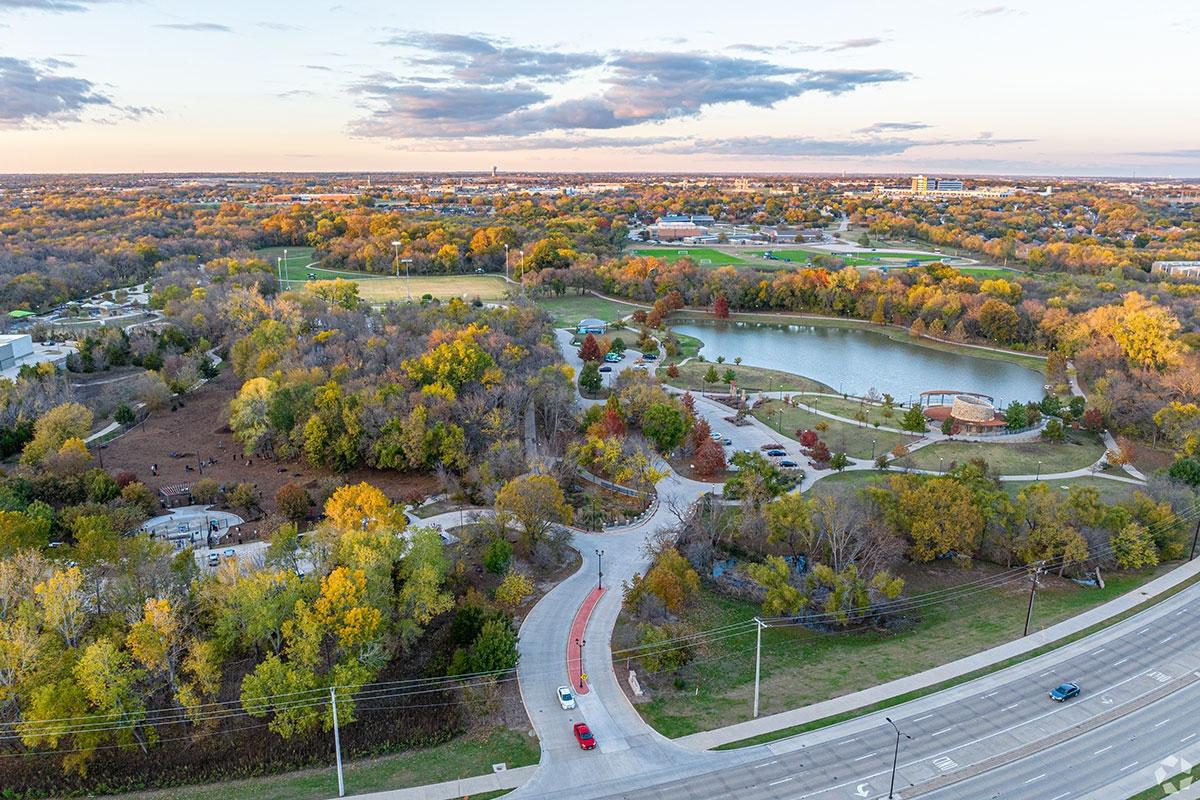
McKinney combines a preserved historic downtown square with the suburban amenities of one of Texas's fastest-growing cities. Located about 30 miles north of Dallas via US-75, it offers easy commutes to Plano's Legacy West and Frisco's The Star, a walkable Victorian-era Downtown McKinney, and major green space at the Heard Natural Science Museum and Wildlife Sanctuary.
- Why renters love it: A charming downtown with local stores and restaurants, the McKinney Performing Arts Center, strong highway access to major DFW job centers, and a high median household income supporting a stable rental market.
- Biggest pro: McKinney delivers the character of a historic small town with the infrastructure and job access of a major suburban metro at rents slightly below Frisco and Plano.
- Biggest consideration: Like Frisco, Mckinney skews heavily toward homeownership, which limits the volume and variety of available rental inventory.
13. Irving
|
Avg. Rent (1 BR) |
$1,307/month |
|
Population |
248,308 |
|
Renter Mix |
64% |
|
Median Age |
34 years |
|
Median Income |
$72,491 |
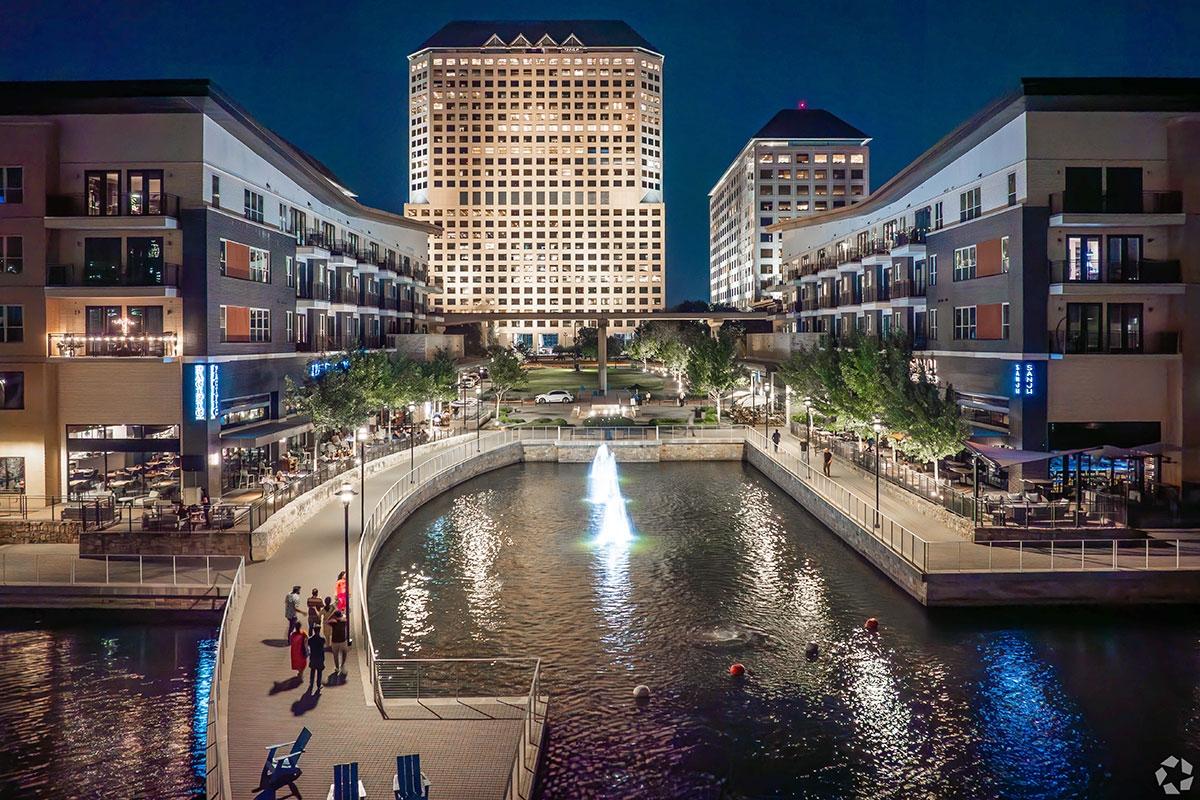
Irving sits between Dallas and DFW International Airport and is home to the Las Colinas Urban Center, one of the most prominent live-work-play districts in the Metroplex. Major corporate employers ExxonMobil, AT&T, and Citigroup maintain operations here, and the DART Orange Line provides a direct rail connection to Downtown Dallas and the airport.
- Why renters love it: Proximity to DFW Airport and major corporate employers, a walkable Las Colinas district, and the Campion Trail for outdoor recreation along the Trinity River.
- Biggest pro: Irving offers a rare combination of airport convenience, Fortune 500 employment, and DART rail access, all at a monthly average rent of $1,307.
- Biggest consideration: Outside of the Las Colinas core, Irving leans heavily suburban and car-dependent, with limited walkability in most residential corridors.
14. Garland
|
Avg. Rent (1 BR) |
$1,232/month |
|
Population |
235,170 |
|
Renter Mix |
41% |
|
Median Age |
36 years |
|
Median Income |
$65,493 |
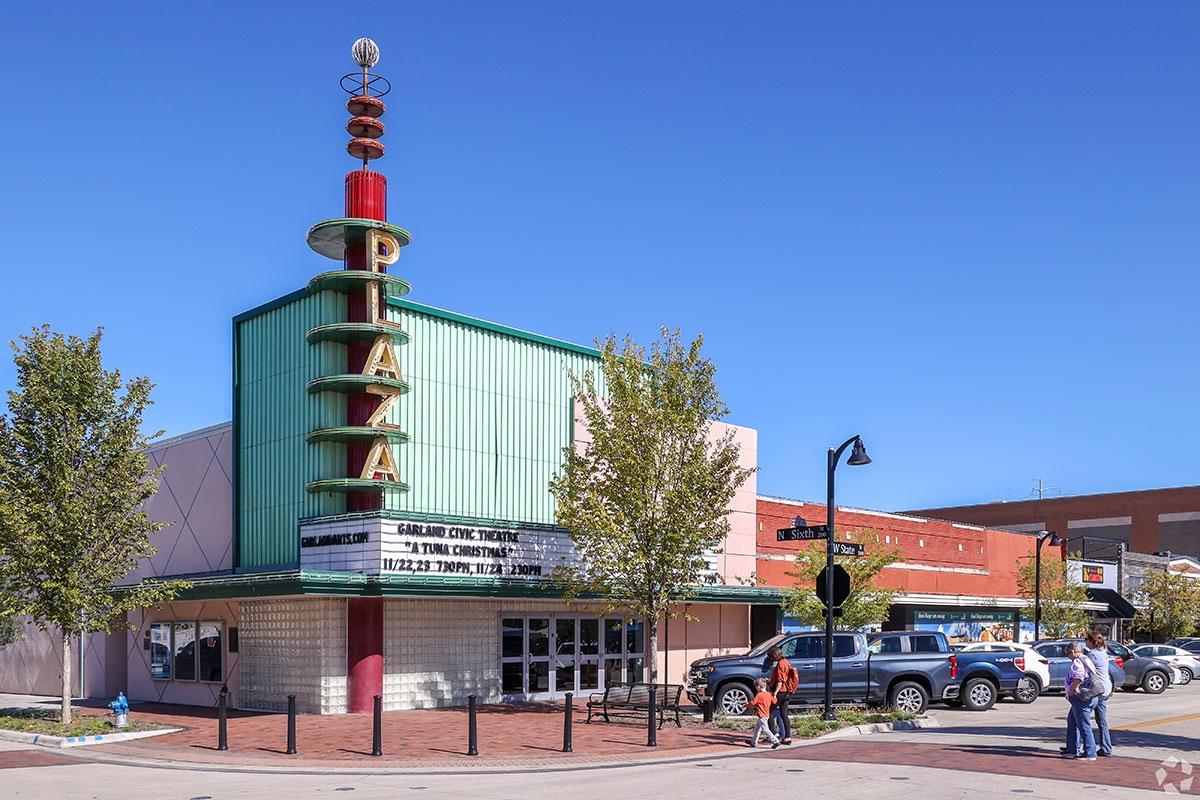
Garland is northeast of Dallas and offers some of the most affordable rental options in the DFW Metroplex, with easy access to downtown Dallas via the DART Blue Line at the Downtown Garland and Forest/Jupiter stations. The Firewheel Town Center anchors retail and dining on the east side, while Lake Ray Hubbard provides waterfront recreation minutes from most neighborhoods.
- Why renters love it: DART rail access to downtown Dallas, affordable monthly rents below the DFW average, 63 parks covering 2,800 acres of green space, and the historic Downtown Garland Square.
- Biggest pro: Garland offers easy Dallas Metroplex connectivity at a lower price point than other surrounding cities, making it a practical option for renters who want proximity to the city without higher costs.
- Biggest consideration: The city is spread out and largely car-dependent outside of DART rail corridors, and walkability in most residential areas is limited.
15. Grand Prairie

|
Avg. Rent (1 BR) |
$1,329/month |
|
Population |
196,003 |
|
Renter Mix |
42% |
|
Median Age |
35 years |
|
Median Income |
$73,162 |
Grand Prairie spans Dallas, Tarrant, and Ellis counties, giving it direct access to employers across the entire western DFW Metroplex. Joe Pool Lake offers outdoor recreation, the Epic Waters Indoor Waterpark provides year-round activities, and Lone Star Park brings horse racing to the city's entertainment landscape. Highways I-20, I-30, and SH-161 make it one of the most centrally connected cities in the region.
- Why renters love it: Joe Pool Lake access, Epic Waters, Lone Star Park, Grand Prairie Premium Outlets, and rents that are lower than most neighboring DFW neighborhoods.
- Biggest pro: Grand Prairie’s central location means renters can reach Dallas, Fort Worth, or Arlington in 20 to 30 minutes, with no shortage of entertainment options.
- Biggest consideration: Public transit is limited and a personal vehicle is necessary for almost all daily needs.
16. Waco
|
Avg. Rent (1 BR) |
$1,076/month |
|
Population |
153,923 |
|
Renter Mix |
55% |
|
Median Age |
32 years |
|
Median Income |
$49,750 |
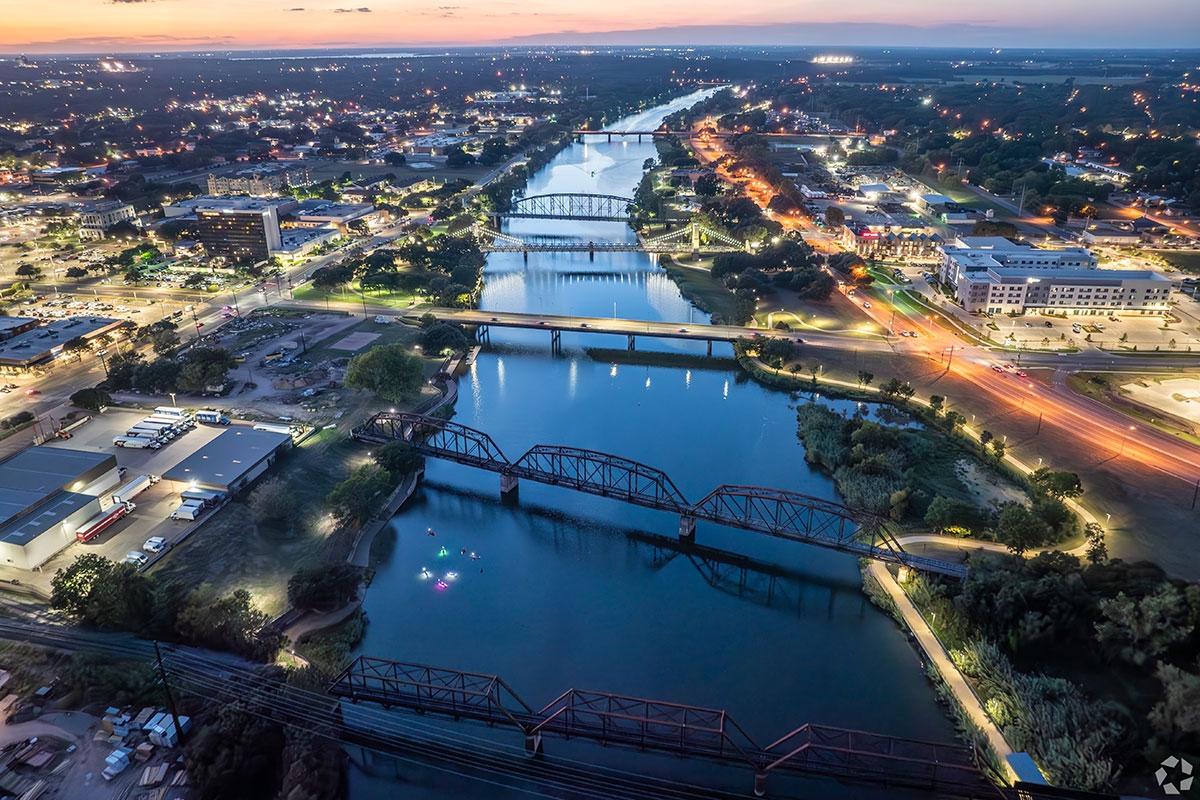
Waco sits halfway between Dallas and Austin on I-35, making it accessible to both major metros while having a distinct identity of its own. Baylor University provides academic and economic life in the city, and Magnolia Market at Silos has put Waco on the national map. Cameron Park, with 416 acres of hiking trails and limestone cliffs along the Brazos River, rounds out a strong outdoor recreation profile.
- Why renters love it: Among the most affordable cities in Texas, walkable Downtown Waco with Magnolia Market and local dining, and a growing arts and culture scene thanks to the university.
- Biggest pro: The cost of living in Waco sits 9.7 percent below the national average, and the average monthly rent is $1,076/month for a one-bedroom, making it one of the most renter-friendly cities in Texas.
- Biggest consideration: The median household income of $49,750 is the lowest on this list, which reflects a tight local economy outside of Baylor and healthcare, making job options limited.
17. Lubbock
|
Avg. Rent (1 BR) |
$869/month |
|
Population |
264,535 |
|
Renter Mix |
49% |
|
Median Age |
33 years |
|
Median Income |
$56,816 |
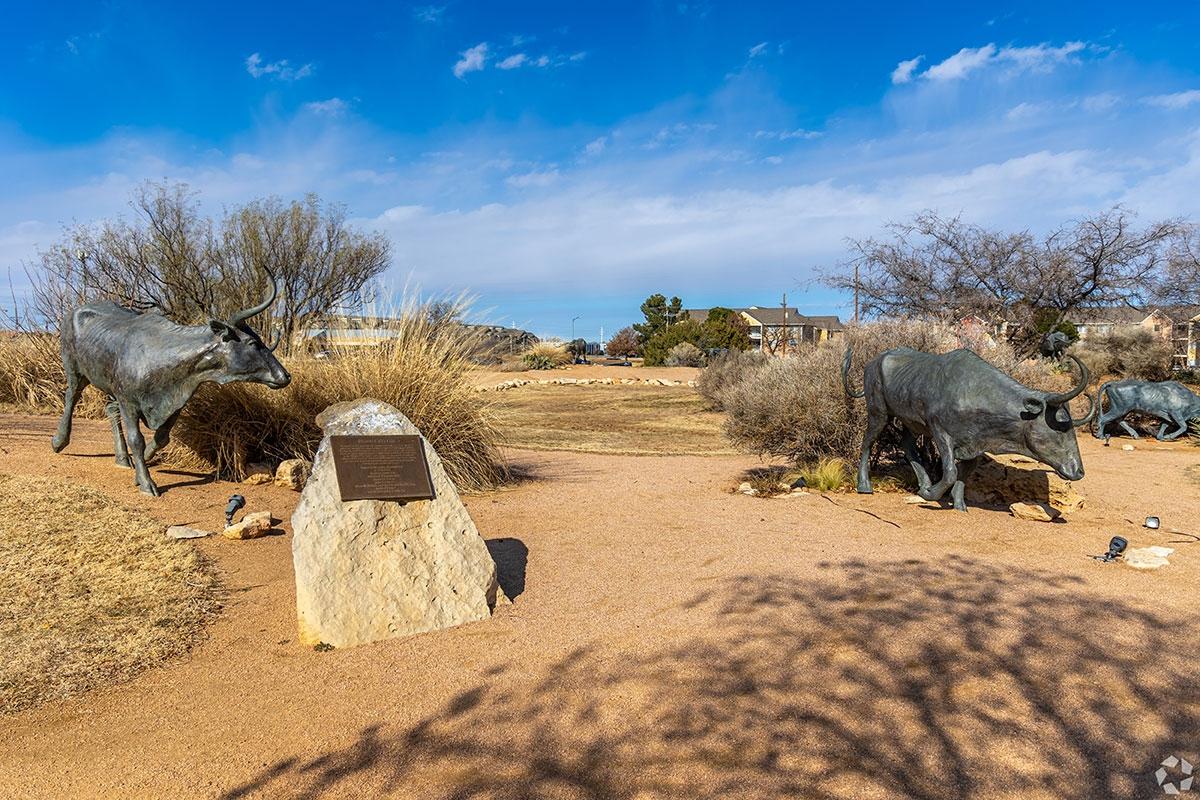
Lubbock is the hub of West Texas and home to Texas Tech University. The Buddy Holly Hall of Performing Arts honors the city’s most famous son, the Depot District anchors local nightlife and the arts, and the surrounding Texas High Plains wine region produces more than 90% of Texas-grown wine grapes.
- Why renters love it: Among the lowest average rents of any city on this list, an overall cost of living 6.8 percent below the national average rent, and a lively culture scene supported by Texas Tech’s 40,000 students.
- Biggest pro: Lubbock offers some of the most budget-friendly rents in Texas across several diverse neighborhoods.
- Biggest consideration: Lubbock is car-dependent and geographically isolated from other Texas metros.
18. Amarillo

|
Avg. Rent (1 BR) |
$911/month |
|
Population |
203,967 |
|
Renter Mix |
41% |
|
Median Age |
37 years |
|
Median Income |
$56,132 |
Amarillo is located along the Texas Panhandle and offers open skies, low rents, and a lifestyle that moves at its own pace. Palo Duro Canyon State Park, the second largest canyon in the country, sits outside the city, and Route 66 runs through Downtown Amarillo. The city’s healthcare and food processing industries provide stable employment, and rents are some of the lowest in Texas.
- Why renters love it: Rents average $911/month, the cost of living in Amarillo is 18.4 percent below the national average, and access to Palo Duro Canyon provides outdoor recreation.
- Biggest pro: Amarillo has one of the lowest costs of living in any mid-sized Texas city, with housing running 41.8 percent less than the national average.
- Biggest consideration: Amarillo is far from other major Texas metros, making a car essential for everyday activities.
19. Killeen
|
Avg. Rent (1 BR) |
$846/month |
|
Population |
163,444 |
|
Renter Mix |
54% |
|
Median Age |
31 years |
|
Median Income |
$51,908 |
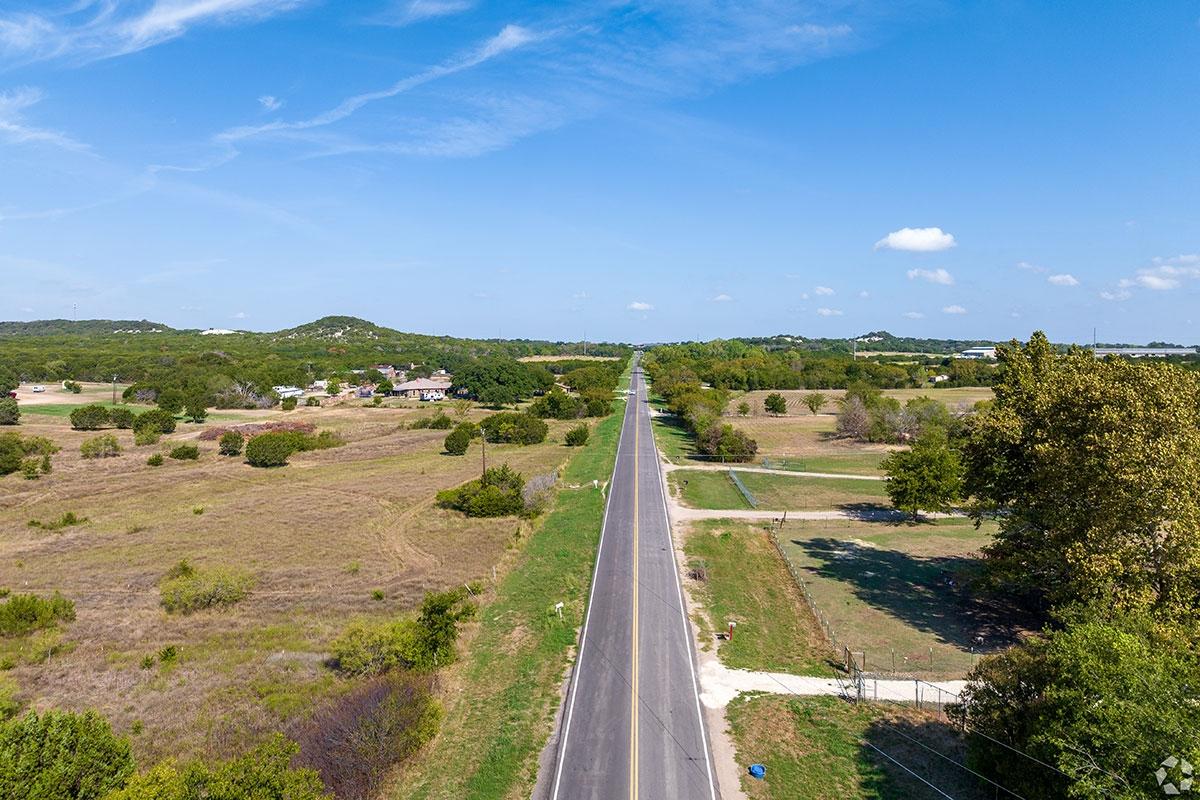
Killeen is a Central Texas city directly adjacent to Fort Cavazos, one of the largest U.S. Army installations in the country. The city's military heritage creates a dense, steady rental market, and Central Texas College and Texas A&M University-Central Texas add a strong educational layer. Stillhouse Hollow Lake and Belton Lake offer outdoor recreation nearby, and rents remain among the most affordable in Texas.
- Why renters love it: The average rent in Killeen is $846/month, one of the lowest on this list, coupled with a consistent rental market driven by military employment and easy access to outdoor recreation and Central Texas employers.
- Biggest pro: Killeen’s proximity to Fort Cavazos creates a stable rental market, and the city’s young median age of 33 reflects a community with active energy and ongoing demand.
- Biggest consideration: The local economy is heavily tied to military, which means the job market outside of Fort Cavazos and the university system is limited.
20. McAllen

|
Avg. Rent (1 BR) |
$821/month |
|
Population |
143,677 |
|
Renter Mix |
42% |
|
Median Age |
35 years |
|
Median Income |
$51,715 |
McAllen sits in the Rio Grande Valley at the southern tip of Texas, known for its lush landscape and subtropical climate. As a growing international trade hub and retail destination, McAllen’s economy is shaped by cross-border commerce, healthcare, and education at South Texas College and UT Rio Grande Valley. The International Museum of Art and Science and Quinta Mazatlán add cultural depth to a city with one of the lowest costs of living profiles in the state.
- Why renters love it: The cost of living in McAllen is 19.1 percent lower than the national average, rents average just $821/month for a one-bedroom, and a warm climate with a growing dining and entertainment scene.
- Biggest pro: McAllen delivers some of the most accessible rental prices in Texas, with housing costs running 41 percent below the national benchmark, making it a compelling option for renters seeking value in a warm city.
- Biggest consideration: The local economy is highly dependent on cross-border trade and retail and, while growing, McAllen’s job market is more limited in scope than Texas’s larger metros.
Best Places to Live in Texas at a Glance
|
City |
Average Rent |
Population |
Renter Mix |
Median Age |
Median Income |
|
Houston |
$1,185/month |
2,393,902 |
59% |
36 years |
$56,401 |
|
San Antonio |
$1,072/month |
1,458,570 |
48% |
36 years |
$56,185 |
|
Dallas |
$1,411/month |
1,328,351 |
61% |
35 years |
$58,908 |
|
Austin |
$1,394/month |
1,033,895 |
59% |
36 years |
$81,906 |
|
Fort Worth |
$1,270/month |
982,803 |
44% |
35 years |
$68,568 |
|
Plano |
$1,462/month |
316,577 |
45% |
41 years |
$99,547 |
|
El Paso |
$976/month |
675,460 |
42% |
35 years |
$52,049 |
|
Arlington |
$1,142/month |
404,607 |
47% |
35 years |
$64,556 |
|
Corpus Christi |
$1,019/month |
312,377 |
42% |
37 years |
$61,799 |
|
Denton |
$1,181/month |
172,073 |
54% |
34 years |
$65,665 |
|
Frisco |
$1,481/month |
251,551 |
35% |
39 years |
$133,444 |
|
McKinney |
$1,372/month |
229,206 |
38% |
38 years |
$105,303 |
|
Irving |
$1,307/month |
248,308 |
64% |
34 years |
$72,491 |
|
Garland |
$1,232/month |
235,170 |
41% |
36 years |
$65,493 |
|
Grand Prairie |
$1,329/month |
196,003 |
42% |
35 years |
$73,162 |
|
Waco |
$1,076/month |
153,923 |
55% |
32 years |
$49,750 |
|
Lubbock |
$869/month |
264,535 |
49% |
33 years |
$56,816 |
|
Amarillo |
$911/month |
203,967 |
41% |
37 years |
$56,132 |
|
Killeen |
$846/month |
163,444 |
54% |
31 years |
$51,908 |
|
McAllen |
$821/month |
143,677 |
42% |
35 years |
$51,715 |
Make the Move to Texas with Apartments.com
Whether you’re looking for a high-rise in Dallas or a single-family home in Waco, Apartments.com can help find the perfect place for you. Browse hundreds of neighborhoods in Texas and use our specific search filters to find the amenities you’re looking for. Your next Texas rental is on Apartments.com. Start searching today!
Methodology
Rent data is provided by CoStar Group's Market Trend reports. Demographic information, including population, median household income, median age, and renter-versus-owner percentages, was sourced from Apartments.com city profile data. Cost of living indices were drawn from Apartments.com cost of living reports. Employer information, neighborhood characteristics, transit options, and points of interest were sourced from Apartments.com local guide data.
Cities were selected to represent a range of sizes, geographic regions, and lifestyle profiles across Texas, from major metros to mid-sized cities and smaller communities, with the goal of giving renters a comprehensive and honest picture of their options across the state.
FAQs
What are the best places to live in Texas?
The best places to live in Texas depend on your priority. Dallas, Houston, San Antonio, and Austin are home to large employers, while Lubbock and Killeen offer some of the most affordable rents in the state. If you're looking for a college-town atmosphere, El Paso, Arlington, or Denton might be for you. Whatever you're looking for, Texas offers a diverse number of cities and neighborhoods sure to attract all renters.
Is Texas a good place to live?
Texas offers a combination of low rents, no state income tax, warm weather, a growing job market, diverse neighborhoods, and a stable economy. Texas appeals to renters who are looking for a more affordable place to live without losing access to major metros and employment opportunities.
How much does it cost to rent an apartment in Texas?
The cost of renting an apartment in Texas varies by city. Among the cities featured, the average one-bedroom rents range from $821/month in McAllen to $1,481/month in Frisco. Major metros like Houston ($1,185), San Antonio ($1,072), Dallas ($1,411), and Austin ($1,394) offer a variety of rental options, while small cities such as Killeen ($846), Lubbock ($869), and Amarillo ($911) provide some of the most affordable rents in the state.


