

Texas is the second-largest state in the country by both area and population, and it has been one of the fastest-growing states in the nation for over a decade. With a statewide average rent well below the national average and a cost of living below the U.S. benchmark, Texas attracts renters looking for more space, opportunity, and a place to stretch their budget.
Is Texas a Good Place to Live?
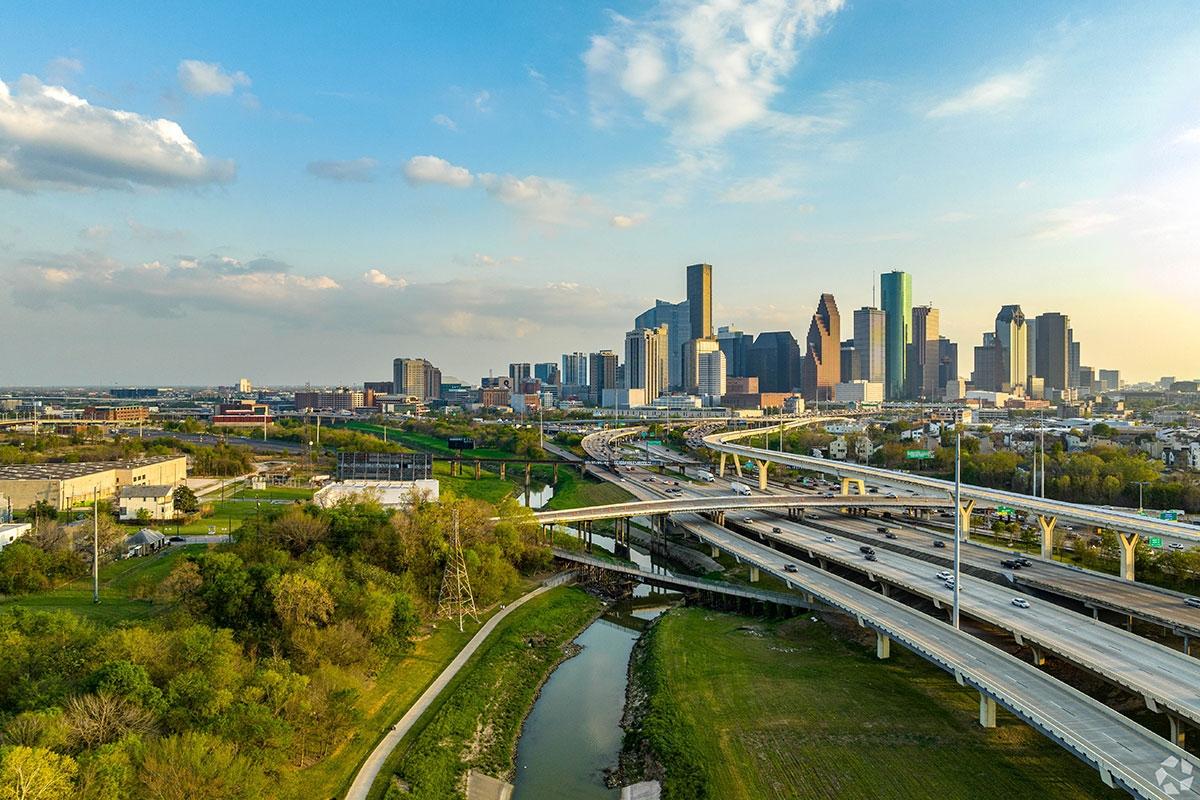
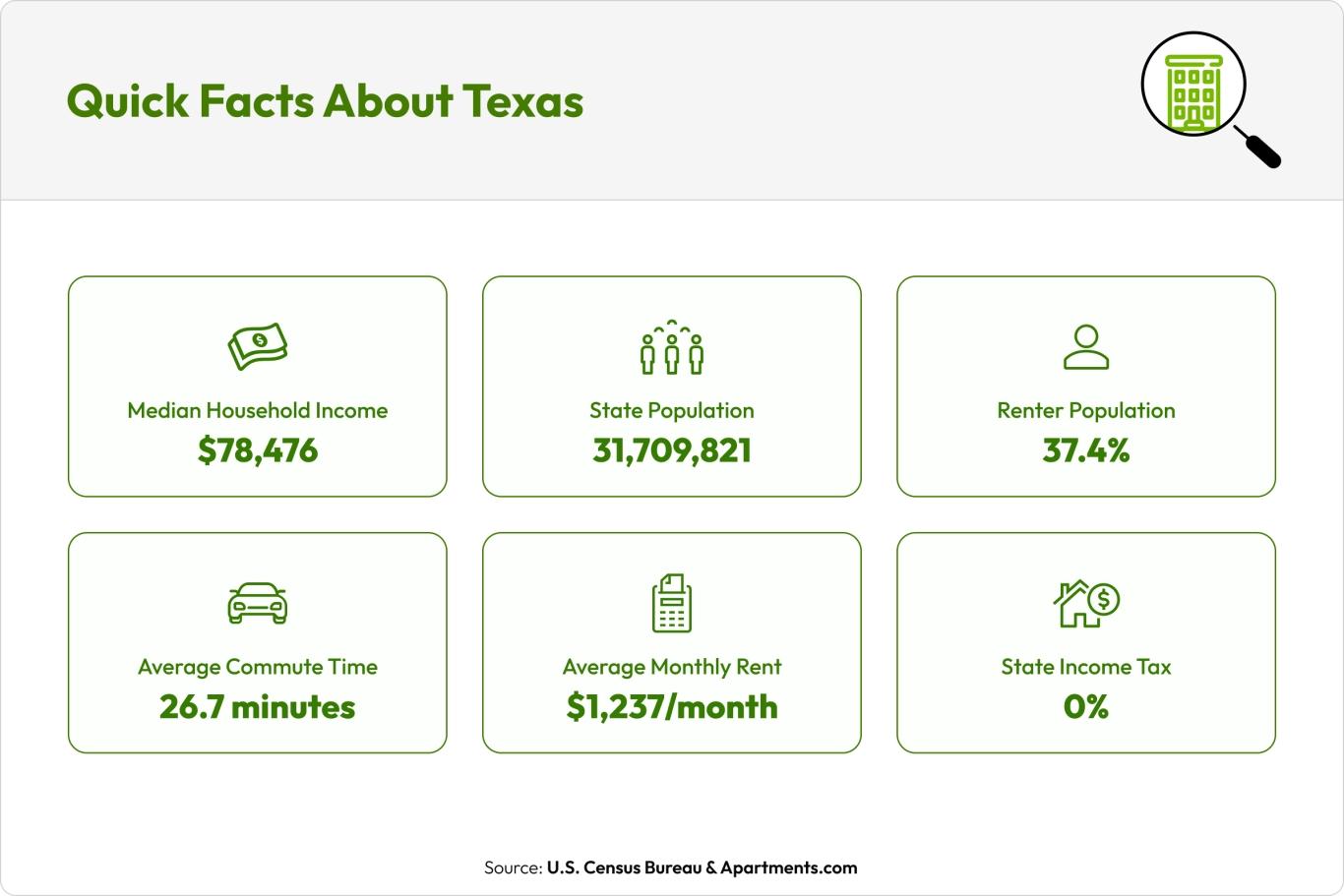
Ask most Texans, and the answer is yes! Texas combines a low cost of living, an expanding job market, and no state income tax, offering affordability and opportunity. Statewide rent has trended down by 2.1 percent year over year, leveling out to an average monthly price of $1,237/month. The rental supply in Texas is solid, with new apartment communities popping up in major cities and giving renters more options across the state.
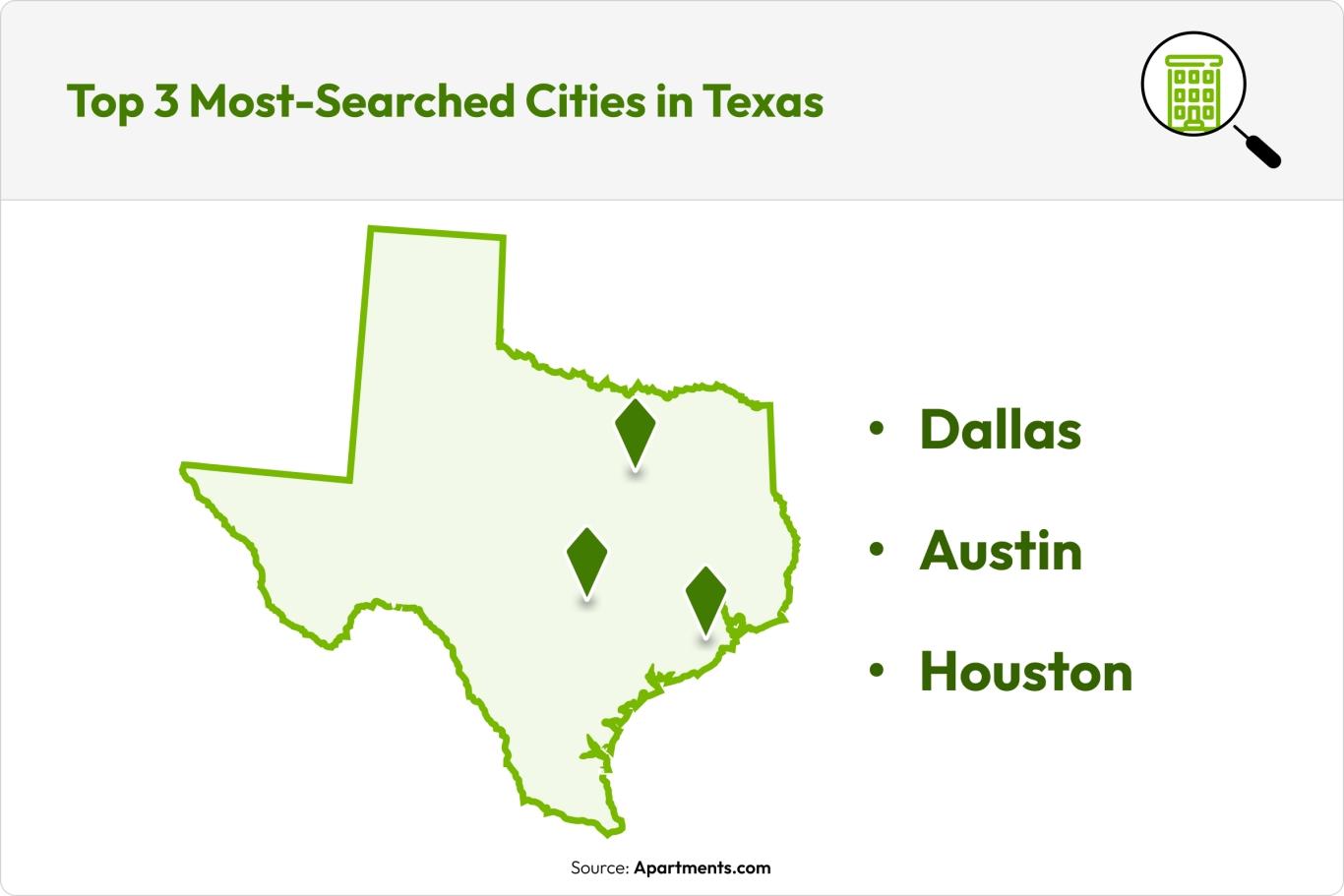
Some of the best places to live in Texas appeal to every kind of renter. Austin leans into its tech industry, live music scene, and Hill Country surroundings, while Dallas combines corporate headquarters with a thriving arts scene. Houston is one of the most diverse cities in Texas, and San Antonio offers an opportunity to learn about Texas’s deep history along the famous River Walk.
Is It Expensive to Live in Texas?
Texas sits well below the national average on most cost-of-living metrics, making it one of the most renter-friendly states in the South.
|
Property Type |
Average Rent |
Average Sq. Ft. |
|
$1,237/month |
714 sq. ft. |
|
|
$1,061/month |
851 sq. ft. |
|
|
$1,473/month |
726 sq. ft. |
|
|
$1,237/month |
827 sq. ft. |
*Based off 1-bedroom averages
Compared to the national average rent of $1,642/month for a 1-bedroom apartment, living in Texas is less expensive than many areas across the country.
The most affordable cities in Texas are:
- San Antonio: $1,072/month
- Houston: $1,184/month
- Fort Worth: $1,270/month
The most expensive cities in Texas are:
- Austin: $1,393/month
- Dallas: $1,407/month
- Plano: $1,461/month
What Are the Best Places to Live in Texas?
|
Top Cities in Texas |
Average 1-bedroom rent |
|
$1,184/month |
|
|
$1,407/month |
|
|
$1,393/month |
|
|
$1,072/month |
|
|
$1,270/month |
|
|
$1,474/month |
|
|
$1,461/month |
|
|
$976/month |
|
|
$1,139/month |
|
|
$1,302/month |
|
|
$1,313/month |
|
|
$1,368/month |
|
|
$1,170/month |
|
|
$1,411/month |
|
|
$1,318/month |
|
|
$1,088/month |
|
|
$1,017/month |
|
|
$1,195/month |
|
|
$1,072/month |
|
|
$1,465/month |
|
|
$1,450/month |
|
|
$856/month |
|
|
$1,131/month |
|
|
$1,377/month |
Source: Apartments.com
Houston is the largest city in Texas and attracts renters with its affordability, strong job market across energy and healthcare sectors, and neighborhoods ranging from walkable Midtown to quieter suburban streets in Uptown Houston. Dallas is a major corporate center with one of the largest metropolitan areas in the country. From the Deep Ellum district, where the arts and music scenes thrive, to high-end shopping centers like the Dallas Galleria, Dallas has it all.
Austin is the capital of Texas and is a nationally recognized tech hub, home to Dell, Apple, Google, and IBM operations. The University of Texas at Austin and popular musical festivals like South by Southwest and Austin City Limits keep the city lively throughout the year. San Antonio is the most budget-friendly of Texas’s major metros and offers a slower pace of life with history to discover along the River Walk and the Alamo.
Rounding out Texas’s major cities is Fort Worth. Located around 30 minutes from downtown Dallas, Fort Worth is a cultural hotspot with attractions like the Kimbell Art Museum, the Fort Worth Stockyards, and the Cultural District, giving the city a distinct personality. Neighborhoods like West 7th make it easy to see why Fort Worth has been coined “The City of Cowboys and Culture.”
What to Expect from Texas Weather

Texas has one of the most diverse climates throughout the United States. The weather along the Gulf Coast is completely different from what residents in Amarillo or the El Paso desert experience. Here is a look at Texas’s climate at a glance.
|
Average Temperature |
69.0 |
|
Average Precipitation |
24.84” |
|
Temperature Range July 2025 |
71.6-92.8 |
|
Temperature Range January 2025 |
31.1-54.4 |
*Average from April 2025-March 2026
Texas weather is characterized by long, hot summers, mild winters (although residents in Borger, Amarillo, and Perryton see snow now and again), and a spring storm season that can bring severe thunderstorms and tornadoes to North and Central Texas. The Gulf Coast can also see tropical storms and hurricanes during peak season from June through November. Meanwhile, spring and fall are generally pleasant, with mild temperatures across most of the state.
What Are the Pros and Cons of Living in Texas?

While Texas offers some of the lowest rents in the country, there are potential drawbacks to planting roots in the Lone Star State. Here are a couple of pros and cons to weigh when deciding whether a move to Texas is the right fit for you.
Pro: No State Income Tax
Texas is only one of nine states in the U.S. that does not collect personal income taxes, meaning renters take home more money per paycheck, allowing them to stretch their budget further. These savings are especially noticeable for those earning moderate to higher incomes, and when paired with an already low cost of living, the financial incentive of a Texas move becomes even more appealing.
Con: Car-Dependent Infrastructure
One of the largest downsides for renters living in Texas is access to public transportation. Although there are walkable corridors and neighborhoods, the state is largely car dependent. Commutes in Houston and the Dallas-Fort Worth area rank among the most congested during peak rush hours throughout the country. Metros like Houston, Dallas, Fort Worth, Austin, and San Antonio offer light rail systems and bus routes, but outside of these systems, the sheer size of Texas means relying on public transit alone is impractical.
Pro: Rental Market Availability
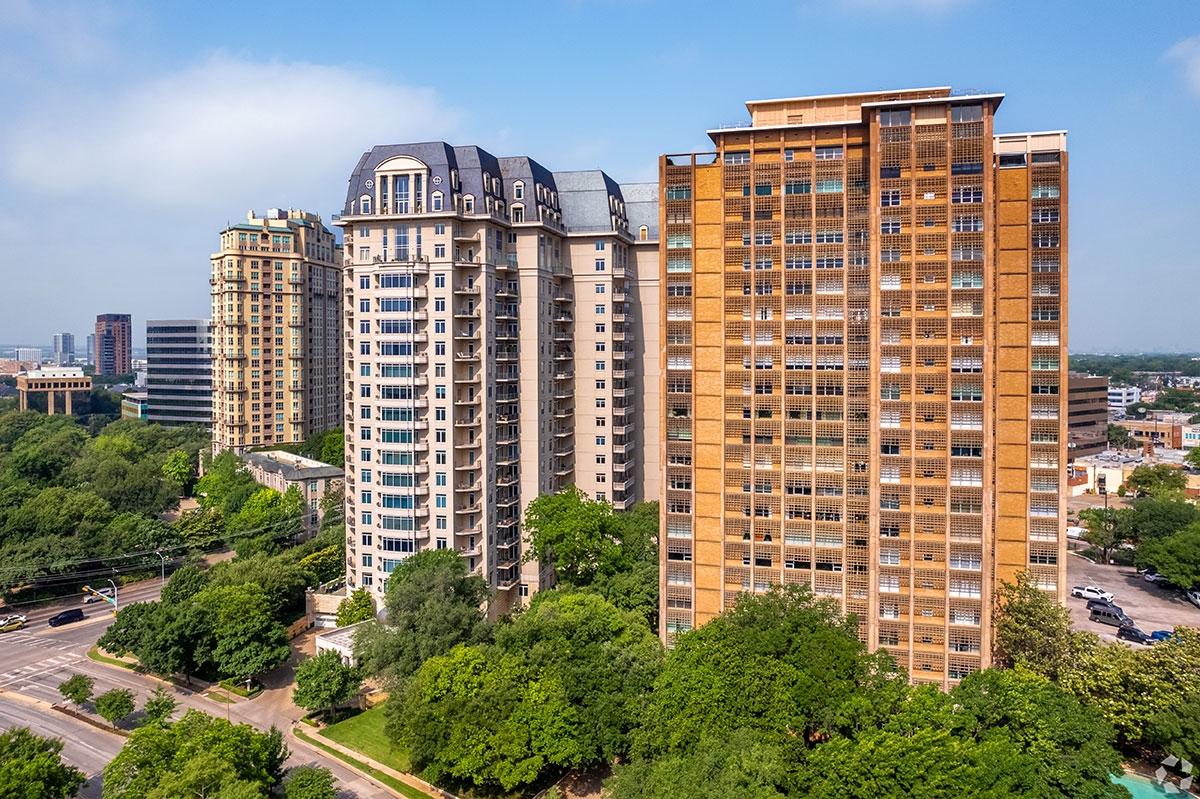
Texas is in the Sun Belt region, meaning the local rental market is large and well supplied. The combination of continued new construction in major metros and year-over-year rent decreases means renters have a unique opportunity to be selective during their Texas apartment search.
|
City |
YoY Rent Decrease |
|
Houston |
1.3% |
|
Dallas |
1.2% |
|
Austin |
3.6% |
|
Fort Worth |
2% |
|
San Antonio |
3.5% |
Source: Apartments.com
Con: Intense Summer Heat
It’s normal for Texas summers to reach or exceed 100 degrees, and these temperatures arrive as early as May and linger well into October in cities located in South Texas. Air conditioning is non-negotiable for renters in Texas, and the statewide utility cost reflects that. The utility cost in Dallas is 12.1 percent higher than the national average, costing renters around $416/month. Renters looking to move to Texas should factor in this cost when deciding on a budget and, if moving from a cooler climate, determine whether a warmer climate is the right fit.
Pro: A Thriving Job Market
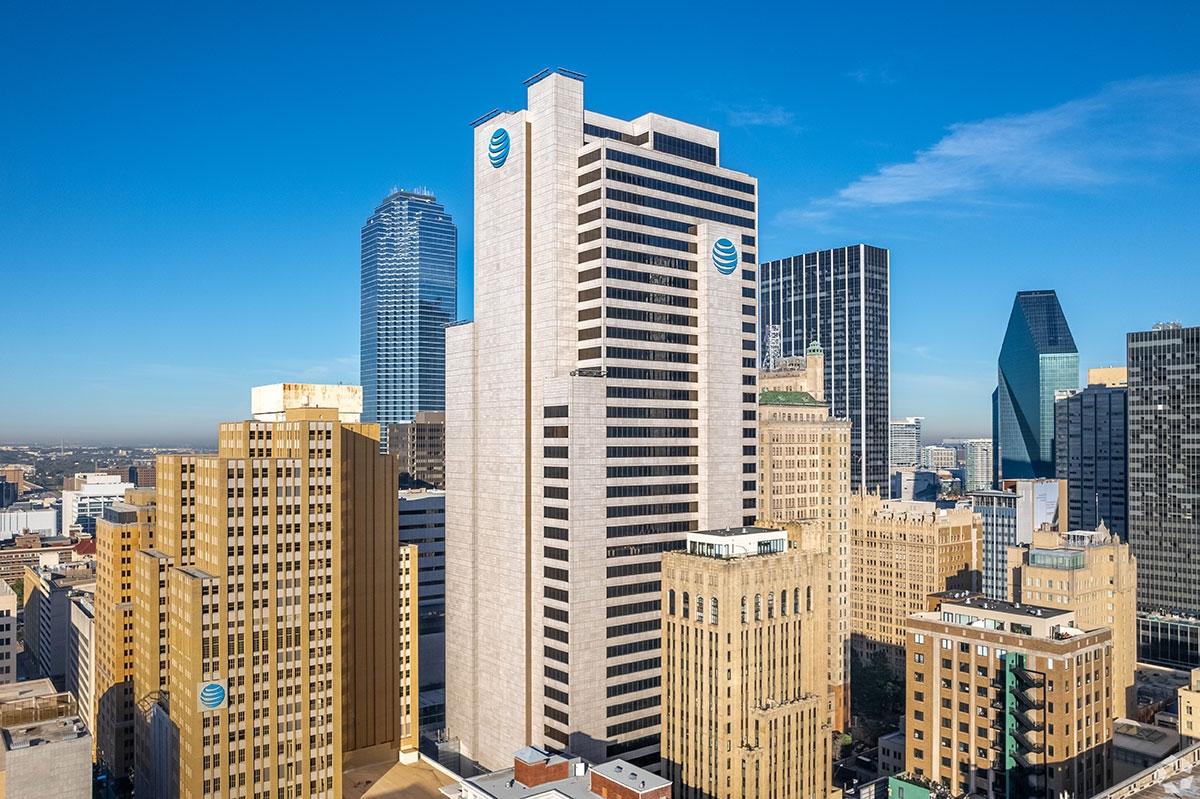
Texas boasts a diverse economy, with metros like Houston, Dallas-Fort Worth, and San Antonio hosting large corporations across sectors. NASA’s Johnson Space Center and the Texas Medical Center are in Houston, while San Antonio has a large military and government presence with Fort Sam Houston and Lackland Air Force Base located in the city. Beyond being an entertainment hub, the Dallas-Fort Worth area is home to major corporations including AT&T, American Airlines, Toyota North America, and Kimberly-Clark. This economic breadth means job opportunities in Texas are vast and span industries and experience levels.
Con: Severe Weather and Natural Hazards
Texas’s size and geography mean it’s susceptible to a variety of weather disasters. Tornado season happens in the spring and early summer months and affects much of North and Central Texas. The Gulf Coast of Texas faces hurricane risk every year from June through November. The state is also no stranger to flash flooding, especially during intense spring thunderstorms. Renters planning a move to Texas should be aware of potential weather conditions that could impact them throughout the year.
Is Texas a Good Place to Live for Renters?
Renters looking for an affordable place to live without losing access to major metros and ample job opportunities may feel at home in Texas. The statewide average rent and cost of living run well below nationwide averages, and with no state income tax and rents softening across major Texas metros, renters may find that a Texas lifestyle benefits both their lifestyle and budget.
Ready to find your next home? Search for apartments for rent in Texas on Apartments.com and explore thousands of listings across the Lone Star State. From affordable studios in San Antonio to luxury high-rises in downtown Dallas, Texas has something for every renter.
Methodology
Rent and rental market data are sourced from CoStar Group’s Market Trend reports, provided through Apartments.com Rent Trends pages. Cost of living data is sourced from the Cost of Living Calculator, provided by Apartments.com. Neighborhood descriptions, points of interest, transit, and lifestyle details were pulled from Apartments.com Local Guide content. Average temperature and precipitation figures were sourced from NOAA’s National Centers for Environmental Information.
Texas was assessed as a place for renters based on affordability, cost of living, rental availability, market balance, commute and transportation information, and lifestyle, weather, and cultural amenities.
FAQs
Is Texas a good place to live?
For renters, Texas offers a strong combination of low average rents, a robust job market, and no state income tax. Cities like Houston and San Antonio are among the most affordable large cities in the country, while Austin and Dallas offer higher rents that still fall below similarly sized metros. The summer heat and car-dependent infrastructure are the most common drawbacks, but overall, Texas is a competitive option for renters seeking value and opportunity.
What are the benefits of living in Texas?
The benefits of living in Texas include no state income tax, a low cost of living, a diverse job market, a wide selection of rental housing, and a strong cultural identity. Major metro areas like Houston, Dallas, Austin, San Antonio, and Fort Worth each offer distinct amenities and employment hubs.
What is the cost of living in Texas?
The cost of living in Texas is below the national average in every major city. Houston is about 28% below the U.S. average, San Antonio about 35% below, Austin about 15% below, and Dallas about 14% below. The average rent for a 1-bedroom apartment in Texas is $1,237/month, and groceries and transportation tend to be priced below national norms in major metros.
What are the best place to live in Texas?
The best places to live in Texas depend on your priorities. San Antonio and Houston offer more affordable rents, while Austin is a top choice for those in the tech industry or looking for a college-town atmosphere. Dallas suits those seeking a major corporate job market with a strong arts and entertainment scene. Fort Worth offers a unique mix of Western heritage and cultural amenities at a moderate price point, while neighboring Dallas.


