

North Carolina has become one of the most sought-after states for renters in the country. With a mild four-season climate, a strong and diversified job market, nationally recognized universities, and a landscape that stretches from the Appalachian Mountains to the Atlantic coast, the state offers something for nearly every lifestyle. Whether you're drawn to a fast-growing metro, a charming college town, a coastal city, or a quieter suburb, North Carolina delivers options at price points that still compare favorably to many other regions of the country.
This guide highlights the 20 best places to live in North Carolina for renters, based on rental demand, livability, and local character. Each entry includes a snapshot of key data and a quick look at what makes the city stand out, along with the biggest pro and consideration renters should know before signing a lease.
1. Cary
|
$1,457/month |
|
|
Population |
181,195 |
|
Renter Mix |
36% Rent |
|
Median Age |
41 Years |
|
Median Household Income |
$121,486 |
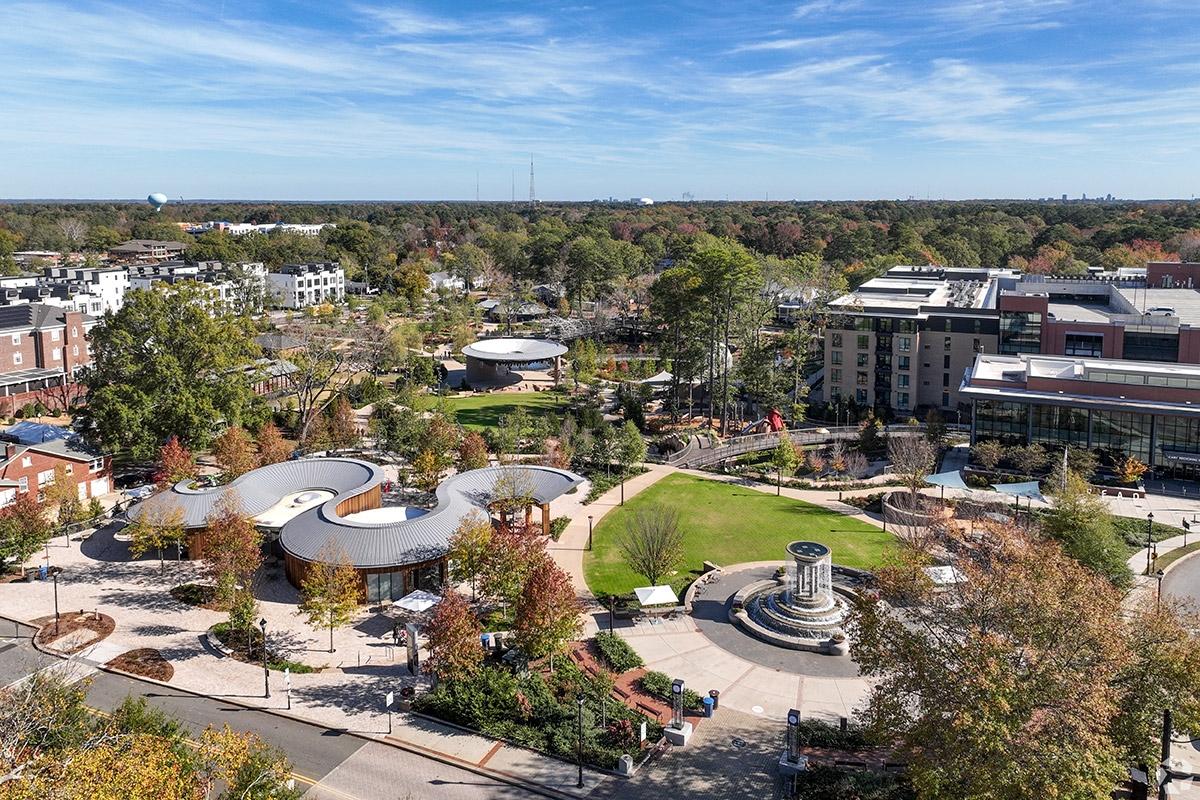
One of the fastest-growing communities, Cary sits between Raleigh and Durham, with major company campuses and headquarters, including SAS Institute, MetLife, and Epic Games, directly in town. The city's connections to 82 miles of greenways, 30-plus public parks, and a lively downtown with the new Downtown Cary Park give residents an active lifestyle right outside calmer streets.
- Why renters love Cary: Proximity to Research Triangle Park employers; a walkable downtown scene with restaurants and breweries; cultural activities and events at the Cary Arts Center and Downtown Cary Park; easy Amtrak access at Cary Station and quick drives via I-40 and NC-540.
- Biggest pro of living in Cary: Renters get a laid-back suburban lifestyle without giving up lively nights out in downtown Cary.
- Biggest consideration: Rents in Cary are among the highest in the Triangle for a suburban market, particularly for larger units.
2. Chapel Hill
|
$1,524/month |
|
|
Population |
60,231 |
|
Renter Mix |
56% Rent |
|
Median Age |
29 Years |
|
Median Household Income |
$81,814 |
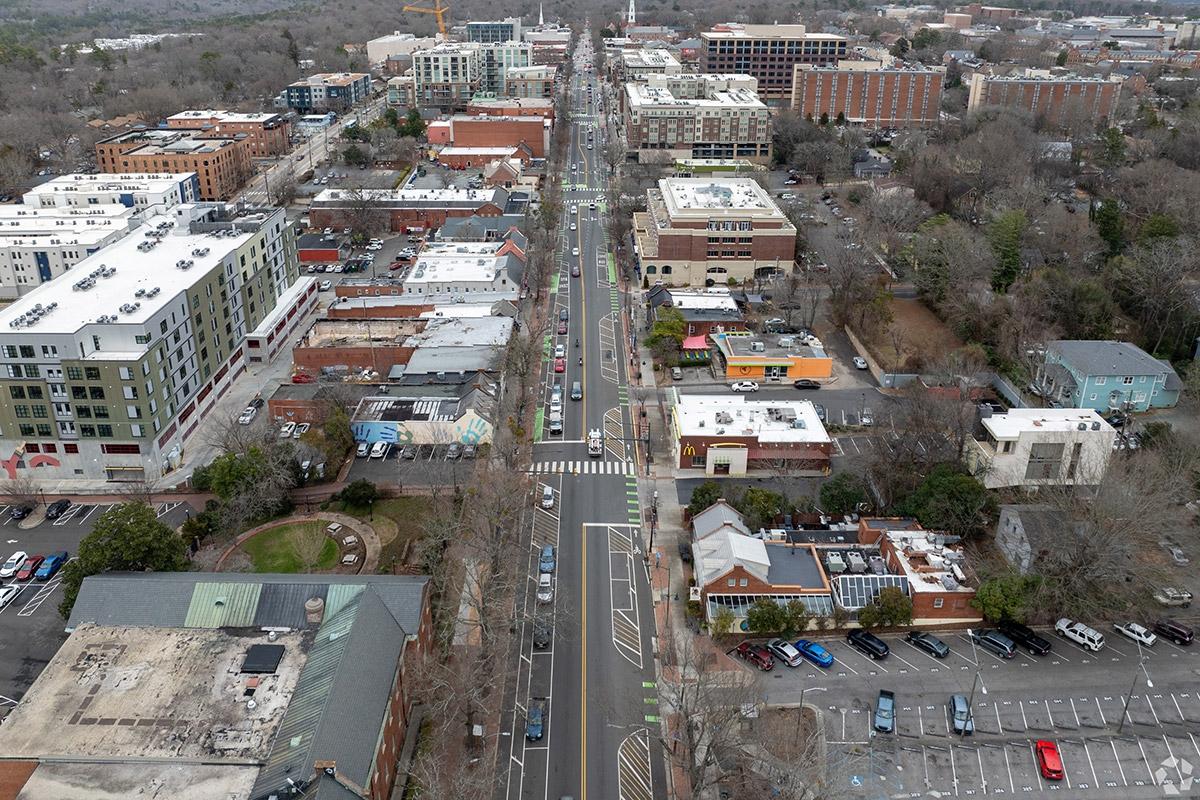
Chapel Hill, home to the University of North Carolina at Chapel Hill, is part of the Research Triangle, a region anchored by three major universities and Research Triangle Park, one of the country’s largest research parks and a hub for well-known tech companies. Franklin Street brings energy to the city, where local restaurants, coffee shops, and music venues create a fun town center. Chapel Hill Transit operates completely fare-free, allowing residents to easily travel.
- Why renters love Chapel Hill: A fare-free bus system; walkable access to the UNC campus; tons of activity on Franklin Street; GoTriangle bus connections to Durham and Research Triangle Park.
- Biggest pro of living in Chapel Hill: A strong college-town atmosphere with cultural attractions, green spaces, and an engaged community centered on Franklin Street that goes well beyond campus.
- Biggest consideration: The activity levels in the town can vary significantly depending on the academic year.
3. Apex
|
$1,455/month |
|
|
Population |
76,043 |
|
Renter Mix |
25% Rent |
|
Median Age |
39 Years |
|
Median Household Income |
$132,684 |
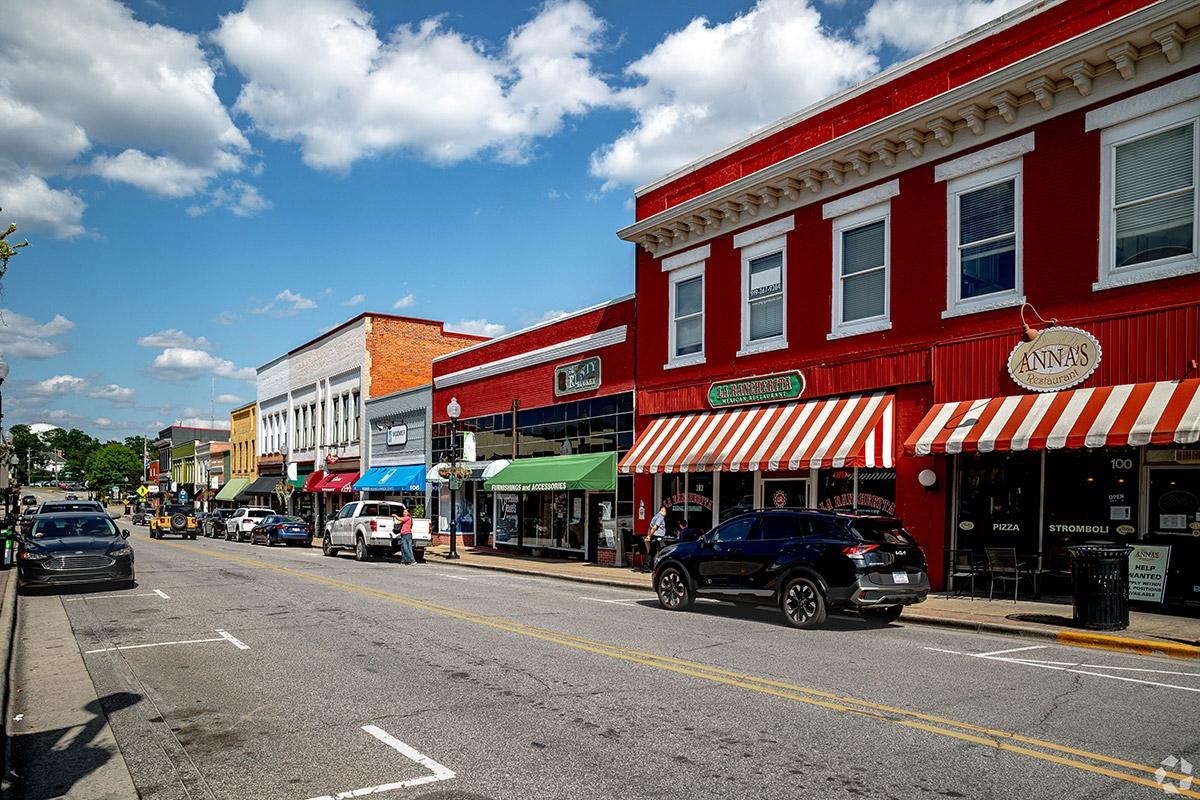
Life in Apex is all about making the most of what the city has to offer. Its historic downtown along Salem Street, anchored by the 1867 Apex Union Depot and the Halle Cultural Arts Center, gives renters a charming main street experience. During holidays and events, the streets become packed as the community comes together for celebrations of food and culture. Though Apex provides a small-town feel, it has quick connections to NC-540 and US-1 that lead to Raleigh and Research Triangle Park.
- Why renters love Apex: A preserved historic downtown with local shops and tons of celebrations; abundant green space at Apex Community Park and Apex Nature Park; easy commutes to Cary, Raleigh, and more.
- Biggest pro of living in Apex: Getting the close-knit community of a small town with access to big city amenities within a short drive.
- Biggest consideration: Apex skews heavily toward homeownership, meaning rental inventory can be limited compared to larger neighboring cities.
4. Morrisville
|
$1,412/month |
|
|
Population |
32,508 |
|
Renter Mix |
56% Rent |
|
Median Age |
36 Years |
|
Median Household Income |
$111,942 |
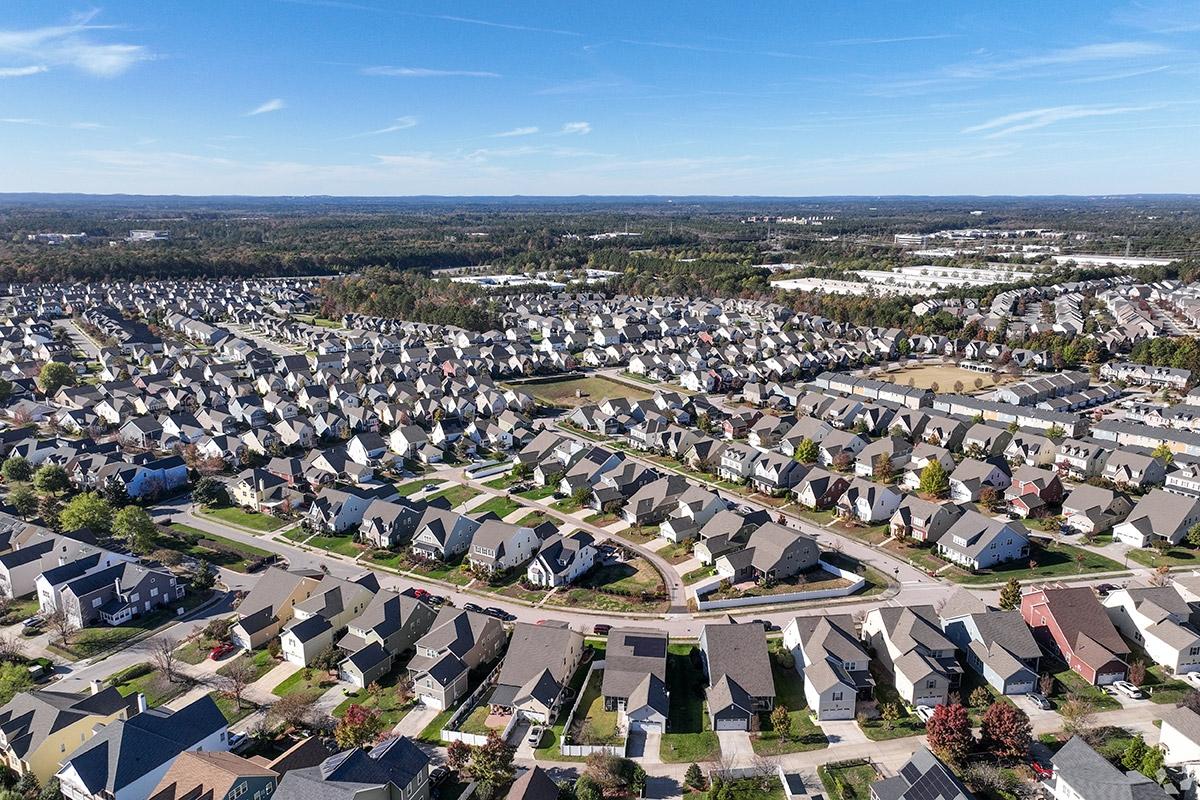
Morrisville occupies one of the most strategically positioned spots in the entire Research Triangle, sitting just five miles from Raleigh-Durham International Airport with direct routes to both Raleigh and Durham via I-40 and NC-540. Research Triangle Park is just a 5-15 minutes’ drive beyond the city’s borders, though many employers have also set up shop in the city, like Lenovo and Oracle. The town centers around an outdoor lifestyle with six parks, multiple community centers, and four greenways that connect to regional trails systems. Often these spots host annual community events and festivals that celebrate the town’s culture.
- Why renters love Morrisville: Unbeatable proximity to RDU Airport; quick commutes to Research Triangle Park; a diverse, community-focused atmosphere with parks and greenways.
- Biggest pro of living in Morrisville: The city’s convenient location makes it a prime spot for commuters who travel around Research Triangle, Durham, and Raleigh.
- Biggest consideration: Morrisville is a smaller town with limited walkable retail and entertainment options compared to Raleigh or Durham.
5. Raleigh
|
$1,386/month |
|
|
Population |
490,799 |
|
Renter Mix |
52% Rent |
|
Median Age |
36 Years |
|
Median Household Income |
$75,944 |
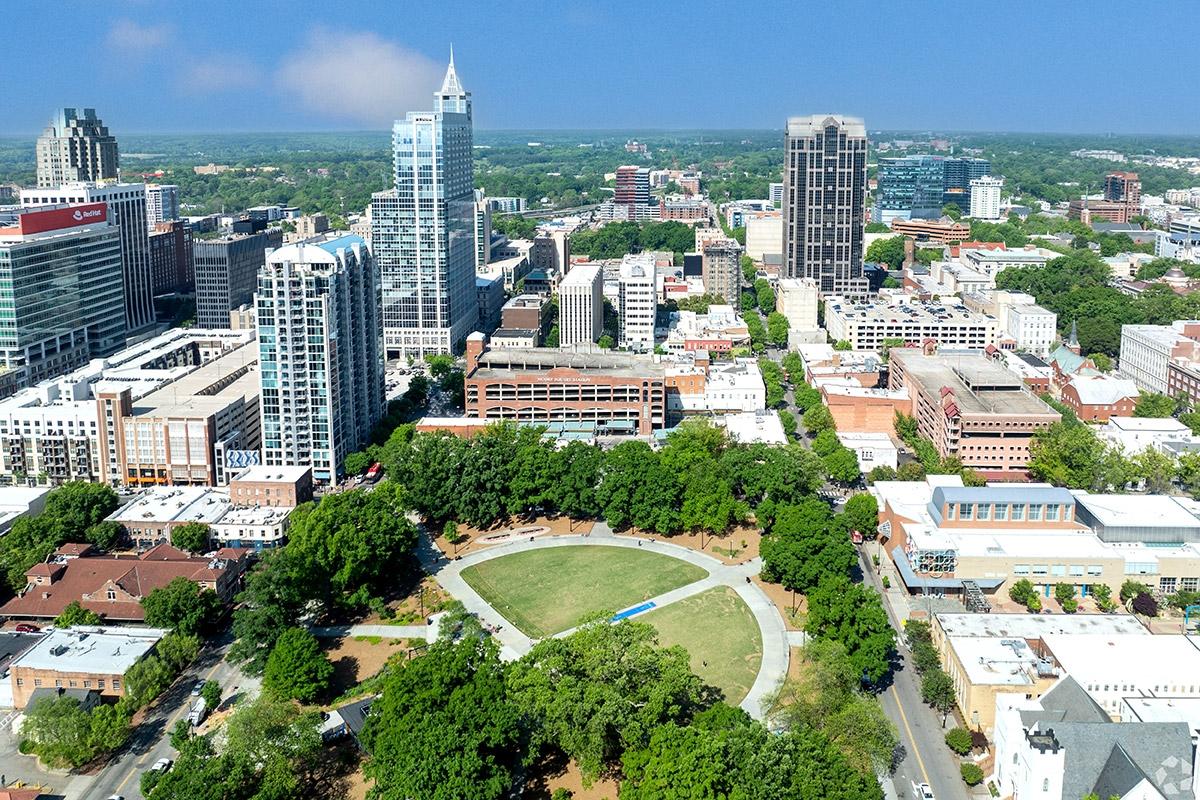
North Carolina's capital of Raleigh is the largest city in the Research Triangle, offering renters opportunities across entertainment, outdoor recreation, and the job market. The city's nickname "Smithsonian of the South" reflects its more than 40 free museums and cultural attractions, in addition to a packed calendar of events and festivals. 100s of miles of trails combine to create a greenway system that runs next to creeks and rivers, connects to museums and venues, circles around lakes, and winds through massive parks.
- Why renters love Raleigh: 40-plus free museums and attractions; a thriving downtown and Warehouse District with restaurants and live music; major economic hub across multiple industries.
- Biggest pro of living in Raleigh: A big-city lifestyle at an affordable price, with abundant job and entertainment opportunities.
- Biggest consideration: Raleigh has seen rapid growth, and traffic congestion during peak hours can make commuting more time-consuming.
6. Durham
|
$1,402/month |
|
|
Population |
297,810 |
|
Renter Mix |
52% Rent |
|
Median Age |
37 Years |
|
Median Household Income |
$70,858 |
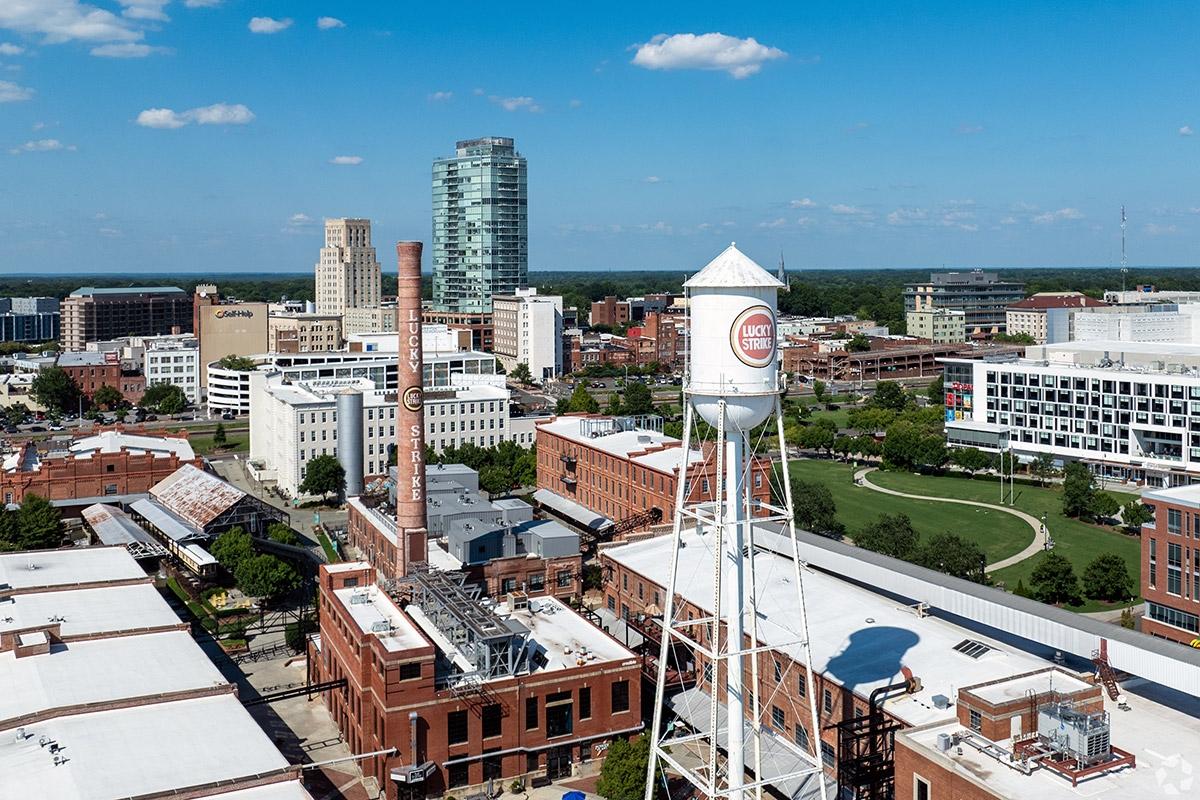
Known as the Bull City, Durham has spent the last two decades transforming former tobacco and textile mills into art galleries, restaurant spaces, co-working lofts, and breweries. As Durham is another key city of the Research Triangle, Duke University creates much of the city's intellectual and cultural energy, while the Durham Performing Arts Center and American Tobacco Campus serve as magnets for nightlife and live events.
- Why renters love Durham: A thriving food and arts scene centered on downtown and the American Tobacco Campus; Eno River State Park and the Museum of Life and Science for weekends outdoors; major academic powerhouse of Duke University.
- Biggest pro of living in Durham: A dynamic mix of startup culture, research institutions, and neighborhood character that few cities its size can match.
- Biggest consideration: Some neighborhoods near Duke and downtown can be pricier than the citywide average suggests.
7. Wilmington
|
$1,386/month |
|
|
Population |
124,018 |
|
Renter Mix |
52% Rent |
|
Median Age |
38 Years |
|
Median Household Income |
$57,873 |
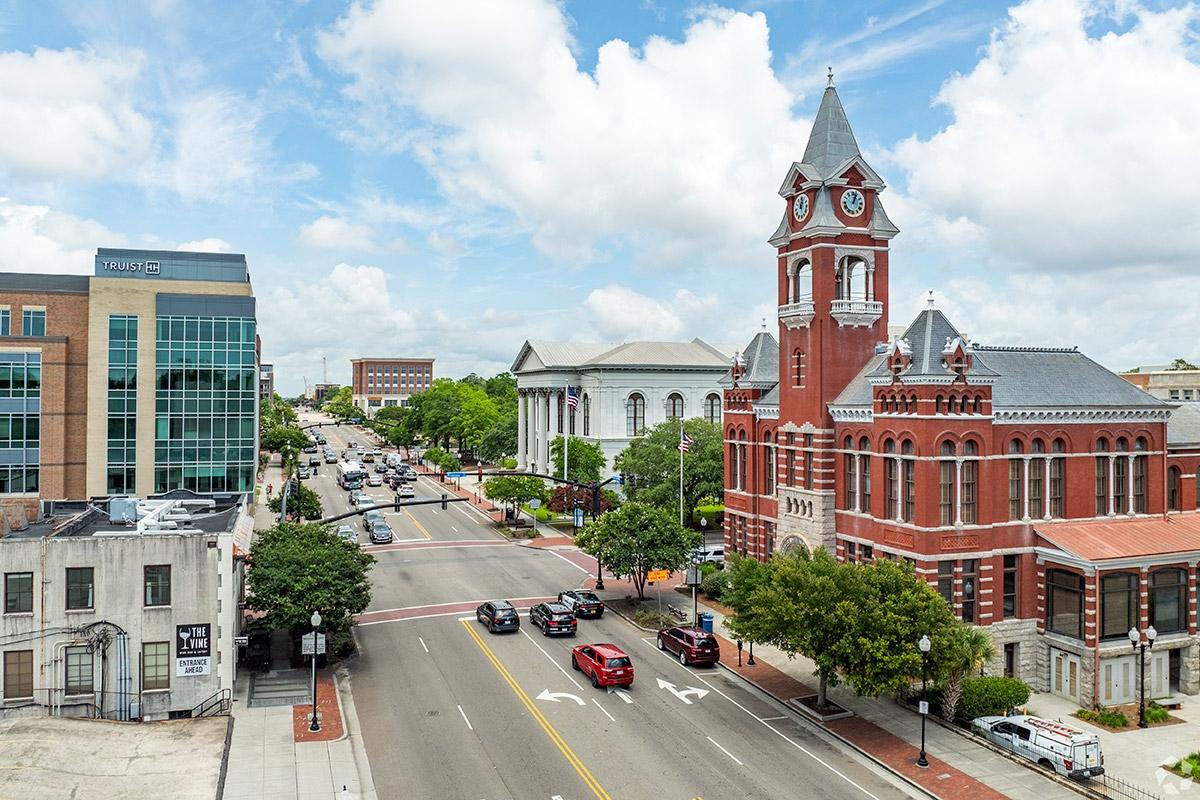
Wilmington provides a coastal lifestyle designed around fun and relaxation due to its location between the Cape Fear River and the Atlantic Ocean. Stroll along the Riverwalk and its waterfront restaurants and galleries before exploring the 230-plus blocks in the historic district, which has iconic buildings next to modern eateries and boutiques. All of this is within a short drive of Wrightsville Beach, known for sandy beaches and Atlantic waters. The University of North Carolina Wilmington diversifies the economic landscape, adding higher education to a base of tourism, fintech, healthcare, and life sciences.
- Why renters love Wilmington: A growing arts and brewery scene in the Brooklyn Arts District and Cargo District; proximity to outdoor recreation at Wrightsville Beach and the Cape Fear River.
- Biggest pro of living in Wilmington: A coastal city lifestyle at an affordable price and the amenities of a bigger city, including the Riverwalk, historic district, and more.
- Biggest consideration: Hurricane season requires renters to plan and prepare accordingly.
8. Charlotte
|
$1,478/month |
|
|
Population |
887,499 |
|
Renter Mix |
51% Rent |
|
Median Age |
36 Years |
|
Median Household Income |
$72,329 |
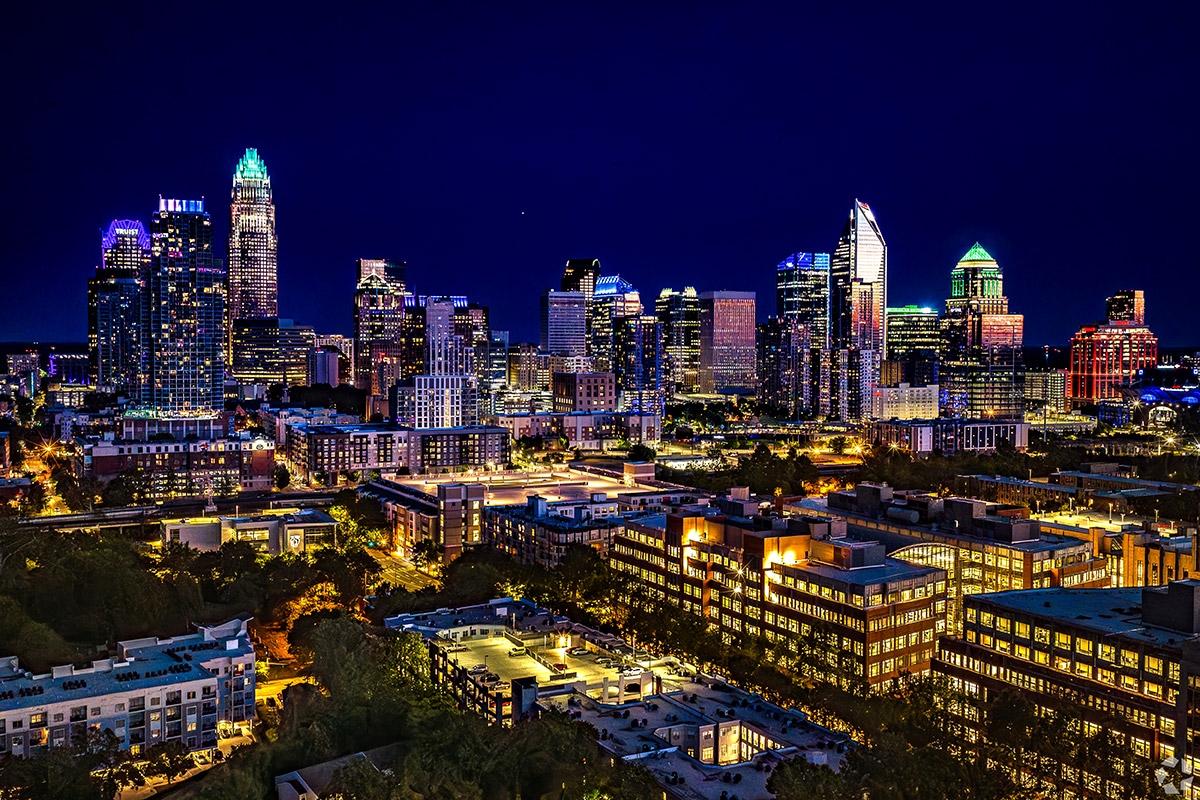
Charlotte is North Carolina's largest city and a major U.S. banking hub, home to Bank of America's headquarters and Wells Fargo's East Coast operations, alongside nine Fortune 500 companies. LYNX lines help connect suburban residents to downtown. Each neighborhood has its own attractions, including a walkable mix of breweries, trail access along the Rail Trail, and a constantly expanding dining scene.
- Why renters love Charlotte: A wide variety of neighborhoods to match different lifestyles; the LYNX for car-free commuting; major entertainment venues including Spectrum Center, Bank of America Stadium, and the NASCAR Hall of Fame; over 52 miles of greenway trails.
- Biggest pro of living in Charlotte: The sheer breadth of job opportunities across banking, healthcare, tech, and corporate sectors, all within one of the South's most dynamic metros.
- Biggest consideration: Charlotte's rapid growth means traffic congestion is an everyday challenge, and renters who live far from the LYNX line will rely heavily on driving.
9. Huntersville
|
$1,506/month |
|
|
Population |
61,852 |
|
Renter Mix |
29% Rent |
|
Median Age |
39 Years |
|
Median Household Income |
$108,361 |
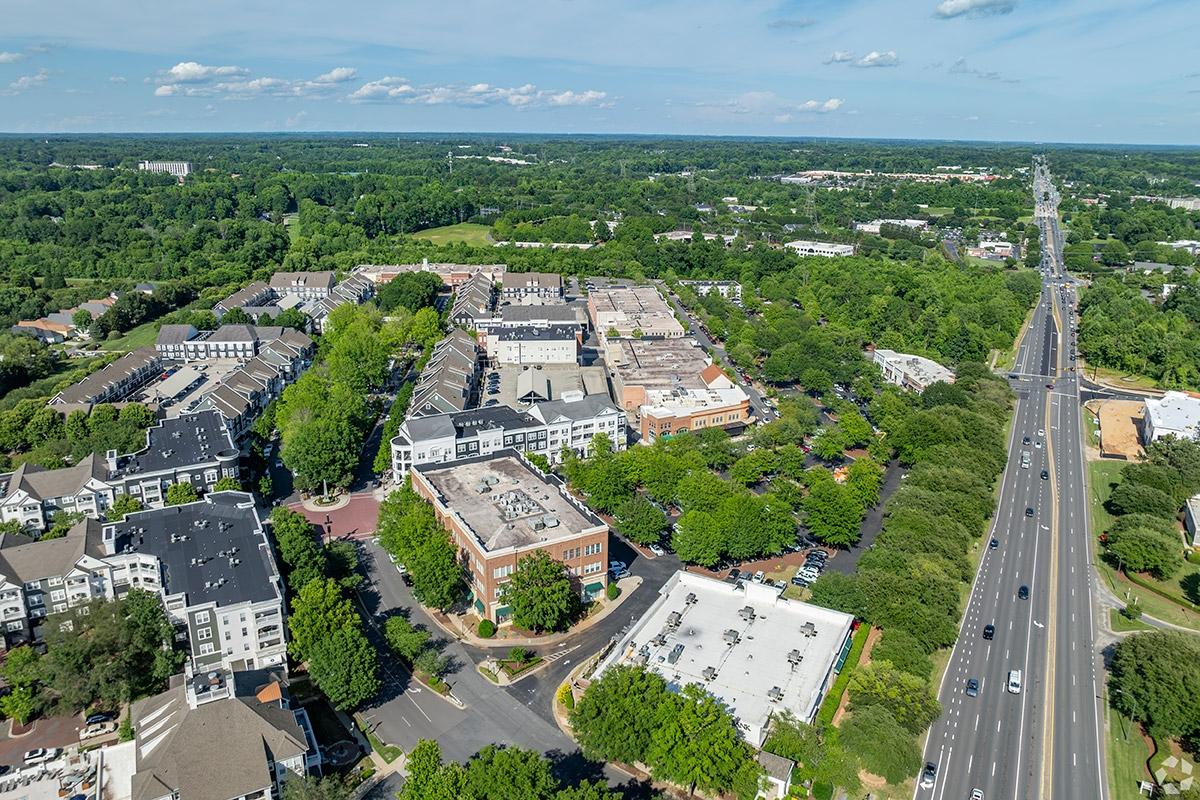
Located 14 miles north of Charlotte, Huntersville is an easygoing suburban city, centered on finding a meeting point between outdoor recreation and urban fun. Birkdale Village serves as the town's walkable core, with shops, restaurants, and regular events. On the natural side, Lake Norman and Mountain Island Lake provide boating and outdoor recreation throughout the year.
- Why renters love Huntersville: Quick I-77 Express Lane access to Charlotte; a walkable Birkdale Village district with dining and retail; outdoor recreation on Lake Norman and at Latta Nature Preserve.
- Biggest pro of living in Huntersville: A suburban setting with excellent Charlotte proximity, and outdoor access that few Charlotte-area communities can rival.
- Biggest consideration: Huntersville has more limited rental options as homeownership is the more common housing option.
10. Asheville
|
$1,442/month |
|
|
Population |
93,883 |
|
Renter Mix |
51% Rent |
|
Median Age |
41 Years |
|
Median Household Income |
$64,339 |
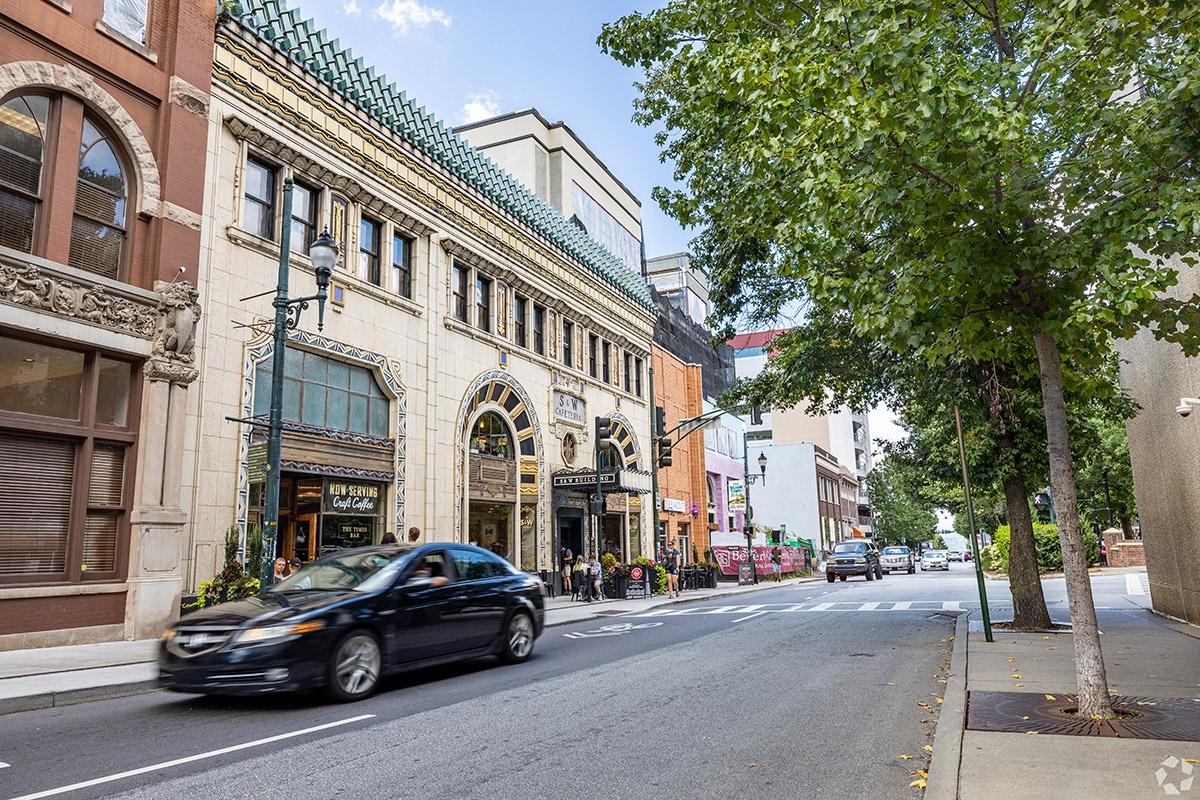
Few cities have combined small-town charm and outdoor access like Asheville, thanks to its position in the Blue Ridge Mountains at the confluence of the French Broad and Swannanoa rivers. Spend a day out hiking or biking and then head into the city to enjoy its well-established arts and food culture. The city holds the distinction of being the first Green Dining Destination in the United States, and its South Slope brewery district, River Arts District, and preserved Art Deco downtown draw renters seeking a city with a local, community focus.
- Why renters love Asheville: The Blue Ridge Parkway and miles of hiking trails right at the city's edge; a flourishing arts scene in the River Arts District and West Asheville; a locally rooted food and brewery culture with constant community events.
- Biggest pro of living in Asheville: A one-of-a-kind mountain city atmosphere where outdoor access, arts, and independent businesses define everyday life.
- Biggest consideration: The city offers fewer corporate job opportunities than larger metros, with only a handful of major employers. However, creative industries play a meaningful role in the local economy.
11. Mooresville
|
$1,334/month |
|
|
Population |
45,754 |
|
Renter Mix |
40% Rent |
|
Median Age |
39 Years |
|
Median Household Income |
$77,196 |
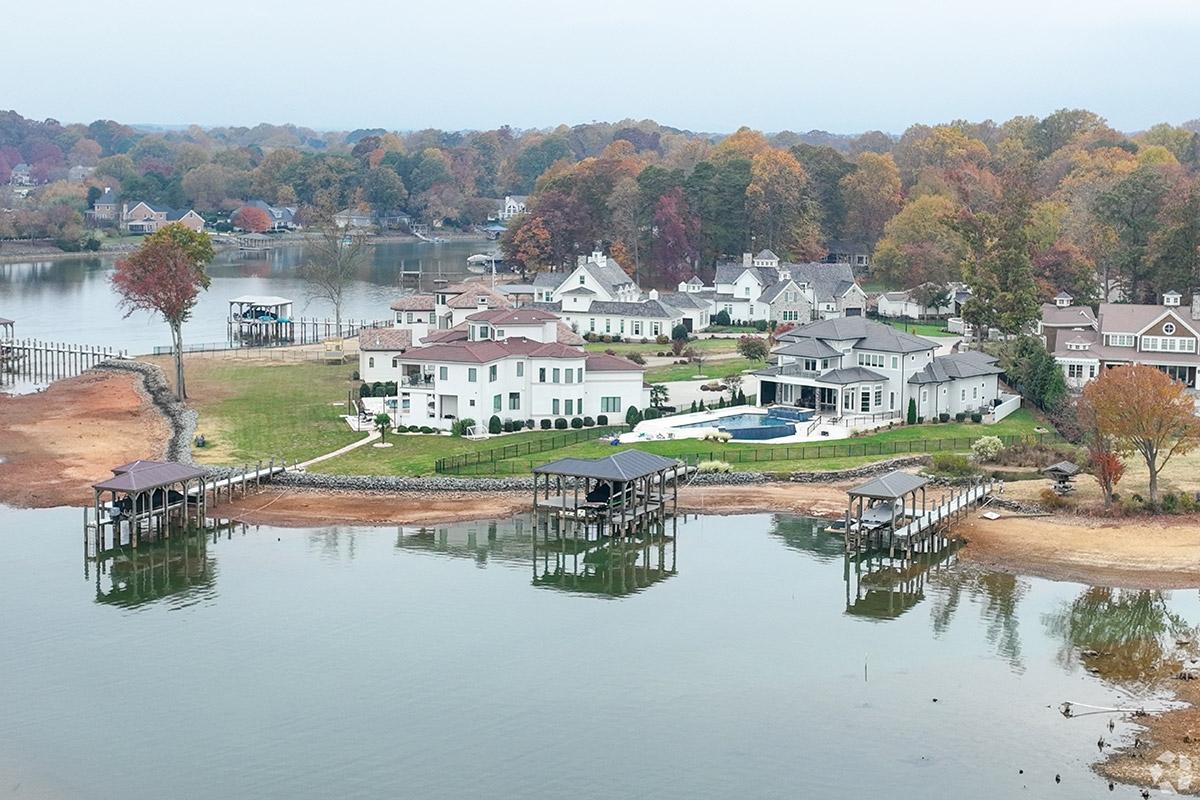
Mooresville is synonymous with racing since more than 60 NASCAR teams and racing-related businesses, including the NASCAR Technical Institute, reside in the city, giving it the nickname of Race City USA. To the north of Lake Norman, the largest man-made lake in North Carolina, the city’s historic downtown gives the area a small-city atmosphere that larger suburban communities often lack. Centered around Main Street, independently-owned boutiques and restaurants have taken up residence in classic, brick buildings.
- Why renters love Mooresville: Lake Norman access for boating and waterfront recreation; a charming historic downtown with community events.
- Biggest pro of living in Mooresville: A distinct identity as Race City USA, with waterfront living and a historic downtown that gives Mooresville more character than a typical Charlotte suburb.
- Biggest consideration: Day-to-day life is car-dependent, and dedicated public transit is limited, so most commutes to Charlotte and surrounding job centers require driving.
12. Concord
|
$1,314/month |
|
|
Population |
110,380 |
|
Renter Mix |
37% Rent |
|
Median Age |
39 Years |
|
Median Household Income |
$83,088 |
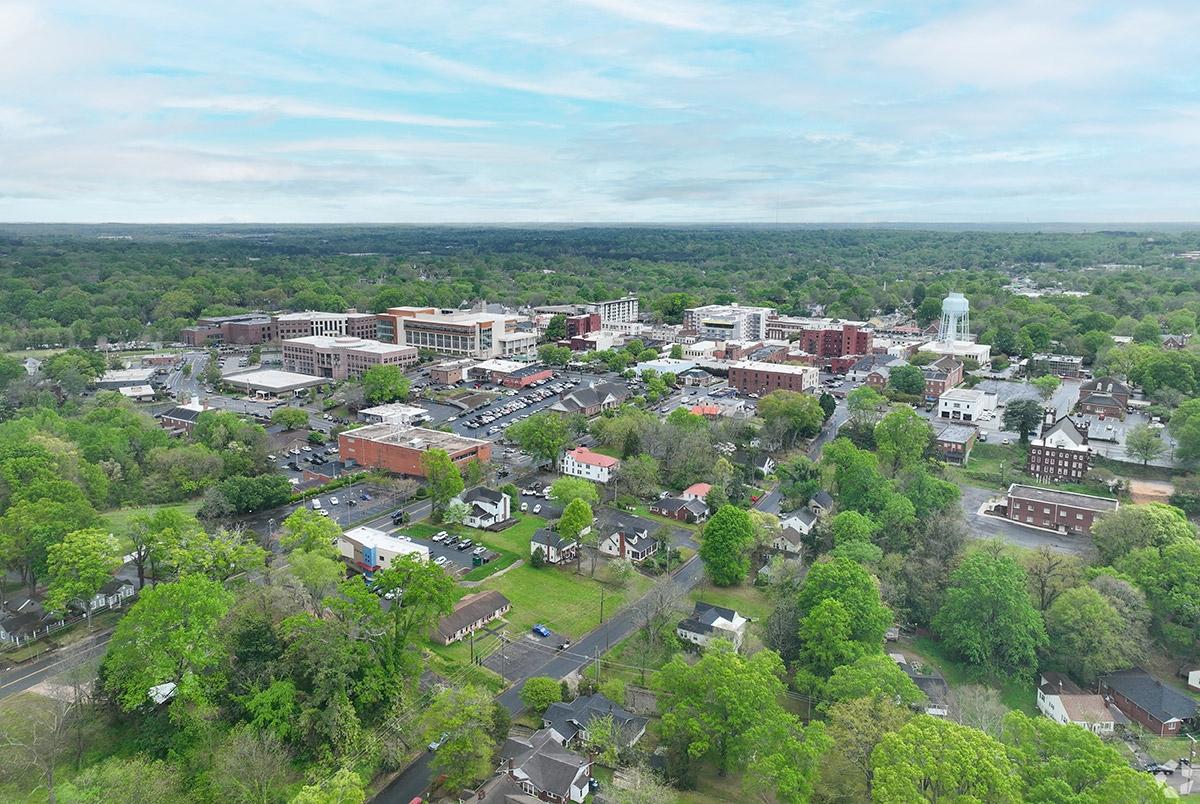
Concord may be just 20 miles northeast of Charlotte, but it is not just a suburban city. It has developed an identity of its own through a motorsports heritage built on NASCAR’s Charlotte Motor Speedway and Concord Mills, and it has a well-preserved and lively historic downtown along North Union Street. Atrium Health Cabarrus, Rowan-Cabarrus Community College, and Concord Mills, one of the largest shopping centers in the Carolinas, give residents both employment options and convenience.
- Why renters love Concord: Affordable rents well below the Charlotte metro average; historic downtown Concord with a year-round farmers market and arts venues; outdoor recreation at Frank Liske Park and Lake Fisher.
- Biggest pro of living in Concord: A growing city with an established economic base and a direct connection to Charlotte's job market via I-85.
- Biggest consideration: Much of life in Concord depends upon cars. While local bus service exists, regional connectivity to Charlotte relies primarily on personal vehicles or a drive to the Kannapolis Amtrak station.
13. Greensboro
|
$1,153/month |
|
|
Population |
295,994 |
|
Renter Mix |
51% Rent |
|
Median Age |
36 Years |
|
Median Household Income |
$54,949 |
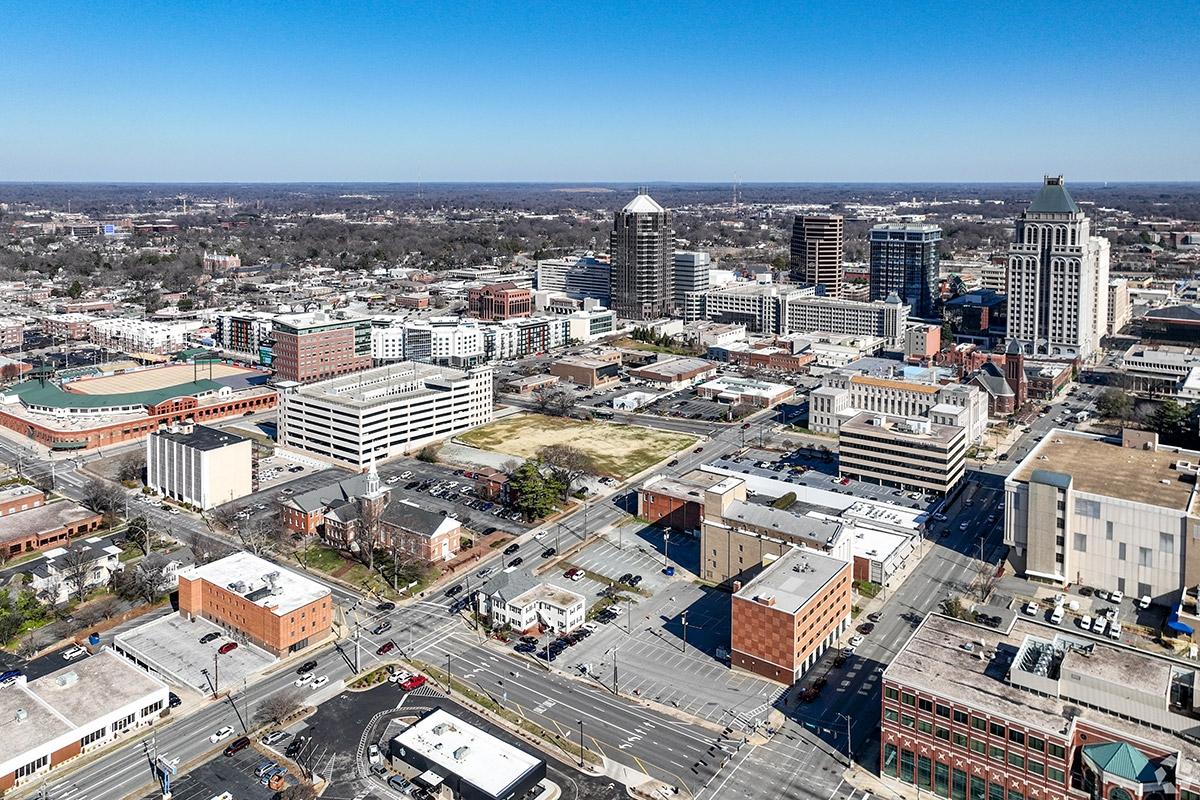
Greensboro has become North Carolina’s third-most populous city as well as the largest city the Piedmont Triad region (consisting of Greensboro, Winston-Salem, and High Point) because of its concentration of universities and steady economy. University of North Carolina Greensboro, North Carolina A&T State University, and Guilford College make up the academics side of the economy, while manufacturing stands out as one of the top industries with plants and headquarters for companies including Toyota, Honda, Volvo, and more. The social scene of the city revolves around Elm Street in Downtown Greensboro, which is lined with local boutiques and restaurants.
- Why renters love Greensboro: One of the most affordable mid-sized cities in the state, with rents well below the state average; the Greensboro Coliseum Complex for major events and concerts; culturally significant attractions including the International Civil Rights Center and Museum; flourishing social nature of the city on Elm Street.
- Biggest pro of living in Greensboro: An affordable cost of living in a sizable city that has consistent economic activity and an always bustling social district.
- Biggest consideration: Greensboro is still growing, so while it has a good selection of entertainment and professional opportunities, it isn’t yet as expansive as other metros.
14. Winston-Salem
|
$1,122/month |
|
|
Population |
257,957 |
|
Renter Mix |
48% Rent |
|
Median Age |
37 Years |
|
Median Household Income |
$53,811 |
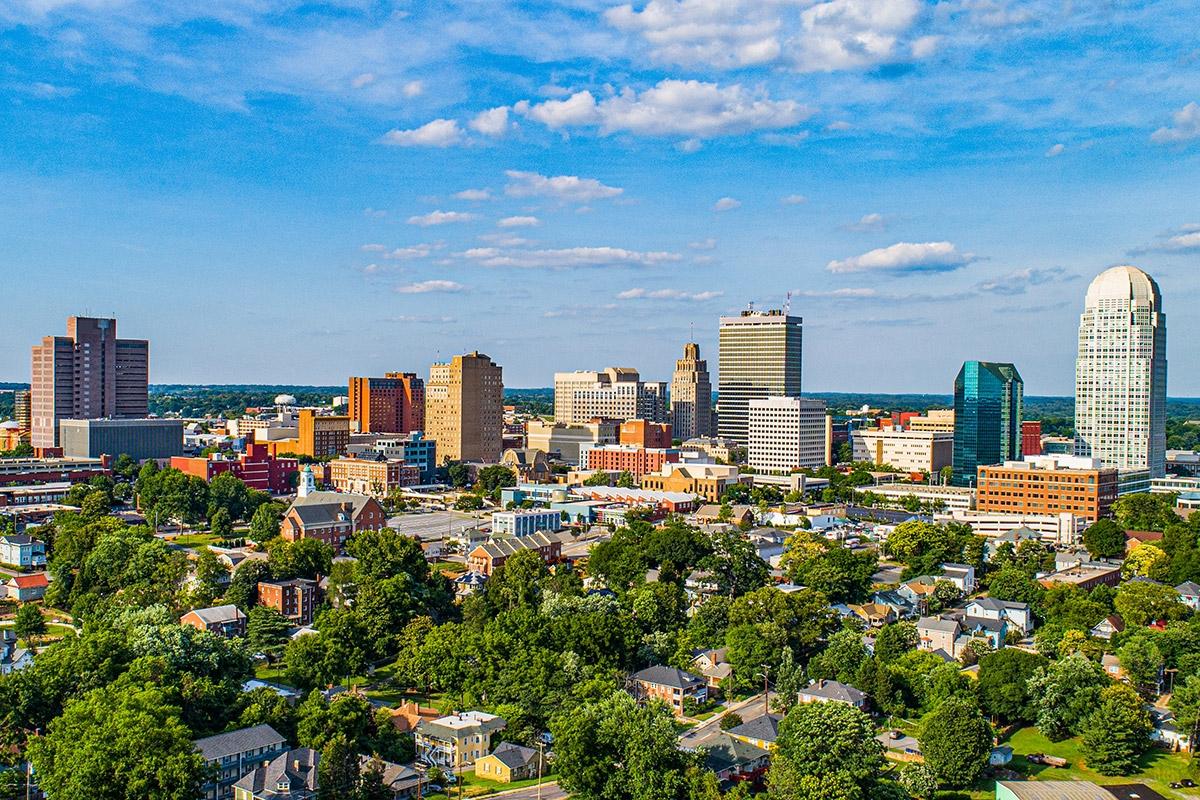
Winston-Salem has become the City of Arts and Innovation through a combination of the Innovation Quarter, a technology and biomedical research hub built inside former tobacco warehouses, along with highly-ranked universities, corporate offices, and local creatives. Wake University is one of the driving forces behind the city’s biotech industry, while the University of North Carolina School of the Arts fuels the art scene. This love for art is front and center in downtown, where art galleries, trendy eateries, and performance venues are frequently filled with people.
- Why renters love Winston-Salem: green spaces at Salem Lake and other parks, trails, and gardens; numerous employers, research institutions, and universities; activities and events in downtown on Fourth Street and in Industry Hill.
- Biggest pro of living in Winston-Salem: A growing biomedical and tech economy through the Innovation Quarter, and an arts and cultural scene that is distinctly local.
- Biggest consideration: While Winston-Salem has walkable pockets, daily life is much easier with a car in most parts of the city.
15. Greenville
|
$982/month |
|
|
Population |
97,323 |
|
Renter Mix |
64% Rent |
|
Median Age |
31 Years |
|
Median Household Income |
$41,438 |
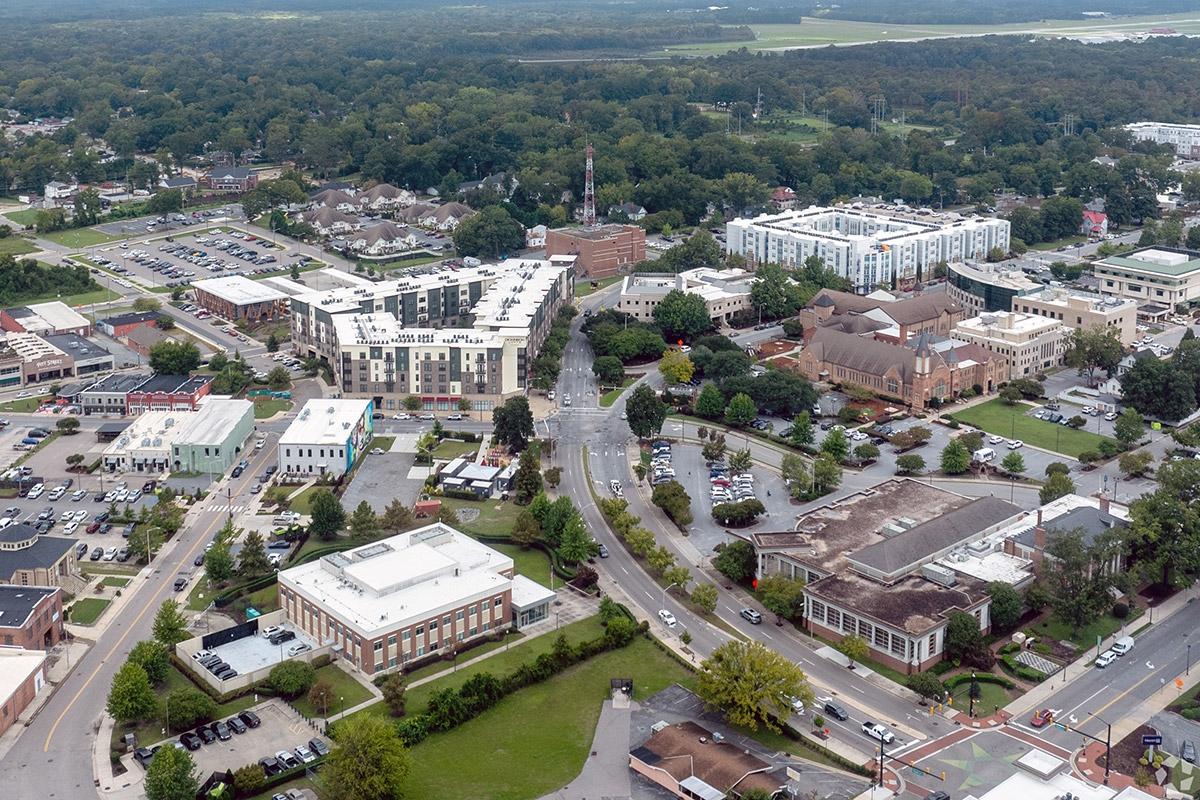
Greenville is eastern North Carolina's educational and medical hub, built on East Carolina University and ECU Health Medical Center. Uptown Greenville is right on the Tar River and acts as the artistic and social heart of the city with locally-owned eateries, bars, art galleries, and museums. Weekly and monthly events keep the community out and about, in addition to being active on the expanding greenway system.
- Why renters love Greenville: Among the most affordable rents in North Carolina; a flourishing arts and dining district; steady employment options in healthcare and education with ECU and ECU Health Medical Center.
- Biggest pro of living in Greenville: The lowest average rents on this list at $975/month.
- Biggest consideration: The city's economy relies heavily on the university and healthcare sectors.
16. Garner
|
$1,298/month |
|
|
Population |
37,916 |
|
Renter Mix |
39% Rent |
|
Median Age |
40 Years |
|
Median Household Income |
$73,547 |
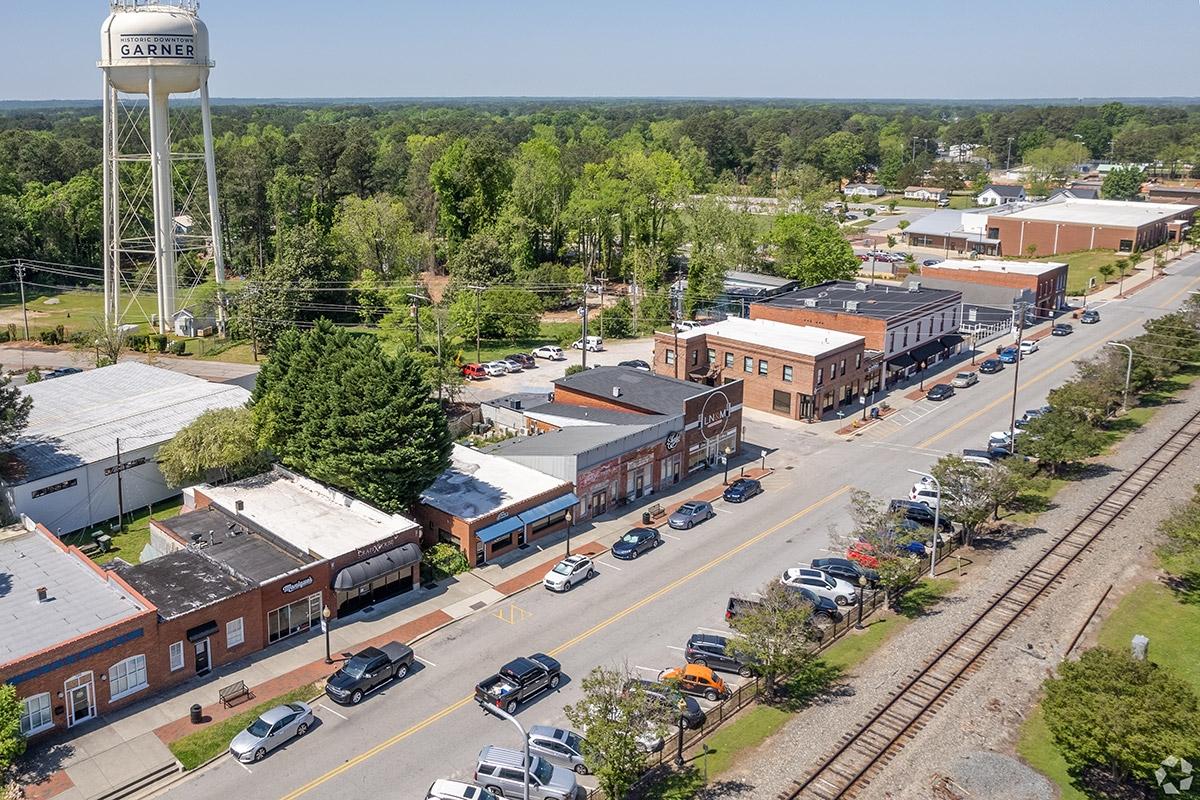
Right outside of the Beltline that surrounds Raleigh, Garner is a welcoming city that gives renters quick access to downtown Raleigh in 10 to 15 minutes and Research Triangle Park in about 25 to 35 minutes. Main Street has a few local businesses and restaurants, with shopping centers, like White Oak Crossing and Garner Towne Square, holding the rest of the city’s retail options. Numerous neighborhood parks fill the landscape, though the most popular outdoor spot is Lake Benson Park's 64 acres of trails and recreational space that connect to the 96-acre White Deer Park Nature Center.
- Why renters love Garner: nature built into everyday routines, thanks to neighborhood parks and trails; large swaths of green space at Lake Benson Park and White Deer Park Nature Center; growing retail and dining options at White Oak Crossing and on Main Street.
- Biggest pro of living in Garner: A slower suburban lifestyle, without having to travel far for shopping and dining.
- Biggest consideration: Garner is a smaller town with fewer walkable entertainment options of its own, so residents tend to rely on trips into Raleigh for most dining and nightlife.
17. Burlington
|
$1,169/month |
|
|
Population |
62,953 |
|
Renter Mix |
46% Rent |
|
Median Age |
39 Years |
|
Median Household Income |
$52,479 |
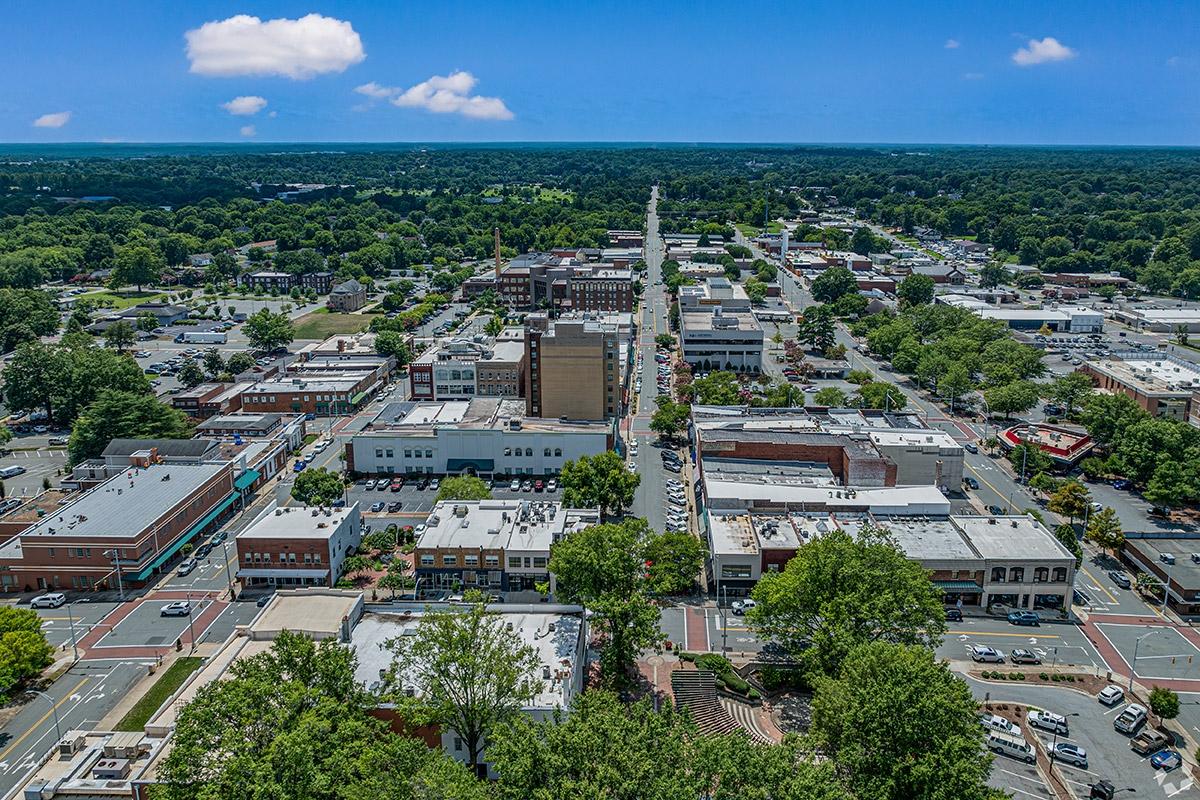
Positioned between Greensboro and Raleigh along I-40/I-85, Burlington may be a smaller city, but it has become a hotspot for businesses. Labcorp, one of the world's largest clinical laboratory companies, is headquartered here, as well as the manufacturer Honda Aero; Elon University lies just west of the city. The restored Paramount Theater, historic downtown, and brick-covered streets and buildings combine to give the city a classic charm rooted in a close-knit community.
- Why renters love Burlington: A small-town lifestyle with a long-standing art scene, convenient I-40/I-85 and Amtrak access to both Greensboro and Durham; the activity in the city is centered in the well-maintained historic downtown; outdoor fun is primarily found along the Haw River and around Lake Mackintosh.
- Biggest pro of living in Burlington: Slower pace of life with a central location that keeps both the Triad and Triangle within a reasonable commute.
- Biggest consideration: The local job market, while anchored by Labcorp and Elon University, is more limited than nearby larger metros.
18. High Point
|
$1,108/month |
|
|
Population |
113,851 |
|
Renter Mix |
45% Rent |
|
Median Age |
38 Years |
|
Median Household Income |
$57,318 |
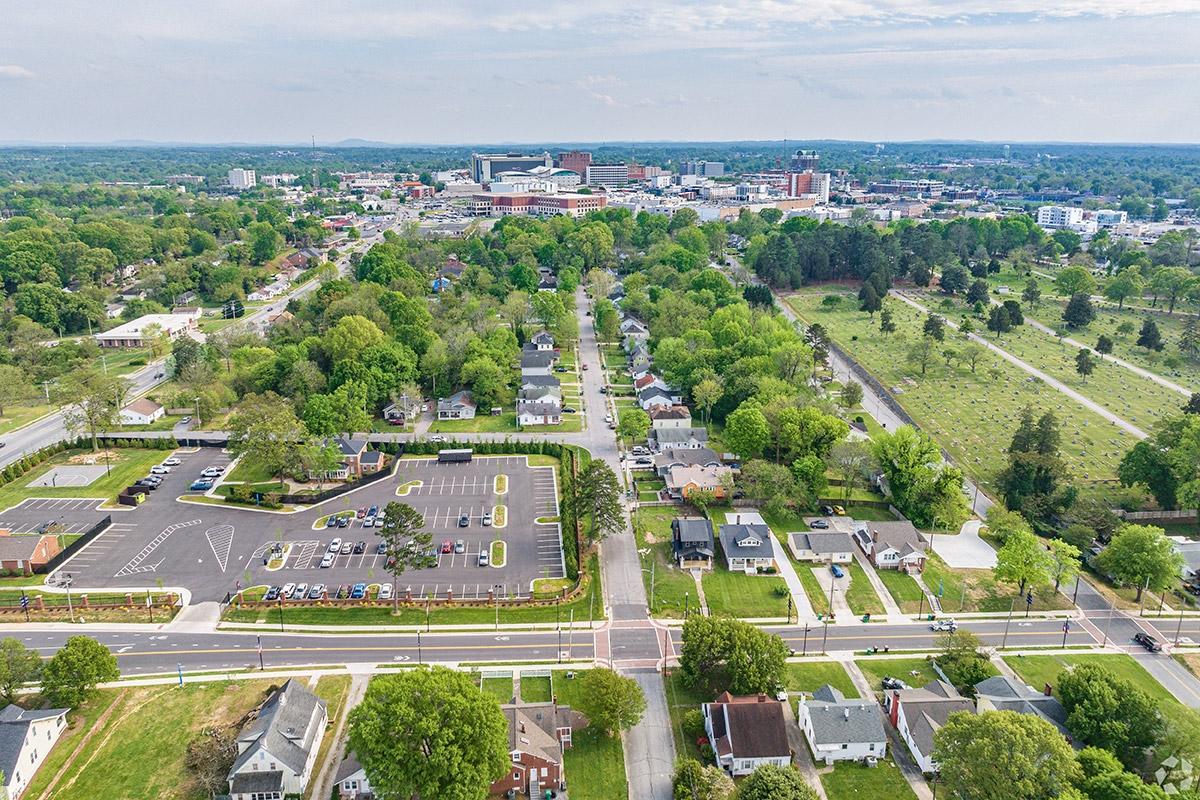
High Point hosts the world's largest home furnishings trade show twice a year, drawing exhibitors and buyers to a city that is otherwise a quiet, mid-sized community in the Piedmont Triad. High Point University's expanding campus adds an educational focal point to the city, while High Point City Lake Park, home to North Carolina's largest outdoor swimming pool, and the Piedmont Environmental Center's 375 acres of trails give residents genuine green space. Amtrak service through the restored historic station connects renters to the rest of North Carolina.
- Why renters love High Point: Amtrak station for regional travel; outdoor recreation at City Lake Park and the Piedmont Environmental Center; manageable drives to Greensboro, Winston-Salem, and PTI Airport; restaurants and shops spread throughout the city.
- Biggest pro of living in High Point: A more affordable city that still has good access to the larger cities in the Piedmont Triad region.
- Biggest consideration: Since High Point is a major manufacturing and furnishing city, trade events and shows can make the city much more active during certain times.
19. Gastonia
|
$1,179/month |
|
|
Population |
82,153 |
|
Renter Mix |
46% Rent |
|
Median Age |
39 Years |
|
Median Household Income |
$49,731 |
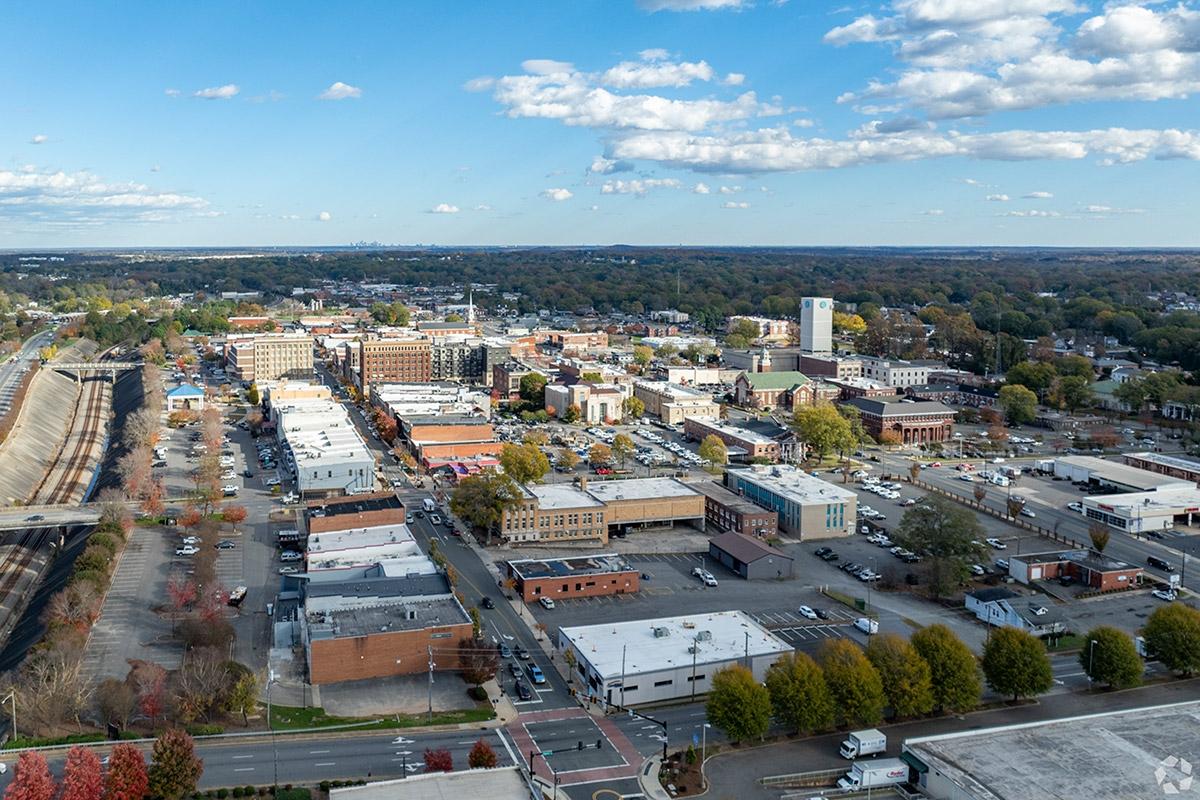
Gastonia may be well-known for being a Charlotte satellite city, but it has become an attractive city to renters because of its dedication to a strong local character and a focus on restoration, improvements, and new developments. The city's Franklin Urban Sports and Entertainment (FUSE) District has brought new energy to downtown, alongside the longstanding businesses on Main Avenue. The existing greenway system is being expanded to offer even more green space and pathways closer to the city center.
- Why renters love Gastonia: Commutes to Charlotte of roughly 25 to 30 minutes via I-85; Crowders Mountain State Park and Rankin Lake Park for outdoor recreation; Gastonia Amtrak service on the Crescent line.
- Biggest pro of living in Gastonia: Gastonia keeps things affordable, even as close as it is to Charlotte.
- Biggest consideration: Public transit is quite limited in Gastonia, so most travel requires a vehicle.
20. Fayetteville
|
$1,097/month |
|
|
Population |
204,640 |
|
Renter Mix |
54% Rent |
|
Median Age |
33 Years |
|
Median Household Income |
$51,837 |
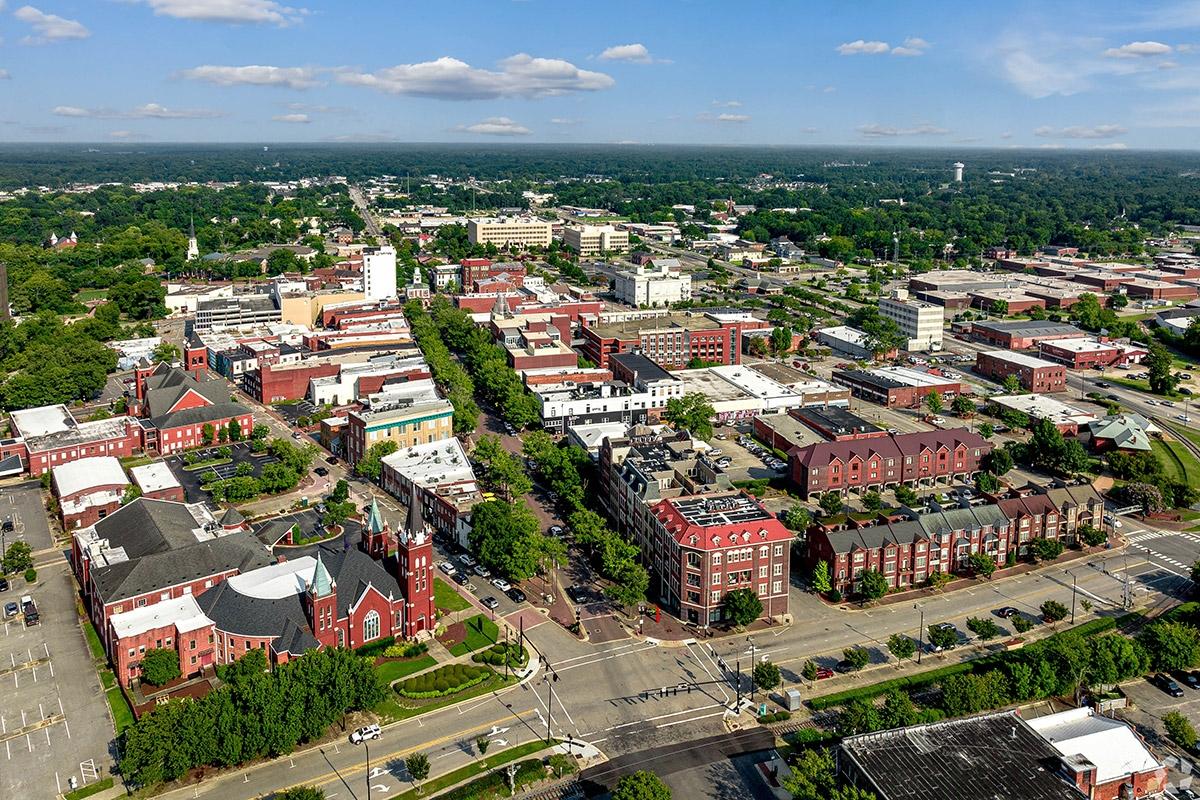
Fayetteville is North Carolina's fourth-largest city and sits along the Cape Fear River with an identity shaped by Fort Liberty, one of the largest U.S. Army installations in the country. The city shows a real commitment to its residents and community through renovations and maintenance of landmarks, museums, and key corridors. Downtown Fayetteville displays the city’s history through brick streets and buildings filled with a walkable strip of businesses and restaurants, while Cross Creek Mall features national retailers. The Cape Fear River and connected creeks and lakes supports a number of trails and parks throughout the city.
- Why renters love Fayetteville: Fayetteville Amtrak station service on the Carolinian and Palmetto lines; a walkable historic downtown near the Market House and Hay Street dining corridor; tons of parks and trails along rivers and lakes.
- Biggest pro of living in Fayetteville: A surprisingly active downtown with sports, arts, and community events, alongside plenty of outdoor recreation.
- Biggest consideration: Most of the city is car-dependent, and residents without ties to Fort Liberty or the healthcare sector may find the local job market more limited than in North Carolina's larger metros.
Overview of the 20 Best Places to Live in North Carolina
|
City |
Average Rent |
Population |
Renter Mix |
Median Age |
Median Household Income |
|
Cary |
$1,457/month |
181,195 |
36% Rent |
41 Years |
$121,486 |
|
Chapel Hill |
$1,524/month |
60,231 |
56% Rent |
29 Years |
$81,814 |
|
Apex |
$1,455/month |
76,043 |
25% Rent |
39 Years |
$132,684 |
|
Morrisville |
$1,412/month |
32,508 |
56% Rent |
36 Years |
$111,942 |
|
Raleigh |
$1,386/month |
490,799 |
52% Rent |
36 Years |
$75,944 |
|
Durham |
$1,402/month |
297,810 |
52% Rent |
37 Years |
$70,858 |
|
Wilmington |
$1,386/month |
124,018 |
52% Rent |
38 Years |
$57,873 |
|
Charlotte |
$1,478/month |
887,499 |
51% Rent |
36 Years |
$72,329 |
|
Huntersville |
$1,506/month |
61,852 |
29% Rent |
39 Years |
$108,361 |
|
Asheville |
$1,442/month |
93,883 |
51% Rent |
41 Years |
$64,339 |
|
Mooresville |
$1,334/month |
45,754 |
40% Rent |
39 Years |
$77,196 |
|
Concord |
$1,314/month |
110,380 |
37% Rent |
39 Years |
$83,088 |
|
Greensboro |
$1,153/month |
295,994 |
51% Rent |
36 Years |
$54,949 |
|
Winston-Salem |
$1,122/month |
257,957 |
48% Rent |
37 Years |
$53,811 |
|
Greenville |
$982/month |
97,323 |
64% Rent |
31 Years |
$41,438 |
|
Garner |
$1,298/month |
37,916 |
39% Rent |
40 Years |
$73,547 |
|
Burlington |
$1,169/month |
62,953 |
46% Rent |
39 Years |
$52,479 |
|
High Point |
$1,108/month |
113,851 |
45% Rent |
38 Years |
$57,318 |
|
Gastonia |
$1,179/month |
82,153 |
46% Rent |
39 Years |
$49,731 |
|
Fayetteville |
$1,097/month |
204,640 |
54% Rent |
33 Years |
$51,837 |
Find Your Perfect Home in North Carolina with Apartments.com
Whether you're dreaming of the never-ending energy of Charlotte, the quirky charm of Asheville, or the Research Triangle's booming tech scene, North Carolina has something for everyone. Apartments.com makes finding the right rental fit in the Tar Heel State easier than ever.
With millions of listings across the state, Apartments.com lets you filter by price, neighborhood, pet policies, amenities, and more, so you can zero in on exactly what you're looking for without the endless scrolling. Looking for a trendy apartment in Raleigh's Warehouse District? A cozy rental near Wilmington's beaches? A budget-friendly unit close to Durham's dining scene? It's all right at your fingertips.
Don't settle for just any place, find the place that feels like home. Start your North Carolina search today at Apartments.com.
Methodology
All rent data is provided by Apartments.com as of June 2026 while demographic data is sourced from Apartments.com local guides.
FAQs
What’s the most affordable place to live in North Carolina?
The most affordable place to live in North Carolina is Rocky Mount, which has an average rent of $965/month. The next two cheapest cities are Greenville and High Point with average rents of $975/month and $1,112/month, respectively.
Is moving to North Carolina a good idea?
Moving to North Carolina can be a good idea if you’re looking for scenic outdoor spaces, growing job markets, four-season weather, and a mix of city, mountain, and coastal living. From larger metros like Charlotte and Raleigh to smaller college towns and beach communities, the state offers a wide range of lifestyles and rental options.


