Is North Carolina a Good Place to Live?
Thinking about moving to North Carolina? Learn about the cost of living, average rent, weather, job market, and the best places to live in North Carolina for renters.




Avg Rent
$1,103
Population
204,640
Renter Mix
54% Rent
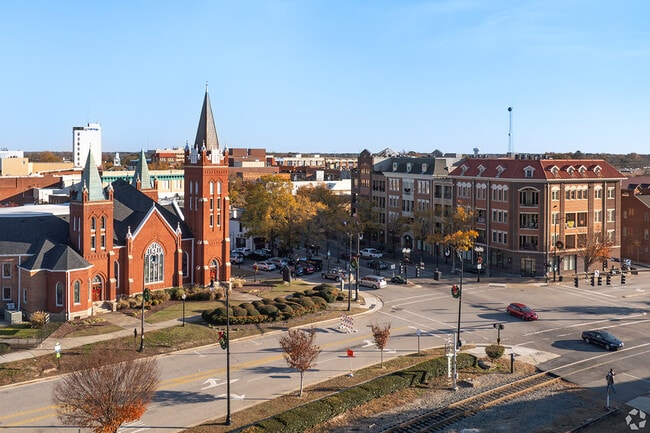
Fayetteville sits along the Cape Fear River as one of North Carolina's largest cities, shaped in large part by its deep connection to Fort Liberty, the massive U.S. Army installation that anchors the local economy and gives the city a pulse unlike most places its size. That military presence fuels a steady demand for housing, healthcare, and retail, while Fayetteville Regional Airport and the All American Freeway keep the city well-connected to the broader region. Fayetteville has earned the All-America City Award from the National Civic League four times, a distinction that reflects genuine civic investment rather than just a slogan.
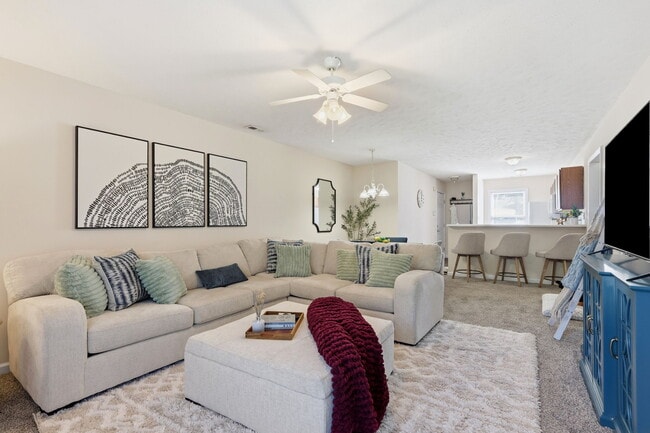
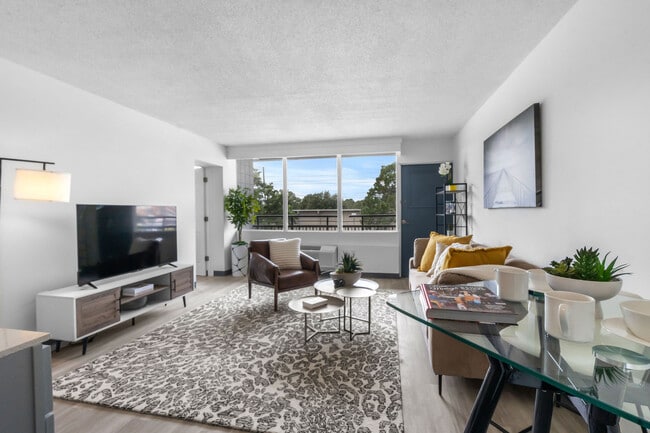
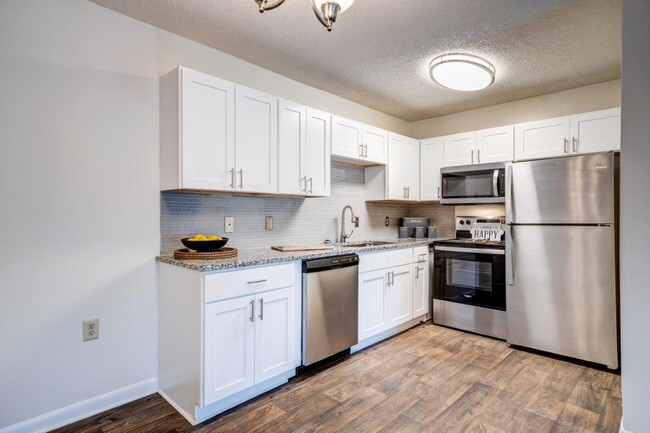
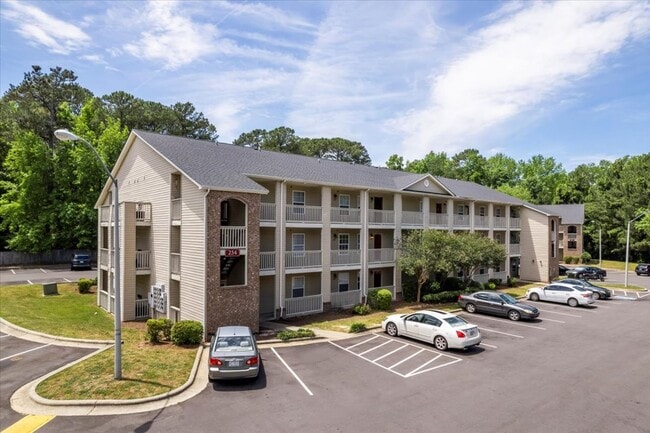
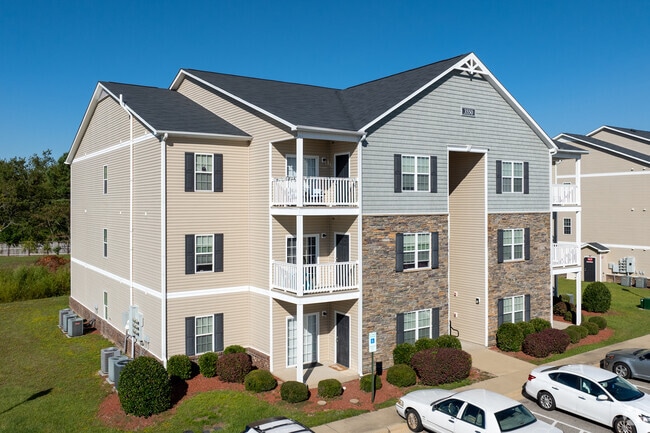
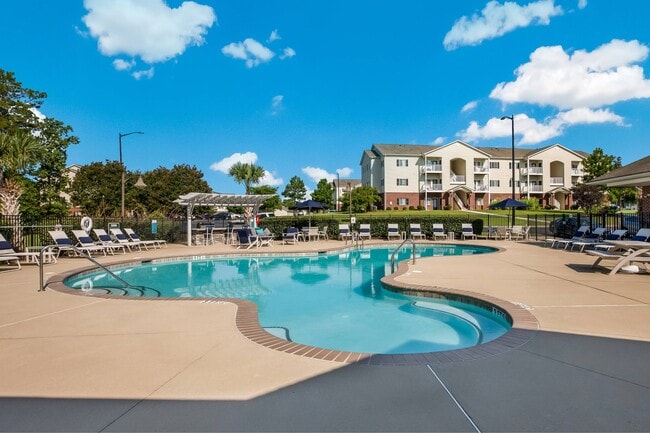
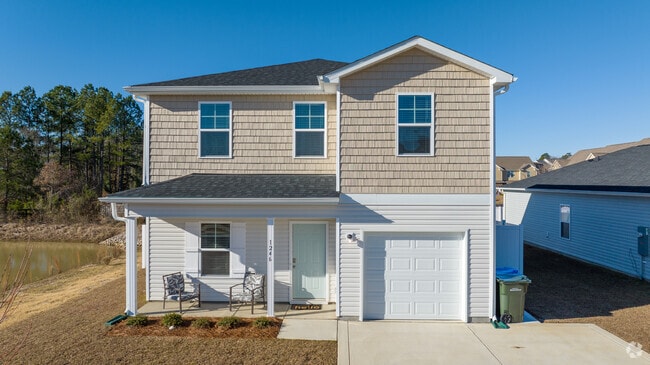
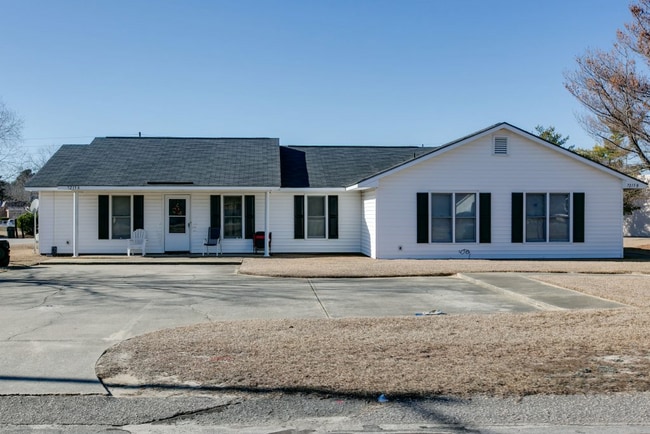
Neighborhoods here run the full spectrum. Haymount draws renters with its tree-lined historic streets and classic architecture, while Downtown offers a more walkable, urban setting near the Airborne and Special Operations Museum and Segra Stadium. Terry Sanford sits closer to Cape Fear Valley Medical Center, and Westover provides a quieter, more spread-out feel. Fayetteville University and Methodist University both call this city home, adding an educational layer to its identity. The rental landscape reflects that variety, with apartment communities ranging from garden-style units to townhomes and newer mid-rise buildings, giving renters real options whether they want city-center convenience or a residential-street setting.
Fish along Cape Fear River, nearby Downtown Fayetteville.
Fayetteville State University in Terry Sanford has a large campus and several courses of study.
Wide sidewalks line Downtown Hay Street, making it easy to walk to shops and restaurants.
Cross Creek features specialty shops and well-known department staples like H&M and Macy’s.
The U.S. Army Airborne & Special Operations Forces Museum, covers history rom 1940 to today.
Passengers wait on shaded benches at the Fayetteville Amtrak station depot, built in 1911.
Median Household Income
$51,837
Average: $66,965
Education
46,086
Residents Have a Degree
Job Market
79,698
Workers Employed
Median Age
33 Years
Largest Age Group
25-34 Years
Approximately 19% of Residents
Under 20
27%
Over 65
14%
Housing Distribution
Fayetteville has more renters than homeowners.

Education Distribution
Review this city's overall education levels.

As of July 2026, the average apartment rent in Fayetteville, NC is $869 for a studio, $1,103 for one bedroom, $1,245 for two bedrooms, and $1,570 for three bedrooms. Apartment rent in Fayetteville has increased by 0.6% in the past year.
The cost of living in Fayetteville, NC is 7.7% lower than the national average. Generally, housing in Fayetteville is 29.0% less expensive than the national average, with rent falling between $869 - $1,570. You can expect to pay 4.0% less for groceries, 9.0% less for utilities, and 6.3% less for transportation.
Compare Cities

Is North Carolina a Good Place to Live?
Thinking about moving to North Carolina? Learn about the cost of living, average rent, weather, job market, and the best places to live in North Carolina for renters.

How to Get Apartment Cosmetic Changes Approved
Want to paint or add shelving? Learn how to ask your landlord without risking your deposit.

9 Money Saving Tips for Relocating
Relocating doesn’t have to wreck your budget. These 9 tips show where the real savings hide.
Explore how walkable, bikeable, drivable, and transit-friendly Fayetteville, NC is for everyday living.
Fairly Walkable
Walkability
Exceptionally Drivable
Drivability
Fairly Bikeable
Bikeability

Public
Grades K-5
600 Students

Public
Grades K-5
469 Students
Public
Grades K-5
834 Students

E Melvin Honeycutt Elementary School
Public
Grades K-5
830 Students
Public
Grades PK-5
259 Students
Seventy-First Classical Middle
Public
Grades 6-8
430 Students

Public
Grades 6-8
1,025 Students
Public
Grades 6-8
293 Students
Public
Grades 6-8
226 Students
New Century International Middle
Public
Grades 6-8
391 Students
Cumberland Polytechnic High School
Public
Grades 9-12
289 Students
Cumberland International Early College High School
Public
Grades 9-12
269 Students
Public
Grades 9-12
246 Students
Public
Grades 9-12
264 Students
Public
Grades 9-12
1,890 Students
 The GreatSchools Rating helps parents compare schools within a state based on a variety of school quality indicators and provides a helpful picture of how effectively each school serves all of its students. Ratings are on a scale of 1 (below average) to 10 (above average) and can include test scores, college readiness, academic progress, advanced courses, equity, discipline and attendance data. We also advise parents to visit schools, consider other information on school performance and programs, and consider family needs as part of the school selection process.
View GreatSchools Rating Methodology
Data provided by
GreatSchools.org
© 2026. All rights reserved.
The GreatSchools Rating helps parents compare schools within a state based on a variety of school quality indicators and provides a helpful picture of how effectively each school serves all of its students. Ratings are on a scale of 1 (below average) to 10 (above average) and can include test scores, college readiness, academic progress, advanced courses, equity, discipline and attendance data. We also advise parents to visit schools, consider other information on school performance and programs, and consider family needs as part of the school selection process.
View GreatSchools Rating Methodology
Data provided by
GreatSchools.org
© 2026. All rights reserved.
† Our analysis of utilities, groceries, transportation, healthcare, home prices, and other goods and services is sourced from the Cost of Living Index, a respected benchmark published by the Council for Community and Economic Research (C2ER) that provides a thorough overview of living expenses across different regions.
Rent data is provided by CoStar Group’s Market Trend reports. As the industry leader in commercial real estate information, analytics, and news, CoStar conducts extensive research to produce and maintain a comprehensive database of commercial real estate information. We combine this data with public record to provide the most up-to-date rental information available.
Consumer goods, services, and home prices are sourced from the Cost of Living Index published by the Council for Community and Economic Research (C2ER). The data on this page is updated quarterly. It was last published in June 2026.
Demographic information comes from Neustar and combines detailed address data with U.S. Census and American Community Survey statistics to produce reliable local estimates.