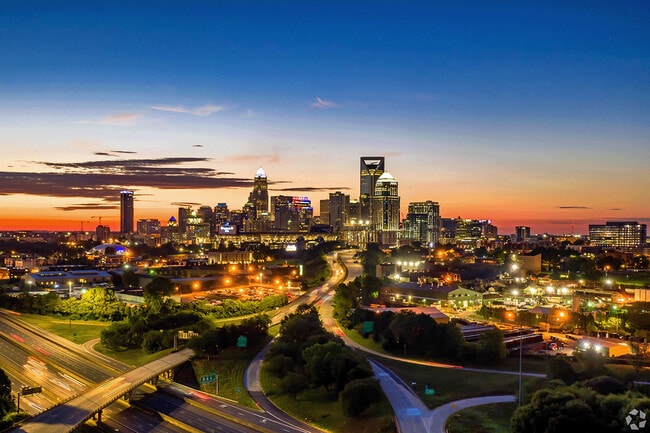
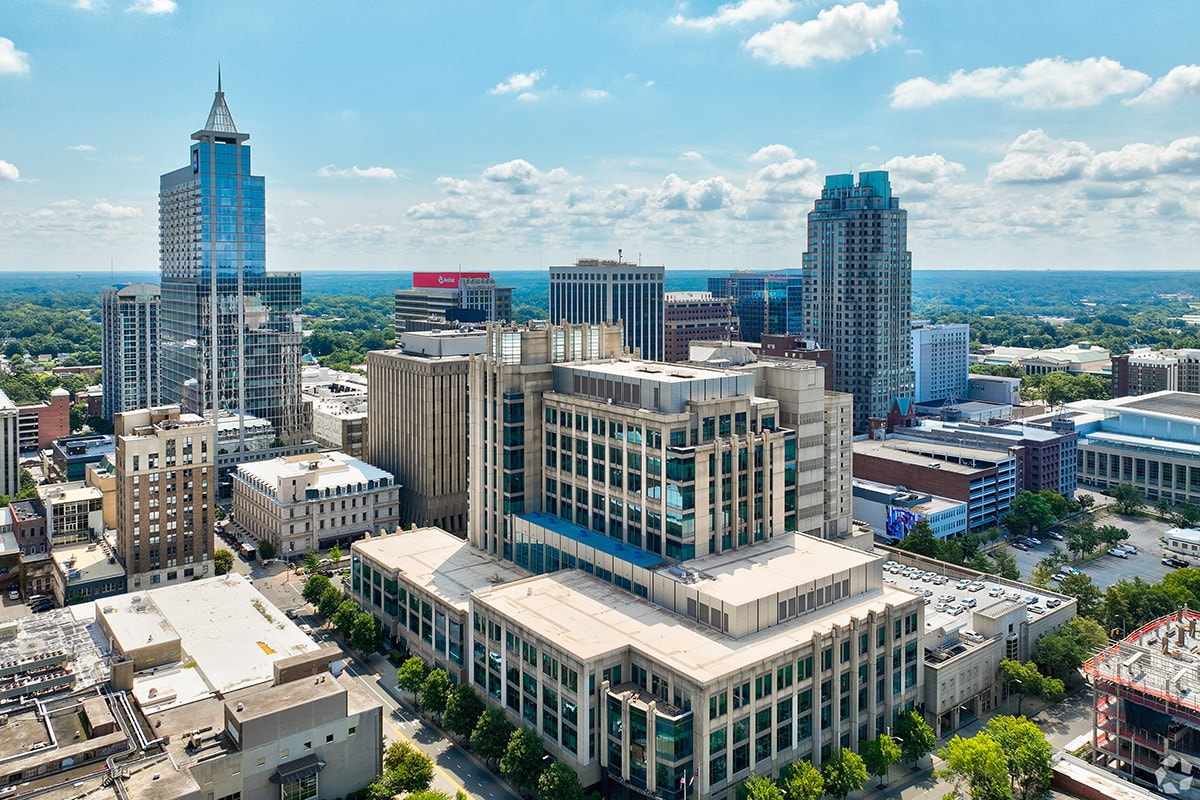
Raleigh has big-city amenities with a small-town atmosphere.
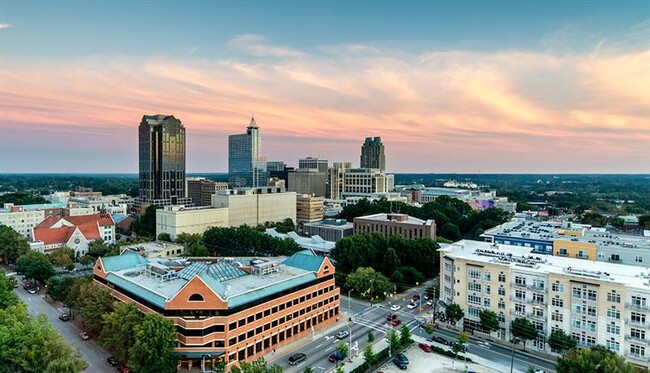
The Capital District is a hub of events and culture in downtown Raleigh.
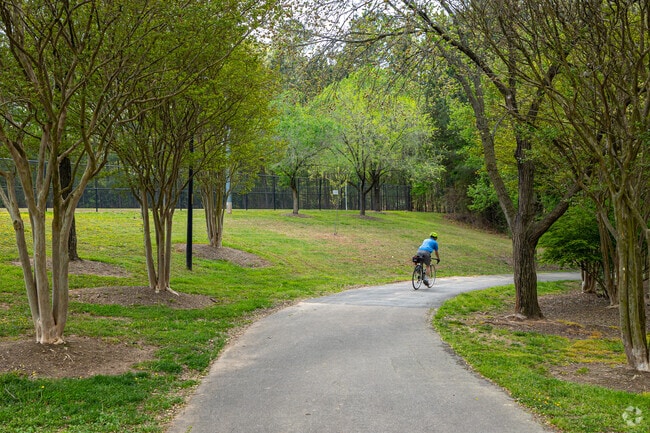
Locals can walk or bike the looping paved trail at Baileywick Road Park.
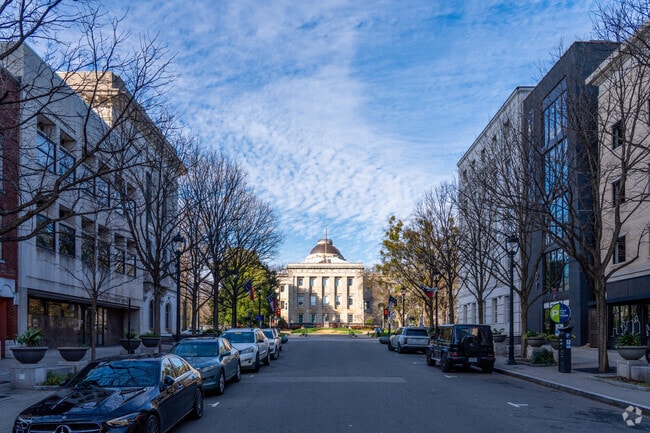
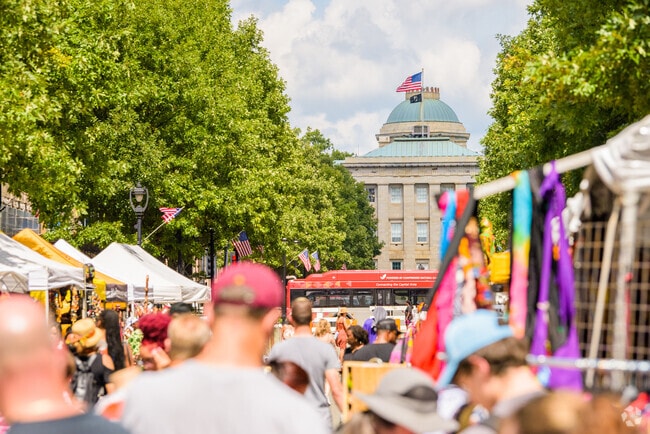
The North Carolina Capitol sits at the end of Fayetteville Street near College Park.
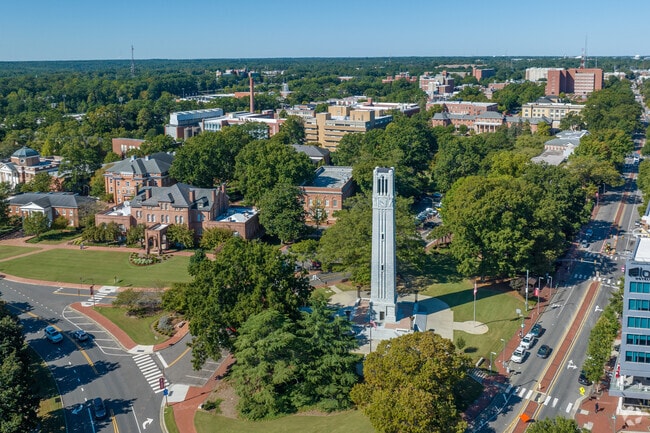
NC State University opened its doors in 1889 and serves over 34000 students today.

Raleigh, NC Area Guide

Avg Rent

$1,389

Population

490,799

Renter Mix

52% Rent

The crown jewel of the Southeast

Nature Airport Public Transportation

Raleigh earns its City of Oaks nickname every day on streets shaded by sprawling oaks, where a thriving arts scene, hundreds of parks, and a growing restaurant culture make daily life genuinely engaging. As the anchor of the Research Triangle alongside Durham and Chapel Hill, the city offers proximity to world-class institutions and a lively downtown without the cost of larger coastal metros. Popular neighborhoods like Glenwood South, Five Points, and the Warehouse District each bring their own character -- from late-night live music to local breweries to indie boutiques -- while North Hills and Brier Creek offer a more suburban pace just minutes from the city core.

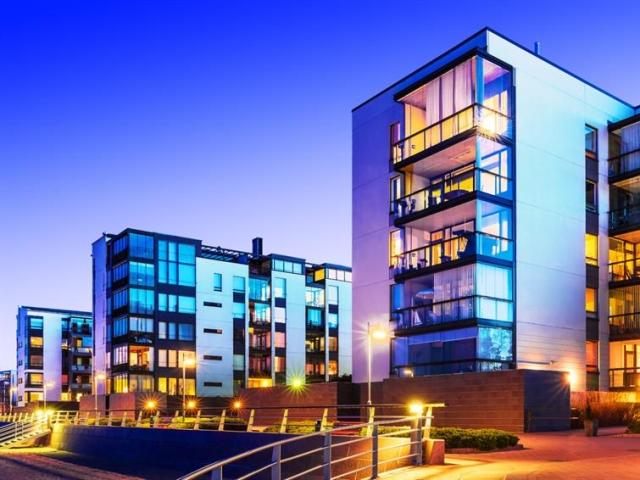
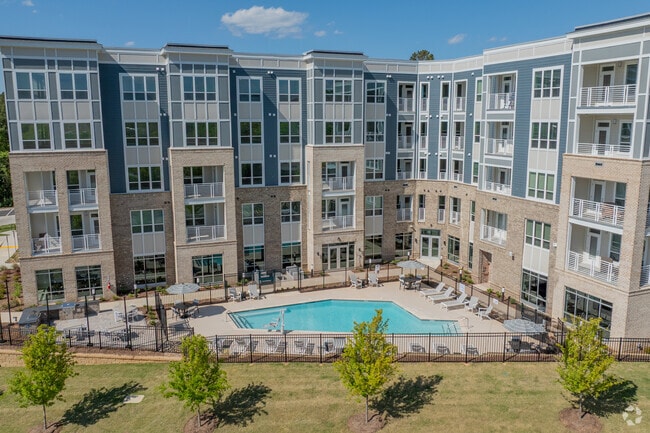
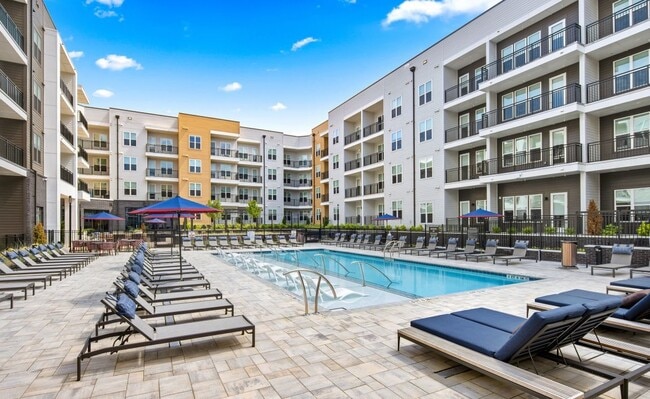
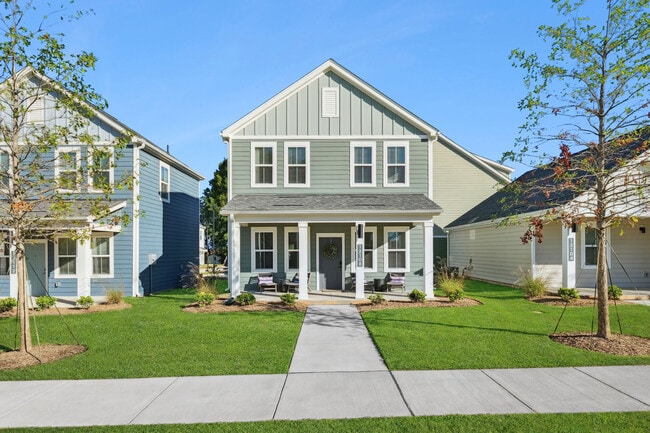
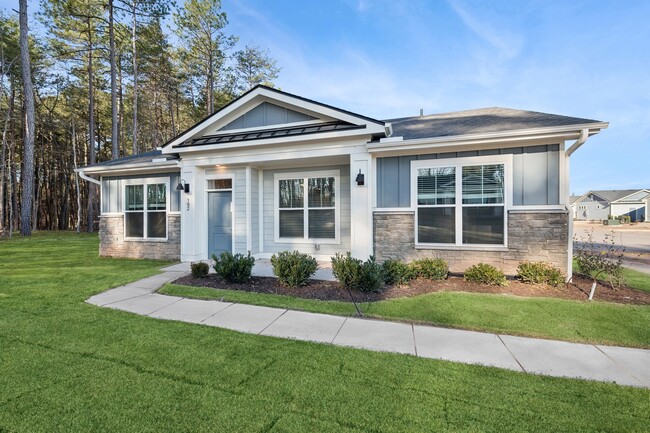
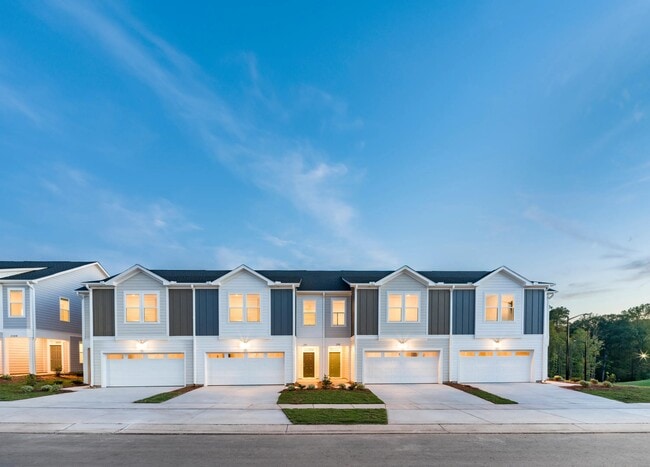
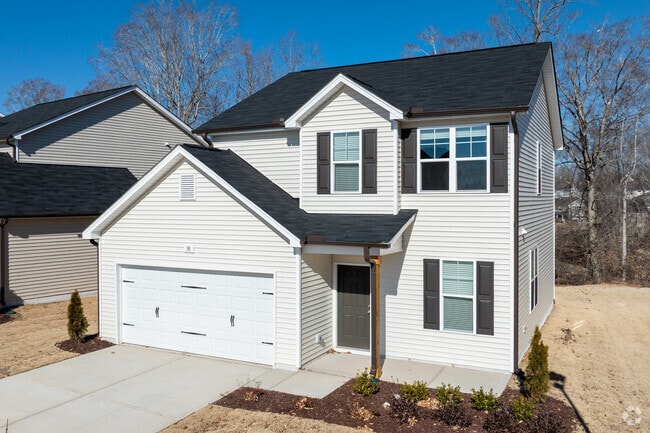
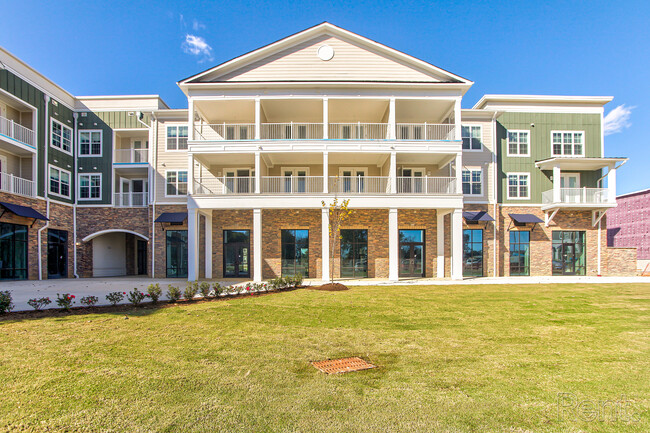
The rental landscape spans a wide range of options: sleek high-rises in the downtown Warehouse District, mixed-use communities at North Hills, townhomes and bungalows in historic Oakwood, and spacious single-family rentals in quieter outer neighborhoods like Walnut Creek and North Raleigh. Architecture ranges from Victorian and Queen Anne homes on the tree-lined blocks of North Blount Street to contemporary loft conversions and new construction apartment communities near NC State University.

North Carolina State University, with 36,000 students, anchors a research and life-sciences economy that stretches into the 7,000-acre Research Triangle Park, home to more than 300 companies including Bayer, Cisco, Fidelity, and Lenovo. Shaw University, established in 1865 as one of the oldest historically Black colleges and universities in the country, adds deep educational roots to the city's identity. Raleigh also bills itself as the Smithsonian of the South, backing that claim with more than 40 free attractions and museums spread across the city.
Explore the City

Locals can walk or bike the looping paved trail at Baileywick Road Park.

The North Carolina Capitol sits at the end of Fayetteville Street near College Park.

NC State University opened its doors in 1889 and serves over 34000 students today.

Lynnwood Brewing Concern's Wilson's Eatery is a popular destination for Five Points locals.

Historic Yates Mill Park is an iconic and beautiful park in the heart of South Raleigh.

Take a walk over Lake Johnson Park on the long wooden walkway in the West Raleigh neighborhood.

Demographics

Median Household Income

$75,944

Average: $103,559

Education

206,805

Residents Have a Degree

Job Market

271,055

Workers Employed

Age Distribution
Get a sense of this area's population profile.

Median Age

36 Years

Largest Age Group

25-34 Years

Approximately 18% of Residents

Under 20

23%

Over 65

14%

Housing Distribution

Raleigh has more renters than homeowners.

Renters
52%
Non-Renters
48%

Education Distribution

Review this city's overall education levels.

Bachelor's or Higher
37%
Other Education
63%

Rent Trends

As of September 2026, the average apartment rent in Raleigh, NC is $1,325 for a studio, $1,387 for one bedroom, $1,627 for two bedrooms, and $1,903 for three bedrooms. Apartment rent in Raleigh has increased by 1.0% in the past year.

Property Type
Average Rent
Average Sq Ft
Apartment
$1,387/month
757 Sq Ft
House
$2,098/month
1,739 Sq Ft
Condo
$1,416/month
846 Sq Ft
Townhome
$1,827/month
1,415 Sq Ft
See Rental Market Trends in Raleigh, NC

Cost of Living

The cost of living in Raleigh, NC is 5.6% lower than the national average. Generally, housing in Raleigh is 14.0% less expensive than the national average, with rent falling between $1,325 - $1,903. You can expect to pay 1.4% more for groceries, 9.5% less for utilities, and 11.6% less for transportation.

Compare Cities

$

Learn More About Raleigh

Getting Around

Moderately Walkable

Walkability

60 / 100

Some Public Transit

Transit

50 / 100

Moderately Drivable

Drivability

70 / 100

Moderately Bikeable

Bikeability

60 / 100

Schools

Barton Pond Elementary

Public

Grades PK-5

518 Students

Abbott's Creek Elementary School

Public

Grades PK-5

784 Students

Combs Elementary

Public

Grades PK-5

673 Students

Pleasant Union Elementary

Public

Grades PK-5

527 Students

Magellan Charter

Public

Grades K-8

406 Students

Carnage Middle

Public

Grades 6-8

918 Students

Leesville Road Middle

Public

Grades 6-8

794 Students

Wake Young Men's Leadership Academy

Public

Grades 6-12

259 Students

Pine Hollow Middle

Public

Grades 6-8

795 Students

Magellan Charter

Public

Grades K-8

406 Students

Raleigh Charter High School

Public

Grades 9-12

564 Students

Wake Early College of Health and Science

Public

Grades 9-12

317 Students

Wake Young Men's Leadership Academy

Public

Grades 6-12

259 Students

Wake Young Women's Leadership Academy

Public

Grades 6-12

324 Students

Leesville Road High

Public

Grades 9-12

2,318 Students

Points of Interest

Shopping Centers

Parks and Recreation

  • Marbles Kids Museum
  • Chavis Park
  • Centennial Campus Center for Wildlife Education
  • North Carolina Museum of Natural Sciences
  • Walnut Creek Wetland Center

Airports

  • Raleigh-Durham International

Top Apartments in Raleigh

Houses for Rent in Raleigh

Living in Raleigh

History

-

Settlement here was deliberate: Raleigh was founded as a planned city expressly to serve as North Carolina's capital, and that civic intentionality still shows in the layout of downtown streets and public squares. The city takes its name from Sir Walter Raleigh, the English explorer who organized Roanoke Colony, giving the capital an origin story tied to one of American history's most enduring mysteries.

History is easy to encounter on a walk today. The North Blount Street historic district showcases Queen Anne, Victorian, and Second Empire houses that survived the city's successive growth spurts. Mordecai Historic Park preserves one of Raleigh's oldest standing structures and the birthplace of President Andrew Johnson. Clyde Cooper's Barbecue has served Eastern NC pulled pork downtown since 1938, making it as much a historical landmark as a restaurant. Pullen Arts Center, part of the city's oldest green space, reopened in 2021 after a full renovation, blending the neighborhood's layered past with creative programming.

Restaurants

-

Raleigh's dining scene has grown well beyond its downtown core, spilling into neighborhoods across the Beltline and beyond. James Beard Award-winning chef Ashley Christensen put the city on the national culinary map, and her flagship Poole's Diner remains one of the most celebrated spots in the South, known especially for its cast-iron macaroni and cheese. The city produced four James Beard semifinalists in 2024 alone, a sign that kitchen talent here runs deep.

Eastern North Carolina-style barbecue is a defining thread in the local food culture, and Clyde Cooper's Barbecue has been the standard-bearer since 1938. Glenwood South concentrates late-night dining and live music venues along its walkable stretch, while more than 30 breweries across the metro area have earned Raleigh its own designated beer trail. Brewgaloo, the largest craft beer festival in North Carolina, and the North Carolina 'Cuegrass Festival, which pairs barbecue with bluegrass music, anchor the annual food-and-drink calendar.

Transportation

-

Most Raleigh residents rely on a car for daily errands, and the city's road network accommodates that well. Interstate 440, the Beltline, loops the inner city, while I-40 connects Raleigh to Durham about 30 miles west and stretches southwest toward Charlotte roughly 170 miles away. I-540 provides an outer loop serving the northern and western suburbs.

For those who prefer alternatives, the GoRaleigh bus system covers 40 routes with more than 1,400 stops across the city. Raleigh Union Station, about 1.25 miles from the city center, provides Amtrak service to Charlotte, New York City, and Miami. Raleigh-Durham International Airport, approximately 14 miles from downtown, serves most major airlines with nonstop flights to many cities across the country and world. The city has built 80 miles of bike lanes, supported by the BikeRaleigh app, and the S-Line, a new high-speed rail connection between Raleigh and Richmond, is under development.
Parks

-

Pullen Park, the city's oldest green space, spans more than 66 acres and offers pedal boats, a carousel, a miniature train, playgrounds, tennis courts, and an aquatic center. Pullen Arts Center, which reopened in 2021 after a three-year renovation, sits within the park and hosts galleries and art classes year-round.

William B. Umstead State Park stretches across 5,500 acres with more than 35 miles of hiking trails, 13 miles of biking paths, and a lake open for fishing and paddling. Lake Wheeler Park adds a 650-acre lake for sailing, rowing, and fishing, plus 150 acres of park space that includes a playground and a reservable sand volleyball court. The 28-mile Neuse River Greenway Trail, part of Raleigh's 180-mile network of greenway paths, runs past Anderson Point Park and delivers scenic views of the Neuse River on a paved route suited to walking, jogging, and cycling. Dorothea Dix Park opens up wide green space with striking skyline views near the Boylan Heights neighborhood.

Cost

-

Raleigh's overall cost of living sits about 5.6 percent below the national average, with housing costs running approximately 14 percent below the national baseline. Utilities and transportation also come in below national norms, while grocery costs are roughly on par and healthcare runs above the national average. The most common rent range in the city falls between $1,314 and $1,924 per month, and total estimated monthly expenses for a renter -- including housing, groceries, utilities, transportation, and healthcare -- run approximately $4,471.

Shopping

-

North Hills, often called a mini downtown by locals, anchors the city's upscale retail scene as a walkable open-air mixed-use center along the I-440 corridor in Midtown. Crabtree Valley Mall and Triangle Town Center are traditional two-floor indoor malls in the northern part of the city, offering a broad range of national retailers within easy reach of major beltway exits.

Beyond the malls, Village District and Brier Creek give shoppers additional clusters of stores with a neighborhood feel. Downtown Raleigh's City Market and surrounding blocks support locally owned boutiques and specialty shops that give the commercial core a character distinct from the suburban centers. For those who prefer browsing at their own pace, the walkable streets between these districts make it easy to move from store to store without relying on a car.

Highlights

-

A state capital with the research firepower of the Triangle, more than 40 free museums and attractions, 180 miles of greenway trails, a James Beard Award-winning dining scene, and a cost of living below the national average -- Raleigh delivers an unusually full urban experience rooted in close-knit communities and steady momentum.

Search Nearby Rentals

Methodology

† Our analysis of utilities, groceries, transportation, healthcare, home prices, and other goods and services is sourced from the Cost of Living Index, a respected benchmark published by the Council for Community and Economic Research (C2ER) that provides a thorough overview of living expenses across different regions.

Rent data is provided by CoStar Group’s Market Trend reports. As the industry leader in commercial real estate information, analytics, and news, CoStar conducts extensive research to produce and maintain a comprehensive database of commercial real estate information. We combine this data with public record to provide the most up-to-date rental information available.

Consumer goods, services, and home prices are sourced from the Cost of Living Index published by the Council for Community and Economic Research (C2ER). The data on this page is updated quarterly. It was last published in September 2026.

Demographic information comes from Neustar and combines detailed address data with U.S. Census and American Community Survey statistics to produce reliable local estimates.