Median Age
31 Years
Largest Age Group
20-29 Years
Approximately 23% of Residents
Under 20
25%
Over 65
13%

Avg Rent
$989
Population
97,323
Renter Mix
64% Rent
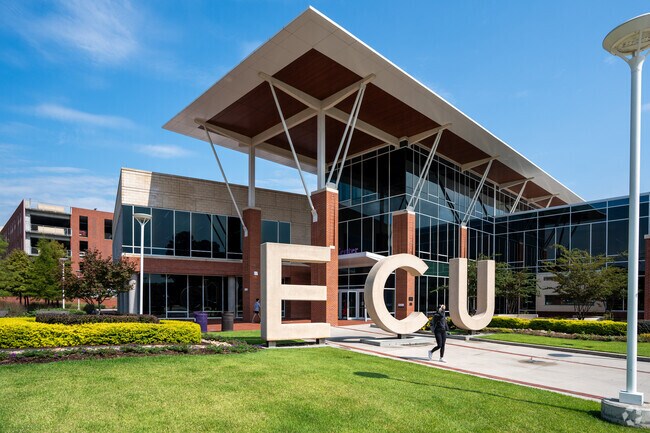
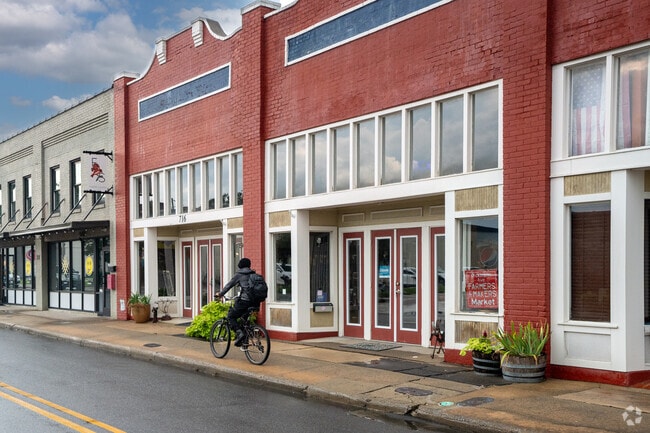
Living in Greenville, North Carolina combines small-city comfort with contemporary conveniences. Home to over 87,000 residents, this eastern North Carolina community serves as an educational and medical center, anchored by East Carolina University and ECU Health Medical Center. The rental market remains steady, with one-bedroom apartments averaging $923 monthly and two-bedrooms at $1,066. Notable areas include the historic Uptown District, where restored buildings house local businesses, and the Medical District on the west side.
The Tar River winds through Greenville, providing opportunities for kayaking and outdoor recreation along the expanding greenway system. The city, nicknamed "The Emerald City," features regular community events like the Umbrella Market and Freeboot Fridays during ECU football season. Founded in 1774 as "Martinsborough," Greenville was later renamed to honor Revolutionary War hero Nathanael Greene. The city continues to expand as a regional hub while maintaining its community-focused atmosphere. Housing options span from contemporary apartment communities to established neighborhoods near the historic district.
The Greenway at Town Commons Park runs along the Tar River.
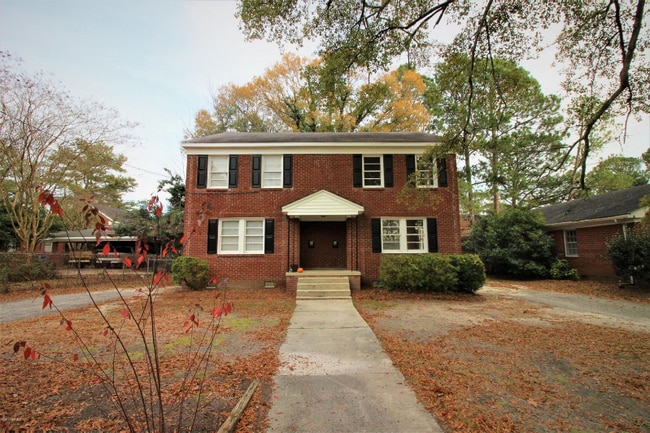
Many ECU students live in the West Greenville neighborhood.
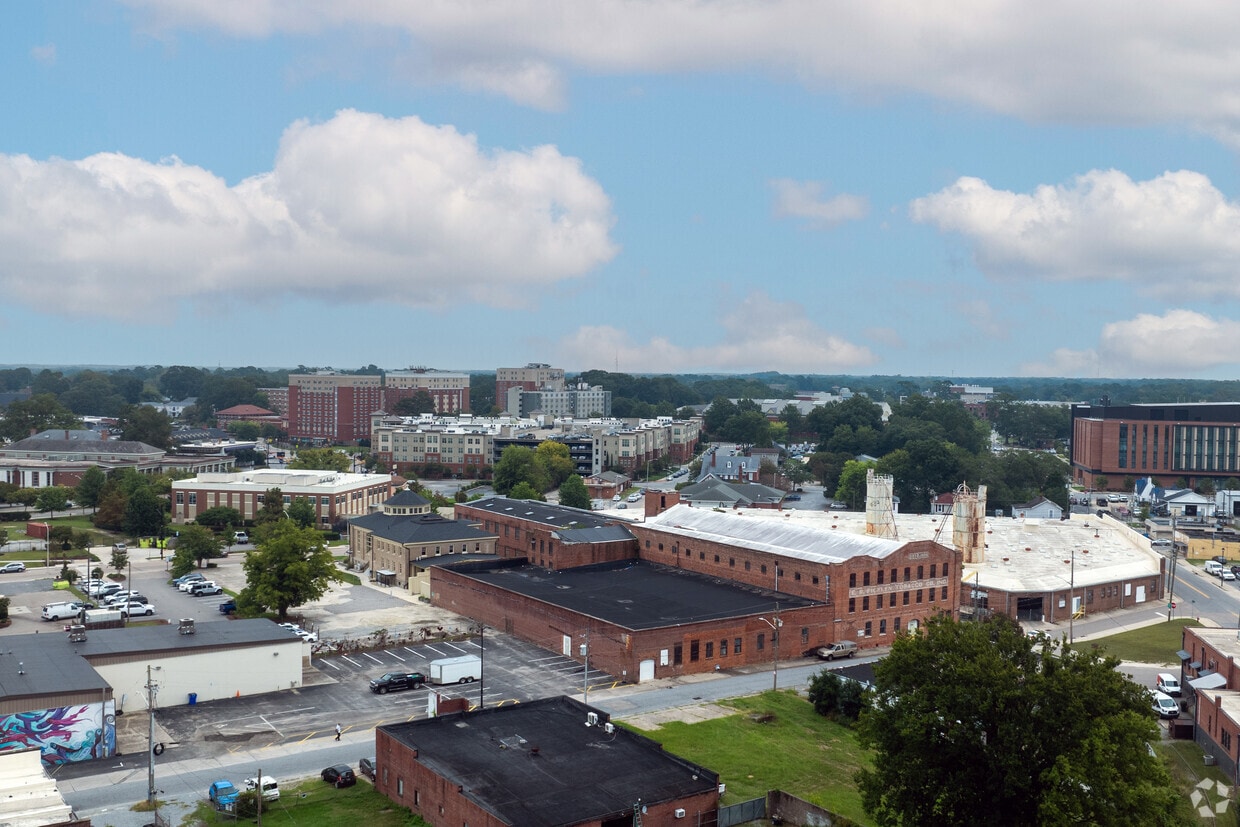
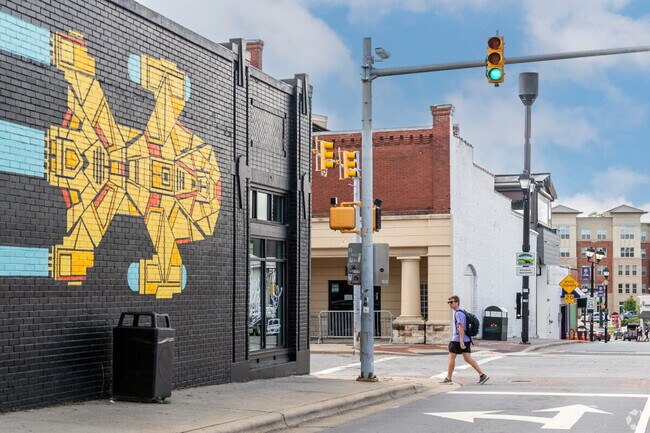
Not far from West Greenville, the downtown has a small arts district.
Greenville Mall is just a few miles west of Brook Valley.
Brook Valley residents flock to Town Common for live music on the riverfront on Thursday's.
There are plenty of outdoor activities in Greenville, from pickleball to fishing.
Median Household Income
$41,438
Average: $63,200
Education
29,118
Residents Have a Degree
Job Market
48,507
Workers Employed
Median Age
31 Years
Largest Age Group
20-29 Years
Approximately 23% of Residents
Under 20
25%
Over 65
13%
Housing Distribution
Greenville has more renters than homeowners.

Education Distribution
Review this city's overall education levels.

As of September 2026, the average apartment rent in Greenville, NC is $578 for a studio, $990 for one bedroom, $1,121 for two bedrooms, and $1,365 for three bedrooms. Apartment rent in Greenville has increased by 1.5% in the past year.
The cost of living in Greenville, NC is 1.7% lower than the national average. Generally, housing in Greenville is 21.5% less expensive than the national average, with rent falling between $578 - $1,365. You can expect to pay 10.3% more for groceries, 0.3% more for utilities, and 4.1% more for transportation.
Compare Cities
Explore how walkable, bikeable, drivable, and transit-friendly Greenville, NC is for everyday living.
Moderately Walkable
Walkability
Exceptionally Drivable
Drivability
Fairly Bikeable
Bikeability

Public
Grades K-5
809 Students

Public
Grades PK-8
882 Students

Public
Grades K-5
123 Students
Public
Grades PK-5
365 Students

Public
Grades PK-5
804 Students

Public
Grades 6-8
877 Students

Public
Grades PK-8
882 Students
Public
Grades 6-8
413 Students
Public
Grades 6-8
413 Students
Public
Grades 6-8
625 Students
Public
Grades 9-12
228 Students
Public
Grades 9-12
1,501 Students
Public
Grades 9-12
1,698 Students

Public
Grades PK-12
299 Students

Public
Grades PK-12
21 Students
 The GreatSchools Rating helps parents compare schools within a state based on a variety of school quality indicators and provides a helpful picture of how effectively each school serves all of its students. Ratings are on a scale of 1 (below average) to 10 (above average) and can include test scores, college readiness, academic progress, advanced courses, equity, discipline and attendance data. We also advise parents to visit schools, consider other information on school performance and programs, and consider family needs as part of the school selection process.
View GreatSchools Rating Methodology
Data provided by
GreatSchools.org
© 2026. All rights reserved.
The GreatSchools Rating helps parents compare schools within a state based on a variety of school quality indicators and provides a helpful picture of how effectively each school serves all of its students. Ratings are on a scale of 1 (below average) to 10 (above average) and can include test scores, college readiness, academic progress, advanced courses, equity, discipline and attendance data. We also advise parents to visit schools, consider other information on school performance and programs, and consider family needs as part of the school selection process.
View GreatSchools Rating Methodology
Data provided by
GreatSchools.org
© 2026. All rights reserved.
† Our analysis of utilities, groceries, transportation, healthcare, home prices, and other goods and services is sourced from the Cost of Living Index, a respected benchmark published by the Council for Community and Economic Research (C2ER) that provides a thorough overview of living expenses across different regions.
Rent data is provided by CoStar Group’s Market Trend reports. As the industry leader in commercial real estate information, analytics, and news, CoStar conducts extensive research to produce and maintain a comprehensive database of commercial real estate information. We combine this data with public record to provide the most up-to-date rental information available.
Consumer goods, services, and home prices are sourced from the Cost of Living Index published by the Council for Community and Economic Research (C2ER). The data on this page is updated quarterly. It was last published in September 2026.
Demographic information comes from Neustar and combines detailed address data with U.S. Census and American Community Survey statistics to produce reliable local estimates.