Median Age
39 Years
Largest Age Group
30-39 Years
Approximately 14% of Residents
Under 20
25%
Over 65
18%

Avg Rent
$1,171
Population
82,153
Renter Mix
46% Rent
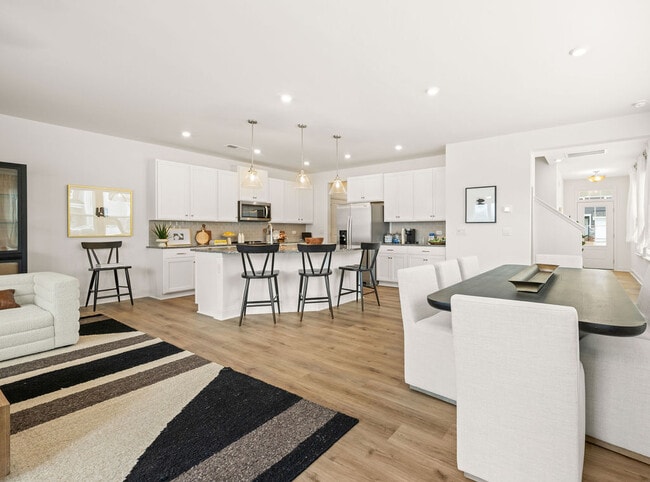
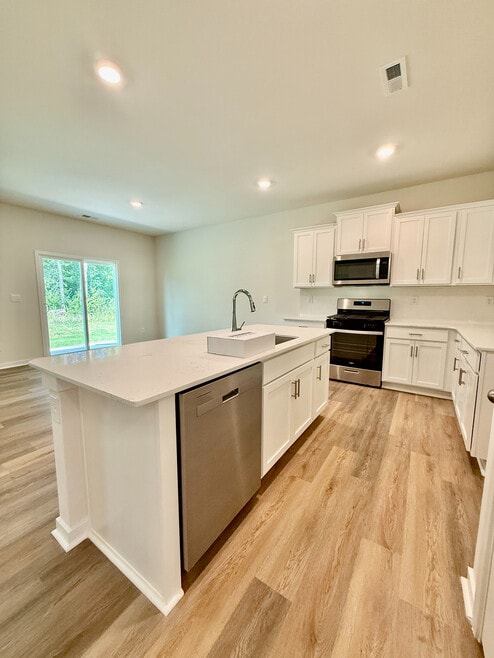
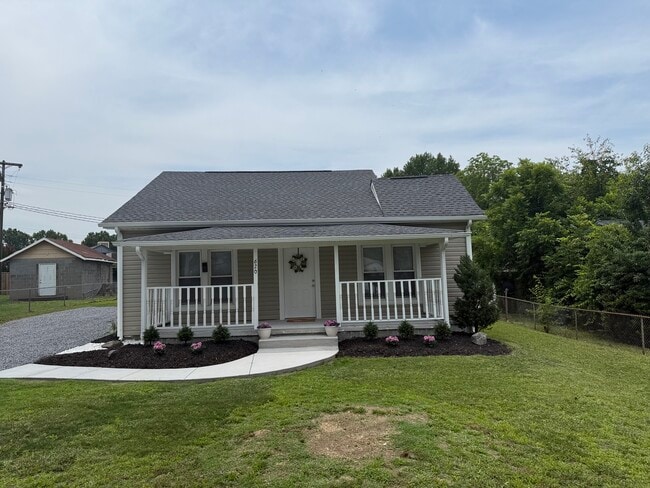
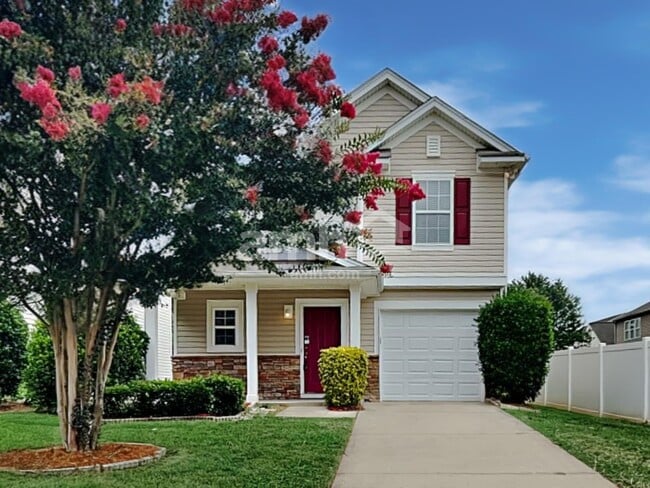
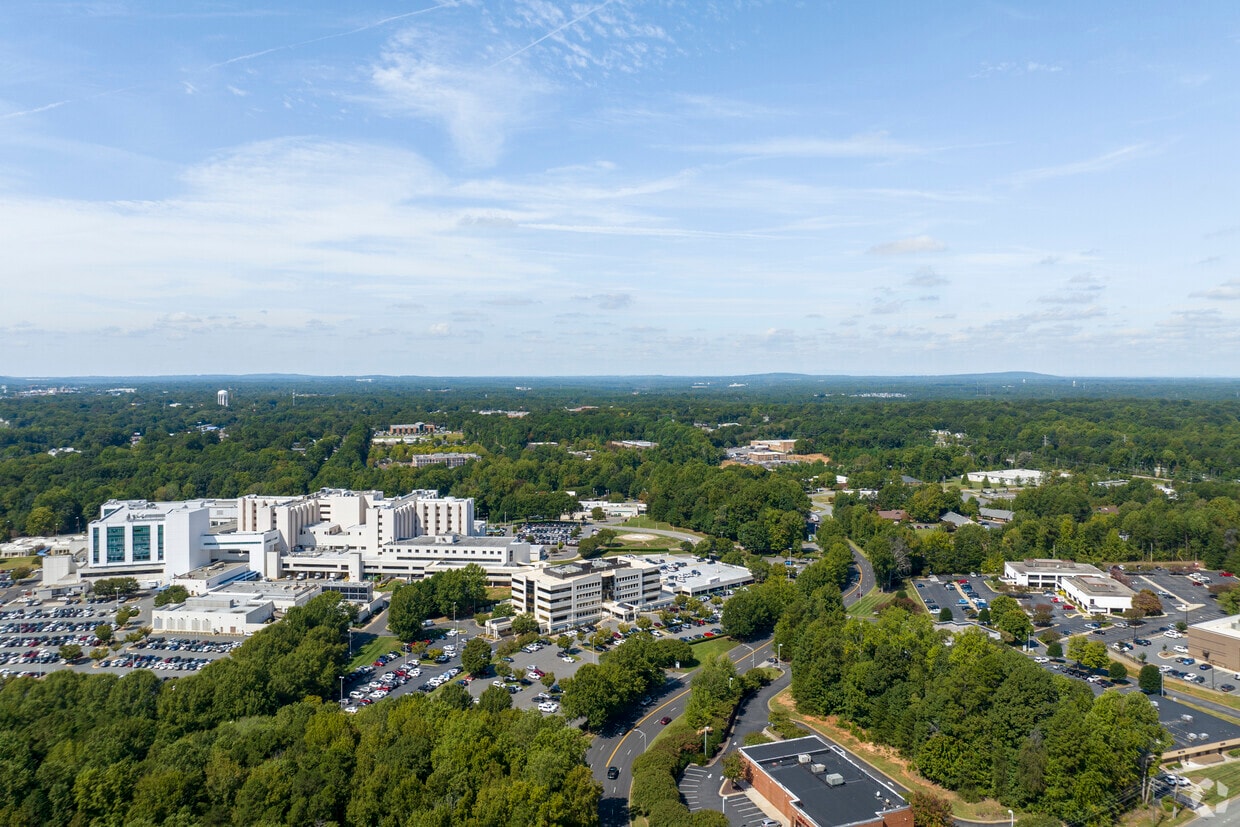
Gastonia sits just west of Charlotte along I-85, functioning as the county seat of Gaston County and the largest city in the county. Its identity is rooted in a textile manufacturing past — the 1929 Loray Mill Strike made national headlines and left a lasting mark on the city's story. Today, that same mill has been converted into a mixed-use development with distinctive apartment homes, reflecting how Gastonia has channeled its history into its present character. CaroMont Regional Medical Center and Gaston College anchor the local economy alongside a growing healthcare, education, and government sector. Downtown Gastonia has seen steady reinvestment, with the FUSE District adding entertainment and dining to a core of restored historic buildings. Neighborhoods like Gardner Park, Robinwood, and York Chester offer tree-lined streets and a quieter suburban feel, while the Loray Mill Historic District and downtown corridor attract renters who want to be closer to the action. The housing mix includes renovated loft-style spaces, garden-style apartment communities, and single-family rentals with generous square footage. Charlotte's job market and airport are roughly 25 to 30 minutes away, giving residents access to a major metro without paying major metro rent prices.
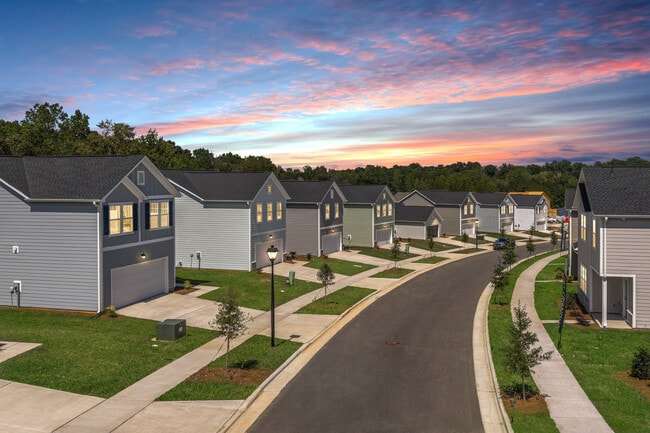
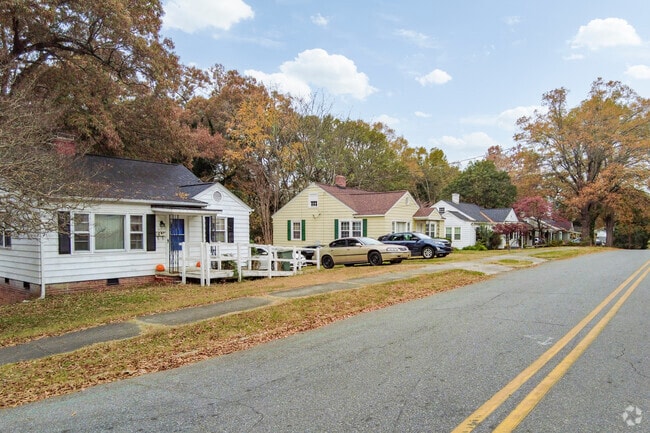
Most of the neighborhood streets in Gastonia also have wide streets and sidewalks.
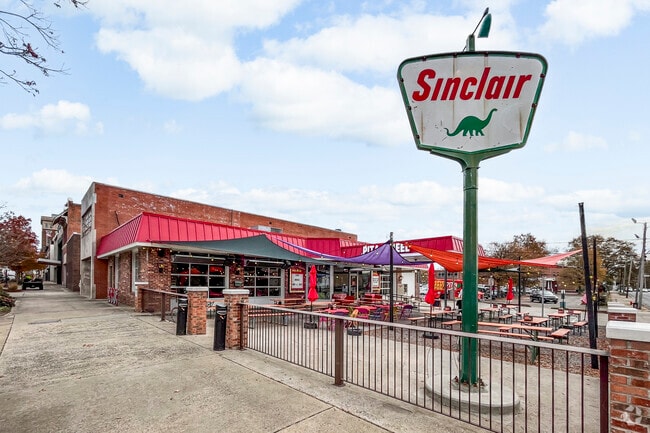
Pita Wheel is a popular dining destination in the heart of downtown Gastonia.
Gastonia residents and friends regularly gather at the Catawba Creek Golf Course.
Crowders Mountain State Park is a paradise for local Gastonia thrillseekers.
Lineberger park is a local favorite relaxation and recreation spot in Gastonia.
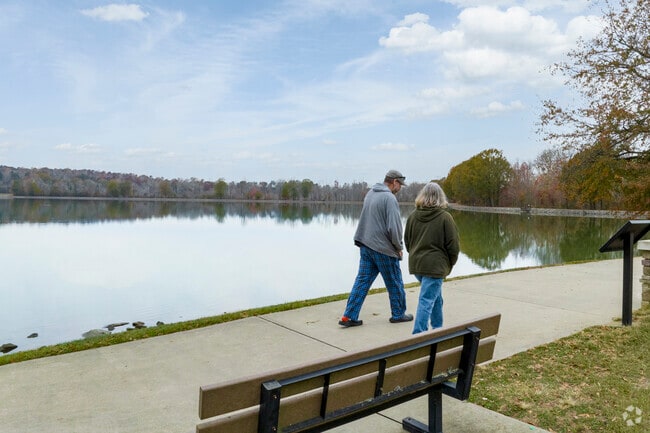
Gastonia locals can picnic, exercise, fish and more at the nearby Rankin Lake park.
Median Household Income
$49,731
Average: $68,791
Education
17,263
Residents Have a Degree
Job Market
40,126
Workers Employed
Median Age
39 Years
Largest Age Group
30-39 Years
Approximately 14% of Residents
Under 20
25%
Over 65
18%
Housing Distribution
Gastonia has more homeowners than renters.

Education Distribution
Review this city's overall education levels.

As of August 2026, the average apartment rent in Gastonia, NC is $911 for a studio, $1,167 for one bedroom, $1,346 for two bedrooms, and $1,653 for three bedrooms. Apartment rent in Gastonia has decreased by -2.6% in the past year.
Explore how walkable, bikeable, drivable, and transit-friendly Gastonia, NC is for everyday living.
Fairly Walkable
Walkability
Very Drivable
Drivability
Somewhat Bikeable
Bikeability

Public
Grades K-5
520 Students

Piedmont Community Charter School
Public
Grades K-12
1,906 Students

Public
Grades PK-5
419 Students

Public
Grades K-5
357 Students
Public
Grades PK-5
521 Students

Piedmont Community Charter School
Public
Grades K-12
1,906 Students
Public
Grades 6-8
402 Students
Public
Grades 6-8
654 Students

Public
Grades 6-8
804 Students

Public
Grades PK-12
160 Students

Public
Grades 9-12
514 Students
Piedmont Community Charter School
Public
Grades K-12
1,906 Students
Public
Grades 9-12
1,081 Students

Public
Grades 9-12
1,303 Students
Public
Grades 9-12
1,120 Students
 The GreatSchools Rating helps parents compare schools within a state based on a variety of school quality indicators and provides a helpful picture of how effectively each school serves all of its students. Ratings are on a scale of 1 (below average) to 10 (above average) and can include test scores, college readiness, academic progress, advanced courses, equity, discipline and attendance data. We also advise parents to visit schools, consider other information on school performance and programs, and consider family needs as part of the school selection process.
View GreatSchools Rating Methodology
Data provided by
GreatSchools.org
© 2026. All rights reserved.
The GreatSchools Rating helps parents compare schools within a state based on a variety of school quality indicators and provides a helpful picture of how effectively each school serves all of its students. Ratings are on a scale of 1 (below average) to 10 (above average) and can include test scores, college readiness, academic progress, advanced courses, equity, discipline and attendance data. We also advise parents to visit schools, consider other information on school performance and programs, and consider family needs as part of the school selection process.
View GreatSchools Rating Methodology
Data provided by
GreatSchools.org
© 2026. All rights reserved.
† Our analysis of utilities, groceries, transportation, healthcare, home prices, and other goods and services is sourced from the Cost of Living Index, a respected benchmark published by the Council for Community and Economic Research (C2ER) that provides a thorough overview of living expenses across different regions.
Rent data is provided by CoStar Group’s Market Trend reports. As the industry leader in commercial real estate information, analytics, and news, CoStar conducts extensive research to produce and maintain a comprehensive database of commercial real estate information. We combine this data with public record to provide the most up-to-date rental information available.
Consumer goods, services, and home prices are sourced from the Cost of Living Index published by the Council for Community and Economic Research (C2ER). The data on this page is updated quarterly. It was last published in June 2026.
Demographic information comes from Neustar and combines detailed address data with U.S. Census and American Community Survey statistics to produce reliable local estimates.