Median Age
42 Years
Largest Age Group
40-49 Years
Approximately 14% of Residents
Under 20
22%
Over 65
20%

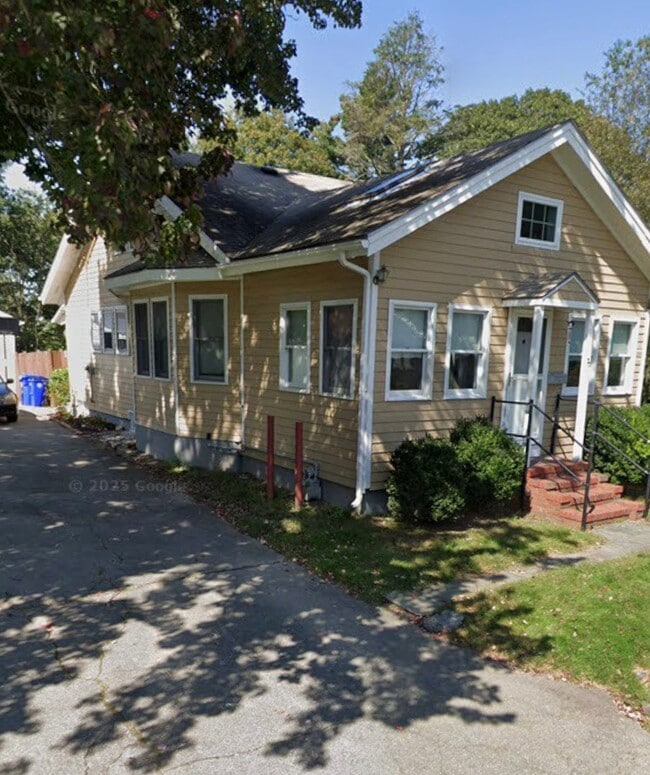
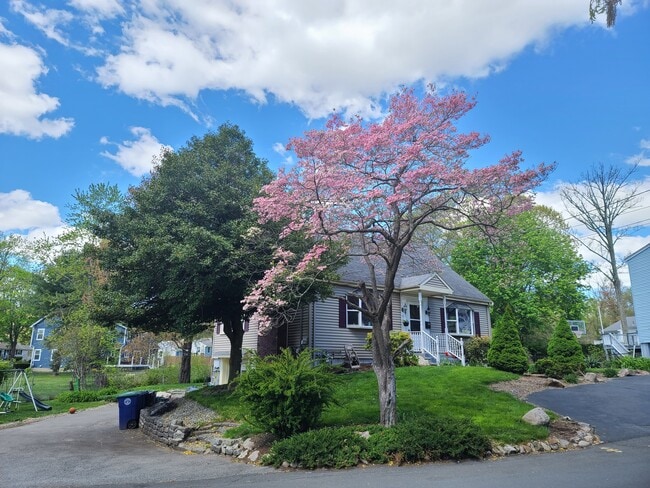
East Braintree brings the feel of an older Boston village to a commuter suburb, with prewar Cape Cod cottages and bungalows lining narrow, oak-shaded streets just 12 miles south of downtown. Daily life here is calm and settled: dog walkers trace the same routes past front yards, and the neighborhood's mostly residential character means the pace rarely feels rushed. Shopping corridors and dining spots are a short drive away along Route 3 and at South Shore Plaza, while Pond Meadow Park and Watson Park keep outdoor options close at hand.
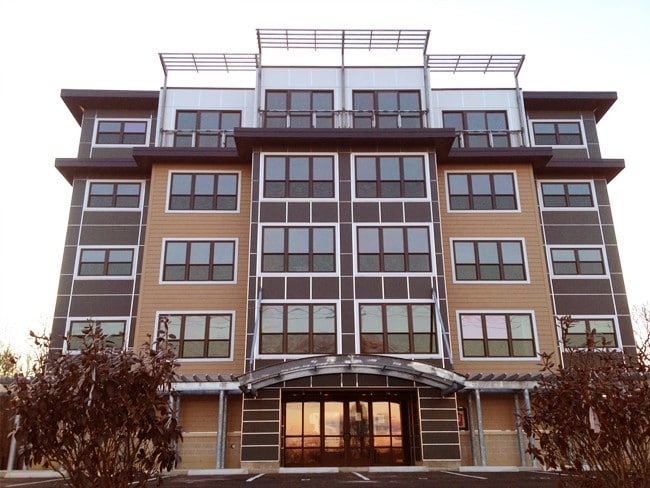
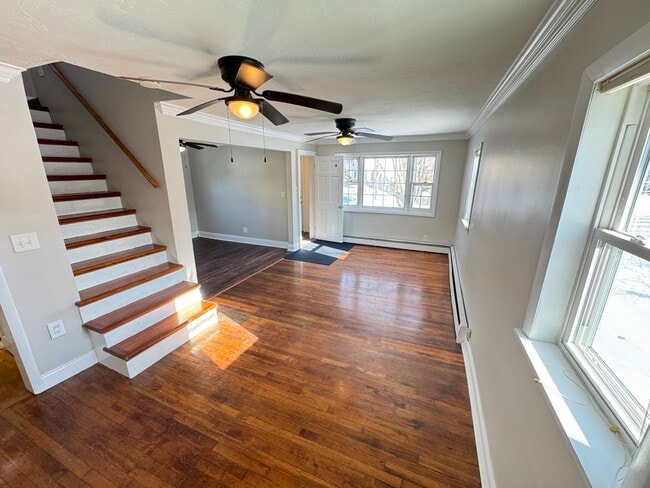
The rental landscape skews toward single-family homes and smaller multi-unit buildings rather than high-rises, reflecting the prewar stock that gives East Braintree its architectural identity. The MBTA Red Line terminates at nearby Braintree Station, connecting residents directly to downtown Boston without a car.
Braintree itself was among the earliest Massachusetts Bay Colony settlements, incorporated in 1640, and the surrounding area counts both John Adams and John Quincy Adams as native sons. General Sylvanus Thayer, known as the Father of West Point, was also born here, and his legacy carries forward through Thayer Academy. The Braintree Day and 4th of July Celebration draws the community together each summer with a parade, live music, food vendors, and fireworks.
Median Household Income
$125,480
Average: $148,666
Education
15,117
Residents Have a Degree
Job Market
22,288
Workers Employed
Median Age
42 Years
Largest Age Group
40-49 Years
Approximately 14% of Residents
Under 20
22%
Over 65
20%
Housing Distribution
East Braintree has more homeowners than renters.

Education Distribution
Review this city's overall education levels.

Explore how walkable, bikeable, drivable, and transit-friendly East Braintree, MA is for everyday living.
Very Walkable
Walkability
Good Public Transit
Transit
Very Drivable
Drivability
Fairly Bikeable
Bikeability

† Our analysis of utilities, groceries, transportation, healthcare, home prices, and other goods and services is sourced from the Cost of Living Index, a respected benchmark published by the Council for Community and Economic Research (C2ER) that provides a thorough overview of living expenses across different regions.
Rent data is provided by CoStar Group’s Market Trend reports. As the industry leader in commercial real estate information, analytics, and news, CoStar conducts extensive research to produce and maintain a comprehensive database of commercial real estate information. We combine this data with public record to provide the most up-to-date rental information available.
Consumer goods, services, and home prices are sourced from the Cost of Living Index published by the Council for Community and Economic Research (C2ER). The data on this page is updated quarterly. It was last published in September 2026.
Demographic information comes from Neustar and combines detailed address data with U.S. Census and American Community Survey statistics to produce reliable local estimates.