Median Age
42 Years
Largest Age Group
40-49 Years
Approximately 14% of Residents
Under 20
22%
Over 65
20%
Avg Rent
$2,531
Population
39,049
Renter Mix
30% Rent
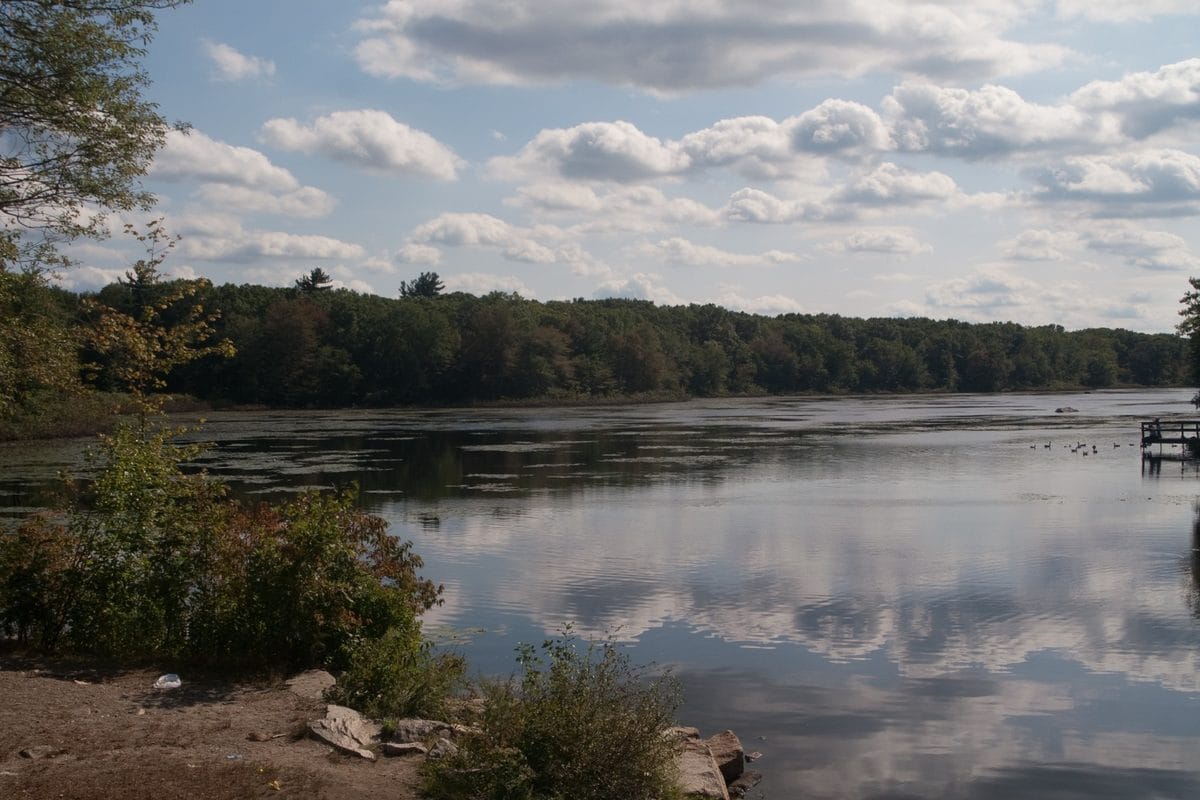
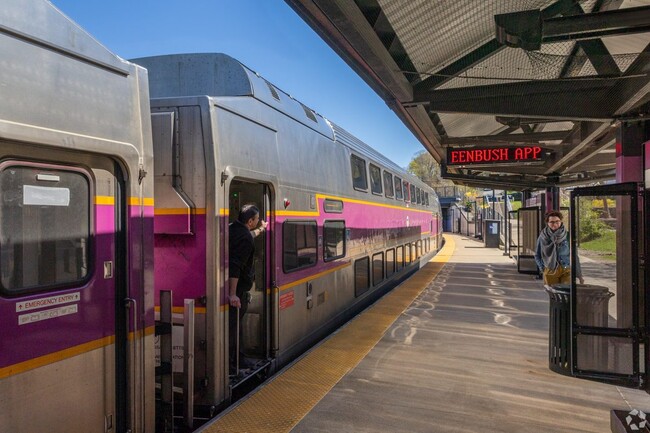
Few Boston suburbs can claim to be the birthplace of two U.S. presidents, but Braintree -- birthplace of both John Adams and John Quincy Adams -- pulls it off while still functioning as a thoroughly practical commuter town about 12 miles south of downtown. Daily life moves at an easy pace, with tree-lined neighborhoods, community events that run through every season, and shopping and dining close at hand. Popular areas include the commercial corridors along Route 3, the residential Braintree Highlands, and East Braintree, where prewar cottage architecture gives the streets a quieter, older-Boston feel. Driving is the dominant way to get around, though the MBTA Red Line and Kingston Line commuter rail give car-free commuters a real foothold.
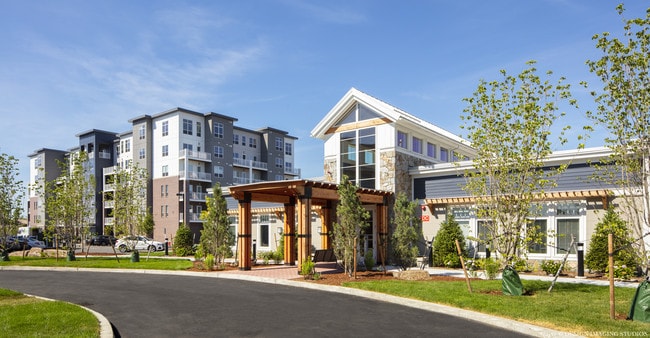
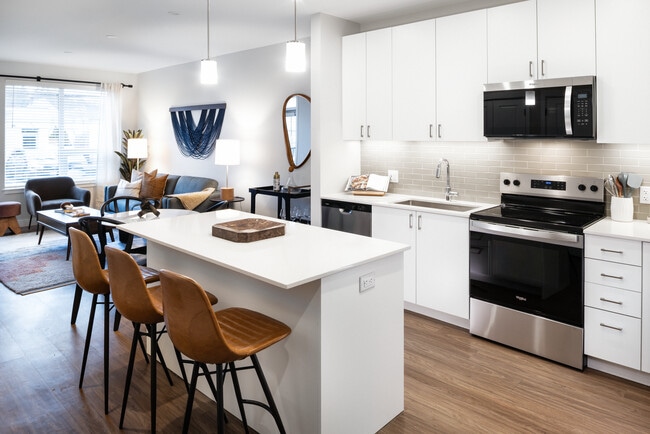
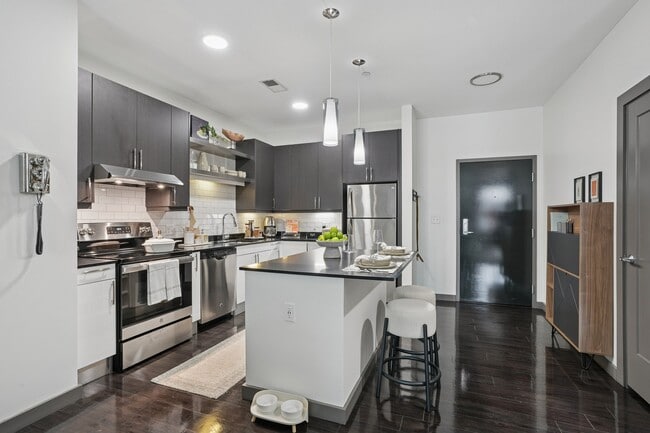
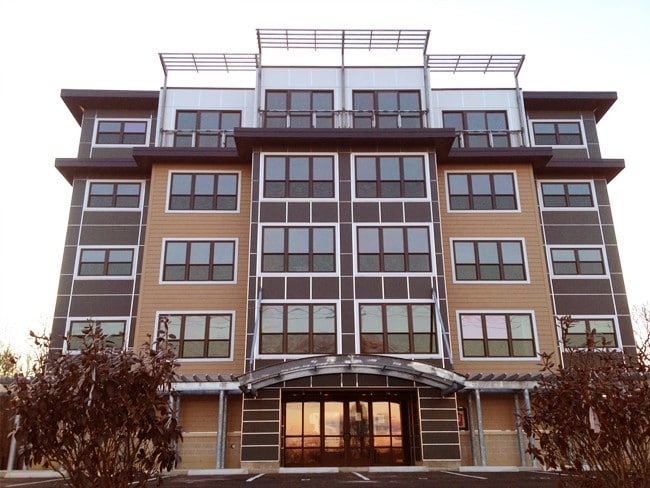
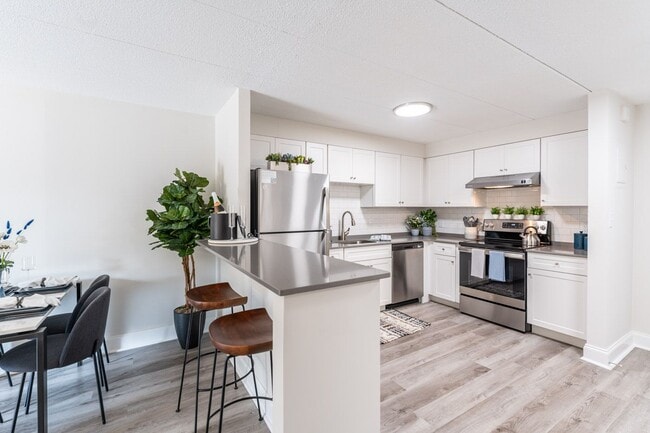
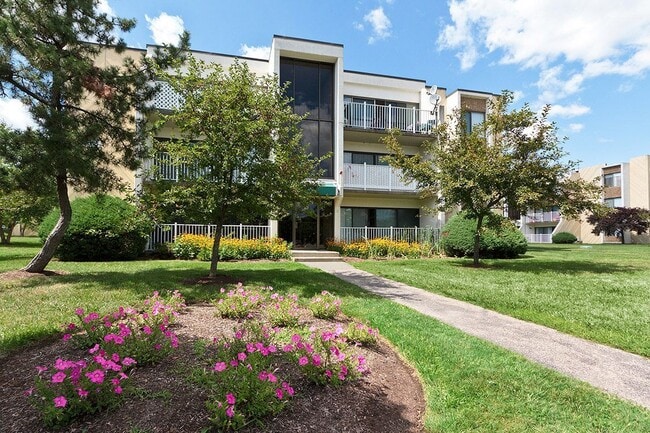
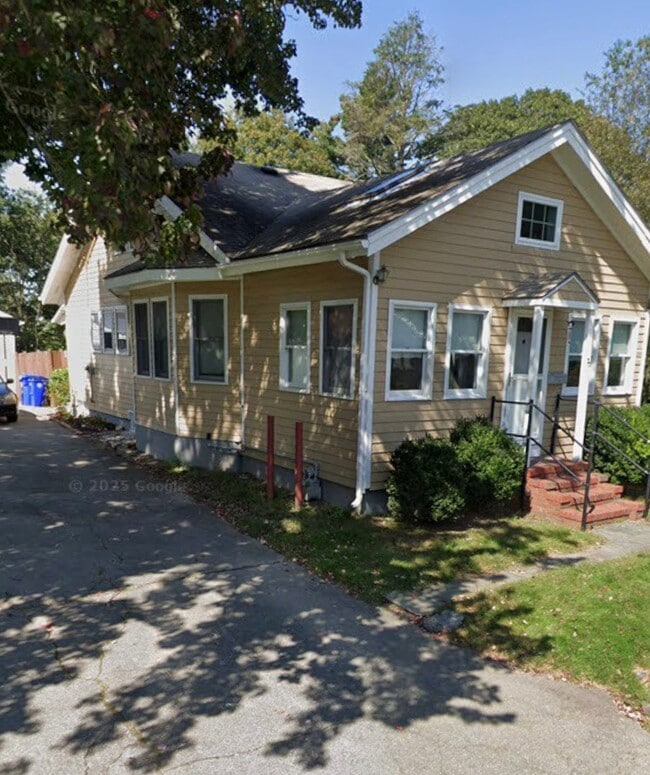
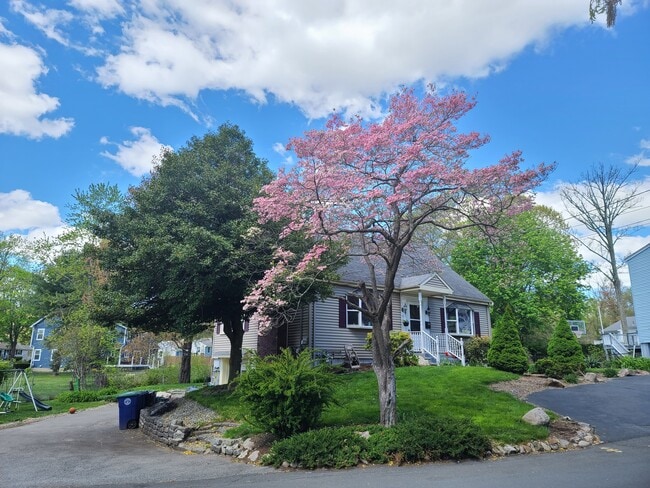
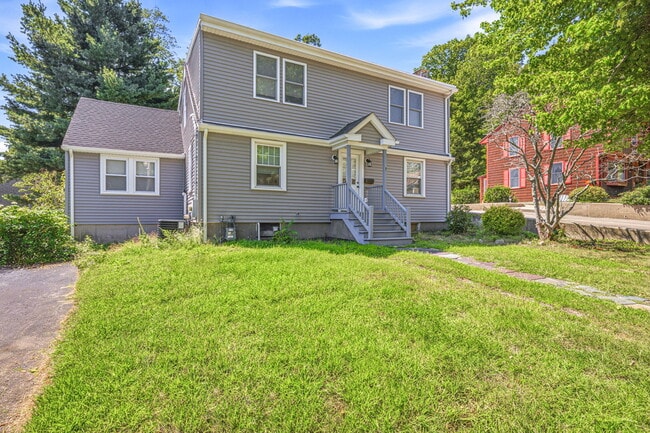
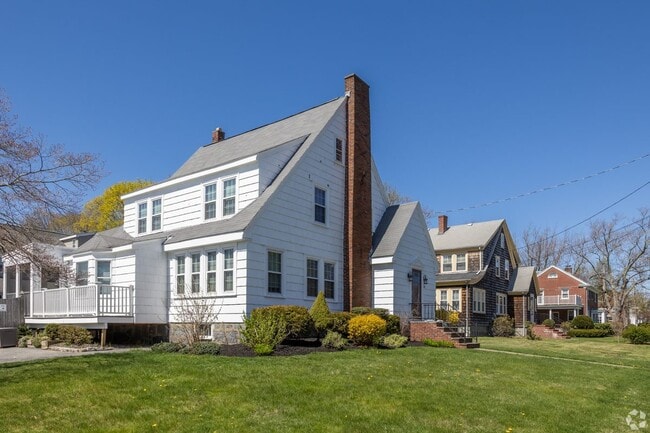
Renters will find a solid range of housing options, from older colonial-style single-family rentals to newer apartment communities that have grown up near transit centers, like Braintree Station. East Braintree also offers prewar bungalows and Cape-style cottages, while the Highlands leans toward larger Colonial and Dutch Revival homes.
General Sylvanus Thayer, known as the Father of West Point, was born here too -- his legacy lives on in the locally named Thayer Academy. The town operates under a mayor-council form of government. Community life stays active through a full calendar of recurring events, from the Sunset Concert Series to farmers markets outside Town Hall.
Median Household Income
$125,540
Average: $148,689
Education
15,177
Residents Have a Degree
Job Market
22,372
Workers Employed
Median Age
42 Years
Largest Age Group
40-49 Years
Approximately 14% of Residents
Under 20
22%
Over 65
20%
Housing Distribution
Braintree has more homeowners than renters.

Education Distribution
Review this city's overall education levels.

As of September 2026, the average apartment rent in Braintree, MA is $1,930 for a studio, $2,531 for one bedroom, $3,019 for two bedrooms, and $3,573 for three bedrooms. Apartment rent in Braintree has increased by 2.0% in the past year.
Explore how walkable, bikeable, drivable, and transit-friendly Braintree, MA is for everyday living.
Very Walkable
Walkability
Good Public Transit
Transit
Very Drivable
Drivability
Fairly Bikeable
Bikeability

Public
Grades K-5
365 Students

Public
Grades K-5
306 Students
Public
Grades K-8
653 Students

Public
Grades K-5
330 Students
Public
Grades K-5
212 Students
Public
Grades K-8
653 Students
Public
Grades K-8
966 Students

Public
Grades 9-12
1,584 Students
 The GreatSchools Rating helps parents compare schools within a state based on a variety of school quality indicators and provides a helpful picture of how effectively each school serves all of its students. Ratings are on a scale of 1 (below average) to 10 (above average) and can include test scores, college readiness, academic progress, advanced courses, equity, discipline and attendance data. We also advise parents to visit schools, consider other information on school performance and programs, and consider family needs as part of the school selection process.
View GreatSchools Rating Methodology
Data provided by
GreatSchools.org
© 2026. All rights reserved.
The GreatSchools Rating helps parents compare schools within a state based on a variety of school quality indicators and provides a helpful picture of how effectively each school serves all of its students. Ratings are on a scale of 1 (below average) to 10 (above average) and can include test scores, college readiness, academic progress, advanced courses, equity, discipline and attendance data. We also advise parents to visit schools, consider other information on school performance and programs, and consider family needs as part of the school selection process.
View GreatSchools Rating Methodology
Data provided by
GreatSchools.org
© 2026. All rights reserved.
† Our analysis of utilities, groceries, transportation, healthcare, home prices, and other goods and services is sourced from the Cost of Living Index, a respected benchmark published by the Council for Community and Economic Research (C2ER) that provides a thorough overview of living expenses across different regions.
Rent data is provided by CoStar Group’s Market Trend reports. As the industry leader in commercial real estate information, analytics, and news, CoStar conducts extensive research to produce and maintain a comprehensive database of commercial real estate information. We combine this data with public record to provide the most up-to-date rental information available.
Consumer goods, services, and home prices are sourced from the Cost of Living Index published by the Council for Community and Economic Research (C2ER). The data on this page is updated quarterly. It was last published in September 2026.
Demographic information comes from Neustar and combines detailed address data with U.S. Census and American Community Survey statistics to produce reliable local estimates.