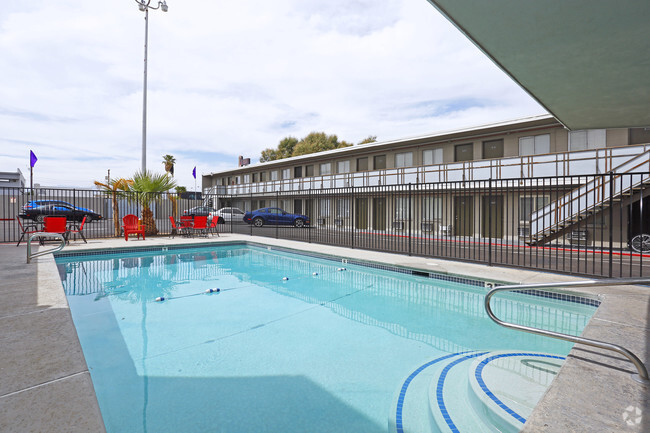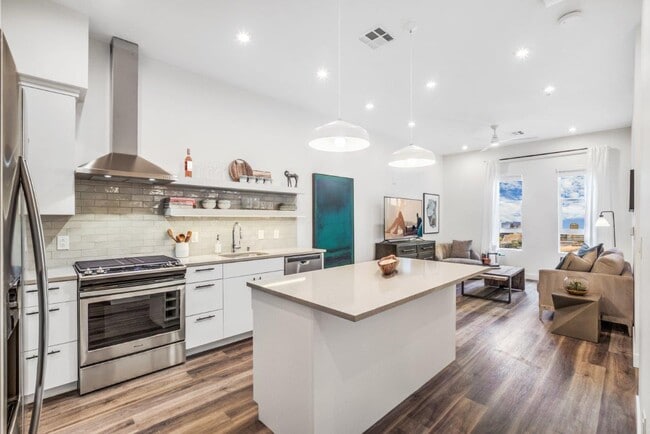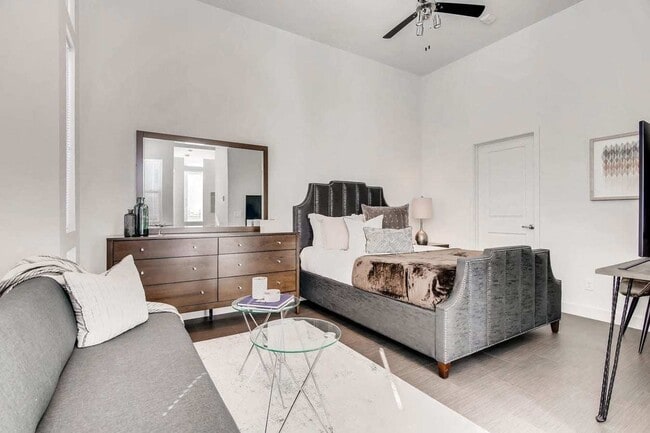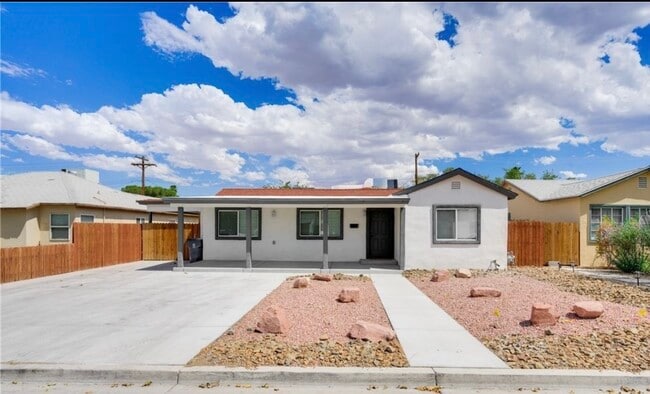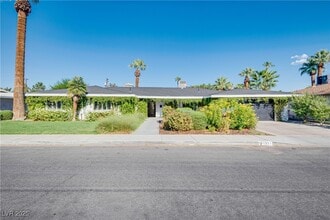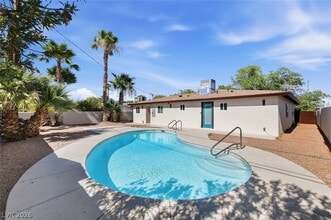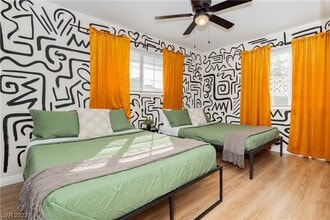
Gemma
1201 S 3rd St,
Las Vegas, NV 89104
$1,640 - $3,375 Plus Fees
1-2 Beds

Area Guide
Right in the heart of downtown Las Vegas, the Arts District is a cultural mecca packed with studios, repurposed warehouses, museums, funky antique shops, chic cafes, and indie art galleries. Also known as 18b for its 18 blocks of businesses, you can admire masterpieces in every media from ceramics to surrealist paintings to photography throughout the district. The Arts Factory houses tons of galleries and quirky shops while the Antique Alley Mall has over 20 independent stores selling vintage clothing, one-of-a-kind antiques, retro furniture, and more. However, this neighborhood’s rich culture goes far beyond the galleries and shops.
Art events and festivals are held throughout the year. Monthly First Friday brings in 15,000 people across Las Vegas for one district-wide block party featuring food, drink, live music, visual performances, and art. The nightlife here is thrilling and as diverse as the art seen in the district. There are bars, pubs, breweries, and entertainment venues with options for any taste and mood, from Casual Street eats to sophisticated cocktails.
The arts district is home to the Las Vegas North Premium Outlets, a true haven for trendsetters and fashionistas with designer and big brand stores. Overall, whether you’re artist, art aficionado, or someone who just enjoys being in the mix, the Arts District is an excellent choice for you to rent your next apartment.
As of July 2026, the average apartment rent in Arts District is $1,119 for a studio, $1,847 for one bedroom, $2,906 for two bedrooms, and $3,826 for three bedrooms. Apartment rent in Arts District has increased by 0.7% in the past year.
Studio
350 sq ft
Average Sq Ft
$1,119/month
Average Rent
1 BR
711 sq ft
Average Sq Ft
$1,847/month
Average Rent
2 BR
1,104 sq ft
Average Sq Ft
$2,906/month
Average Rent
3 BR
1,473 sq ft
Average Sq Ft
$3,826/month
Average Rent
Explore how walkable, bikeable, drivable, and transit-friendly Arts District - Las Vegas, NV is for everyday living.
Fairly Walkable
Walkability
Good Public Transit
Transit
Exceptionally Drivable
Drivability
Fairly Bikeable
Bikeability
In Arts District - Las Vegas, NV, daily errands are quick and hassle-free.
Supermarket Within a 15 Minute Walk
Groceries
Exceptional Restaurant Variety Nearby
Restaurants
Exceptional Café Variety Nearby
Cafes
Exceptional Variety of Shops Nearby
Shopping
Recreation options in Arts District - Las Vegas, NV are limited, so staying active may require more planning.
Moderate Amount of Park Space Nearby
Parks
Limited Wellness Amenity Variety Nearby
Wellness
Get a sense of what it’s like to live in Arts District - Las Vegas, NV from everyday activity to noise and nightlife.
Vibrant Atmosphere at Times
Vibrancy
Exceptional Nightlife Variety Nearby
Nightlife

† Our analysis of utilities, groceries, transportation, healthcare, home prices, and other goods and services is sourced from the Cost of Living Index, a respected benchmark published by the Council for Community and Economic Research (C2ER) that provides a thorough overview of living expenses across different regions.
Rent data is provided by CoStar Group’s Market Trend reports. As the industry leader in commercial real estate information, analytics, and news, CoStar conducts extensive research to produce and maintain a comprehensive database of commercial real estate information. We combine this data with public record to provide the most up-to-date rental information available.
Consumer goods, services, and home prices are sourced from the Cost of Living Index published by the Council for Community and Economic Research (C2ER). The data on this page is updated quarterly. It was last published in June 2026.
Demographic information comes from Neustar and combines detailed address data with U.S. Census and American Community Survey statistics to produce reliable local estimates.