Cities Where Renters Can Stretch Their Budget: Most Affordable Places to Live in the U.S. in 2026 for Renters


With rent prices and the cost of living on the rise, renters are increasingly searching for ways to cut costs to afford housing. While some are cutting back on expenses like going out, others are turning to alternative solutions, such as roommates. Many are taking even bigger steps, including moving cities and even states to find where their money goes further. However, comparing affordability goes deeper than just checking rent prices.
While rent prices are a major indicator of a city’s affordability, they’re not the sole determining factor. The rent-to-income ratio, or the share of local median income that goes toward rent, tells renters how much flexibility they may have in their budget. Cities where rents take up a smaller percentage of the typical household income offer renters more breathing room in their budget. That means more money for other necessary expenses, savings, and entertainment.
The median income in the U.S. is $81,604 while the average rent is $1,642. After calculating the rent-to-income ratio, rents typically take up 24 percent of the median income. To see where that percentage goes even lower, here are some of the most affordable places to live in the U.S. for renters:
|
Rank |
City |
Average Rent |
Yearly Rent |
Median Annual Income |
Rent-to-Income Ratio |
|
1 |
$1,471 |
$17,652 |
$133,444 |
13% |
|
|
2 |
$1,574 |
$18,888 |
$112,425 |
17% |
|
|
3 |
$1,459 |
$17,508 |
$99,547 |
18% |
|
|
4 |
$1,343 |
$16,116 |
$91,017 |
18% |
|
|
5 |
$848 |
$10,176 |
$57,430 |
18% |
|
|
6 |
$934 |
$11,208 |
$61,039 |
18% |
|
|
7 |
$878 |
$10,536 |
$56,816 |
19% |
|
|
8 |
$1,533 |
$18,396 |
$98,180 |
19% |
|
|
9 |
$1,390 |
$16,680 |
$81,906 |
20% |
|
|
10 |
$1,373 |
$16,476 |
$74,845 |
22% |
Methodology
To identify the most affordable major cities, we began with the 100 most populous places in the United States, based on population data from the U.S. Census Bureau. We then evaluated each place across two affordability measures: median household income and rent.
Median household income data came from the U.S. Census Bureau, as well as Apartments.com. Rent data was sourced from Apartments.com and CoStar Group, while cost of living data came from Apartments.com.
Frisco, TX
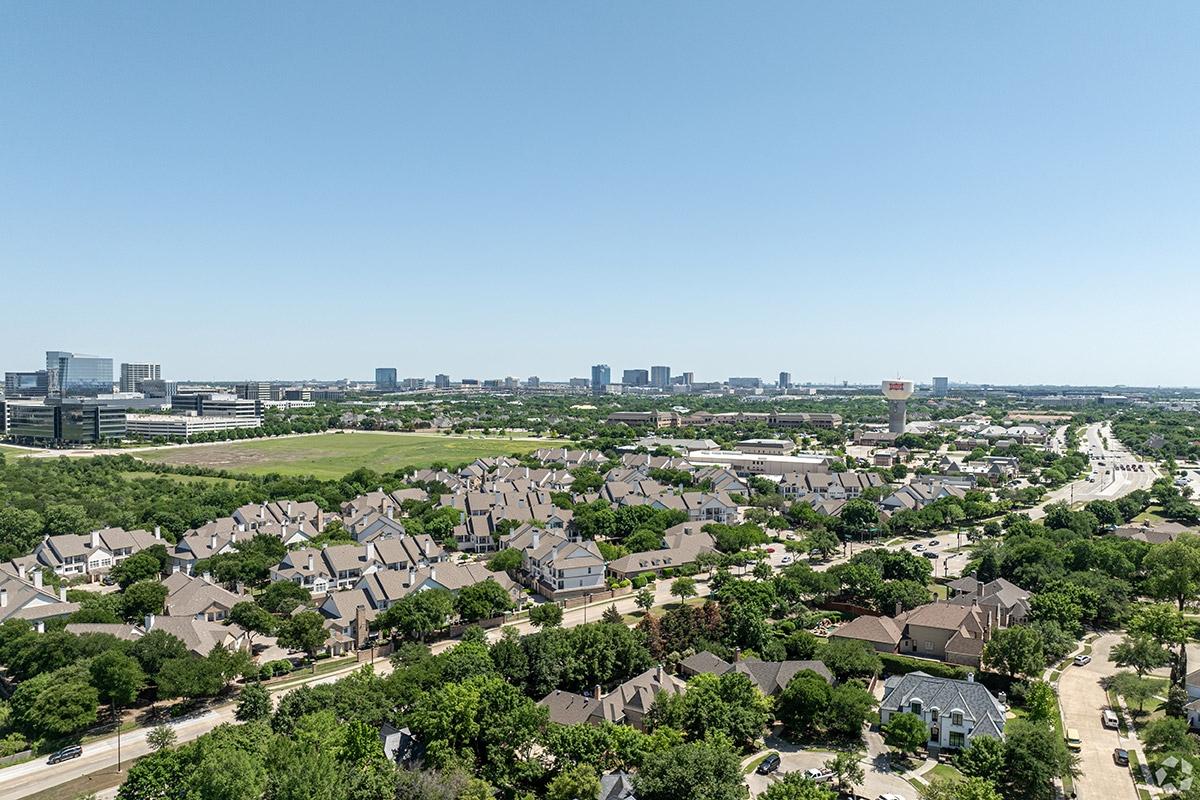
- Average rent in Frisco: $1,471/month
- Yearly rent: $17,652
- Median annual income in Frisco: $133,444
- Rent-to-income ratio: 13%
Why renters can stretch their budget in Frisco
While Frisco is a suburb of Dallas, the city has a favorable ratio of rent to median income. This makes it a hotspot for renters looking for a suburban lifestyle with plenty of amenities that won’t break the bank while remaining close to Dallas.
What renters should know about living in Frisco
Frisco is one of America's fastest-growing communities and has evolved beyond a typical big-city suburb. Major companies have established offices and headquarters in the city, including T-Mobile and Keurig Dr. Pepper Inc, making technology, retail, and healthcare some of the city’s key industries. The University of North Texas at Frisco adds an academic presence that broadens the city’s economy. Its position along the Dallas North Tollway and State Highway 121 also makes it an ideal home base for professionals who work throughout the broader Dallas-Fort Worth Metroplex.
Frisco Historic Downtown is the place to be on weekends, with Main Street containing a walkable stretch of restaurants and shops with that classic Texas charm. Roads and parks are filled with tents and food trucks during events and festivals that bring the community together. More developed, modern spots are located near stadiums, including The Star, home to the Dallas Cowboys headquarters, Ford Center, dining, and retail. There are many spots where residents can get active, including Frisco Athletic Center and Frisco Commons Park, both of which provide space for sports and trails for walking.
Why renters love Frisco
Frisco caters to those looking for a more suburban lifestyle with an excellent selection of attractions and entertainment, all just a short drive from Dallas.
Gilbert, AZ
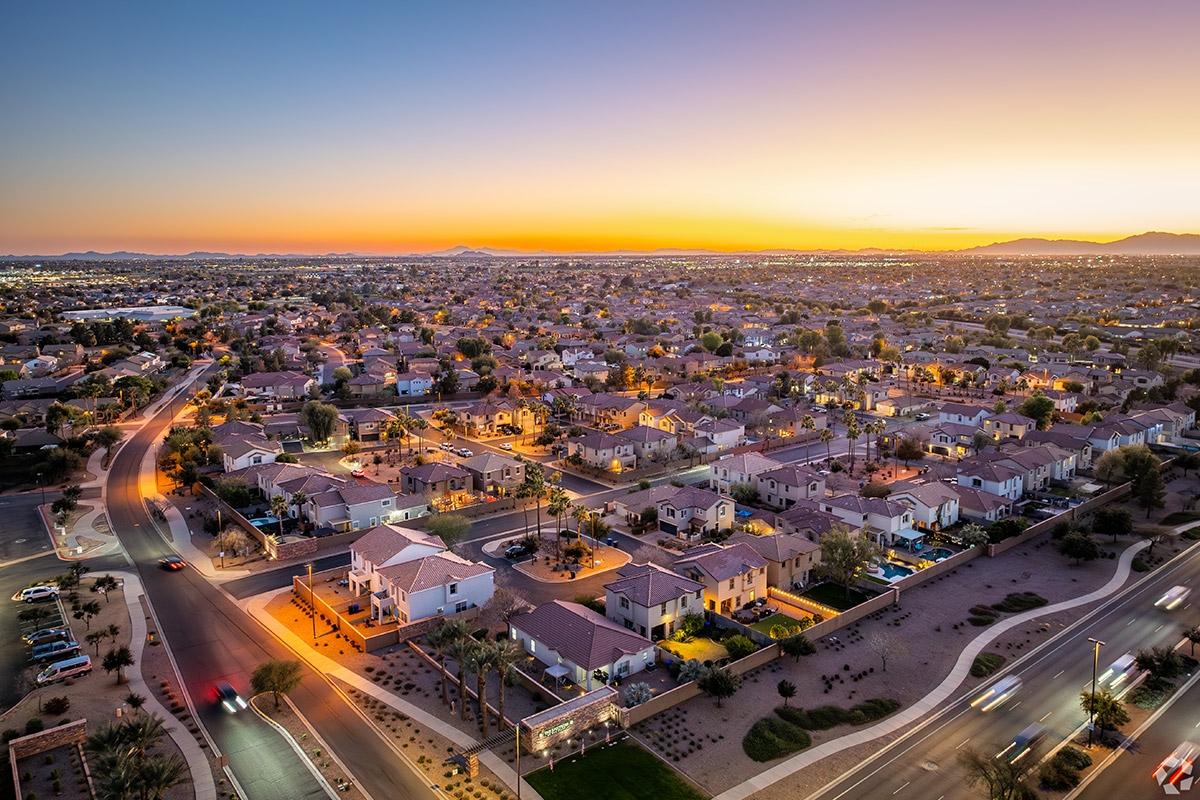
- Average rent in Gilbert: $1,574/month
- Yearly rent: $18,888
- Median annual income in Gilbert: $112,425
- Rent-to-income ratio: 17%
Why renters can stretch their budget in Gilbert
As a suburban city near Phoenix, the cost of living runs a bit higher in Gilbert at 12.9 percent above the national average. However, rents are still four percent below the national average. The median income is sufficient to cover necessities, including housing, while still leaving plenty left over for fun.
What renters should know about living in Gilbert
Gilbert’s job base is rooted in local employment, with the public school system and town government among its largest employers. The healthcare industry also supports a large sector through Banner Health and Dignity Health. Northrop Grumman and Deloitte add variety by diversifying the economy with manufacturing and professional services.
Gilbert is a great example of a close-knit suburb where residents enjoy close proximity to locally-owned shops and restaurants. The Heritage District serves as the town's cultural and social center, with live music and tantalizing eateries in a charming walkable streetscape. There are just as many outdoor opportunities with more than 600 acres of parks and open space, including the Riparian Preserve at Water Ranch, Freestone Park, and the sprawling 272-acre Gilbert Regional Park.
Why renters love Gilbert
Gilbert is a great match for renters looking for a well-laid-out suburban community with a bit of city charm, plenty of amenities, and easy access to the rest of the Phoenix metro area.
Plano, TX
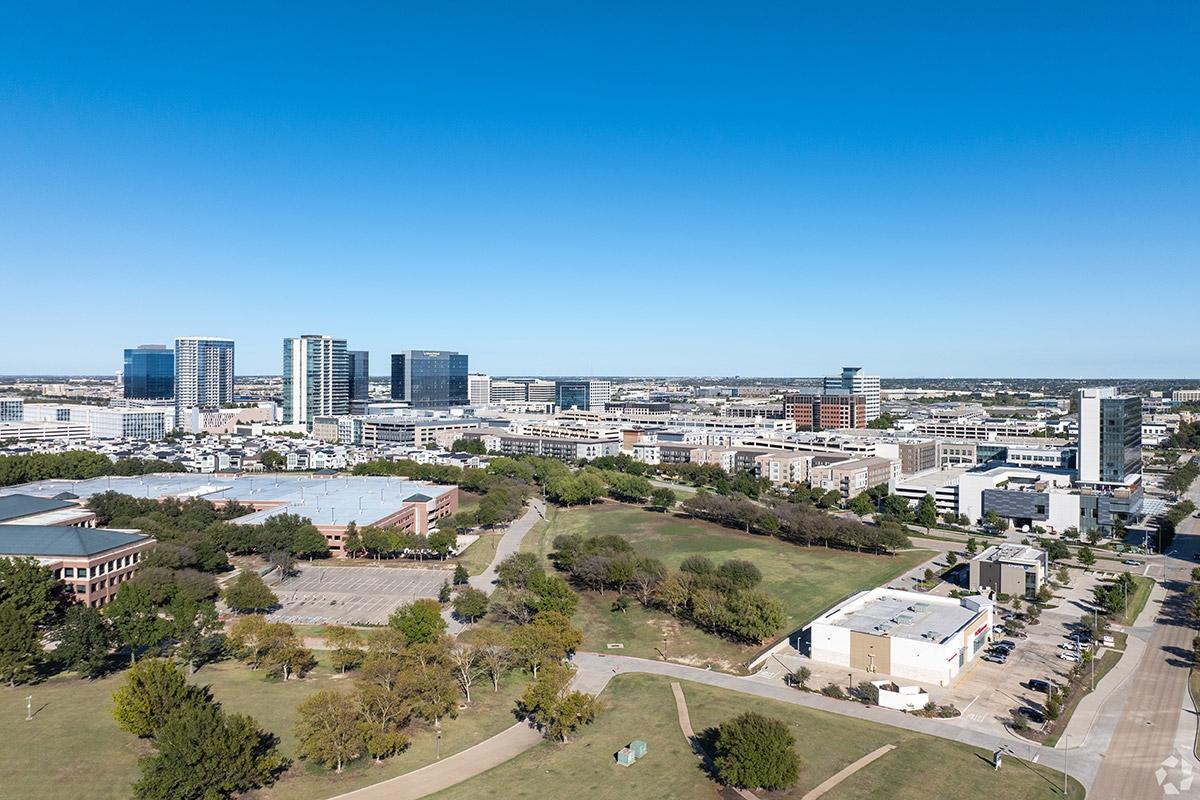
- Average rent in Plano: $1,459/month
- Yearly rent: $17,508
- Median annual income in Plano: $99,547
- Rent-to-income ratio: 18%
Why renters can stretch their budget in Plano
Living in Plano is a bit more expensive compared to other cities as the cost of living is 8.5 percent higher than the national average. Yet, what makes it one of the most affordable cities is the combination of lower average rent and high median income. Rent prices are 11 percent lower than the national average, so even with an elevated cost of living, residents can still live comfortably.
What renters should know about living in Plano
Plano’s economy carries weight as a corporate hub, rather than just a Dallas-Fort Worth suburb. While some residents commute into Dallas via the DART Rail or US-75, many remain in the area for jobs at large corporations, including JPMorgan Chase, Capital One, PepsiCo, and Toyota. The University of Texas at Dallas sits immediately south of Plano, adding another large education and employment center to the area.
Plano gives renters many options, with neighborhoods ranging from affordable communities to ones built around an amenity-rich lifestyle. Legacy West has become a polished shopping, dining, and event destination while the historic Downtown Plano Arts District draws residents with its brick-paved streets lined with galleries, boutiques, and independent eateries. For outdoor enthusiasts, Arbor Hills Nature Preserve and Bob Woodruff Park offer miles of hiking and biking trails as part of the city’s more than 85 parks and hundreds of miles of trails.
Why renters love Plano
Plano strikes a balance between business and leisure with its strong career opportunities and suburban lifestyle, plus walkable entertainment districts and spacious parks.
Anchorage, AK
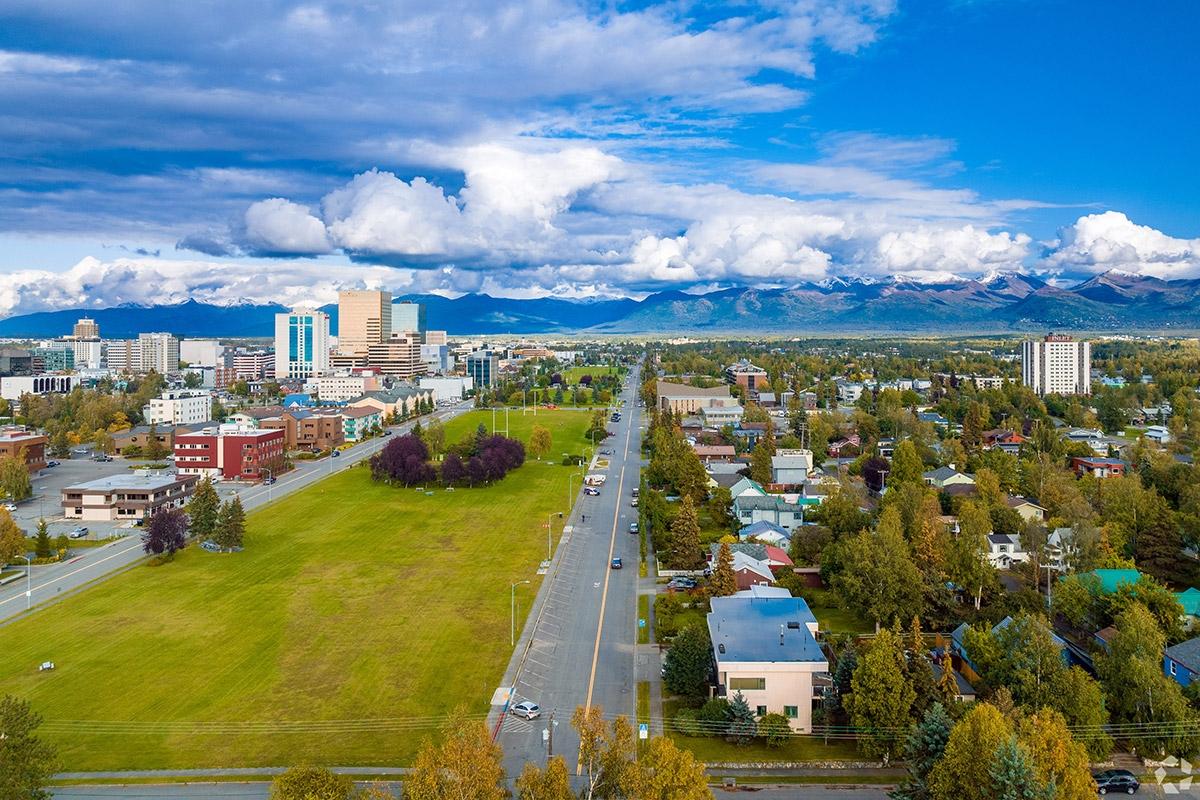
- Average rent in Anchorage: $1,343/month
- Yearly rent: $16,116
- Median annual income in Anchorage: $91,017
- Rent-to-income ratio: 18%
Why renters can stretch their budget in Anchorage
Budgets stretch much farther in Anchorage, largely due to the higher median income and lower rents. Though the cost of living in Anchorage is 25.4 percent higher than the national average, rents are a much smaller percentage of the annual income, leaving plenty of breathing room for other expenses.
What renters should know about living in Anchorage
Anchorage is Alaska’s largest metro, where city life meets untamed wilderness. Set between the Chugach Mountains and Cook Inlet, residents benefit from an abundance of trails, parks, mountains, and even fresh, locally-caught seafood. Downtown Anchorage has a more urban scene with shopping, dining, museums, and performing arts centers packed onto West 4th through 6th Avenues. Yet, there’s still many quiet suburbs that put nature at your doorstep, like Taku/Campbell.
Anchorage’s economy largely revolves around shipping and transportation due to the city’s domestic and international reach. Other industry pillars include military, healthcare, government, and oil. Joint Base Elmendorf-Richardson is just a short drive from the city center, and the state’s largest hospital complex is located in the city. Though Juneau is the official capital of Alaska, Anchorage maintains a large workforce for the state and local government. Oil remains one of the city’s most visible industries, with major energy companies maintaining offices throughout Anchorage.
Why renters love Anchorage
Those looking for an adventurous, outdoor-focused lifestyle without giving up the professional opportunities, conveniences, and entertainment of a big city should check out Anchorage.
Wichita, KS
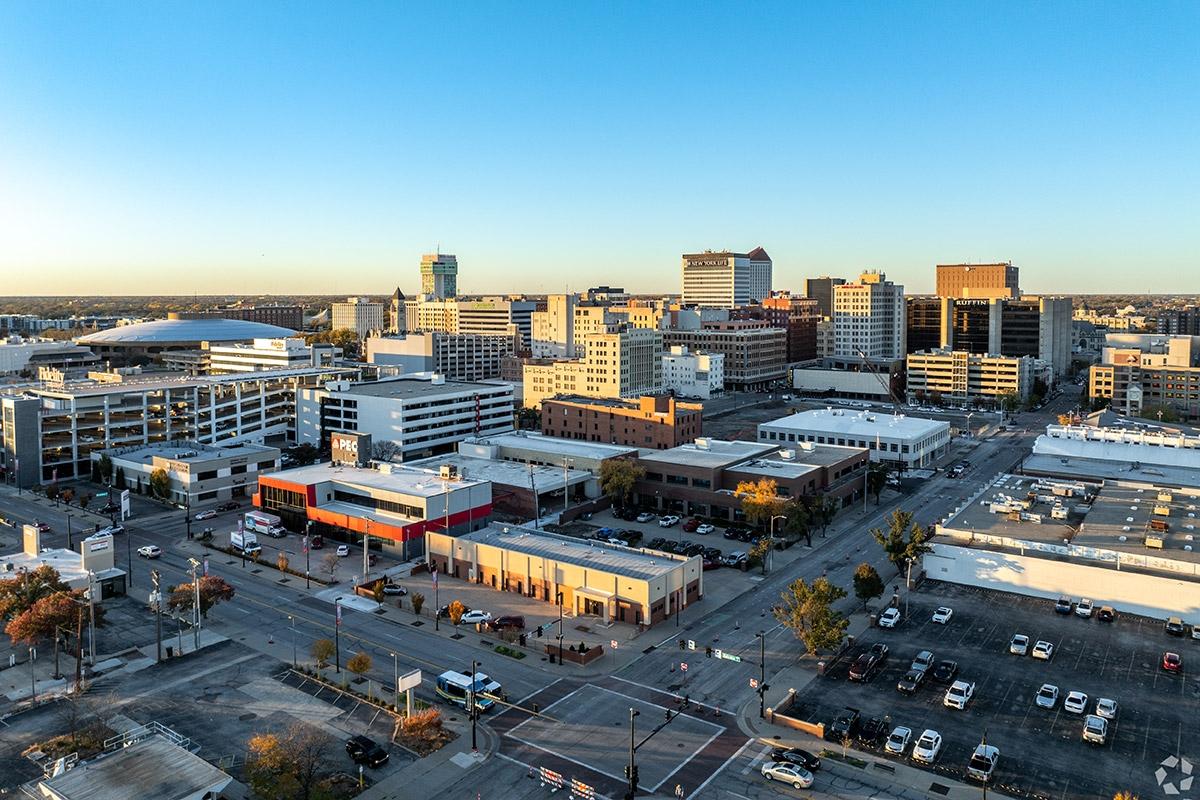
- Average rent in Wichita: $848/month
- Yearly rent: $10,176
- Median annual income in Wichita: $57,430
- Rent-to-income ratio: 18%
Why renters can stretch their budget in Wichita
Wichita is affordable across the board. Both rents and the cost of living fall below the national average, with the cost of living sitting 12.7 percent below and rents almost 50 percent lower. Though the median income is also lower, those affordable expenses help renters’ budgets go quite far in Wichita.
What renters should know about living in Wichita
Called the “Air Capital of the World” for a reason, Wichita is home to major aircraft-manufacturing companies, such as Textron Aviation and Spirit AeroSystems. The city is also supported by strong healthcare and education sectors.
Wichita is divided into distinct districts and neighborhoods that give the city its one-of-a-kind character. The Douglas Design District brings the creative nature of residents to the forefront through galleries and murals, while Downtown Wichita is the main spot for nightlife, restaurants, and entertainment venues. Stop in Old Town for modern eateries with historic buildings and streets, before heading to some of Wichita’s major cultural attractions and museums in Museums on the River. The Arkansas River ties it all together with riverwalk trails and the iconic Keeper of the Plains sculpture, before heading into more affordable suburbs.
Why renters love Wichita
Wichita delivers the full package at a low price with its industrial legacy, walkable art and food scene, and relaxed Midwestern charm.
Oklahoma City, OK
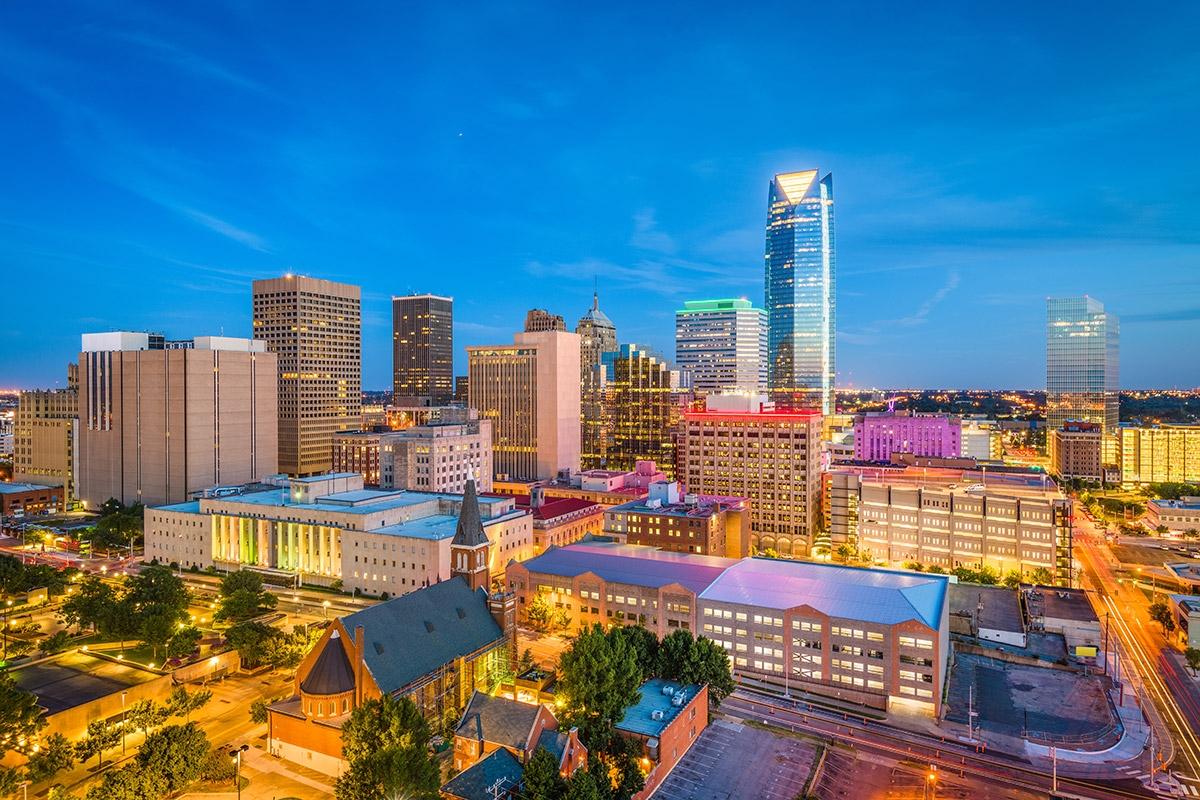
- Average rent in Oklahoma City: $934/month
- Yearly rent: $11,208
- Median annual income in Oklahoma City: $61,039
- Rent-to-income ratio: 18%
Why renters can stretch their budget in Oklahoma City
Oklahoma City gives renters more room in their budgets, thanks to rents being 43 percent lower than the national average and a cost of living that is 18.8 percent lower. This flexibility helps the median income go further, whether renters want to save, spend more on fun, or expand their housing options.
What renters should know about living in Oklahoma City
Oklahoma City has a strong economy because of its diversity. Anchored by a mix of energy, technology, retail, military, healthcare, and government industries, renters flock to the city for its professional opportunities. The State of Oklahoma is one of the city’s largest employers, while Tinker Air Force Base plays a major role in the local job market. Major employers like Integris Health, Amazon, Hobby Lobby, and Mercy Health Center expand opportunities across healthcare, retail, logistics, and corporate services.
Oklahoma City’s best neighborhoods put renters right next to shops, dining, and entertainment in the Arts District, Bricktown, and Automobile Alley. Beyond downtown, there are plenty of affordable neighborhoods that place renters next to great shopping, dining, and green spaces, including the Oklahoma River Riverside Trails and the National Cowboy and Western Heritage Museum.
Why renters love Oklahoma City
From its booming industries to its legendary live music and sports scene, Oklahoma City gives renters a full city experience at a fraction of the cost of most major metros.
Lubbock, TX
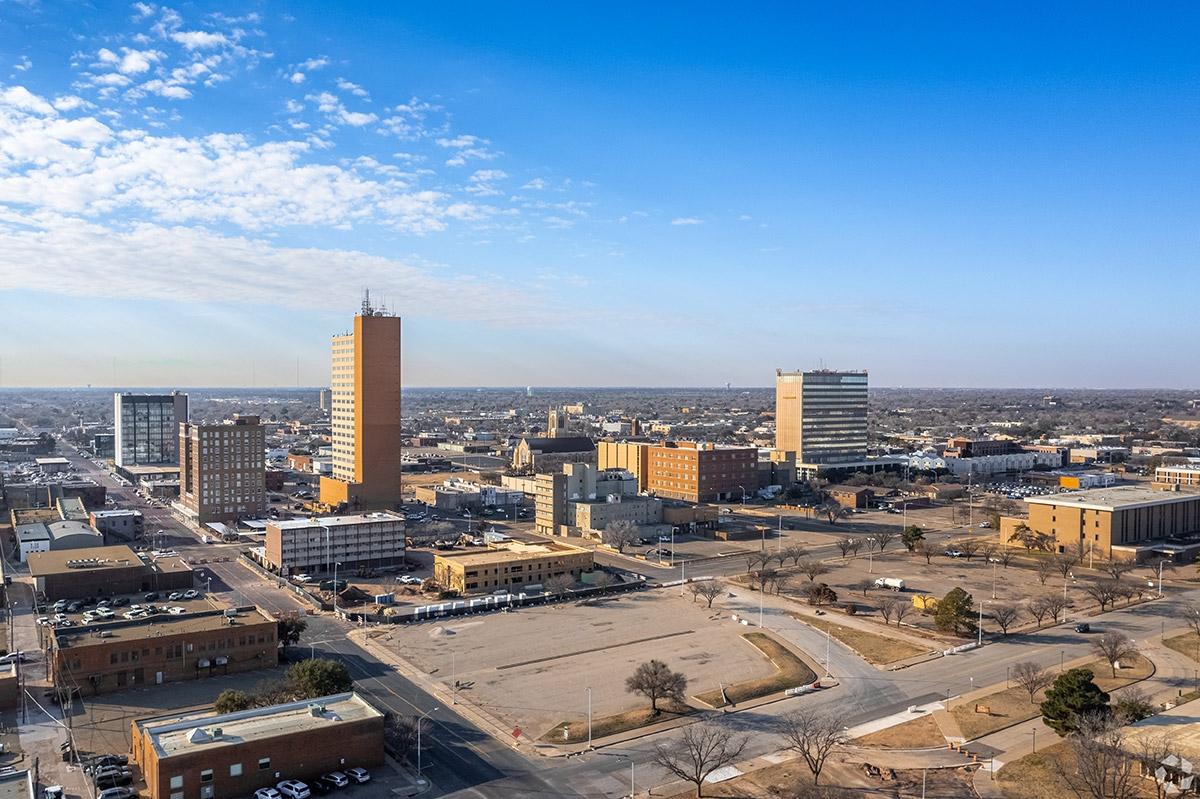
- Average rent in Lubbock: $878/month
- Yearly rent: $10,536
- Median annual income in Lubbock: $56,816
- Rent-to-income ratio: 19%
Why renters can stretch their budget in Lubbock
Texas is known for its affordability, and Lubbock is one of the most affordable cities in the state. Both the cost of living and average rent price are quite a bit lower than their respective national averages. The cost of living in Lubbock is 6.8 percent lower while rents are almost 50 percent lower. Even with a more moderate median income, these low prices help renters live comfortably.
What renters should know about living in Lubbock
Sitting on West Texas's Llano Estacado, Lubbock earns the nickname "Hub City" as the cultural, economic, and educational center for the surrounding High Plains. Though it is a more moderately-sized metro, the city’s pillar industries are an assorted mix, spanning across education, healthcare, agriculture, retail, and energy. Texas Tech University and its related institutions are cornerstones of the city’s economy, alongside Covenant Health System, University Medical Center, the local school district, and the City of Lubbock.
Life in Lubbock revolves around small-town comfort. The Depot District draws residents with its art walks, growing brewery and restaurant scene, and performance venues. Mackenzie Park and the Canyon Lakes network provide plenty of space for all types of outdoor recreation, from land-based activities like hiking and biking to water-centric ones such as fishing and boating. Renters can enjoy this active lifestyle at a lower price point, as affordable neighborhoods keep them close to jobs and entertainment.
Why renters love Lubbock
Lubbock is a compelling option for those looking to put down roots in a mid-sized city that takes pride in its affordability, welcoming community, cultural richness, and Texas character.
Chandler, AZ
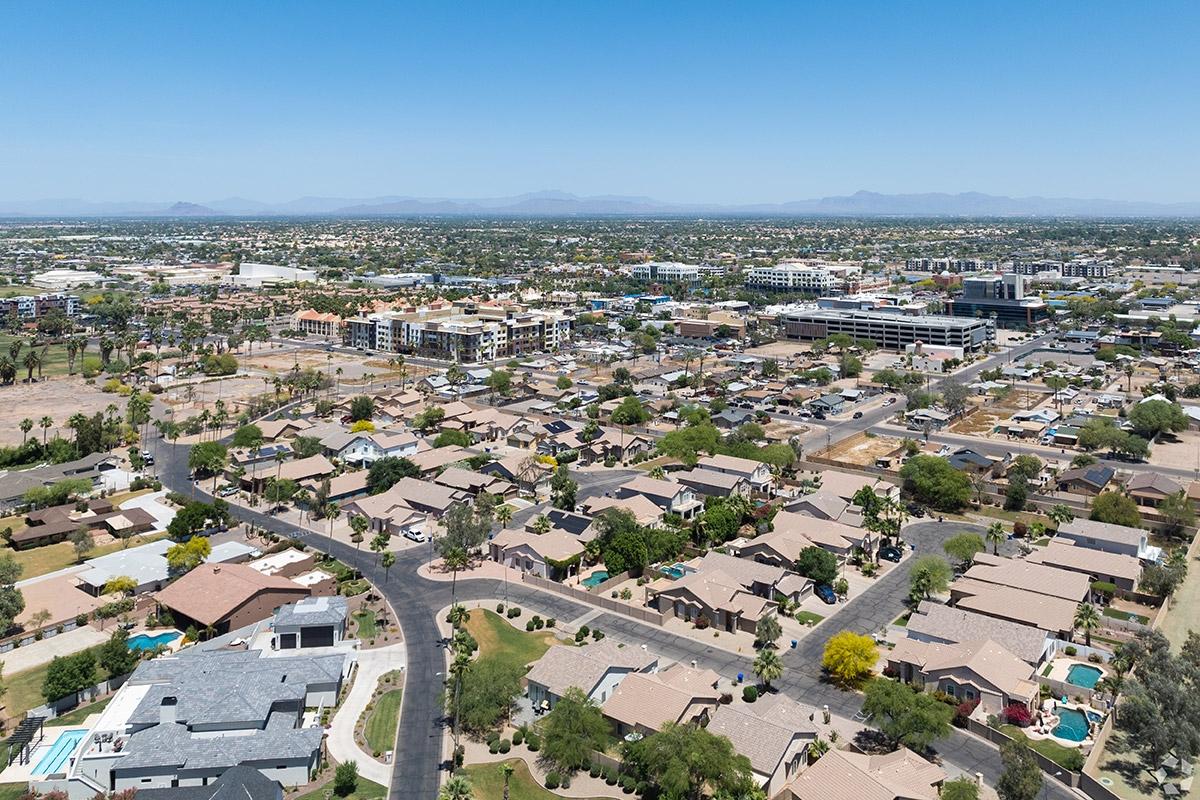
- Average rent in Chandler: $1,533/month
- Yearly rent: $18,396
- Median annual income in Chandler: $98,180
- Rent-to-income ratio: 19%
Why renters can stretch their budget in Chandler
Chandler gives renters a bit more flexibility in their budget, without straying too far from Phoenix. Rent prices are seven percent lower than the national average, and in combination with the higher median income, renters have more room to spend on what they want.
What renters should know about living in Chandler
Chandler has established itself as a tech and financial hub in the Phoenix metropolitan area, backed by a roster of major employers. Intel, Wells Fargo, Bank of America, Verizon, and PayPal all have large operations in the city, and renters can take advantage of the Loop 101 and Loop 202 freeways to get to Phoenix and its broader job market.
Chandler isn’t just a suburb of Phoenix. It’s a self-contained city with plenty of entertainment and a strong local identity. Downtown Chandler is the social hub of the city, where annual festivals are held among a walkable collection of local restaurants, art galleries, and boutiques. Veterans Oasis Park provides 113 acres of preserved desert habitat with walking trails, and numerous aquatic centers and shaded parks give residents somewhere to cool down during the hotter months.
Why renters love Chandler
Chandler strikes a balance between an active job market and suburban ease. Major companies are right in your back yard while a walkable, event-filled downtown is just around the corner.
Austin, TX
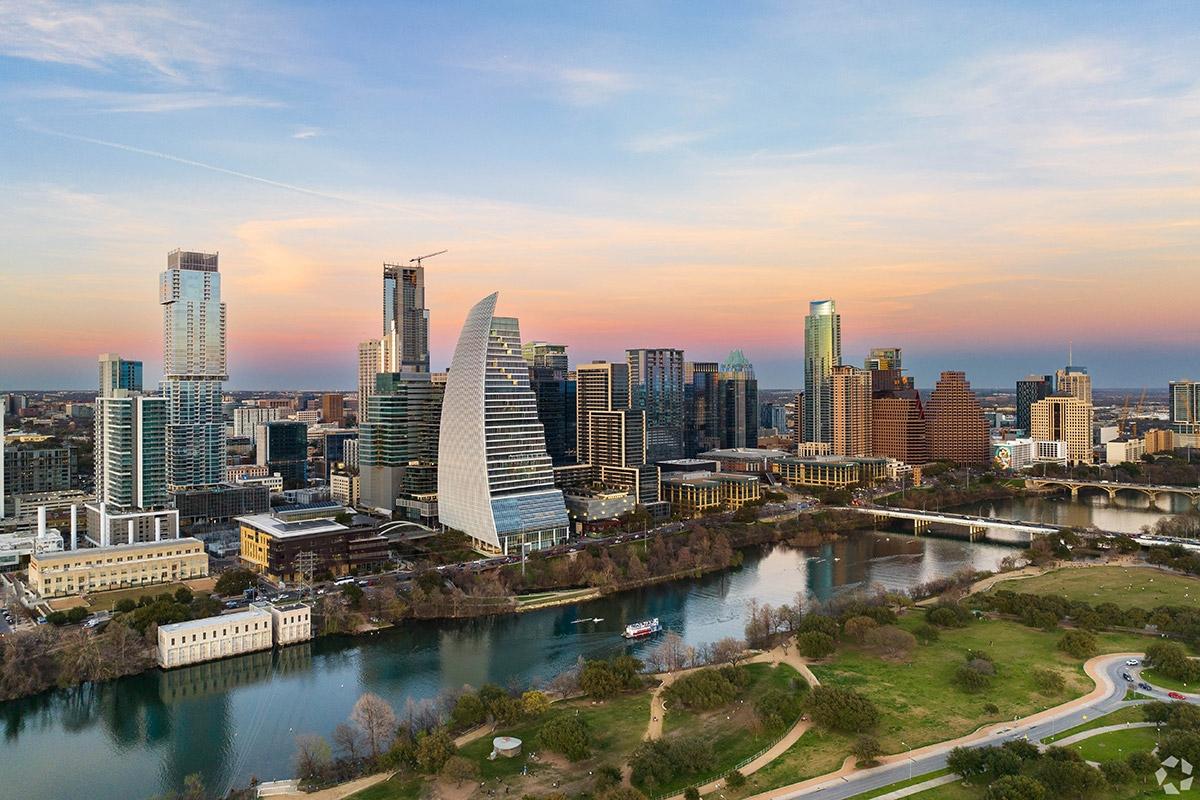
- Average rent in Austin: $1,390/month
- Yearly rent: $16,680
- Median annual income in Austin: $81,906
- Rent-to-income ratio: 20%
Why renters can stretch their budget in Austin
Austin may be one of the major Texas cities, but it still boasts great affordability. The cost of living is 4.4 percent lower than the national average, and rents are 15 percent lower. With strong income growth and professional opportunities, renters may find they can maintain a comfortable lifestyle that’s within their financial means.
What renters should know about living in Austin
The economy in Austin has transformed from being solely based on government and education to becoming a tech powerhouse. While the City of Austin and State of Texas government remain major employers, large tech giants have diversified the pool, including Dell, IBM, Google, and Apple. In addition, both the University of Texas at Austin and Texas State University add focused academic energy to the economy.
Austin’s best neighborhoods each carry a unique identity. Outdoor recreation is central to Austin's identity through Lady Bird Lake's paddle trails, Barton Springs' spring-fed pool, and Zilker Park's expansive green space. Downtown Austin puts you right in the heart of the city’s creative and outdoorsy spirit, where food trucks serve gourmet meals, live music spills onto the streets, and art adorns walls. Suburban neighborhoods are both quieter and affordable. These communities keep essentials within reach, from parks and trails to local shops and eateries.
Why renters love Austin
Austin is a city like no other. Cultural energy, world-class outdoor recreation, and a lively creative spirit blend into a one-of-a-kind identity, providing renters an experience that’s truly unique to Austin.
Aurora, CO
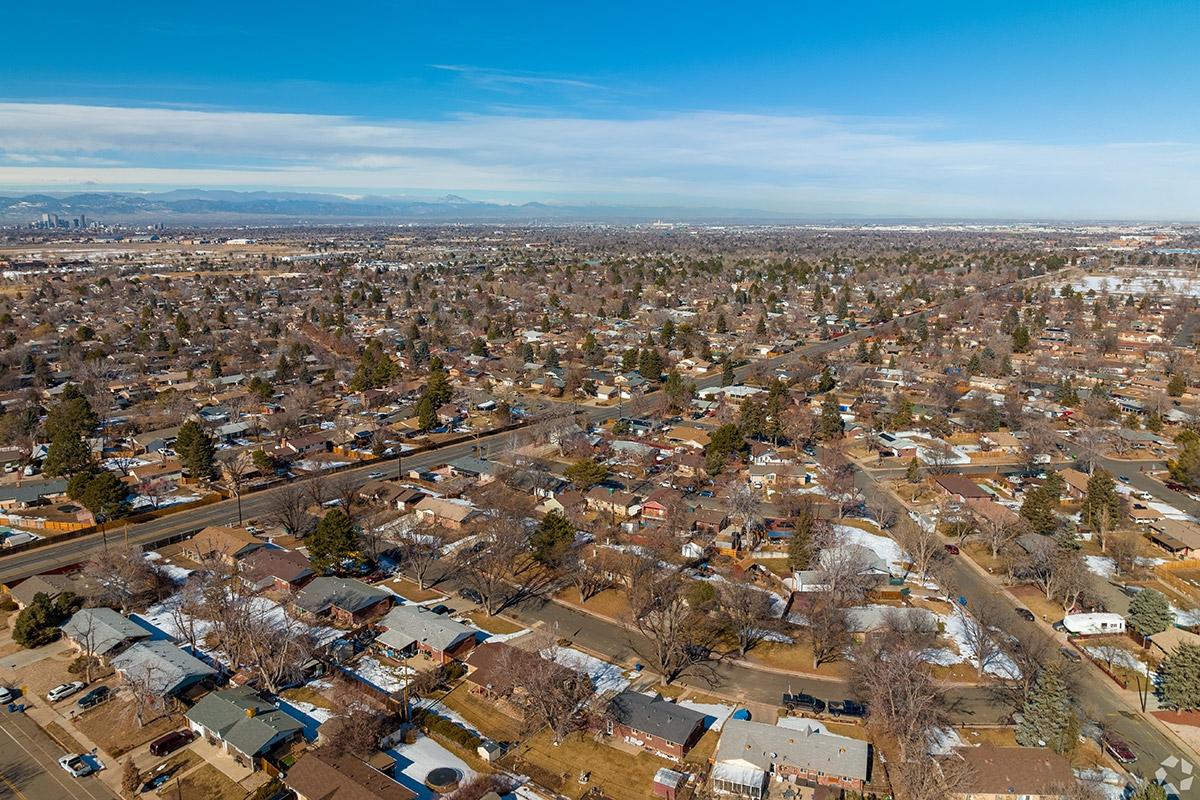
- Average rent in Aurora: $1,373/month
- Yearly rent: $16,476
- Median annual income in Aurora: $74,845
- Rent-to-income ratio: 22%
Why renters can stretch their budget in Aurora
Aurora keeps Denver close while giving renters a more affordable place to call home. Rents are 17 percent lower than the national average, compared to just one percent lower in Denver.
What renters should know about living in Aurora
Aurora's economy is anchored by two major pillars: healthcare and defense. The Anschutz Medical Campus is a world-class healthcare and research complex housing the University of Colorado Hospital, Children's Hospital Colorado, and the VA Eastern Colorado Healthcare System, making it one of the largest employers in the entire Denver metro area. Buckley Space Force Base provides a strong military and defense employment presence. The R Line light rail, I-225, and I-70 make trips to Denver straightforward for those commuting.
Aurora retains Colorado’s outdoor focus while embracing suburban calm and convenience. The city has over 100 parks and 6,000 acres of open space, with Aurora Reservoir and Cherry Creek State Park containing plenty of room for hiking, boating, and waterfront views. Trails and greenways run through much of the city, connecting neighborhoods to parks and green spaces. The Aurora Cultural Arts District along East Colfax Avenue features the historic Aurora Fox Theatre and is the center of the city’s arts scene. Stanley Marketplace has become a hub for local shops and restaurants, with several other malls and shopping centers completing the retail options in the city.
Why renters love Aurora
Aurora is an excellent choice for renters who want affordable access to the Denver metro area, numerous career opportunities, and a lifestyle that puts Colorado's great outdoors right at their doorstep.
Your Next Affordable Home Is Just a Search Away on Apartments.com
You’ve seen the numbers and know where your dollar might stretch the furthest. Now It’s time for the fun part: finding the place. Whether you’re relocating across the country or just crossing town, Apartments.com can help you find your next home in no time while sticking to your budget.
The price filter tool ensures you only see apartments within your budget, so you don’t fall in love with an apartment that’s more than what you can afford. Simply set your minimum and maximum rent range, and only the listings that fit within your budget will be surfaced. Every result you see is a realistic option, saving you time and energy throughout the process. With the right price range locked in from the start, finding an apartment that fits your lifestyle and your wallet has never been easier on Apartments.com.
FAQs
What are the most expensive places to live in the US?
The 10 most expensive places to live in the U.S. where rent takes up the largest portion of the median income are:
|
Rank |
City |
Average Rent |
Yearly Rent |
Annual Income |
Rent as Percentage of Income |
|
100 |
New York, NY |
$3,037 |
$36,449 |
$81,228 |
45% |
|
99 |
Hialeah, FL |
$1,927 |
$23,124 |
$57,151 |
40% |
|
98 |
Jersey City, NJ |
$3,259 |
$39,108 |
$100,751 |
39% |
|
97 |
Miami, FL |
$2,084 |
$25,005 |
$66,337 |
38% |
|
96 |
Detroit, MI |
$1,121 |
$13,452 |
$39,209 |
34% |
|
95 |
Newark, NJ |
$1,611 |
$19,332 |
$58,490 |
33% |
|
94 |
Philadelphia, PA |
$1,625 |
$19,501 |
$60,521 |
32% |
|
93 |
Boston, MA |
$2,559 |
$30,711 |
$97,791 |
31% |
|
92 |
Los Angeles, CA |
$2,081 |
$24,967 |
$82,263 |
30% |
|
91 |
Cleveland, OH |
$1,094 |
$13,133 |
$43,383 |
30% |
How much should I spend on rent?
A good rule of thumb is to spend about 30 percent of your gross income on rent. This allows you room for other essentials, wants, and savings. Depending on your lifestyle and goals, the percentage is flexible, so it should match your financial situation.
What are the top 5 affordable states to live in?
According to Apartments.com, the top five affordable states to live in for renters are:
- Oklahoma: $912/month
- Arkansas: $966/month
- North Dakota: $979/month
- Iowa: $981/month
- West Virginia: $982/month


