

AI has exploded across the country and become an integral part of people’s everyday life, both personal and professional. With the rapid rate of investment, development, and integration of AI across industries, AI has a far-reaching effect that touches many cities, but in different ways. From major metros cementing themselves as AI hubs to data centers putting smaller cities on the map, AI is taking the nation by storm.
Just as AI is reshaping the economy, it’s also altering the rental landscape. Whether you’re relocating or renewing, understanding what kind of AI growth your city is experiencing can help you make smart choices on where to live and your rental priorities.
Key Takeaways
- AI is reshaping rental markets in two distinct ways: AI talent hubs drive rent growth and competition as high-earning workers move in, while data center hotspots most often impact renters through utility costs, infrastructure strain, and livability concerns rather than a surge of new residents.
- Data centers are already pushing U.S. power demand higher, and renters feel it in bills and reliability. EPRI estimates data centers use about 4–5 percent of total U.S. energy today and could reach 9–17 percent of U.S. electricity by 2030; Pew reports a typical AI hyperscale data center can use the electricity of 100,000 households per year.
- Data center hotspots can stay renter-friendly on price even as demand rises. These markets often add supply fast enough to keep rent growth muted compared to AI talent hubs.
How AI Is Altering Rental Markets
The AI boom shows up in cities in two ways: AI talent hubs and data center hotspots. AI talent hubs are what most people picture; a technological renaissance characterized by AI companies, high-paying jobs, and professionals pushing the limits. Data center hotspots are the backbone of AI existence and usage. These cities have an industrial mind that’s focused on power, reliable infrastructure, and plenty of space.
Data center hotspots
Data center hotspots aren’t AI talent hubs, which is why renters in these areas have a different experience. Since there is no flood of workers and companies, the impact is felt more in utility costs and livability compared to rent and availability pressures. Though it brings jobs during its construction of skilled workers, once completed that number drops sharply.
The biggest shift is the demand for resources that data centers bring. With large quantities of power and water in addition to solid infrastructure required to operate data centers, renters have expressed concern over high electricity and water bills as well as strain on the power grid and spotty reliability.
The Electric Power Research Institute (EPRI) found that data centers pushed annual U.S. electricity load growth from about 1 percent per year (2019–2024) to roughly 2 to 3.6 percent per year. According to the Pew Research Center, a typical AI-focused hyperscale data center uses the same amount of electricity as 100,000 households each year. Larger ones are theorized to use 20 times as much.
There are just as many quality-of-life questions as well. Depending on the location, renters may deal with increased traffic and noise. Residents have also noted environmental worries, particularly surrounding air and water quality and usage.
AI talent hubs
AI talent hubs are growing fast as companies ramp up hiring and more professionals move into these cities to take advantage of the opportunities. Many start out as renters, and this sudden increase in demand pushes rents up and makes apartments harder to land.
Whereas rent specials may have once been commonplace, now very few communities in AI talent hubs offer them. Rentals are being leased without any negotiation as renters are focused on landing a home, not haggling. Higher-paying roles also increase what renters can spend, keeping rents on the rise.
In cities grappling with low new supply and high home prices, these effects are often even more prominent. Renters prioritize short commutes and nearby amenities, leading to downtown neighborhoods and those near major company campuses feeling the squeeze the most.
Data Center Hotspots: Demand Keeps Pace with Supply
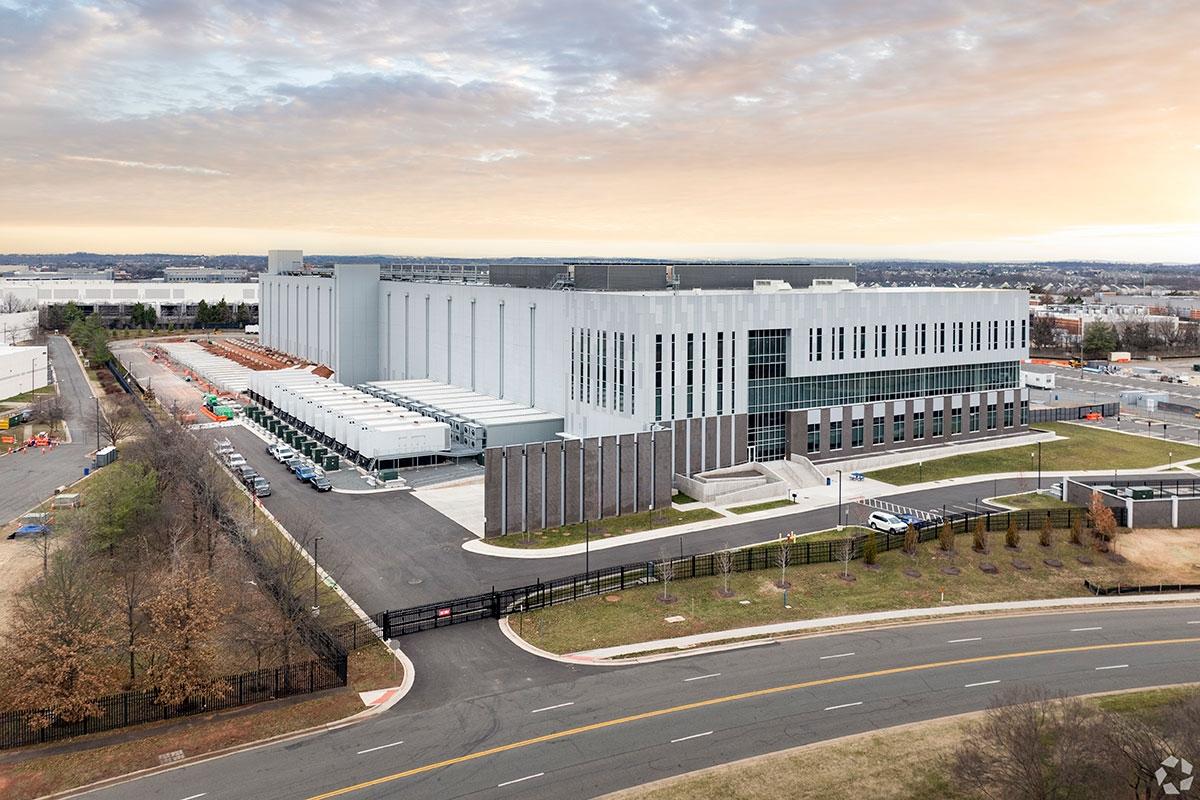
Data centers go hand-in-hand with AI as they are backbone of the models. While research, development, and innovation are primarily concentrated in big cities, data centers favor industrially-focused areas that have enough space, power, network access, and infrastructure.
The Pew Research Center reports that a third of data centers in the US are clustered in three states: Virginia, Texas, and California. Broken down at a city level, some of the main data center hubs are in northern Virginia, Dallas, Chicago, and Phoenix.
These cities are likely to stay front-runners. Pew notes that the International Energy Agency (IEA) estimates that half of the data centers being built in the U.S. are located in existing data center clusters.
Renters in these areas need to keep an eye on utility costs and how their city and neighborhood changes as more data centers are built and expanded. The Electric Power Research Institute (EPRI) says that U.S. data centers use about four to five percent of the country’s total energy consumption. By 2030, they project that data centers could take up 9 to 17 percent of the nation’s electricity.
Northern Virginia (Ashburn, Sterling, and Manassas): Data Center Alley
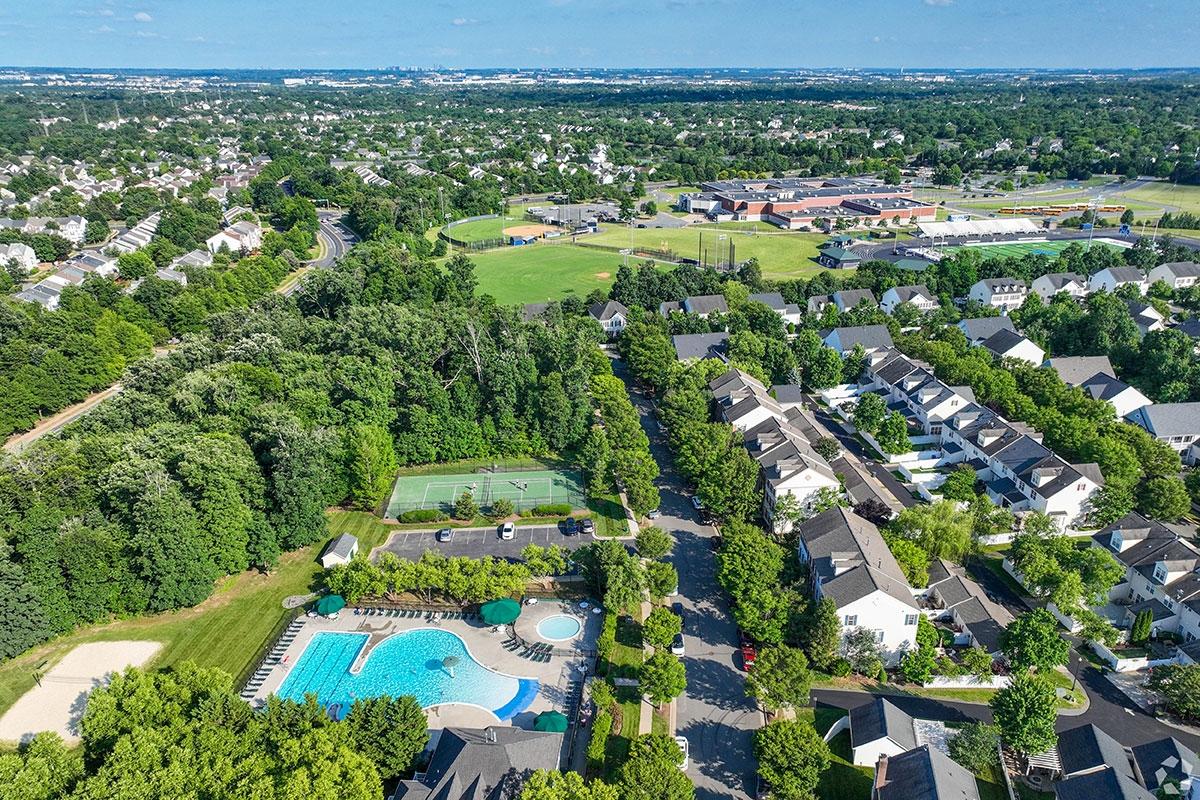
- Average rent in Ashburn: $2,170/month
- Vacancy rate in Ashburn: 7.1 percent
- Renter concerns: environmental and health impacts and lack of regulation
Why Northern Virginia is built for data centers
The Pew Research Center noted a key concentration of about 349 data centers outside of Washington, DC. The heart of the operation is Ashburn, nicknamed Data Center Alley, with the surrounding hubs of Sterling and Manassas. Many cloud operators and networks operate out of Northern Virginia due to its well-connected and central location, creating good network access.
The region already has a strong power grid, with reasonable power and investment costs alongside a favorable business climate. This pre-existing infrastructure has made it the perfect place for AI-focused data centers to invest in.
The EPRI reports that data centers used more than 25 percent of the entire state’s electrical supply in the past year. That share could more than double as data centers are projected to consume 41 to 59 percent of the state’s electricity by 2030.
The impact of data centers on residents in Northern Virginia
Though data centers have long called Northern Virginia home, the rapid pace of new, AI-focused developments has many communities and residents objecting. Many are worried about environmental and health impacts, including diesel backup generators that emit air pollutants and worsen local air quality.
The constant noise is another big concern as no one wants to live with a never-ending hum in the background of their everyday life. Data centers also disrupt the beautiful landscape, replacing nature with warehouse-style buildings.
Power and water consumption are another major worry. Though northern Virginia has a strong power grid because of its history with data centers, even it has trouble keeping up with the sudden increase in demand. The expansion of the infrastructure and high electricity usage may come at the cost of rising utility bills, causing concern among residents.
Residents are pushing for tighter oversight of data centers. Some want clearer standards that dictate the construction and operation of data centers that cover their worries, including environmental and health concerns. They head to local government meetings to voice their concerns, and lawmakers respond by introducing bills and legislation that would limit data centers.
Rental market snapshot of Northern Virginia
Even with concerns over data centers, northern Virginia has sustained strong demand. Proximity to employment opportunities and lifestyle have continued to pull renters to this region. However, this has also led to rents increasing to prices that rival popular Washington D.C. neighborhoods, like NoMa. The average rent in Ashburn is $2,170/month, quite close to NoMa’s average of $2,211/month.
Dallas, TX: The Main Texas Data Center Cluster
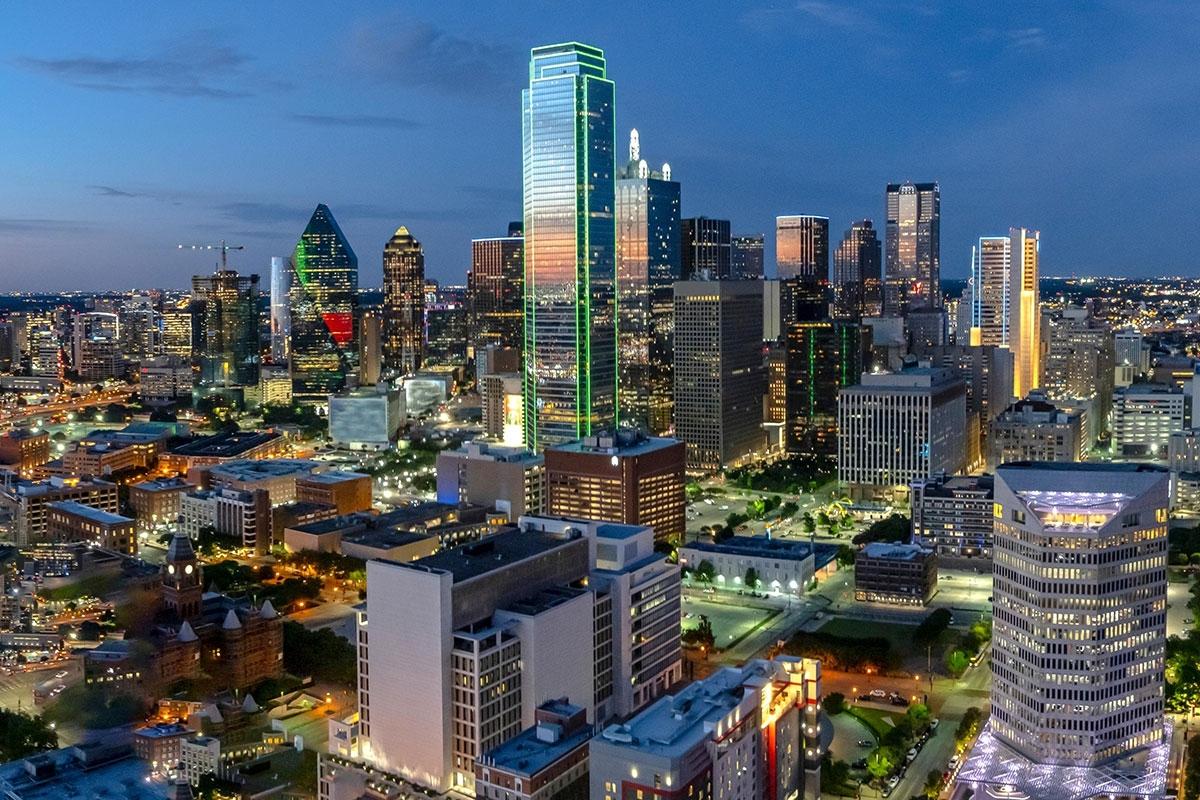
- Average rent in Dallas: $1,402/month
- Vacancy rate in Dallas: 12.4 percent
- Renter concerns: water usage and environmental impact
Why Dallas is built for data centers
The Dallas-Fort Worth metro area has the majority of the data centers in Texas, with 193 out of 395 data centers. While many data center clusters are running out of room, there is no space bottleneck in Dallas thanks to ample land.
With an economy that leans industrial, the infrastructure has developed to support this, creating favorable power costs and availability for AI data centers in a business-friendly environment. The state also supports this development through tax incentives.
The impact of data centers on residents in Dallas
The speed at which data centers are flocking to the metro area has some residents pushing back, citing concerns over air pollution and environmental harm. Dallas has many beautiful natural features, and some residents worry those are going to be forever changed by data centers. Some cities and towns have been discussing the implementation of limits, but these conversations take time. In February, Hood County rejected a proposition to pause data center developments, even among residents strongly voicing their opposition at local meetings.
In a state that already has drought plans and water-use limits for emergencies, the amount of water used by data centers worries many. The same goes for the power grid because the speed at which data centers are being built doesn’t leave much time for expansion and upgrades to the grid to strengthen reliability. The strain on both of these systems raises fears about higher utility prices. However, many residents have bigger fears, especially after past events.
Having a reliable power grid is a huge concern for many residents after the 2021 Texas electrical grid failure. In February of that year, Winter Storm Uri caused a massive blackout, leading to millions losing power and countless dangerous situations. While changes have been made to increase the resilience of the power grid, many are worried that data centers are too much of a power burden on the system and that a similar failure could happen again.
Rental market snapshot of Dallas
Though residents struggle with evolving challenges posed by data centers, job prospects, affordability, and quality of life have kept demand high in Dallas. A supply wave keeps rents low and availability high, but even in this renter-friendly market, competition is still tough among renters in highly desirable areas.
The highest rent increases and average prices are near major employment hubs, especially areas with plentiful amenities. While the average rent in Dallas sits at $1,402/month, in popular neighborhoods, both downtown and in the suburbs, it can climb up to over $2,000. In Uptown Dallas, the average rent is $2,352/month, which is a 68 percent difference.
Chicago, IL: Data Centers with International Reach
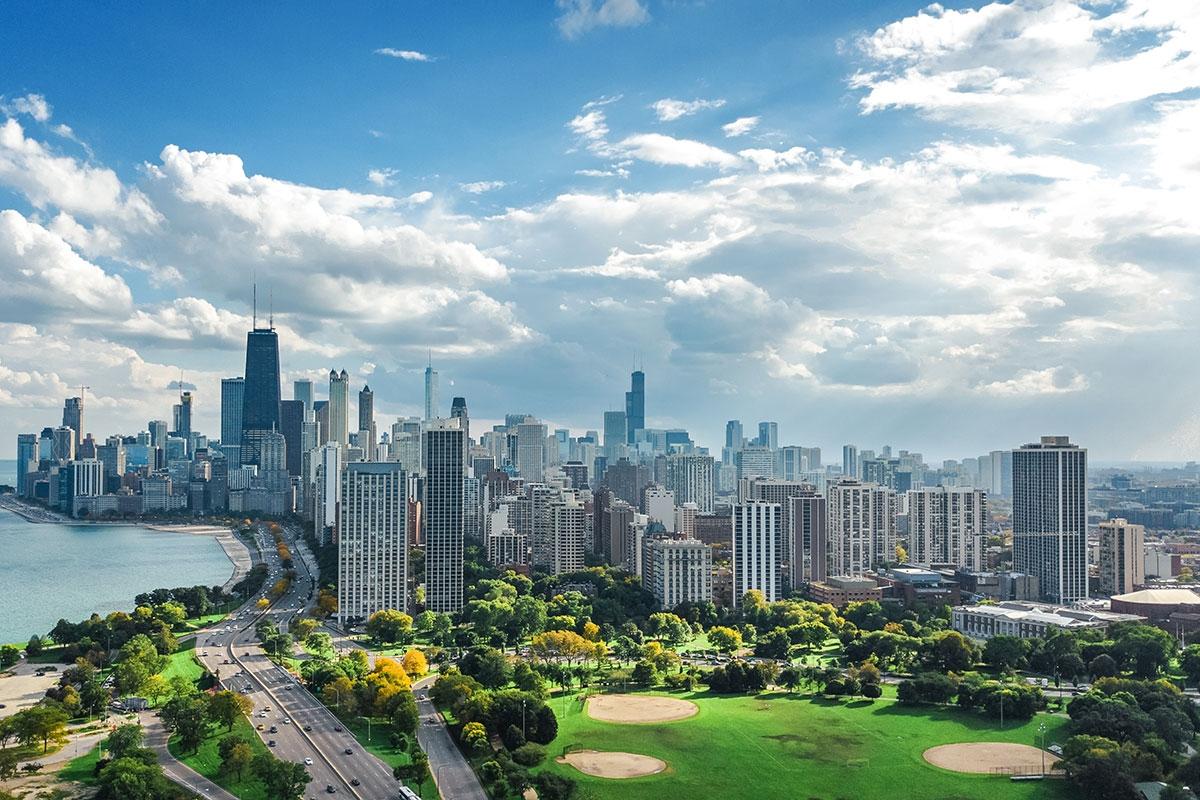
- Average rent in Chicago: $1,966/month
- Vacancy rate Chicago: 5.1 percent
- Renter concerns: quality of life, including noise and light
Why Chicago is built for data centers
Chicago is one of the best areas in the Midwest for data centers, given the city’s position as an epicenter of business. Currently, Pew Research Center says there are about 165 data centers located in the Chicago area. The EPRI ranks Illinois overall as 4th highest state when looking at data center electricity consumption.
While space and land in Downtown Chicago comes at a premium, the suburbs offer much more attractive prices. No matter where the data center is located, it still benefits from the north-central location of the city, with the rest of the U.S. and Canada within reach. There is significant investment into renewable energy and nuclear generation to address sustainability concerns.
The impact of data centers on residents in Chicago
While many communities are discussing limits on data centers, like stricter zoning rules and regulation, the speed at which data centers are being built doesn’t allow much time for these conversations. Some places have created temporary bans on construction to allow these discussions to happen, but not everywhere.
Residents are left to worry over rising power bills, strains on the water supply, excess heat impacts, and noise. Who will pay for the increased water and power usage is a main question for residents as utility bills have already increased.
It’s not just the rising utility bills that frustrate renters, but also the noise. Residents moved away from the city for quieter streets, and not for the hum created by data centers.
Rental market snapshot of Chicago
Chicago’s rental demand has stayed constant amid data center struggles, reinforced by major employers, educational institutions, and the proliferation of AI. This surge in demand from AI has kept competition tough among renters as the supply level struggles to keep up. Data centers have brought this imbalance to suburban neighborhoods as well. Rents in Chicago have increased by five percent over the past two years, resting at $1,966/month.
Phoenix, AZ: West Coast Proximity for Data Centers
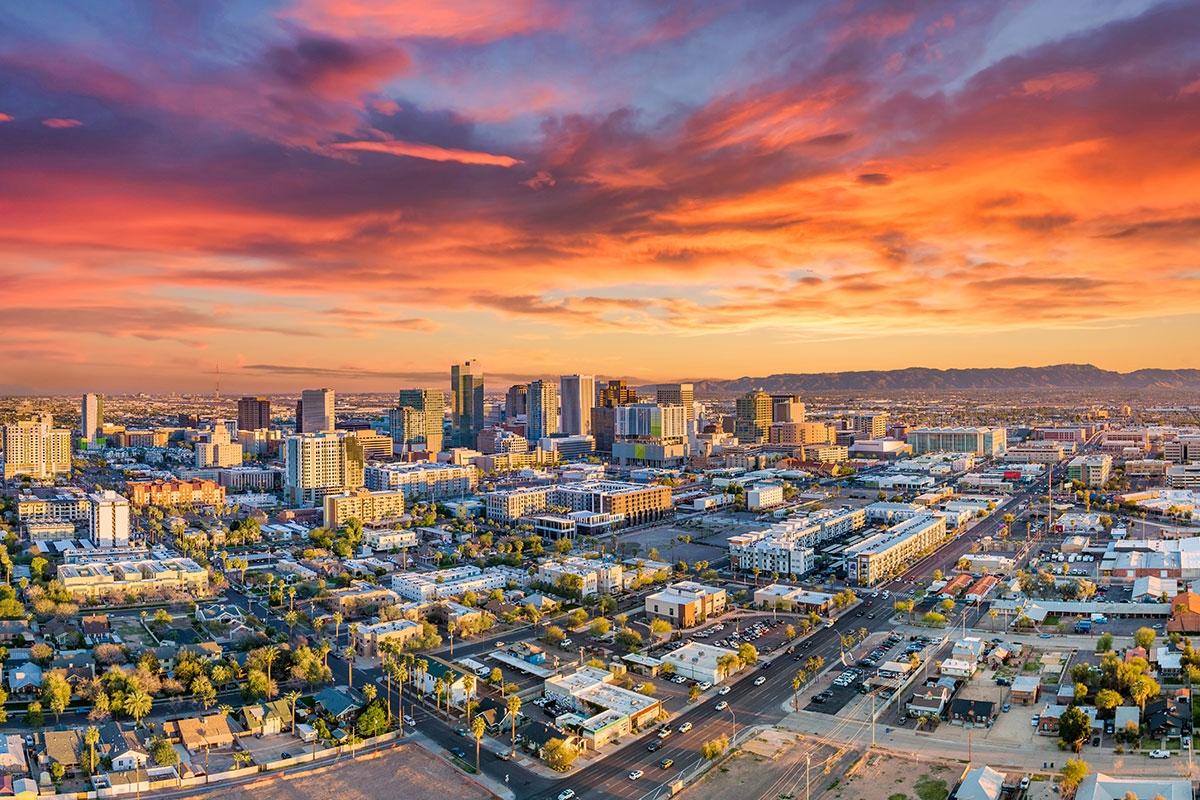
- Average rent in Phoenix: $1,301/month
- Vacancy rate: 12.5 percent
- Renter concerns: water usage and power grid capacities
Why Phoenix is built for data centers
Phoenix is a prime spot for data centers, thanks to its location near the west coast. The city provides short distances to major AI hubs like the San Francisco Bay Area and Los Angeles, but without the high prices of California. The valleys and plains between the mountains provide the perfect place for data centers to take root, protected from natural disasters and extreme weather.
Electricity is affordable due to competition between power providers, and the infrastructure continues to develop to accommodate growing needs. There is also an availability of renewable energy sources as solar energy has become more commonplace in Phoenix.
Currently, Virginia is the only state where data centers use more than 20 percent of the state’s electricity. But the EPRI hypothesizes that Arizona will be one of seven additional states that will share that title by 2030.
The impact of data centers on residents in Phoenix
Though data centers have fueled Arizona’s recent economic growth, many renters see the trade-offs up close. In a state already grappling with water scarcity, the significant amounts of water needed to cool data centers concern many, especially during the extreme desert heat.
Data centers are researching more sustainable cooling practices while cities try out water usage limits and efficiency measures, but residents have to wait and see the impact that has on them and their water and sewage bills.
The concern isn’t just limited to water. The rapid expansion of data centers has raised fears about pushing the power grid beyond its capacity. The EPRI reported that seven percent of the state’s electricity is used by data centers, and residents are worried that the price utility companies will charge to keep pace with the increased demand and infrastructure development may come out of their pocket.
To alleviate these worries, state and city governments have started implementing restrictions on data centers. These measures are not outright bans, but limits on resource use, noise, and zoning to try to balance growth with livability and affordability.
Rental market snapshot of Phoenix
Though demand has steadily increased in Phoenix, thanks to more job prospects and AI investment, a supply wave has kept conditions favorable for renters. With affordable rents that have decreased by two percent in the last two years, the average rent in Phoenix is the lowest one on this list at $1,301/month.
Atlanta, GA: Business-Friendly Environment for Data Centers
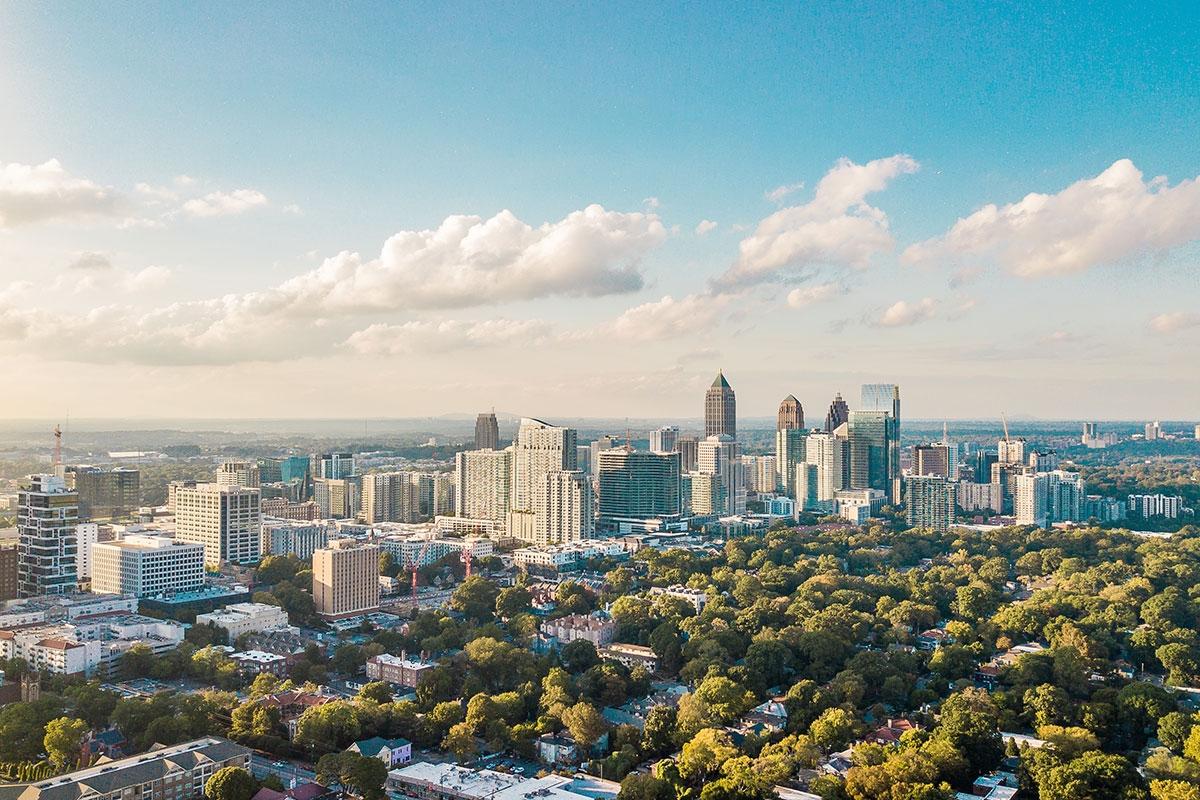
- Average rent in Atlanta: $1,615/month
- Vacancy rate in Atlanta: 11.9 percent
- Renter concerns: power and water bills
Why Atlanta is built for data centers
Atlanta has become a major location for data center development, encouraged by Georgia’s generous tax incentives. Most projects take root outside the city core, clustering in suburbs and neighboring cities where land is cheaper and larger. Atlanta has the infrastructure to support these data centers, and it’s scaling its power grid to meet increased demand and handle more projects.
The city also has a business-friendly environment with a low cost of operations and access to educational institutions. Though the rapid expansion is favorable for data centers, it has a much more challenging effect on renters.
The impact of data centers on residents in Atlanta
Renters near data centers have found the downsides of being so close. Power bills have climbed steadily over the past couple of years in Georgia. Residents are worried that they are going to climb even higher due to the increased usage and power grid improvements for data centers.
The same goes for water usage, as supplying data centers with the necessary water requires additional water treatment capacity and infrastructure upgrades. The costs of those additions can push up water and sewer bills and even affect water quality in extreme cases. Water is not the only environmental concern, since many are worried about the potential pollution that the construction and operation of data centers will cause.
To address the worries of residents, both city and state governments are considering tighter rules for data centers. Some jurisdictions have adopted bans on new data centers, though most focus on limitations, like zoning regulation, noise standards, and resource usage adjustments. The state of Georgia recently started exploring a statewide moratorium on new data centers, one of the first of its kind, but certainly not the last.
Rental market snapshot of Atlanta
Renters continue to flow into Atlanta as they look for better affordability compared to other major metros. While both suburban and downtown neighborhoods have blossomed with growth, locations near major employers and amenities have taken the top spot. A balance between supply and demand has been maintained, keeping rent prices steady around the current average of $1,615/month.
AI Talent Hubs: Increased Rents and Competition
In its July 2025 report “Mapping the AI Economy,” Brookings highlighted the leading cities based on three pillars: talent, innovation, and adoption. The advent of AI in these top cities has changed their economic landscape; some pull ahead by focusing on research and development while others lead in practical application and implementation. Renters feel this change clearly in housing, where demand, availability, and prices change depending on how the city adapts.
San Francisco, CA: AI powerhouse
- Average rent in San Francisco: $3,241/month
- Vacancy rate in San Francisco: 4.3 percent
- Impacts on renters: higher rent prices and less availability
San Francisco is the superstar of the AI industry in the US. Many industry leaders pioneering AI call the Bay Area home, from OpenAI and Anthropic to Google, Nvidia, and Apple. A new AI startup is popping up every day in the city as 31 percent of AI startups operate in the region.
While the city’s strengths lie in business and development, it is no slouch on the research side as well, with top universities like Stanford and the University of California, Berkeley, rounding out the picture.
After years of being stagnant, the AI boom breathed a new life into San Francisco and sent prices skyrocketing to an average rent of $3,241/month. From 2024 to 2026, the average rent increased by 11 percent.
Few other cities have seen even close to this big a jump in rent prices, highlighting San Francisco’s rapid growth due to AI. Renters are finding it difficult to rent apartments because of a combination of low supply, strict competition, and high demand. The AI boom is also affecting neighboring regions, as Sacramento is becoming an increasingly popular alternative for data centers and AI companies.
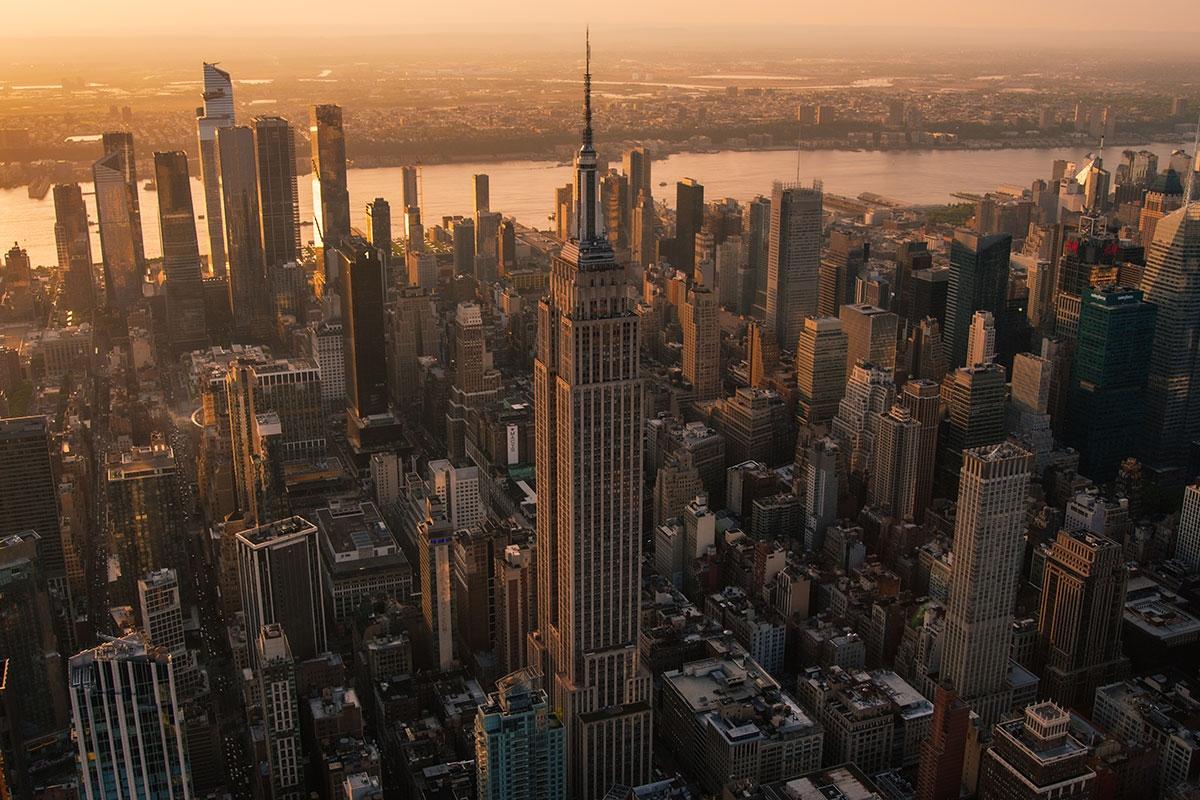
New York, NY: AI implementation across industries
- Average rent in New York: $4,065/month
- Vacancy rate in New York: 3 percent
- Impacts on renters: increased need for AI literacy among the workforce
New York is where major companies across many industries have set down roots, including Fortune 500 ones. These companies are investing in AI to implement into their core business strategies and practices. Thus, the city has become a lead adopter for AI across a variety of industries, creating an AI-literate workforce like no other city and creating AI tools and models for professionals to use.
Availability has been a struggle for renters in New York, due to high demand and limited supply. The city has a vacancy rate of three percent, one of the lowest in the nation, and an average rent of $4,065/month, well above the national average.
Even among a changing landscape, demand stayed high due to a diverse economy and the innovation of AI supporting job opportunities and company investment.
Boston, MA: research-driven AI
- Average rent in Boston: $3,437/month
- Vacancy rate in Boston: 7.4 percent
- Impacts on renters: highly specialized usage of AI
Boston revolves around research, innovation, and development, built on the spine of renowned universities and research institutions, like the Massachusetts Institute of Technology and Harvard. The city has taken AI in a specialized direction, with development focusing on usage in biotechnology, healthcare, robotics, engineering, and machine-learning.
Highly-regarded institutions and facilities in many different fields allow AI to be put into practice where it can be studied and tested in real-life applications.
Boston lost residents during the pandemic and the Sun Belt popularity surge, but people have flooded back to the city because of the economy and job market being boosted by AI developments. While rents have been dropping because of the outflow, they may pick back up as people continue to move to the city. Currently, the average rent in Boston is $3,437/month.
Los Angeles, CA: practical applications of AI
- Average rent in Los Angeles: $2,173/month
- Vacancy rate in Los Angeles: 5.7 percent
- Impacts on renters: discourse on AI usage
AI has two facets in Los Angeles: research and real-world usage. While Silicon Beach has its share of AI startups and model-creating companies, the city shines when it comes to AI research. Thanks to top universities in the metro, there is a steady stream of papers and studies.
AI is embedded in workflows from social service research to civil and aerospace applications. As the city is also the “Entertainment Capital of the World,” generative AI is at the forefront of the creative and entertainment industries.
Although the surge of interest in AI has put pressure on rents and supply in many cities, Los Angeles is one of the few where rents haven’t grown. Since 2023, rent growth has hovered around one percent with an average rent of $2,173/month. The city has been contending with economic, environmental, and political struggles that have decreased demand even as Los Angeles remains a major AI market.
Washington, DC: AI usage in the public sector
- Average rent in Washington, DC: $2,235/month
- Vacancy rate in Washington, DC: 8.7 percent
- Impacts on renters: concerns about AI and its place in the government
The AI game in Washington, D.C., heavily revolves around the public sector as the city is the heart of the American government. According to Brookings, Washington D.C. has the most federal R&D contracts on AI as federal agencies are incorporating and investing in AI. As a result, AI-related skills are popping up more in job listings.
Federal investment keeps Washington, D.C., as one of the most AI-forward metros, but renters are cautious amid uncertain economic and job conditions. The average rent has dropped 3.4 percent in the past year to $2,235/month because of a combination of lower demand and excess amounts of new construction.
While concerns haven’t stemmed the flow of renters, it has channeled it to transit-rich, amenity-heavy neighborhoods.
Find the Perfect Apartment Amid AI Impacts with Apartments.com
As AI has revolutionized industries, so has it simplified finding a rental on Apartments.com. AI Smart Search lets you type (or speak) to search and connect you to the perfect place in seconds. It categorizes what you said into filters, so you don’t have to select every filter yourself. Get rid of the guesswork and find the rental that fits your needs with AI Smart Search on Apartments.com. Or you can use the Apartments.com ChatGPT app.
FAQs
How does AI affect housing prices?
AI affects rental housing mainly by changing demand (and sometimes costs). In AI talent hubs, companies hire aggressively and more professionals move in, with many starting out as renters. Competition increases, availability tightens, and rents rise, especially in areas with low new supply and high home prices. Rent pressure is usually strongest in downtown neighborhoods and near major campuses/job centers because renters prioritize short commutes and amenities.
What cities are being affected by AI?
AI is reshaping rental markets in two main ways: AI talent hubs and data center hotspots. In AI talent hubs, rapid hiring and an influx of well-paid professionals increases renter demand, which tends to drive higher rents, more competition, and lower availability, especially in areas with limited new housing supply where renters prioritize short commutes and nearby amenities.
In data center hotspots, the impact is usually less about a wave of new renters and more about costs and quality of life. Data centers can increase pressure on local power and water resources, leading to concerns about higher utility bills, grid strain and reliability, as well as potential construction, traffic, noise, and environmental worries depending on where facilities are built.
What are the issues with data centers?
Renters in data center hotspots often worry less about rent spikes and more about resource strain and day-to-day livability, including:
- Higher electricity and water bills (big power and water demand)
- Strain on the power grid and spotty reliability
- Construction impacts, plus increased traffic and noise (depending on location)
- Environmental concerns, especially around air and water quality/usage


