The Best Neighborhoods for Commuting to Downtown Chicago
Long commutes can be a drag! Here are some of Chicago's best neighborhoods -- with the shortest commute times!





Avg Rent
$2,062
Population
2,527,917
Renter Mix
59% Rent
Bold by nature, Chicago rewards the curious. A skyline of architectural masterpieces rises above 26 miles of Lake Michigan shoreline, and everyday life unfolds across hundreds of distinct neighborhoods. Renters settle into classic greystone walk-ups just steps from Wrigley Field, while the West Loop's Fulton Market district offers converted lofts and Michelin-caliber dining on the same block. Logan Square buzzes along Milwaukee Avenue with independent restaurants and easy access to The 606 elevated trail, and Streeterville delivers sleek high-rises with sweeping lake views. The CTA's "L" train threads it all together, making car-free living not just possible but genuinely comfortable across much of the city.
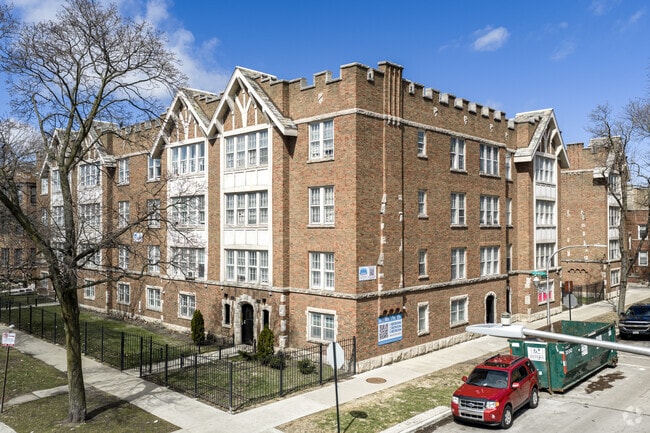
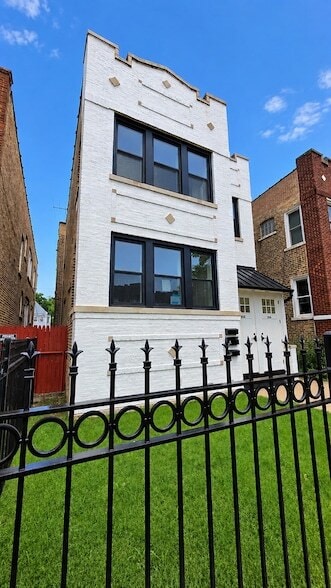
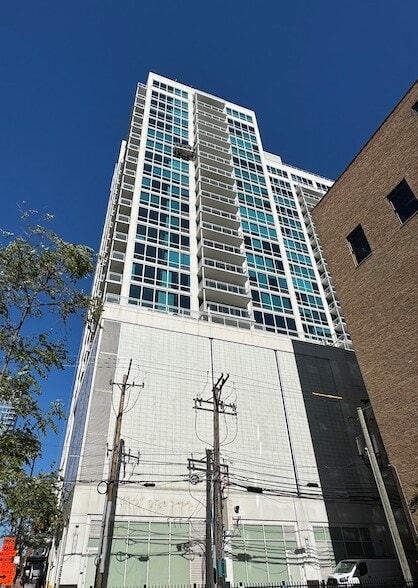
The rental stock reflects Chicago's layered architectural character. Greystones and vintage three-flats define the North and West Side streetscapes, while River North and Streeterville are anchored by glass-and-steel high-rises. Townhomes and two-flat conversions fill in neighborhoods like Lincoln Park and Bucktown, and the West Loop's former warehouse district continues to produce spacious industrial lofts.
Chicago ranks as the third-most populous city in the United States, with 35 Fortune 500 companies based in the city and suburbs, including Kraft Heinz and Mondelez International. The Chicago Mercantile Exchange, the largest futures exchange in the world, calls the city home, cementing its status as a global financial center. Poet Carl Sandburg dubbed it "The City of Big Shoulders" in 1914 -- a phrase that still captures Chicago's outsized industrial and cultural ambition.
Known as the city of big shoulders, Chicago is the central heavyweight in Americas economy.
Rush University Hospital is a well-known landmark in the city.
Golfers practice their chip shots on the greens of Harborside International.
Red Line stops at Chicago Ave make getting around the Magnificent Mile quick and easy.
View of Chicago's famous skyline.
Chicago has evolved into financial tech hub with new companies setting up on the Chicago River.
Median Household Income
$69,230
Average: $98,328
Education
909,087
Residents Have a Degree
Job Market
1,306,416
Workers Employed
Median Age
37 Years
Largest Age Group
30-39 Years
Approximately 18% of Residents
Under 20
23%
Over 65
15%
Housing Distribution
Chicago has more renters than homeowners.

Education Distribution
Review this city's overall education levels.

As of September 2026, the average apartment rent in Chicago, IL is $1,662 for a studio, $2,061 for one bedroom, $2,581 for two bedrooms, and $3,096 for three bedrooms. Apartment rent in Chicago has increased by 4.5% in the past year.
The cost of living in Chicago, IL is 18.3% higher than the national average. Generally, housing in Chicago is 45.3% more expensive than the national average, with rent falling between $1,662 - $3,096. You can expect to pay 4.0% more for groceries, 4.4% less for utilities, and 3.2% more for transportation.
Compare Cities

The Best Neighborhoods for Commuting to Downtown Chicago
Long commutes can be a drag! Here are some of Chicago's best neighborhoods -- with the shortest commute times!

Locals Share What to Know Before Moving to Chicago
What's it like living in Chicago? Get answers from those who know the city best.

10 Most Pet-Friendly Neighborhoods in Chicago
Explore 10 of the most pet-friendly neighborhoods in Chicago to find the best fit for you and your pet.

10 Best Places to Celebrate St. Patrick's Day in the U.S.
Big fan of St. Patrick's Day? Live somewhere that shares your passion! Here's a list of 10 cities that turn into Ireland every March 17.

10 Best Chicago Neighborhoods for Foodies
Looking to live in a Chicago neighborhood with great food? Explore some of the hotspots of Chicago’s food scene for the best deep-dish pizza, Italian beef, and Chicago-style hot dogs.

Is Chicago, IL, a Good Place to Live?
Thinking about moving to Chicago? Here are some pros and cons of living in Chi-town to help you decide.
Explore how walkable, bikeable, drivable, and transit-friendly Chicago, IL is for everyday living.
Somewhat Walkable
Walkability
Some Public Transit
Transit
Exceptionally Drivable
Drivability
Moderately Bikeable
Bikeability

Public
Grades PK-8
702 Students

Hawthorne Elementary Scholastic Academy
Public
Grades K-8
642 Students
Public
Grades PK-8
605 Students
Public
Grades PK-8
557 Students
Public
Grades K-8
462 Students
Public
Grades PK-8
702 Students
Hawthorne Elementary Scholastic Academy
Public
Grades K-8
642 Students
Public
Grades PK-8
605 Students
Public
Grades PK-8
557 Students
Public
Grades K-8
462 Students
Von Steuben Metro Science High School
Public
Grades 9-12
1,669 Students
Northside College Preparatory High School
Public
Grades 9-12
1,059 Students
Hancock College Preparatory High School
Public
Grades 9-12
1,043 Students
Chicago High School For The Arts
Public
Grades 9-12
572 Students
Phoenix Military Academy High School
Public
Grades 9-12
366 Students
 The GreatSchools Rating helps parents compare schools within a state based on a variety of school quality indicators and provides a helpful picture of how effectively each school serves all of its students. Ratings are on a scale of 1 (below average) to 10 (above average) and can include test scores, college readiness, academic progress, advanced courses, equity, discipline and attendance data. We also advise parents to visit schools, consider other information on school performance and programs, and consider family needs as part of the school selection process.
View GreatSchools Rating Methodology
Data provided by
GreatSchools.org
© 2026. All rights reserved.
The GreatSchools Rating helps parents compare schools within a state based on a variety of school quality indicators and provides a helpful picture of how effectively each school serves all of its students. Ratings are on a scale of 1 (below average) to 10 (above average) and can include test scores, college readiness, academic progress, advanced courses, equity, discipline and attendance data. We also advise parents to visit schools, consider other information on school performance and programs, and consider family needs as part of the school selection process.
View GreatSchools Rating Methodology
Data provided by
GreatSchools.org
© 2026. All rights reserved.
† Our analysis of utilities, groceries, transportation, healthcare, home prices, and other goods and services is sourced from the Cost of Living Index, a respected benchmark published by the Council for Community and Economic Research (C2ER) that provides a thorough overview of living expenses across different regions.
Rent data is provided by CoStar Group’s Market Trend reports. As the industry leader in commercial real estate information, analytics, and news, CoStar conducts extensive research to produce and maintain a comprehensive database of commercial real estate information. We combine this data with public record to provide the most up-to-date rental information available.
Consumer goods, services, and home prices are sourced from the Cost of Living Index published by the Council for Community and Economic Research (C2ER). The data on this page is updated quarterly. It was last published in September 2026.
Demographic information comes from Neustar and combines detailed address data with U.S. Census and American Community Survey statistics to produce reliable local estimates.