

A Renter's Guide to Living in Los Angeles
Movie stars, the Hollywood sign, famous beaches ... it sounds amazing, but what's it really like to rent in LA?
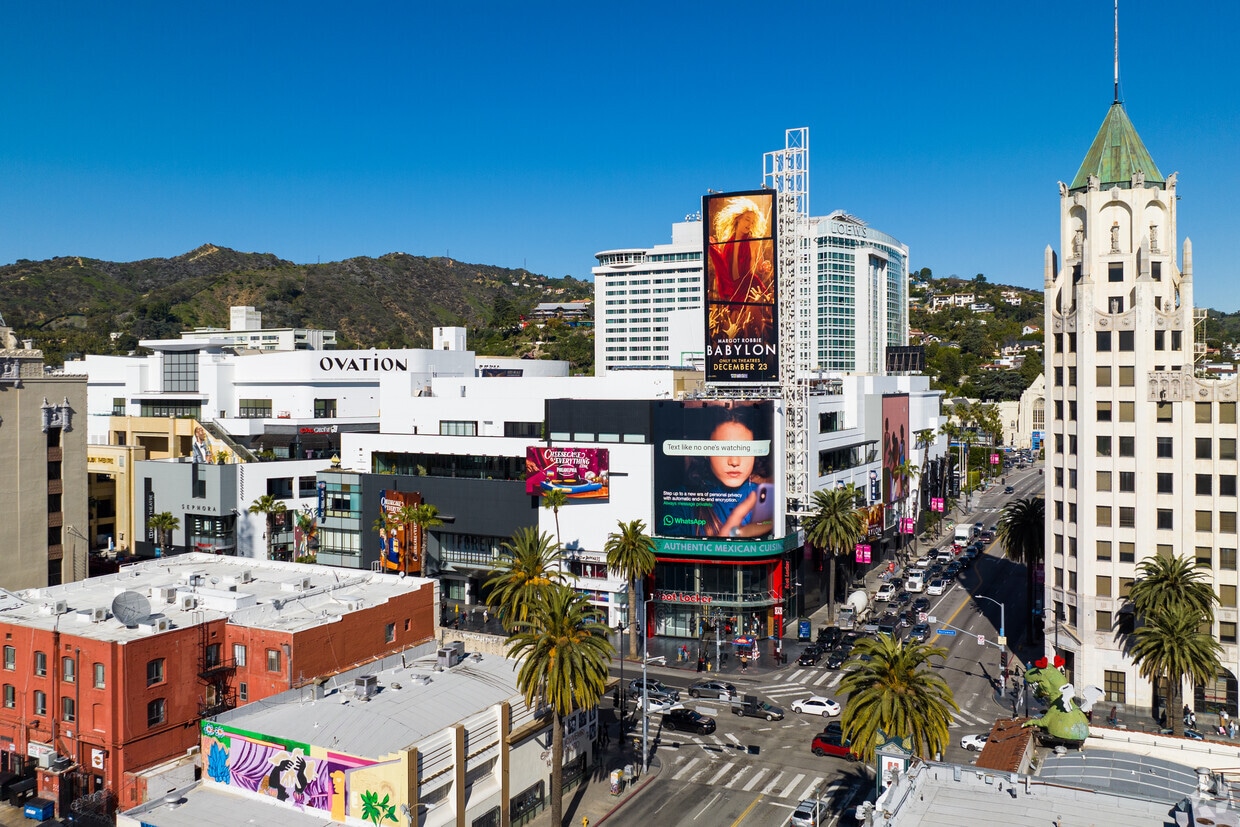




Avg Rent
$2,198
Population
3,789,744
Renter Mix
65% Rent
Los Angeles sprawls across nearly 500 square miles between the Pacific Ocean and the San Gabriel Mountains, making it one of the few places where you can surf in the morning and hike through chaparral-covered hills by afternoon. Sunshine, open-air farmers markets, and a food scene that pulls from dozens of culinary traditions are a staple of living in the city.
Neighborhoods each have a distinct personality surrounding a particular focus, whether it be culture or nature. Westwood keeps residents close to entertainment at UCLA and the Hammer Museum's rotating art exhibitions. Koreatown is a cultural and food destination, known for authentic restaurants and shops paired with a bustling street energy and nightlife.
The city overflows with iconic landmarks, from natural to man-made. Griffith Park, one of the largest urban parks in the country, offers hiking trails, sweeping skyline views, and the iconic Griffith Observatory. The Hollywood Walk of Fame, Venice Beach boardwalk, and the Los Angeles County Museum of Art are just a few of the landmarks that shape the city's landscape.
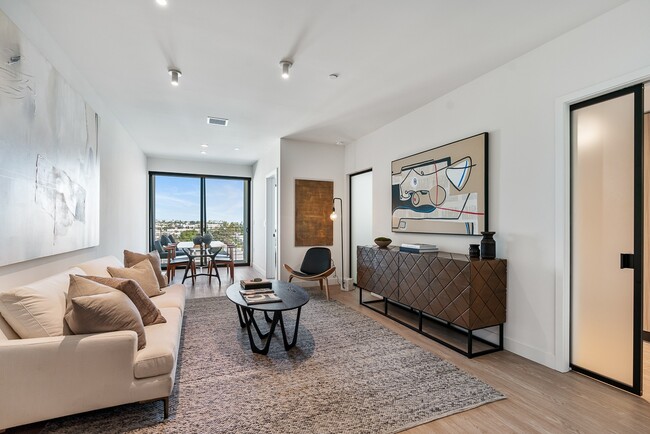
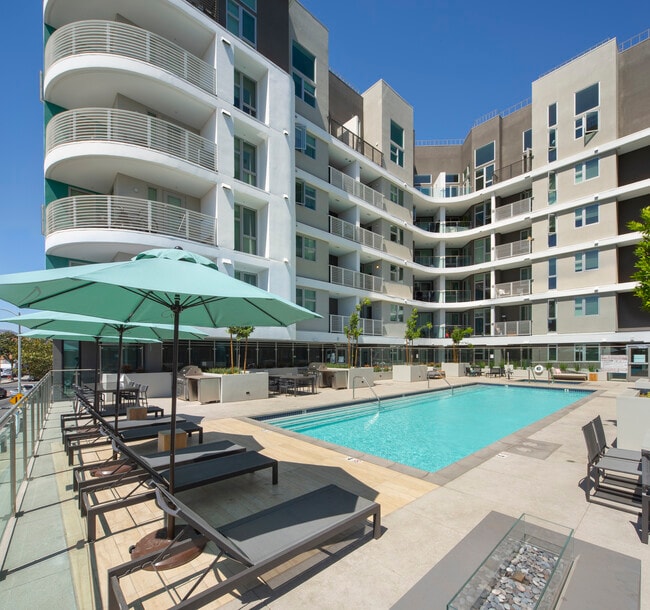
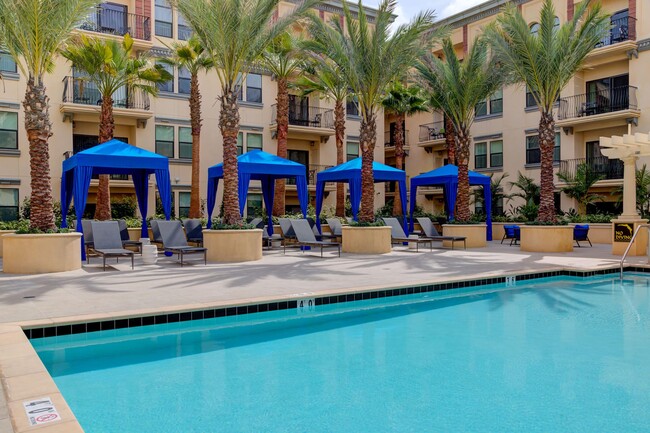
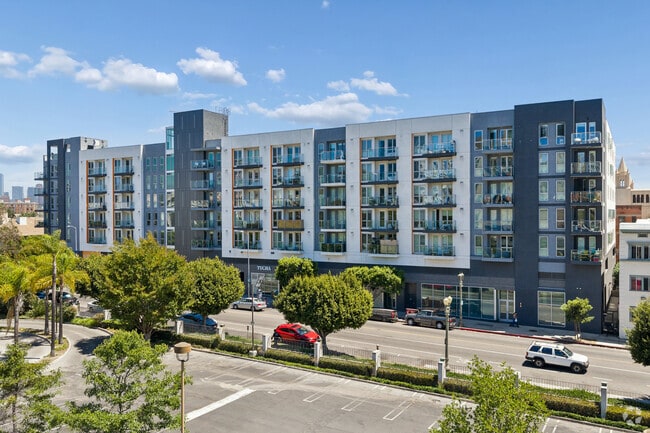
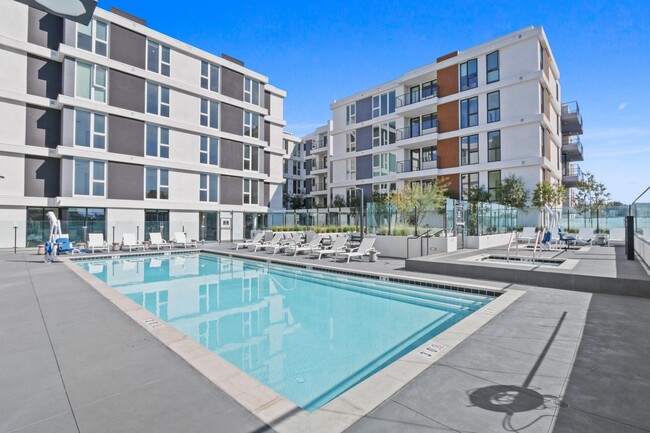
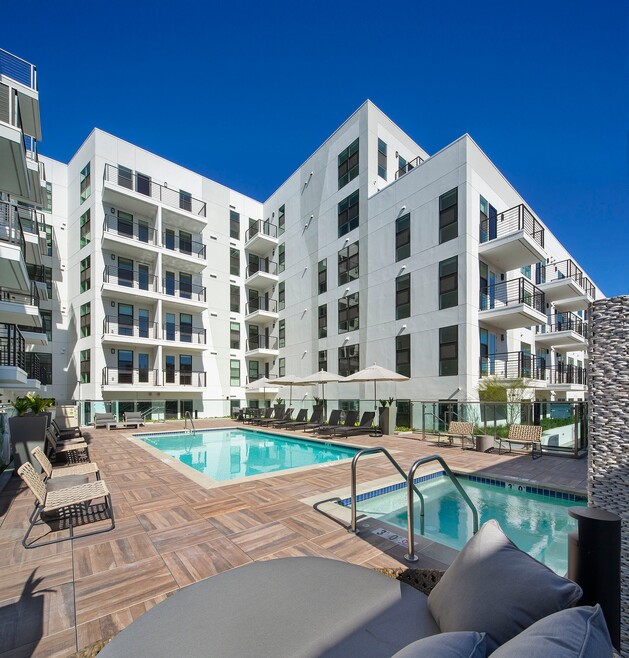
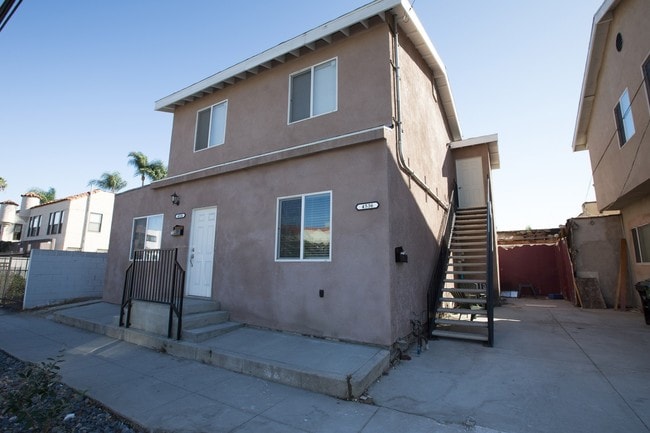
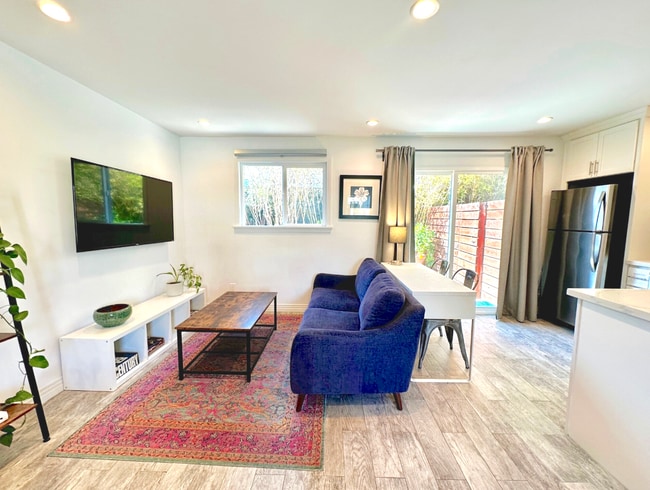
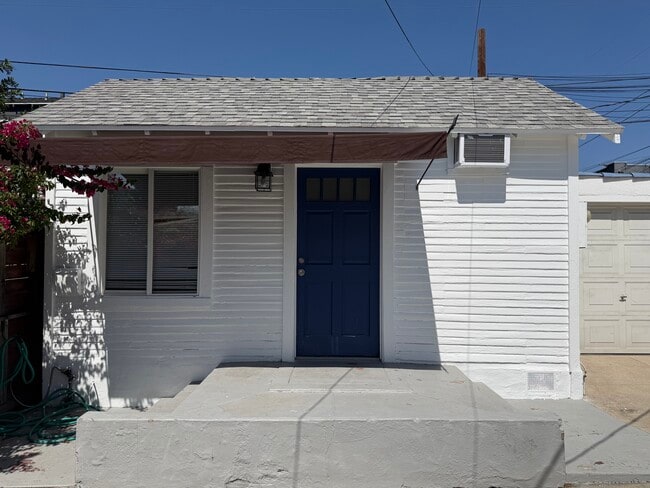
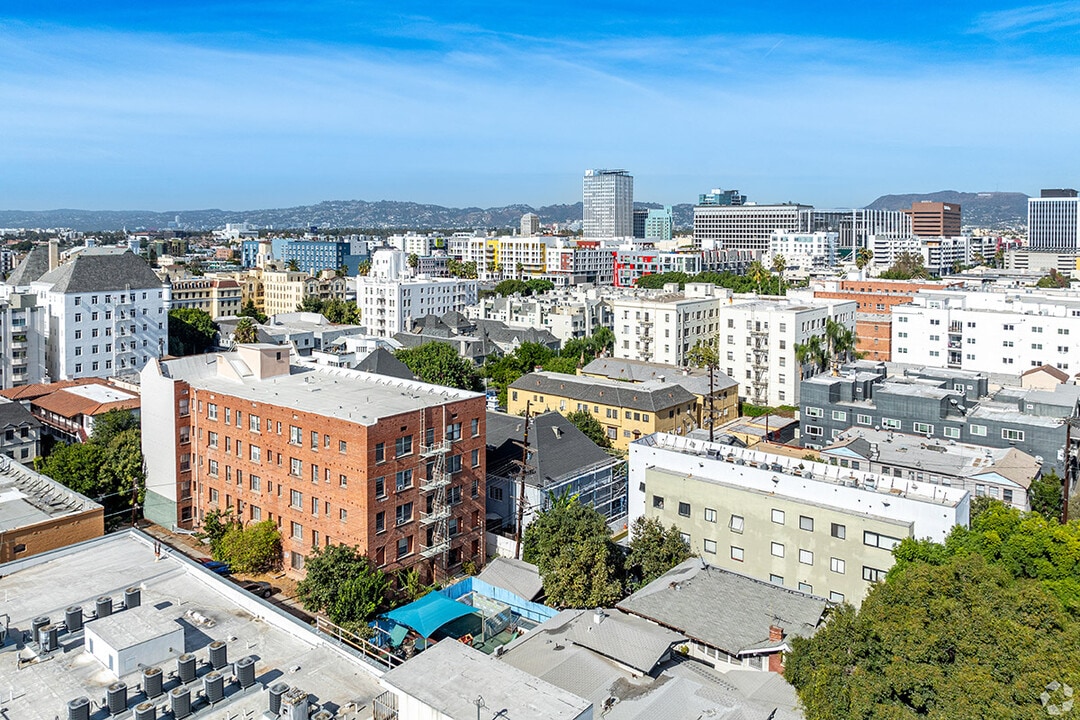
The rental landscape in Los Angeles is as wide-ranging as the city itself. Spanish-style stucco buildings with terracotta rooftops sit alongside sleek high-rise apartment communities in Downtown, while converted bungalow courts and mid-century walk-ups fill out neighborhoods closer to the coast. Regardless of what style you are looking corner of the city has options. Lofts overlook bustling corridors in Hollywood, garden-style apartment communities sit next to the beaches of Mar Vista, and modern high-rises provide skyline views in Century City. The Metro's B and E Lines connect major hubs, and communities near Expo stations put residents within cycling distance of Santa Monica and Venice Beach.
Founded on September 4, 1781, by Spanish governor Felipe de Neve on the site of a Tongva village called Yaanga, Los Angeles carries centuries of layered history beneath its sun-drenched surface. With nearly four million residents and a culture that constantly shifts and reinvents itself, Los Angeles isn't just a place to live, but a city that shapes how you see yourself and the world around you.
View of the city skyline and the Griffith Observatory.
Rodeo Drive boasts luxury boutiques like Stefano Ricci, Prada, and Valentino.
Hop over to the Baldwin Hills Scenic overlook for great panoramic views of Los Angeles.
The Petersen Automotive Museum in Miracle Mile was designed by Kohn Pedersen Fox.
The scenic Santa Monica Mountains features numerous hiking trails.
In the shopping district a variety of high end stores can be found.
Median Household Income
$74,048
Average: $103,478
Education
1,255,482
Residents Have a Degree
Job Market
1,969,543
Workers Employed
Median Age
38 Years
Largest Age Group
30-39 Years
Approximately 17% of Residents
Under 20
22%
Over 65
16%
Housing Distribution
Los Angeles has more renters than homeowners.

Education Distribution
Review this city's overall education levels.

As of August 2026, the average apartment rent in Los Angeles, CA is $1,713 for a studio, $2,198 for one bedroom, $3,037 for two bedrooms, and $4,343 for three bedrooms. Apartment rent in Los Angeles has increased by 0.1% in the past year.
The cost of living in Los Angeles, CA is 52.4% higher than the national average. Generally, housing in Los Angeles is 134.3% more expensive than the national average, with rent falling between $1,713 - $4,343. You can expect to pay 10.1% more for groceries, 10.9% more for utilities, and 38.7% more for transportation.
Compare Cities
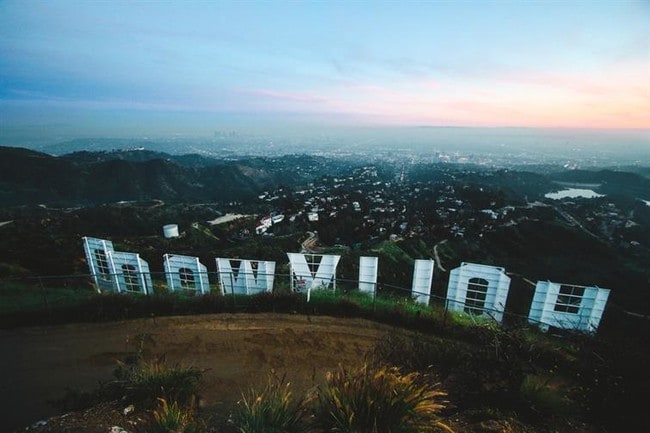
A Renter's Guide to Living in Los Angeles
Movie stars, the Hollywood sign, famous beaches ... it sounds amazing, but what's it really like to rent in LA?
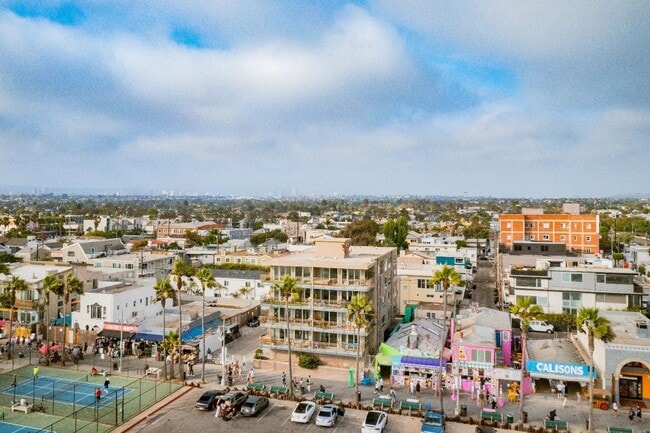
What Is the Average Rent in Los Angeles, CA?
From stargazing from the hilltops to gazing at stars on movie sets, there's plenty to see and do in LA. But how much does it cost to live there? We're breaking down what you can expect to pay in Los Angeles and some of the city's favorite neighborhoods.

The Best Los Angeles Neighborhoods for Renting on a Budget
These neighborhoods are terrific for renters on a budget.

Five Most Affordable Neighborhoods in Los Angeles, CA
Renting in LA on a budget? Explore the most affordable neighborhoods in the city with this detailed guide.

Best Neighborhoods for Renters in Los Angeles, CA
Thinking about moving to Los Angeles, but don’t know where to look? Here are five neighborhoods to start your search.
Explore how walkable, bikeable, drivable, and transit-friendly Los Angeles, CA is for everyday living.
Moderately Walkable
Walkability
Good Public Transit
Transit
Very Drivable
Drivability
Fairly Bikeable
Bikeability

Public
Grades K-8
1,312 Students

Kester Avenue Elementary School
Public
Grades K-5
886 Students
Carpenter Community Charter School
Public
Grades K-5
863 Students
Welby Way Elementary Charter School
Public
Grades K-5
755 Students
Public
Grades K-5
717 Students
Public
Grades K-8
1,312 Students
Oliver Wendell Holmes Middle School
Public
Grades 6-8
870 Students
Public
Grades 6-12
536 Students
Public
Grades K-8
494 Students
Public
Grades K-12
475 Students
L.A. County High School For The Arts
Public
Grades 9-12
551 Students
Public
Grades 6-12
536 Students
Public
Grades K-12
475 Students
Harbor Teacher Preparation Academy
Public
Grades 9-12
452 Students
Public
Grades 9-12
361 Students
 The GreatSchools Rating helps parents compare schools within a state based on a variety of school quality indicators and provides a helpful picture of how effectively each school serves all of its students. Ratings are on a scale of 1 (below average) to 10 (above average) and can include test scores, college readiness, academic progress, advanced courses, equity, discipline and attendance data. We also advise parents to visit schools, consider other information on school performance and programs, and consider family needs as part of the school selection process.
View GreatSchools Rating Methodology
Data provided by
GreatSchools.org
© 2026. All rights reserved.
The GreatSchools Rating helps parents compare schools within a state based on a variety of school quality indicators and provides a helpful picture of how effectively each school serves all of its students. Ratings are on a scale of 1 (below average) to 10 (above average) and can include test scores, college readiness, academic progress, advanced courses, equity, discipline and attendance data. We also advise parents to visit schools, consider other information on school performance and programs, and consider family needs as part of the school selection process.
View GreatSchools Rating Methodology
Data provided by
GreatSchools.org
© 2026. All rights reserved.
† Our analysis of utilities, groceries, transportation, healthcare, home prices, and other goods and services is sourced from the Cost of Living Index, a respected benchmark published by the Council for Community and Economic Research (C2ER) that provides a thorough overview of living expenses across different regions.
Rent data is provided by CoStar Group’s Market Trend reports. As the industry leader in commercial real estate information, analytics, and news, CoStar conducts extensive research to produce and maintain a comprehensive database of commercial real estate information. We combine this data with public record to provide the most up-to-date rental information available.
Consumer goods, services, and home prices are sourced from the Cost of Living Index published by the Council for Community and Economic Research (C2ER). The data on this page is updated quarterly. It was last published in June 2026.
Demographic information comes from Neustar and combines detailed address data with U.S. Census and American Community Survey statistics to produce reliable local estimates.