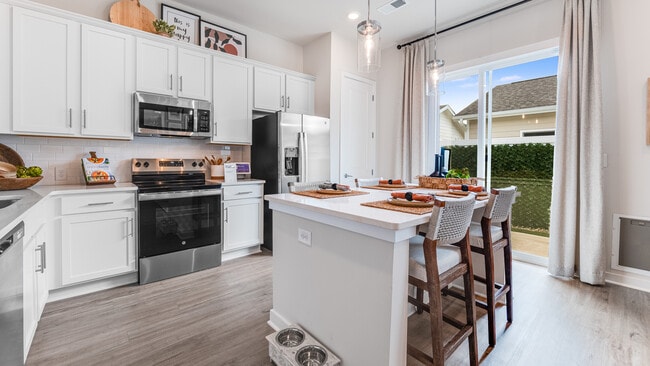
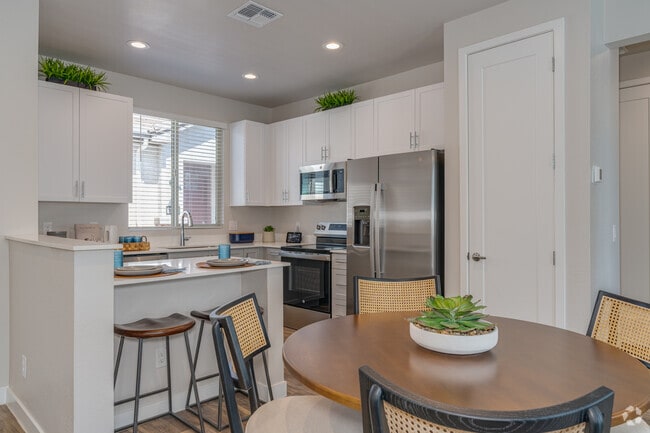
Top 5 Neighborhoods for Renting a House in Phoenix
Discover the best neighborhoods to rent a house in Phoenix.





Avg Rent
$1,301
Population
1,674,216
Renter Mix
46% Rent
"Phoenix earns its reputation as one of the fastest-growing cities in the country, drawing newcomers with its sun-soaked energy, sprawling desert landscapes, and an economy that keeps expanding. As the state capital of Arizona and the fifth-most populous city in the United States, it carries real weight as a regional powerhouse for healthcare, technology, finance, and education. Arizona State University, one of the largest public universities in the nation, anchors the metro's intellectual and cultural scene across multiple campuses.
The city's neighborhoods offer plenty of contrast. Downtown Phoenix buzzes with arts districts, sports venues, and a growing high-rise scene, while areas like Arcadia and Biltmore deliver tree-lined streets and polished charm. Midtown bridges both worlds, offering walkable stretches alongside quiet residential pockets.
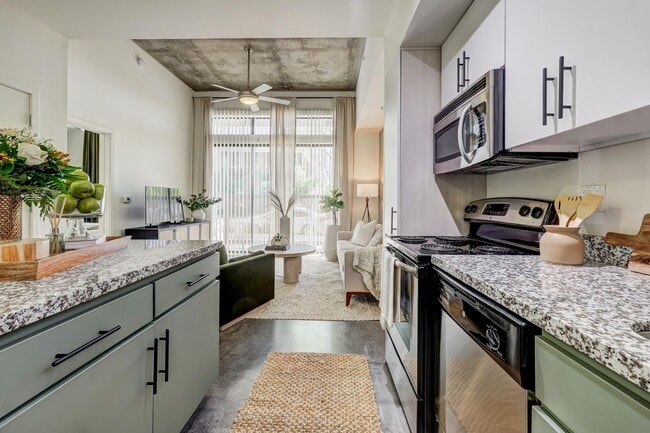
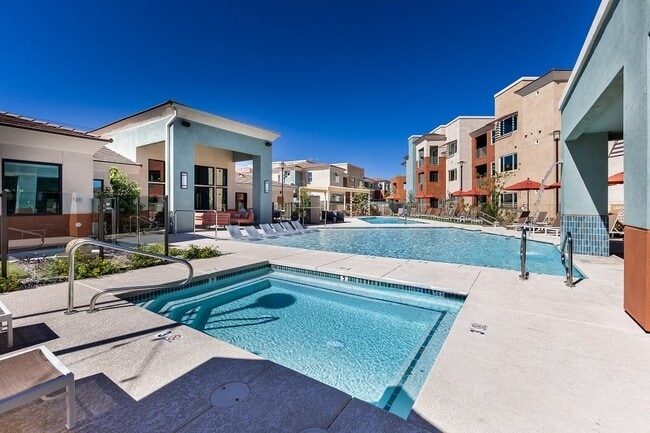
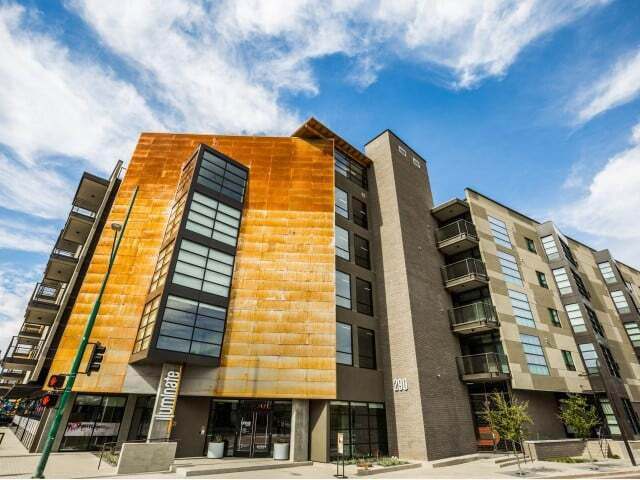
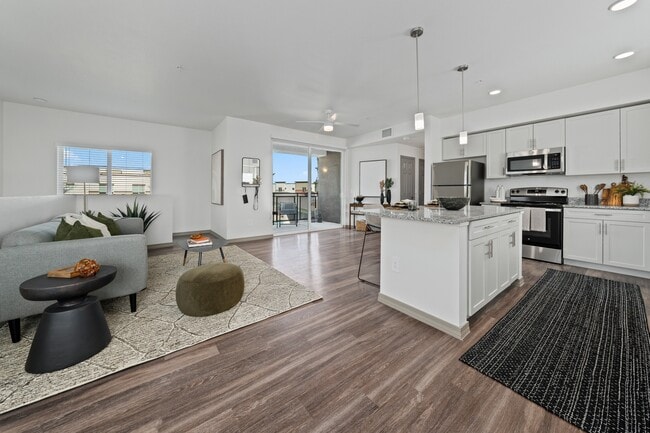
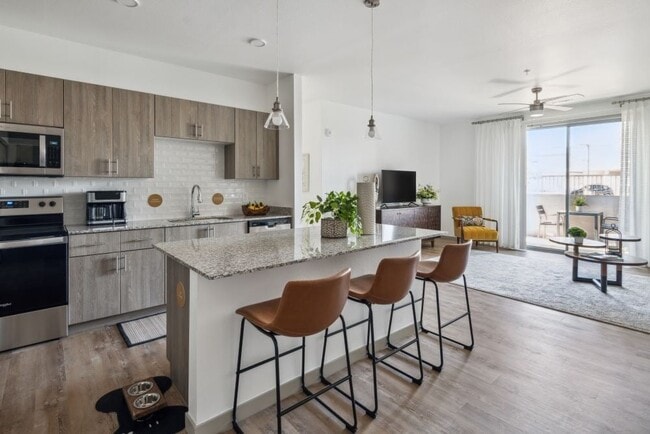
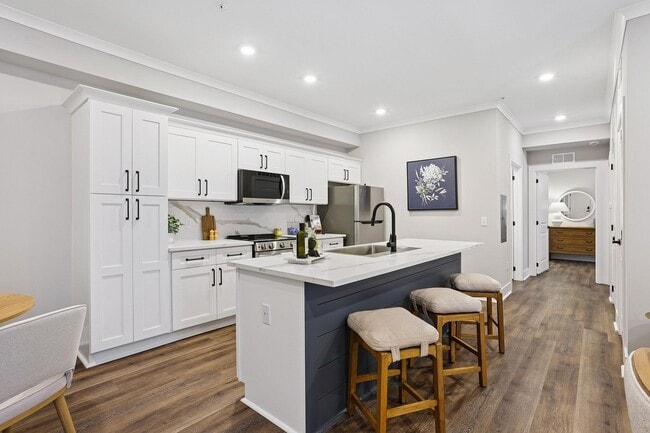
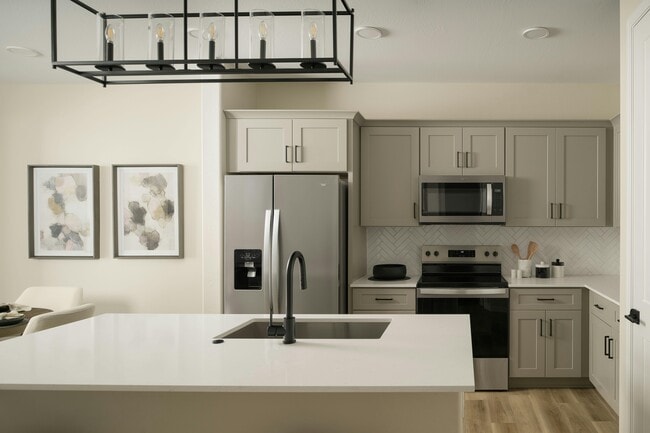
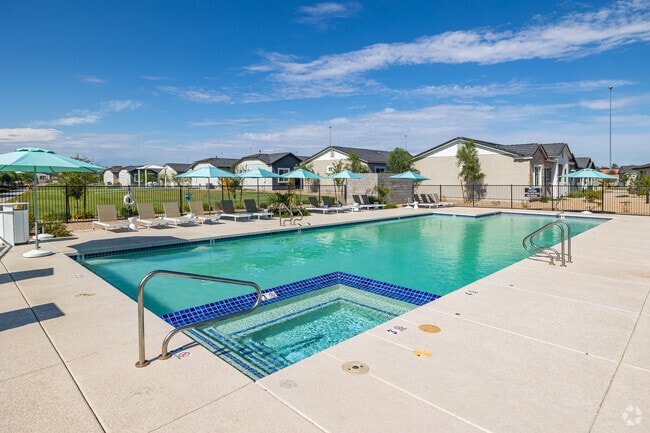
The rental market reflects that variety. Apartment communities range from resort-style complexes with desert-inspired architecture to converted lofts in revitalized urban corridors, plus sprawling townhome communities spread across the valley. Whether you're drawn to a sleek high-rise with city views or a low-rise apartment community with a pool built for those 300-plus sunny days a year, Phoenix delivers options at nearly every scale."
The Westin Kierland Golf Club features beautiful greens with amazing views.
The path at Tempe Town Lake attracts cyclists near Papago.
South Mountain offers unparalleled views of the Phoenix area, near Baseline Corridor.
Roosevelt Row has an incredible mix of new and old housing.
Roosevelt Row in Phoenix is a hotspot for nightlife with amazing food and drink options.
A popular summertime activity for Phoenicians is to head east and cool off in the Salt River.
Median Household Income
$70,283
Average: $94,185
Education
433,046
Residents Have a Degree
Job Market
872,397
Workers Employed
Median Age
36 Years
Largest Age Group
30-39 Years
Approximately 16% of Residents
Under 20
26%
Over 65
13%
Housing Distribution
Phoenix has more homeowners than renters.

Education Distribution
Review this city's overall education levels.

As of September 2026, the average apartment rent in Phoenix, AZ is $1,093 for a studio, $1,300 for one bedroom, $1,571 for two bedrooms, and $2,082 for three bedrooms. Apartment rent in Phoenix has decreased by -1.3% in the past year.
The cost of living in Phoenix, AZ is 4.9% higher than the national average. Generally, housing in Phoenix is 10.5% more expensive than the national average, with rent falling between $1,093 - $2,082. You can expect to pay 2.9% more for groceries, 6.3% more for utilities, and 10.0% more for transportation.
Compare Cities

Top 5 Neighborhoods for Renting a House in Phoenix
Discover the best neighborhoods to rent a house in Phoenix.

5 Most Affordable Neighborhoods in Phoenix, AZ
Thinking about moving to Phoenix but don't want to spend a fortune? Here are the top five most affordable neighborhoods to help you stay within your budget.
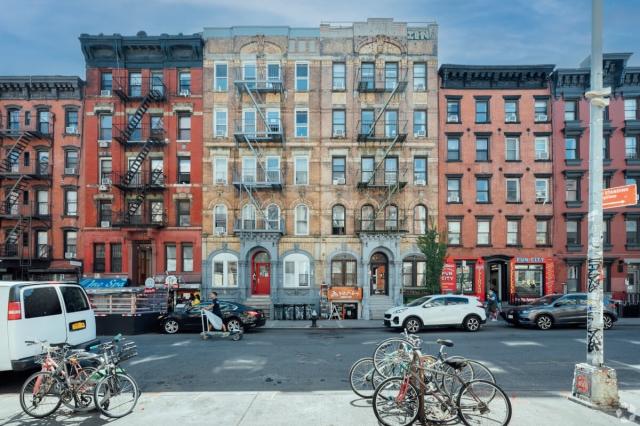
What Is a Walk-Up Apartment?
Walk-ups trade elevators for charm and lower rent—but are the stairs worth it?
Explore how walkable, bikeable, drivable, and transit-friendly Phoenix, AZ is for everyday living.
Fairly Walkable
Walkability
Some Public Transit
Transit
Exceptionally Drivable
Drivability
Moderately Bikeable
Bikeability

Vista del Sur Accelerated Academy
Public
Grades PK-8
893 Students

Horizon Honors Elementary School
Public
Grades K-5
797 Students
Public
Grades K-12
781 Students
Public
Grades K-8
760 Students
Public
Grades K-8
733 Students
Public
Grades 6-12
2,428 Students
Vista del Sur Accelerated Academy
Public
Grades PK-8
893 Students
Public
Grades K-12
781 Students
Public
Grades K-8
760 Students
Public
Grades K-8
733 Students
Public
Grades 6-12
2,428 Students
Public
Grades K-12
781 Students
Public
Grades K-12
661 Students
Phoenix Union Bioscience High School
Public
Grades 9-12
390 Students
Sandra Day O'Connor High School
Public
Grades 6-12
2,657 Students

 The GreatSchools Rating helps parents compare schools within a state based on a variety of school quality indicators and provides a helpful picture of how effectively each school serves all of its students. Ratings are on a scale of 1 (below average) to 10 (above average) and can include test scores, college readiness, academic progress, advanced courses, equity, discipline and attendance data. We also advise parents to visit schools, consider other information on school performance and programs, and consider family needs as part of the school selection process.
View GreatSchools Rating Methodology
Data provided by
GreatSchools.org
© 2026. All rights reserved.
The GreatSchools Rating helps parents compare schools within a state based on a variety of school quality indicators and provides a helpful picture of how effectively each school serves all of its students. Ratings are on a scale of 1 (below average) to 10 (above average) and can include test scores, college readiness, academic progress, advanced courses, equity, discipline and attendance data. We also advise parents to visit schools, consider other information on school performance and programs, and consider family needs as part of the school selection process.
View GreatSchools Rating Methodology
Data provided by
GreatSchools.org
© 2026. All rights reserved.
† Our analysis of utilities, groceries, transportation, healthcare, home prices, and other goods and services is sourced from the Cost of Living Index, a respected benchmark published by the Council for Community and Economic Research (C2ER) that provides a thorough overview of living expenses across different regions.
Rent data is provided by CoStar Group’s Market Trend reports. As the industry leader in commercial real estate information, analytics, and news, CoStar conducts extensive research to produce and maintain a comprehensive database of commercial real estate information. We combine this data with public record to provide the most up-to-date rental information available.
Consumer goods, services, and home prices are sourced from the Cost of Living Index published by the Council for Community and Economic Research (C2ER). The data on this page is updated quarterly. It was last published in September 2026.
Demographic information comes from Neustar and combines detailed address data with U.S. Census and American Community Survey statistics to produce reliable local estimates.