Best Places to Live When Commuting to Crystal City
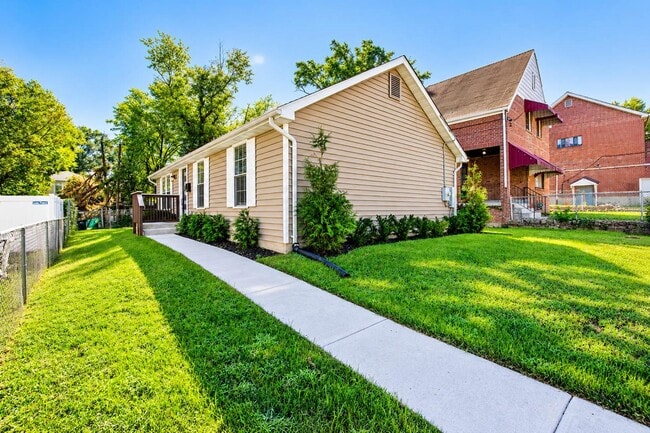
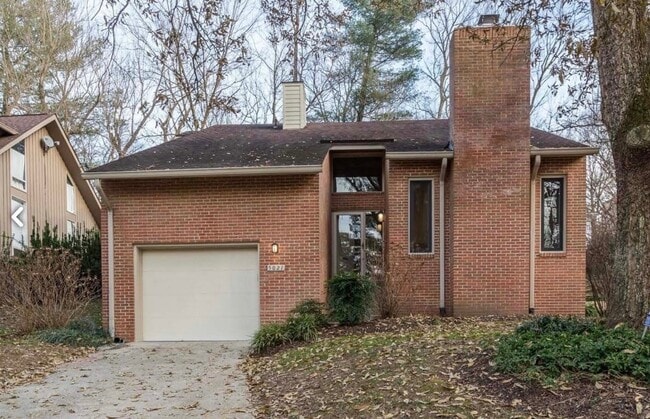
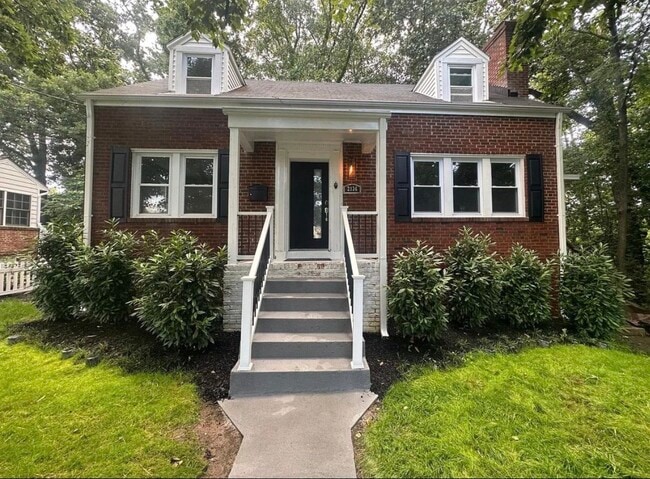
If you want to move to the DC area to be near Crystal City, here are some great neighborhoods to consider.





Avg Rent
$2,303
Population
630,884
Renter Mix
63% Rent
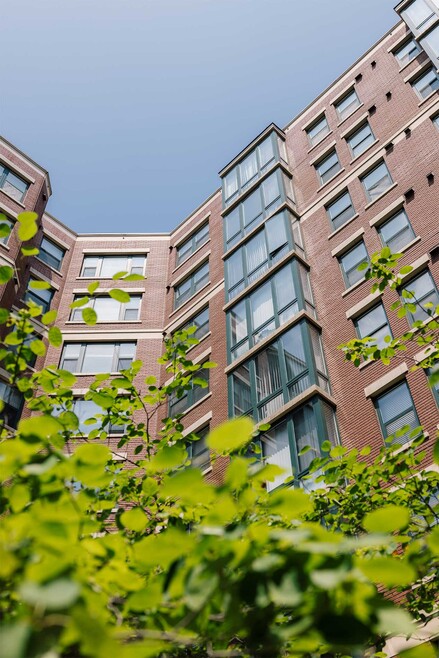
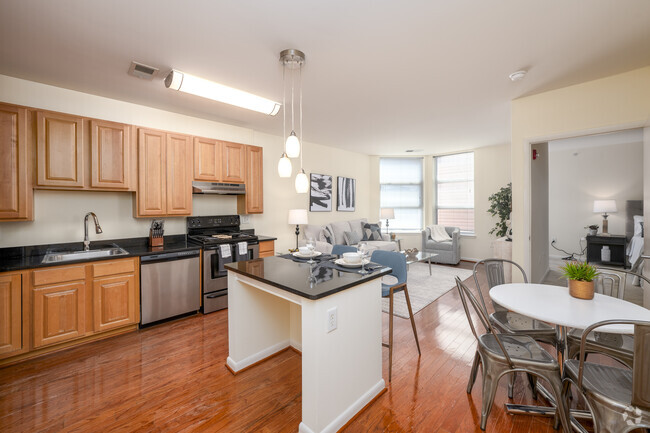
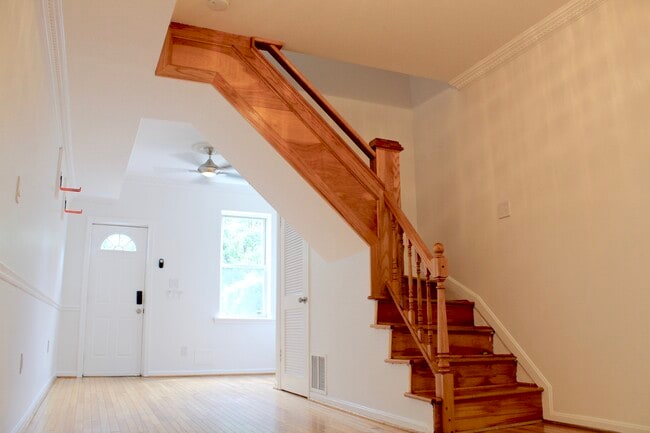
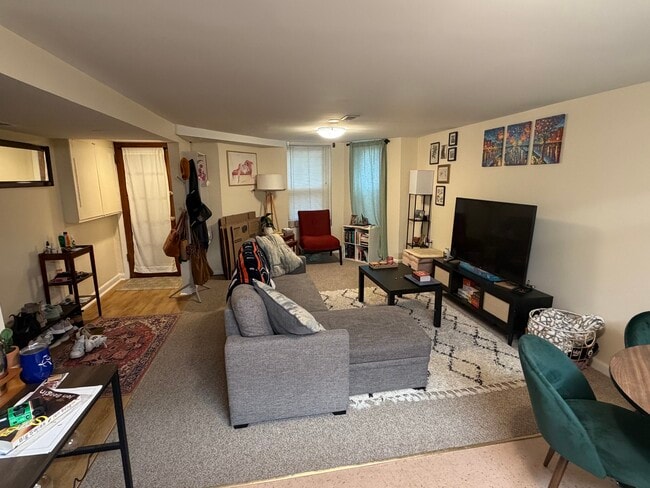
Washington, D.C. is the only American city that functions simultaneously as a seat of federal power and a fully lived-in, working metropolis. Its economy runs on government, law, lobbying, healthcare, and higher education, with major institutions like Georgetown University, George Washington University, and Howard University anchoring a consistent demand for housing across the city's 62 square miles. Neighborhoods range considerably in character: Capitol Hill's historic rowhouses sit close to the Library of Congress and Eastern Market, while NoMa and Navy Yard offer newer high-rise apartment communities near the Anacostia waterfront. Georgetown draws renters who want Federal-style architecture and a walkable street grid, while Dupont Circle and Logan Circle deliver a denser, more energetic atmosphere. The rental market reflects that range, with studio apartments and sleek high-rises downtown giving way to rowhouse conversions and mid-rise apartment communities in residential corridors. The National Cherry Blossom Festival, held each spring, draws more than a million visitors and serves as an annual reminder that the city's public spaces belong as much to residents as to anyone else. Six Metro rail lines and an extensive bus network make car-free living practical for most of the city.
DC's historic gem, Georgetown, boasts charming parks, upscale dining, and vibrant shopping.
Dupont Circle is a mecca for nightlife in Washington.
Union Station in NoMa features a beautiful grand entrance.
Dupont Circle has plenty of retail and dining options to choose from.
Residents of Capitol Hill have easy access to the Eastern Market Metro.
Classic row homes line the streets of Dupont Circle in Washinton.
Median Household Income
$95,873
Average: $130,145
Education
307,699
Residents Have a Degree
Job Market
346,439
Workers Employed
Median Age
37 Years
Largest Age Group
30-39 Years
Approximately 20% of Residents
Under 20
23%
Over 65
14%
Housing Distribution
Washington has more renters than homeowners.

Education Distribution
Review this city's overall education levels.

As of September 2026, the average apartment rent in Washington, DC is $1,868 for a studio, $2,305 for one bedroom, $3,138 for two bedrooms, and $3,885 for three bedrooms. Apartment rent in Washington has increased by 0.7% in the past year.
The cost of living in Washington, DC is 36.9% higher than the national average. Generally, housing in Washington is 101.5% more expensive than the national average, with rent falling between $1,869 - $3,892. You can expect to pay 6.1% more for groceries, 4.1% more for utilities, and 4.9% more for transportation.
Compare Cities

Best Places to Live When Commuting to Crystal City
If you want to move to the DC area to be near Crystal City, here are some great neighborhoods to consider.

5 Most Affordable Neighborhoods in Washington, DC
Find the most affordable neighborhoods in DC with this detailed guide.

Living in the District: Renters' Guide to D.C.
Looking for a great neighborhood in DC? Want to know what it's like to live there? Here's the inside scoop.
Explore how walkable, bikeable, drivable, and transit-friendly Washington, DC is for everyday living.
Moderately Walkable
Walkability
Exceptional Public Transit
Transit
Moderately Drivable
Drivability
Very Bikeable
Bikeability

Public
Grades PK-5
923 Students

Public
Grades PK-5
658 Students
Public
Grades PK-5
421 Students
Public
Grades PK-5
397 Students
Public
Grades PK-5
356 Students
Public
Grades 6-8
1,462 Students
Public
Grades PK-8
791 Students

Public
Grades 6-8
631 Students
Washington Latin PCS - Middle School
Public
Grades K-8
389 Students
Public
Grades K-12
692 Students

McKinley Technology High School
Public
Grades 9-12
723 Students
Public
Grades 9-12
703 Students
School Without Walls High School
Public
Grades 9-12
606 Students
Washington Latin PCS - Upper School
Public
Grades 9-12
357 Students
Public
Grades K-12
692 Students
 The GreatSchools Rating helps parents compare schools within a state based on a variety of school quality indicators and provides a helpful picture of how effectively each school serves all of its students. Ratings are on a scale of 1 (below average) to 10 (above average) and can include test scores, college readiness, academic progress, advanced courses, equity, discipline and attendance data. We also advise parents to visit schools, consider other information on school performance and programs, and consider family needs as part of the school selection process.
View GreatSchools Rating Methodology
Data provided by
GreatSchools.org
© 2026. All rights reserved.
The GreatSchools Rating helps parents compare schools within a state based on a variety of school quality indicators and provides a helpful picture of how effectively each school serves all of its students. Ratings are on a scale of 1 (below average) to 10 (above average) and can include test scores, college readiness, academic progress, advanced courses, equity, discipline and attendance data. We also advise parents to visit schools, consider other information on school performance and programs, and consider family needs as part of the school selection process.
View GreatSchools Rating Methodology
Data provided by
GreatSchools.org
© 2026. All rights reserved.
† Our analysis of utilities, groceries, transportation, healthcare, home prices, and other goods and services is sourced from the Cost of Living Index, a respected benchmark published by the Council for Community and Economic Research (C2ER) that provides a thorough overview of living expenses across different regions.
Rent data is provided by CoStar Group’s Market Trend reports. As the industry leader in commercial real estate information, analytics, and news, CoStar conducts extensive research to produce and maintain a comprehensive database of commercial real estate information. We combine this data with public record to provide the most up-to-date rental information available.
Consumer goods, services, and home prices are sourced from the Cost of Living Index published by the Council for Community and Economic Research (C2ER). The data on this page is updated quarterly. It was last published in September 2026.
Demographic information comes from Neustar and combines detailed address data with U.S. Census and American Community Survey statistics to produce reliable local estimates.