Median Age
47 Years
Largest Age Group
10-19 Years
Approximately 15% of Residents
Under 20
25%
Over 65
24%

One of thirteen villages that make up Newton, Waban trades city noise for quiet, tree-lined streets and a low-key residential rhythm just west of Boston. Daily life here has a genuinely neighborly feel, with dining and shopping a short walk away near Newton Upper Falls across Boylston Street, plus golf courses and parks ringing the village on several sides. Walkability makes everyday errands easy, and the Green Line D branch stops right in the village at Waban Station, putting downtown Boston within a comfortable commute.
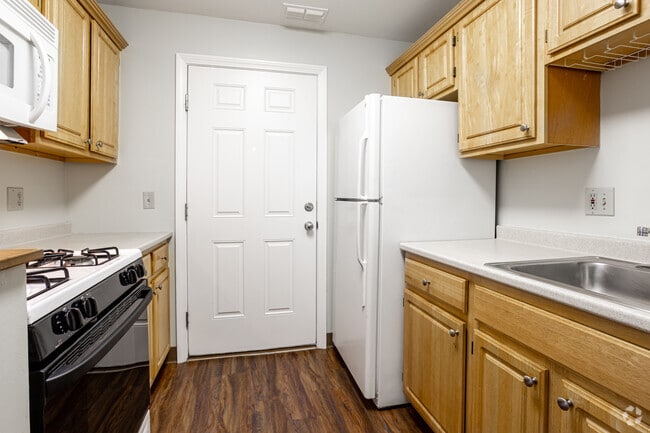
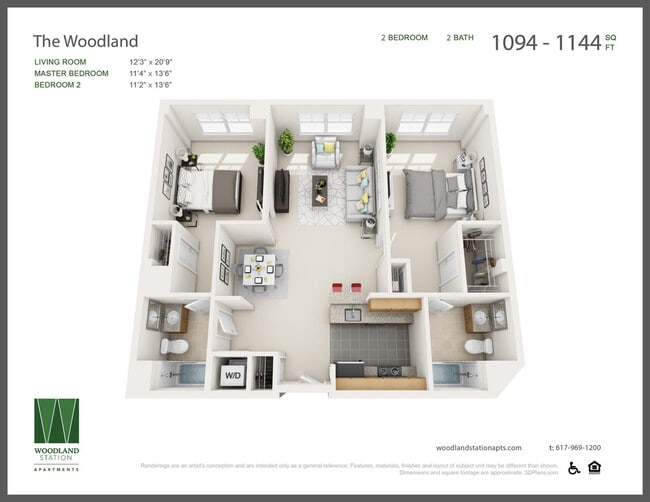
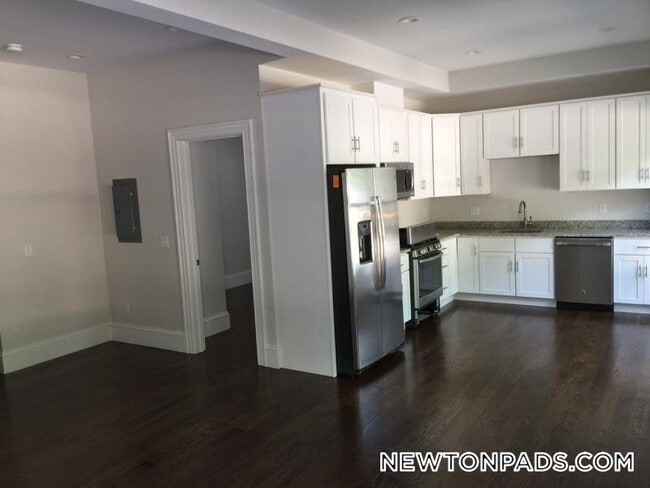
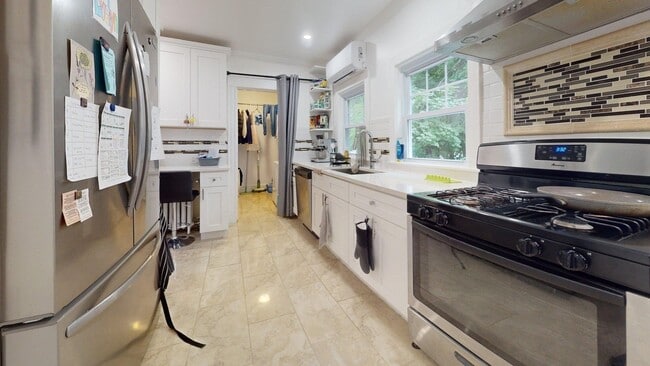
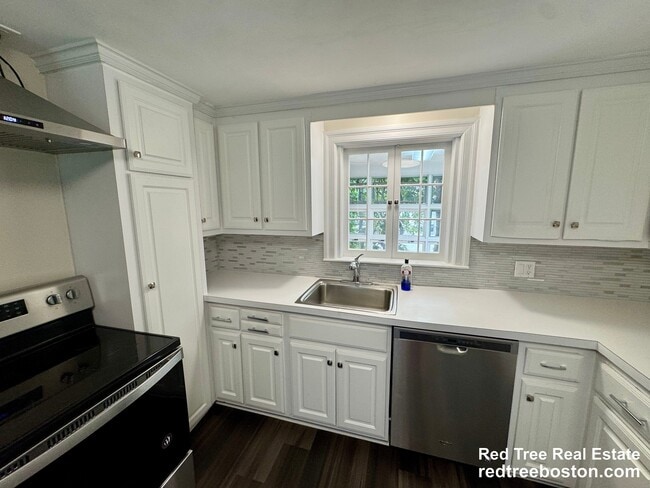
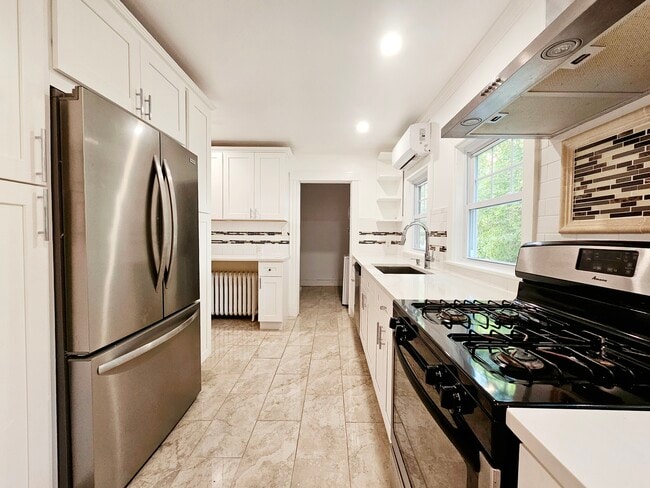
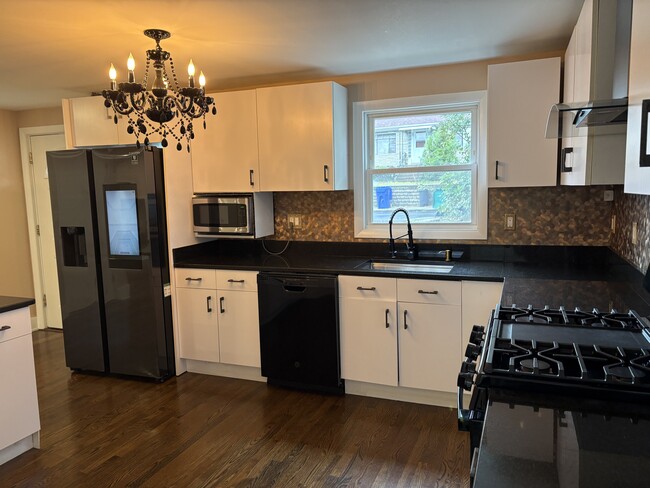
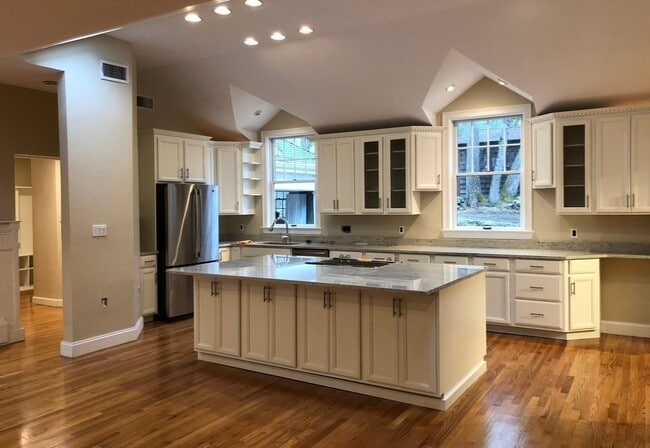
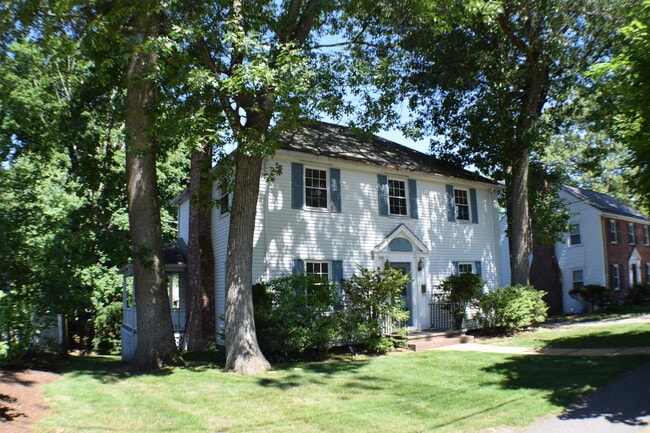
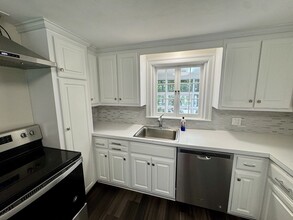
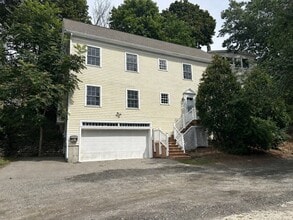
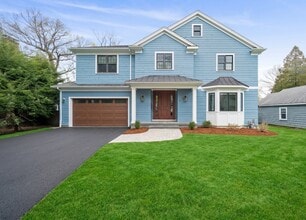
The rental market skews charming, with apartments, condos, and single-family homes converted into multi-unit residences. Architecture throughout the village runs traditionally New England -- wood-frame houses, colonial-style details, and mature landscaping that give the streetscape a settled, established character.
Several well-known universities are a short drive away, including Boston College and Babson College. The village name traces back to a 17th-century Massachusett leader, and growth accelerated in 1886 when the Boston & Albany Railroad opened the local rail station.
Median Household Income
$256,894
Average: $245,327
Education
3,530
Residents Have a Degree
Job Market
2,873
Workers Employed
Median Age
47 Years
Largest Age Group
10-19 Years
Approximately 15% of Residents
Under 20
25%
Over 65
24%
Housing Distribution
Waban has more homeowners than renters.

Education Distribution
Review this city's overall education levels.

Explore how walkable, bikeable, drivable, and transit-friendly Waban, MA is for everyday living.
Moderately Walkable
Walkability
Good Public Transit
Transit
Very Drivable
Drivability
Moderately Bikeable
Bikeability

† Our analysis of utilities, groceries, transportation, healthcare, home prices, and other goods and services is sourced from the Cost of Living Index, a respected benchmark published by the Council for Community and Economic Research (C2ER) that provides a thorough overview of living expenses across different regions.
Rent data is provided by CoStar Group’s Market Trend reports. As the industry leader in commercial real estate information, analytics, and news, CoStar conducts extensive research to produce and maintain a comprehensive database of commercial real estate information. We combine this data with public record to provide the most up-to-date rental information available.
Consumer goods, services, and home prices are sourced from the Cost of Living Index published by the Council for Community and Economic Research (C2ER). The data on this page is updated quarterly. It was last published in September 2026.
Demographic information comes from Neustar and combines detailed address data with U.S. Census and American Community Survey statistics to produce reliable local estimates.