Median Age
45 Years
Largest Age Group
50-59 Years
Approximately 14% of Residents
Under 20
23%
Over 65
23%

Avg Rent
$2,114
Population
6,946
Renter Mix
30% Rent
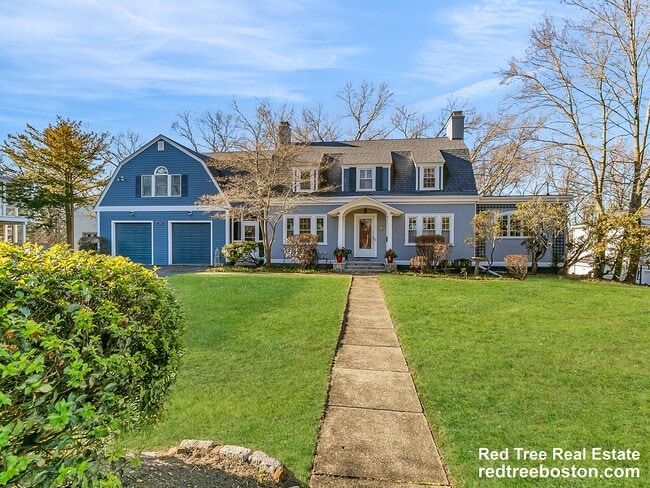
Newton Highlands is a village within Newton, MA, where a walkable commercial strip of independent cafes and local shops creates a small-town feel just 7 to 10 miles west of downtown Boston. Day-to-day errands are easy to manage on foot, with groceries reachable in under ten minutes and a good variety of restaurants and shops within the village center. The neighborhood runs along the Green Line D corridor between Newton Centre and Waban, and shares Newton's identity as The Garden City -- tree-lined streets, exceptional green space, and a pace that feels genuinely livable.
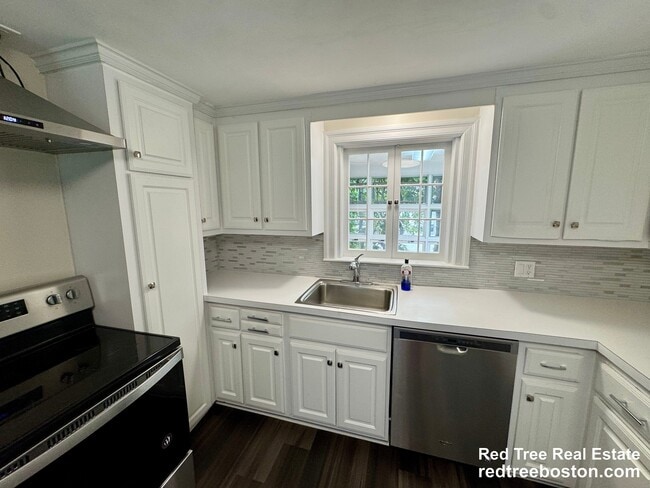
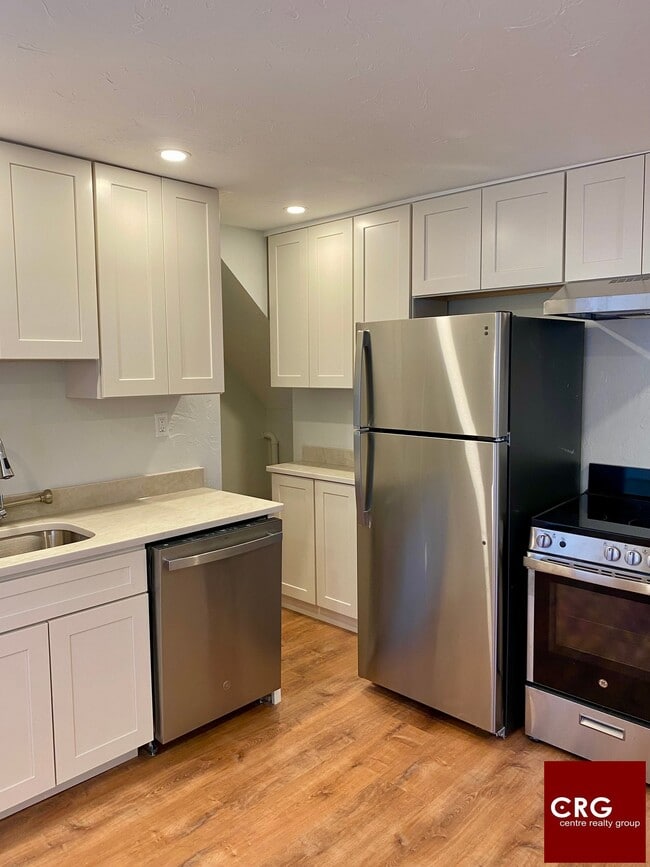
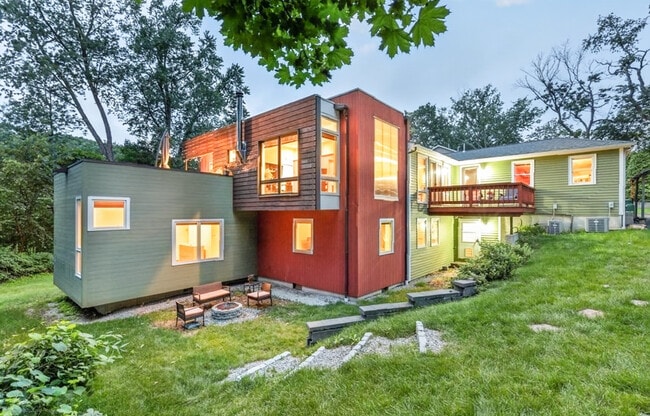
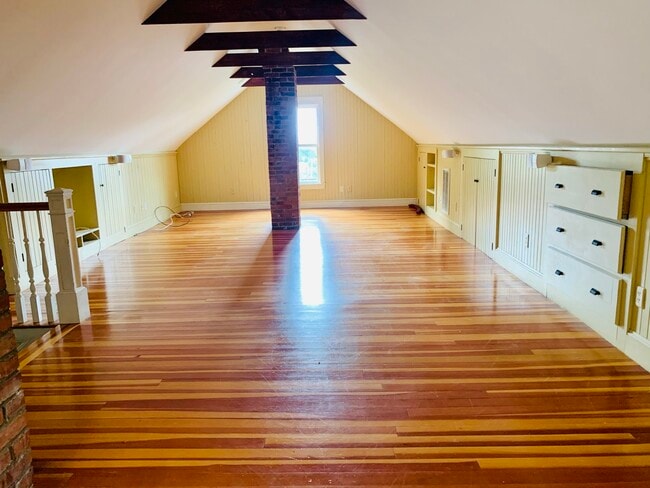
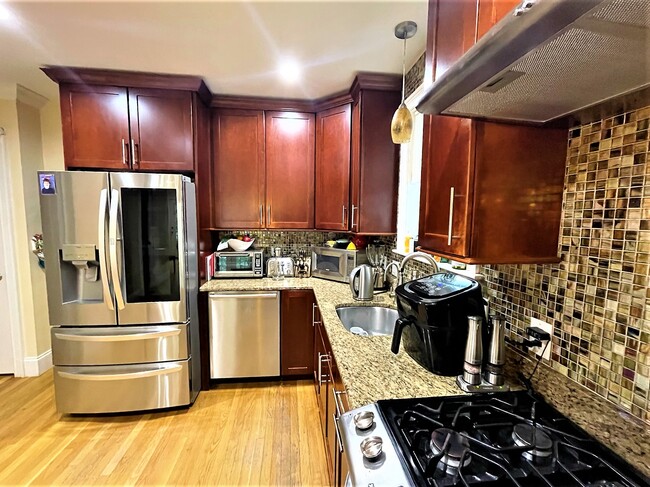
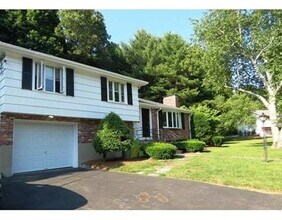
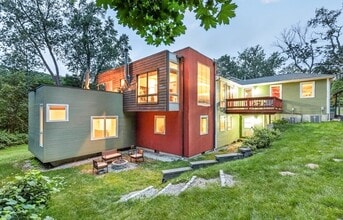
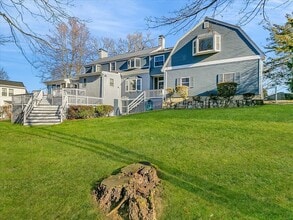
Renters here will find a mix of apartment communities, single-family conversions, and multi-family homes, with some newer construction near the MBTA station. Architectural styles range from classic New England triple-deckers and Victorian-era houses to more contemporary low-rise buildings close to the Lincoln Street commercial block.
Newton is part of Middlesex County and one of Greater Boston's most well-known addresses. The city is home to 13 villages, each with its own character, and serves as the backdrop for one of running's most iconic landmarks: Heartbreak Hill on the Boston Marathon route.
Median Household Income
$181,379
Average: $193,913
Education
4,313
Residents Have a Degree
Job Market
3,840
Workers Employed
Median Age
45 Years
Largest Age Group
50-59 Years
Approximately 14% of Residents
Under 20
23%
Over 65
23%
Housing Distribution
Newton Highlands has more homeowners than renters.

Education Distribution
Review this city's overall education levels.

As of September 2026, the average apartment rent in Newton Highlands, MA is $1,705 for a studio, and $2,114 for one bedroom. Apartment rent in Newton Highlands has increased by 1.6% in the past year.
Explore how walkable, bikeable, drivable, and transit-friendly Newton Highlands, MA is for everyday living.
Moderately Walkable
Walkability
Some Public Transit
Transit
Exceptionally Drivable
Drivability
Moderately Bikeable
Bikeability

† Our analysis of utilities, groceries, transportation, healthcare, home prices, and other goods and services is sourced from the Cost of Living Index, a respected benchmark published by the Council for Community and Economic Research (C2ER) that provides a thorough overview of living expenses across different regions.
Rent data is provided by CoStar Group’s Market Trend reports. As the industry leader in commercial real estate information, analytics, and news, CoStar conducts extensive research to produce and maintain a comprehensive database of commercial real estate information. We combine this data with public record to provide the most up-to-date rental information available.
Consumer goods, services, and home prices are sourced from the Cost of Living Index published by the Council for Community and Economic Research (C2ER). The data on this page is updated quarterly. It was last published in September 2026.
Demographic information comes from Neustar and combines detailed address data with U.S. Census and American Community Survey statistics to produce reliable local estimates.