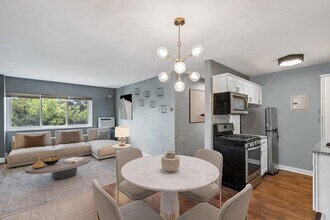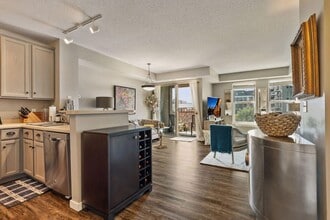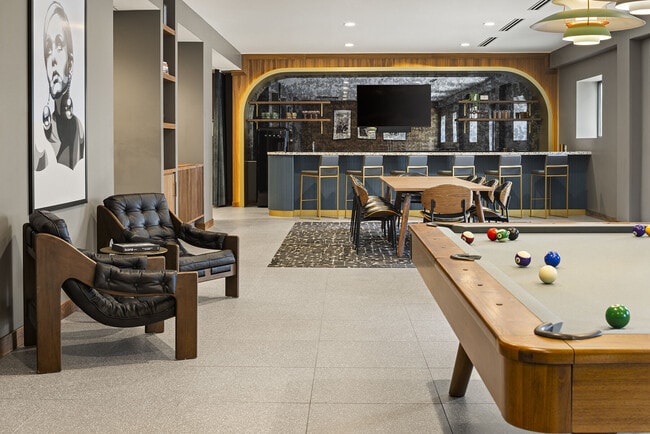
Groove Lofts
608 2nd Ave S,
Minneapolis, MN 55402
$1,328 - $2,254 Plus Fees
Studio - 4 Beds


Area Guide
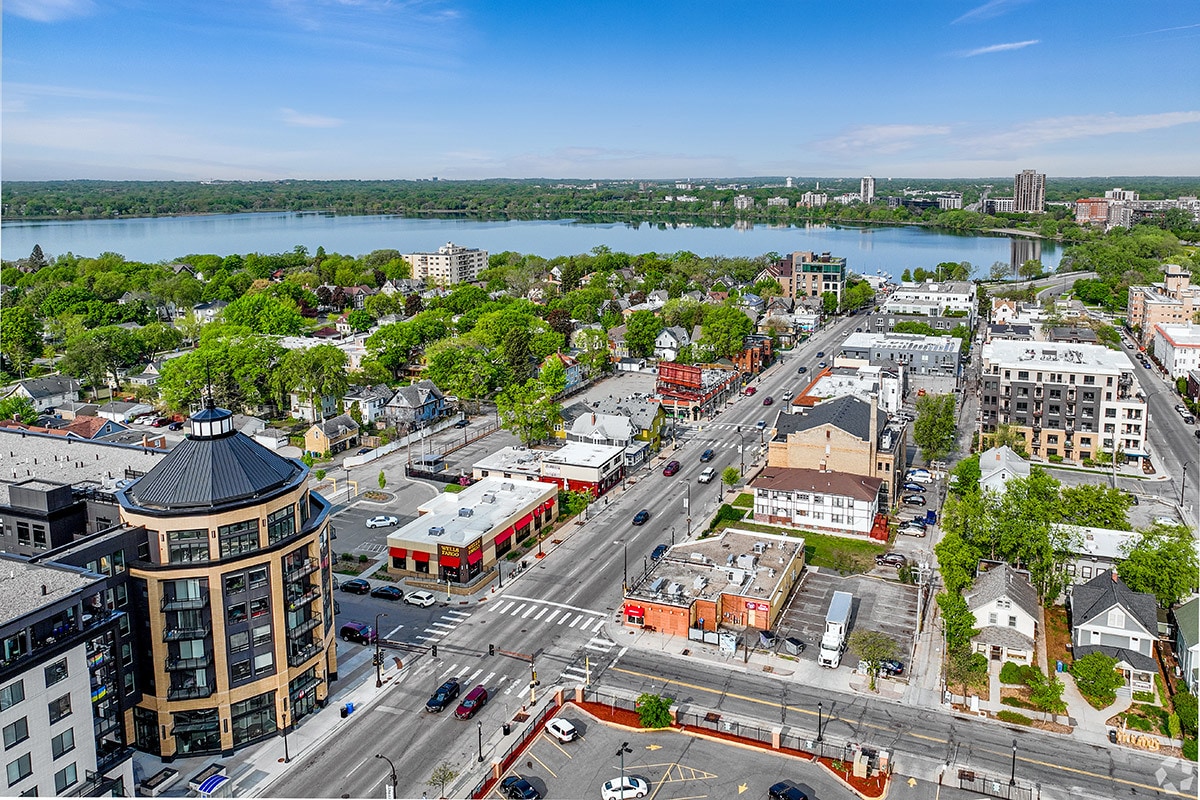
From the shore of Bde Maka Ska lake to the thriving businesses along Lyndale Avenue, Uptown serves as a major hub for arts and entertainment in Minneapolis. The music scene has deep roots, with legendary alumni such as Prince getting their start in Uptown. The nightlife tends to be a bit more subdued than the nearby Warehouse District, but still incorporates dozens of bars and nightclubs catering to a variety of tastes. The neighborhood is known for its artistic flair, reflected in the abundance of public artworks and popular events like the Uptown Art Fair.
When it comes to living in Uptown Minneapolis, folks have several great options. Most of the neighborhood is residential, with everything from historic apartment buildings to large single-family homes lining the streets. The extensive network of tree-shaded sidewalks make it simple to reach your favorite café or neighborhood pub on foot, and Downtown is easily within biking distance. With the abundance of parks and lakes surrounding the neighborhood, it can be easy to forget you’re at the heart of one of America’s biggest cities.
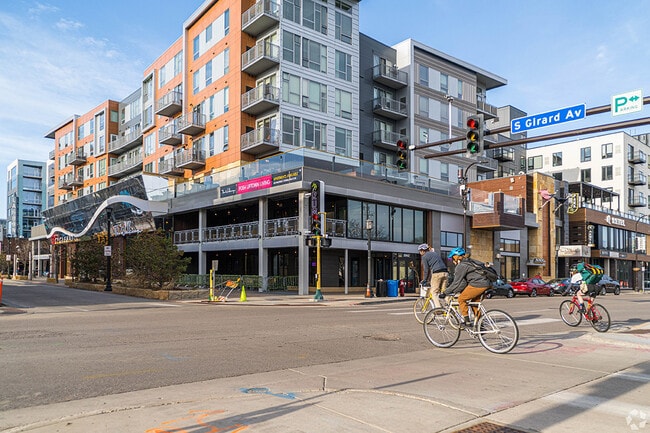
Apartment buildings rise next to the lake.
Biking is a common transportation method.
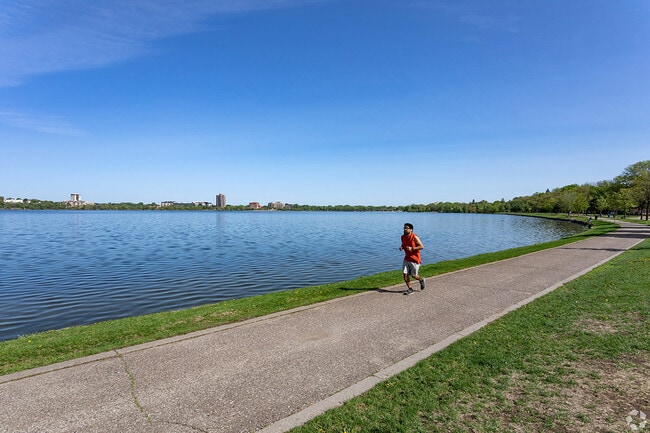
The trails around the lake are a popular exercise spot.
The main streets has a ton of local businesses to explore.
Uptown Minneapolis has a retail corridor for shopping and dining.
Even in the winter, residents frequent Bde Maka Ska Lake.
As of July 2026, the average apartment rent in Uptown Minneapolis is $1,103 for a studio, $1,395 for one bedroom, $1,945 for two bedrooms, and $2,652 for three bedrooms. Apartment rent in Uptown Minneapolis has increased by 4.9% in the past year.
Studio
462 sq ft
Average Sq Ft
$1,103/month
Average Rent
1 BR
688 sq ft
Average Sq Ft
$1,395/month
Average Rent
2 BR
1,031 sq ft
Average Sq Ft
$1,945/month
Average Rent
3 BR
1,217 sq ft
Average Sq Ft
$2,652/month
Average Rent
Explore how walkable, bikeable, drivable, and transit-friendly Uptown Minneapolis - Minneapolis, MN is for everyday living.
Very Walkable
Walkability
Strong Public Transit
Transit
Moderately Drivable
Drivability
Exceptionally Bikeable
Bikeability
In Uptown Minneapolis - Minneapolis, MN, daily errands are quick and hassle-free.
Supermarket Within a 5 Minute Walk
Groceries
Exceptional Restaurant Variety Nearby
Restaurants
Exceptional Café Variety Nearby
Cafes
Great Variety of Shops Nearby
Shopping
Uptown Minneapolis - Minneapolis, MN provides ample green space and fitness centers within easy reach.
Exceptional Amount of Park Space Nearby
Parks
Great Wellness Amenity Variety Nearby
Wellness
Get a sense of what it’s like to live in Uptown Minneapolis - Minneapolis, MN from everyday activity to noise and nightlife.
Vibrant Atmosphere
Vibrancy
Exceptional Nightlife Variety Nearby
Nightlife
Not Noisy
Quiet Score

† Our analysis of utilities, groceries, transportation, healthcare, home prices, and other goods and services is sourced from the Cost of Living Index, a respected benchmark published by the Council for Community and Economic Research (C2ER) that provides a thorough overview of living expenses across different regions.
Rent data is provided by CoStar Group’s Market Trend reports. As the industry leader in commercial real estate information, analytics, and news, CoStar conducts extensive research to produce and maintain a comprehensive database of commercial real estate information. We combine this data with public record to provide the most up-to-date rental information available.
Consumer goods, services, and home prices are sourced from the Cost of Living Index published by the Council for Community and Economic Research (C2ER). The data on this page is updated quarterly. It was last published in June 2026.
Demographic information comes from Neustar and combines detailed address data with U.S. Census and American Community Survey statistics to produce reliable local estimates.