Median Age
42 Years
Largest Age Group
30-39 Years
Approximately 18% of Residents
Under 20
18%
Over 65
21%




Avg Rent
$2,591
Population
18,865
Renter Mix
51% Rent
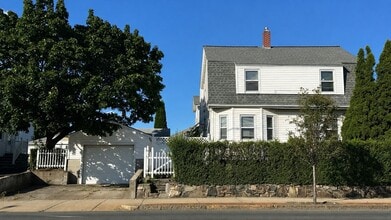
North Quincy delivers the rare combination of a quiet coastal neighborhood and a swift Red Line connection to Downtown Boston, just a few miles away. Daily life here feels unhurried: grocery stores are a short walk from most doorsteps, the dining scene is exceptionally well-stocked, and Quincy Bay's waterfront adds a natural backdrop to the whole area. Nearby neighborhoods like Wollaston and Quincy Center round out the options for shopping, dining, and entertainment.
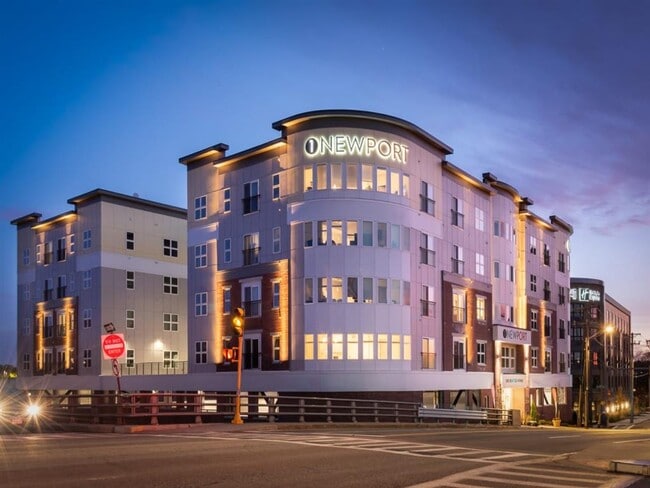
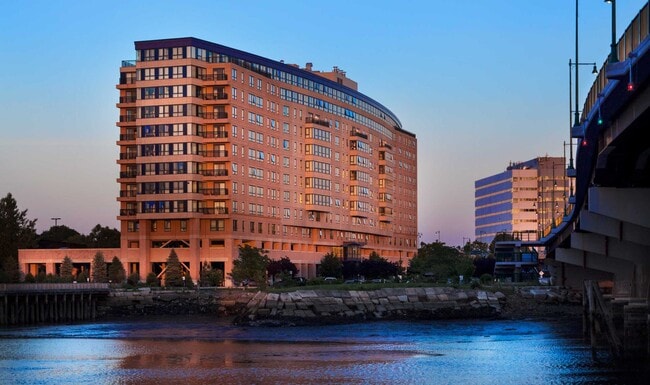
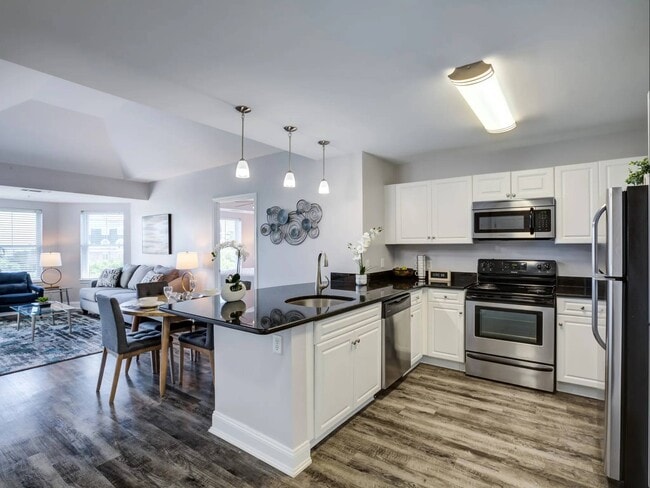
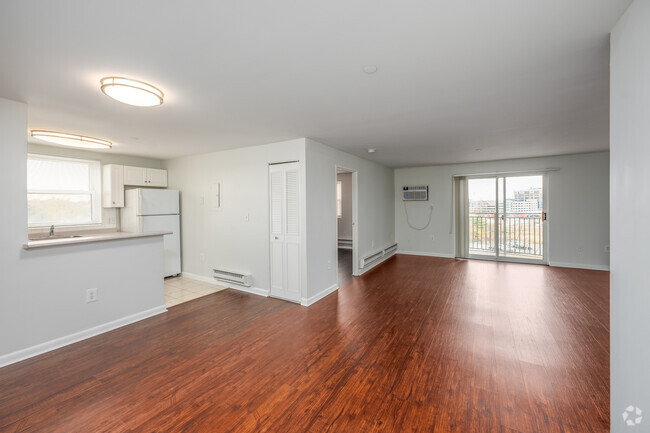
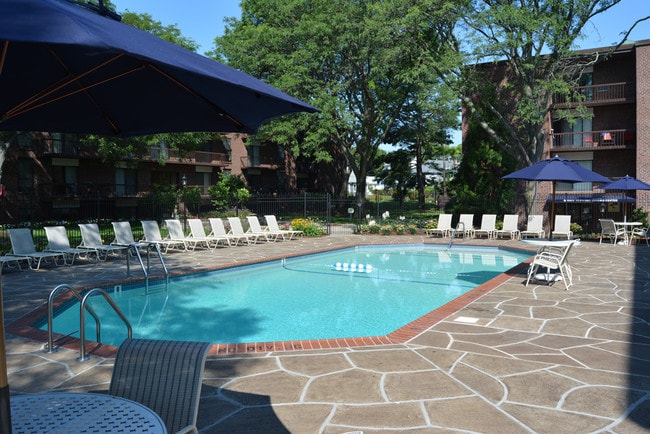
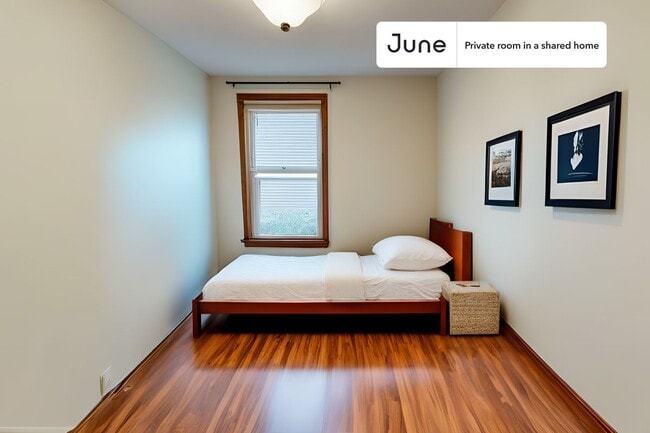
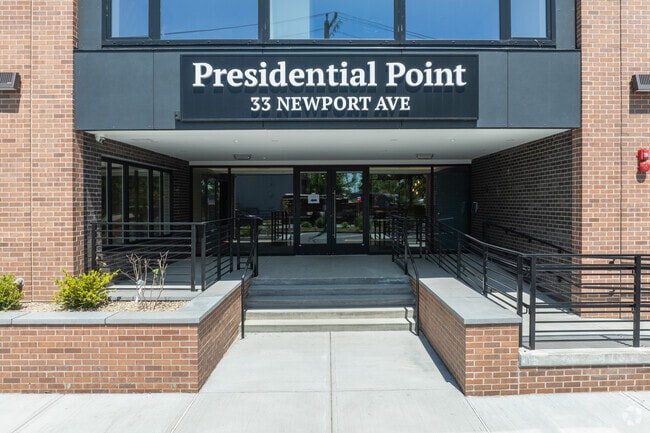
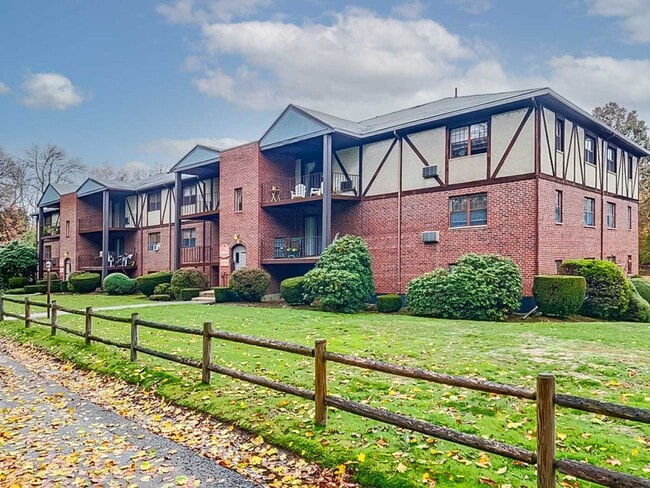
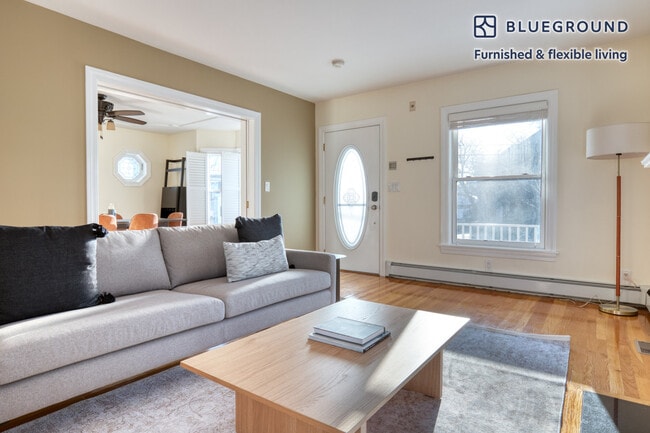
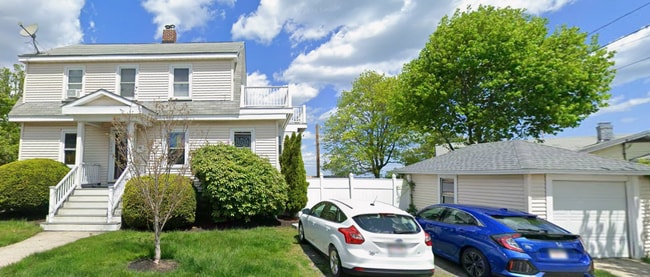
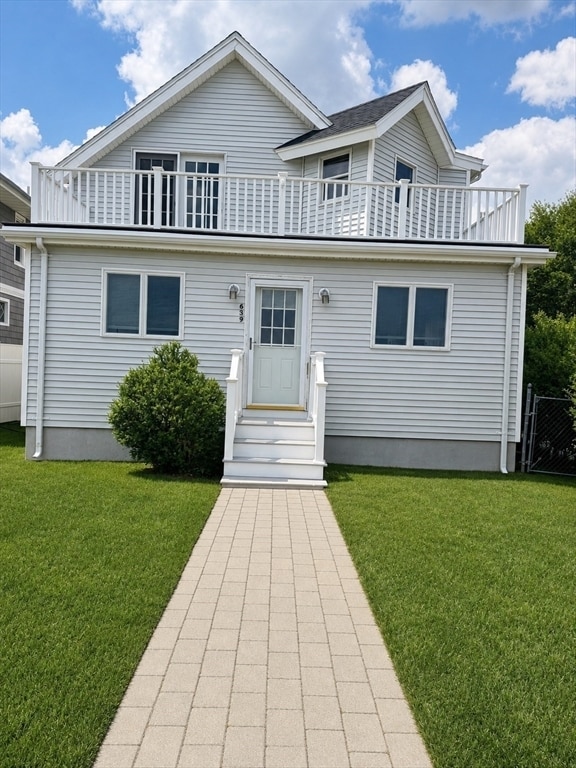
The rental stock leans toward multi-family buildings and includes a solid mix of apartment communities ranging from low-rise brick walk-ups to larger residential buildings with updated interiors. Single-family rental homes are also available for those who want more space, reflecting North Quincy's traditionally residential character.
The broader city earned its nickname "City of Presidents" as the birthplace of John Adams, John Quincy Adams, and John Hancock, the first signer of the Declaration of Independence. That history runs alongside a present-day identity that includes a thriving food and cultural scene, giving the area a genuinely cosmopolitan feel.
A fountain in Quincy
A Quincy park in the fall
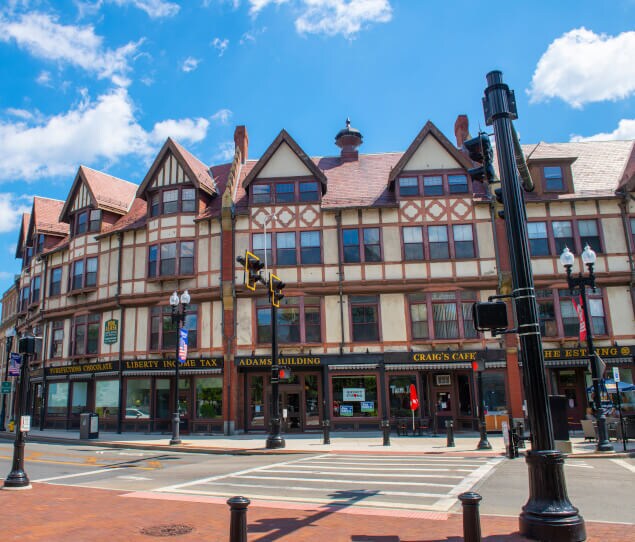
Historic buildings in Downtown Quincy
Median Household Income
$101,498
Average: $126,543
Education
8,904
Residents Have a Degree
Job Market
10,774
Workers Employed
Median Age
42 Years
Largest Age Group
30-39 Years
Approximately 18% of Residents
Under 20
18%
Over 65
21%
Housing Distribution
In North Quincy, there are roughly the same number of renters and homeowners.

Education Distribution
Review this city's overall education levels.

As of September 2026, the average apartment rent in North Quincy, MA is $2,591 for one bedroom, and $3,519 for two bedrooms. Apartment rent in North Quincy has decreased by -3.6% in the past year.
Explore how walkable, bikeable, drivable, and transit-friendly North Quincy, MA is for everyday living.
Fairly Walkable
Walkability
Some Public Transit
Transit
Exceptionally Drivable
Drivability
Moderately Bikeable
Bikeability

† Our analysis of utilities, groceries, transportation, healthcare, home prices, and other goods and services is sourced from the Cost of Living Index, a respected benchmark published by the Council for Community and Economic Research (C2ER) that provides a thorough overview of living expenses across different regions.
Rent data is provided by CoStar Group’s Market Trend reports. As the industry leader in commercial real estate information, analytics, and news, CoStar conducts extensive research to produce and maintain a comprehensive database of commercial real estate information. We combine this data with public record to provide the most up-to-date rental information available.
Consumer goods, services, and home prices are sourced from the Cost of Living Index published by the Council for Community and Economic Research (C2ER). The data on this page is updated quarterly. It was last published in September 2026.
Demographic information comes from Neustar and combines detailed address data with U.S. Census and American Community Survey statistics to produce reliable local estimates.