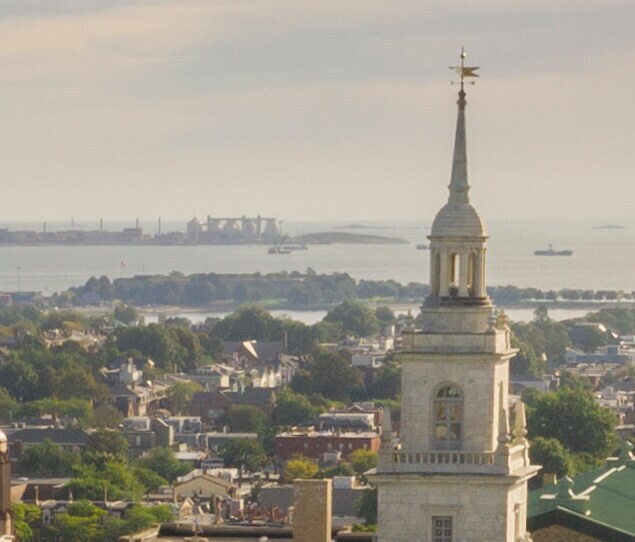
Dorchester Heights monument
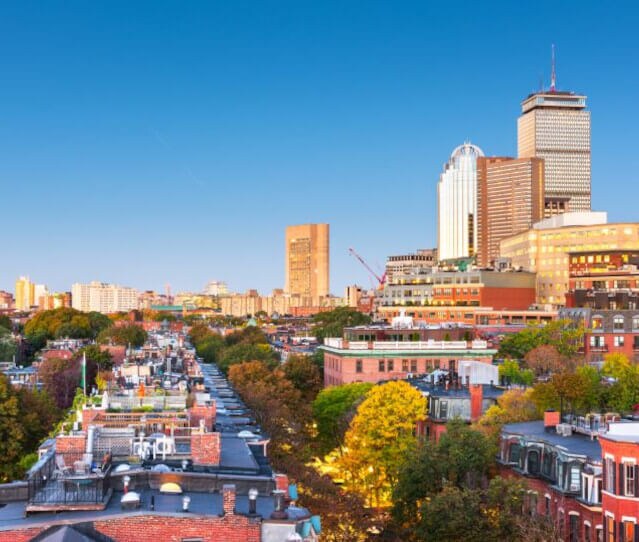
View of Boston’s South End
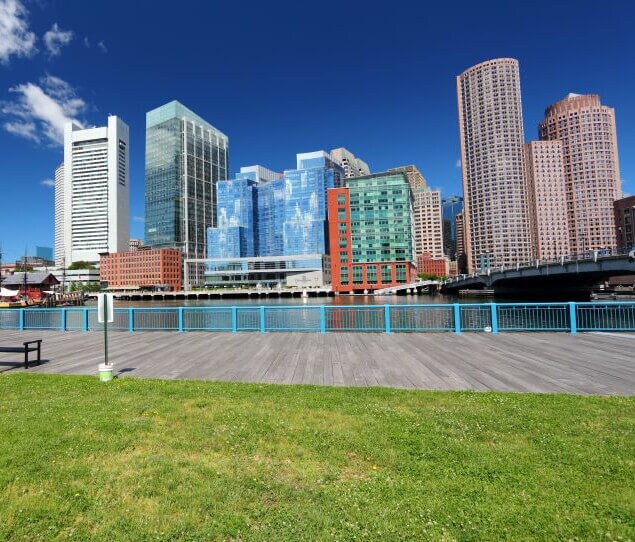
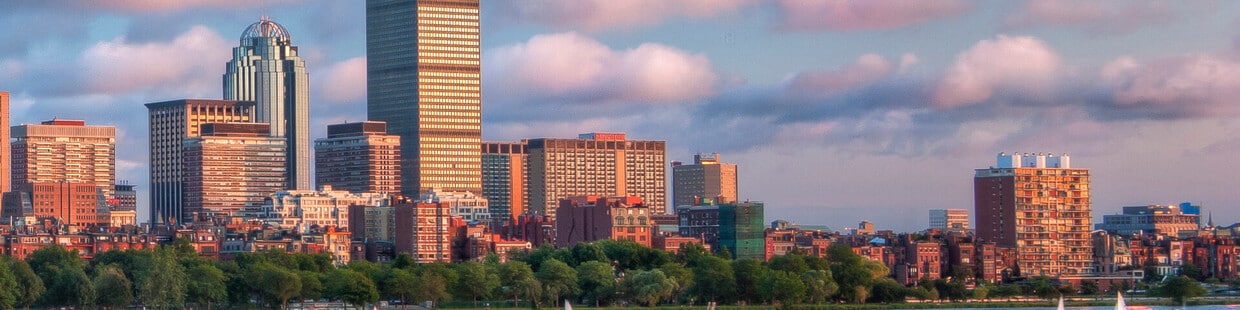
Southern Boston’s skyline

Dorchester, MA Area Guide

Avg Rent

$2,381

Population

124,098

Renter Mix

68% Rent

A premier destination just south of downtown Boston

Bustling Historic Coastal

Dorchester stretches more than six square miles about five miles south of Downtown Boston -- and it carries an identity all its own. Daily life plays out along commercial corridors like Dorchester Avenue and Blue Hill Avenue, where bakeries, markets, and restaurants reflect a wide range of culinary traditions. The neighborhood is easy to navigate on foot for everyday errands and moderately bikeable, making car-optional living realistic for many residents.

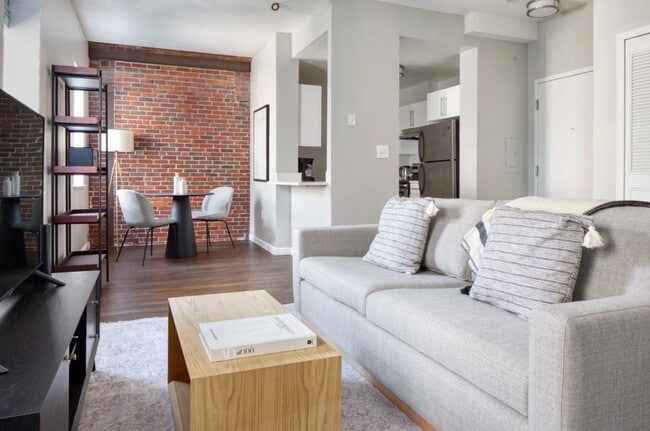
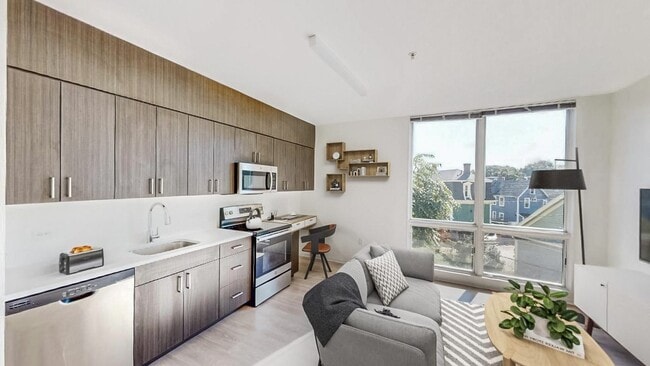
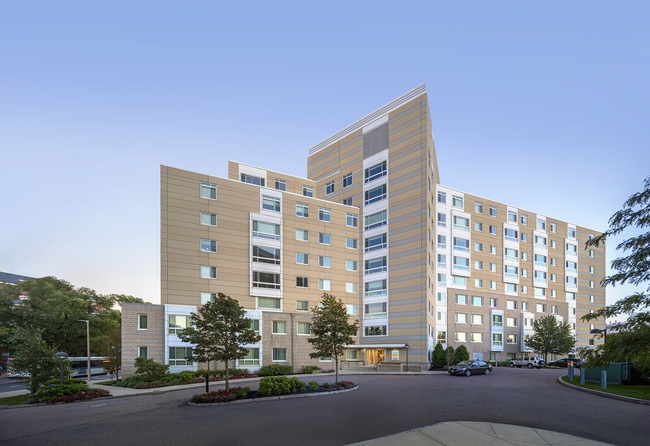
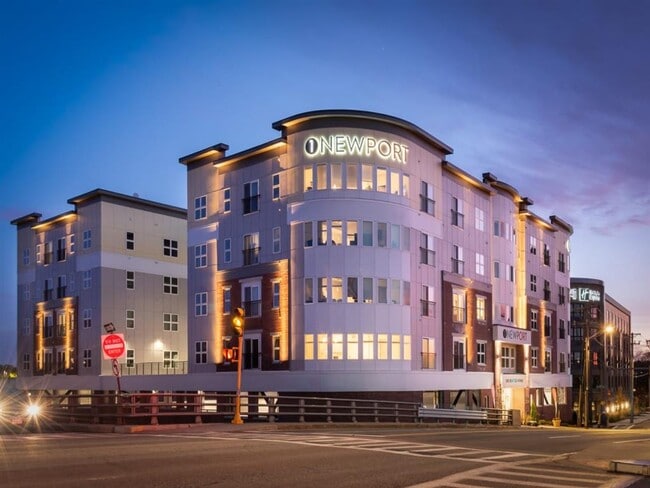
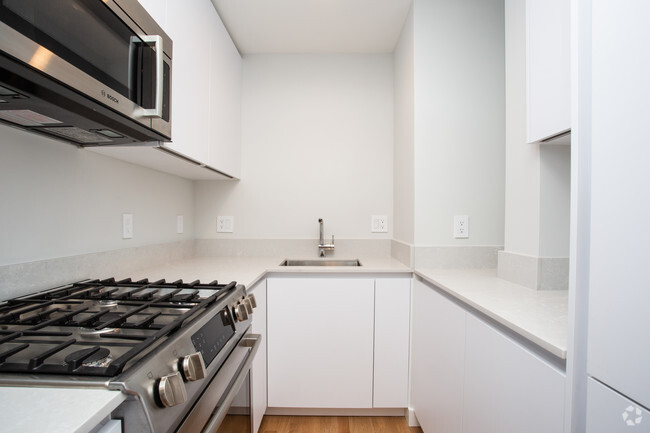
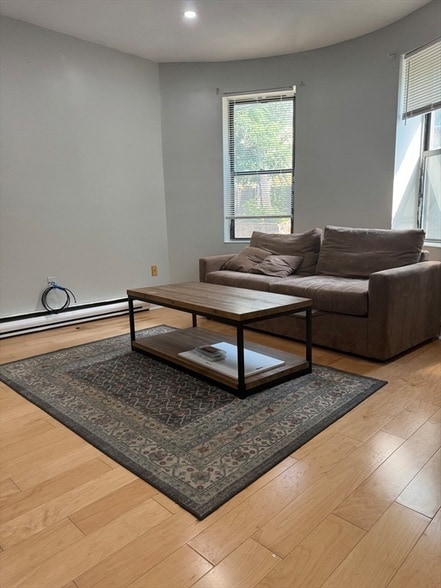
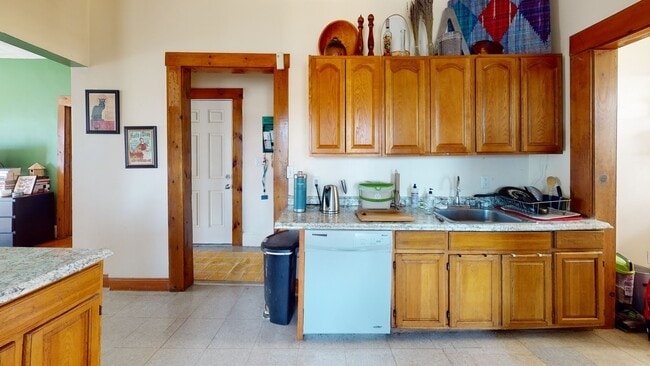
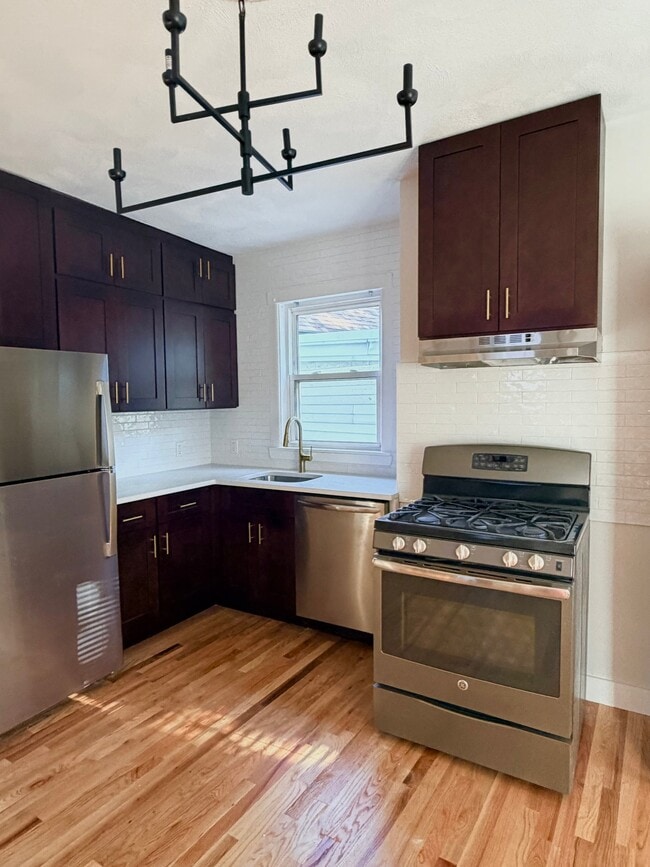
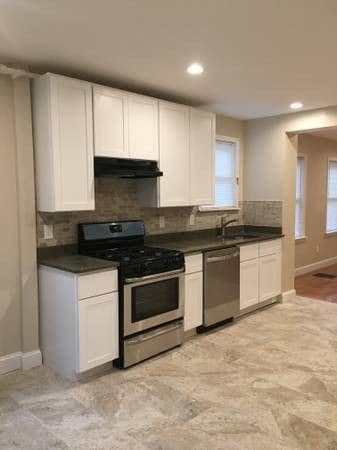
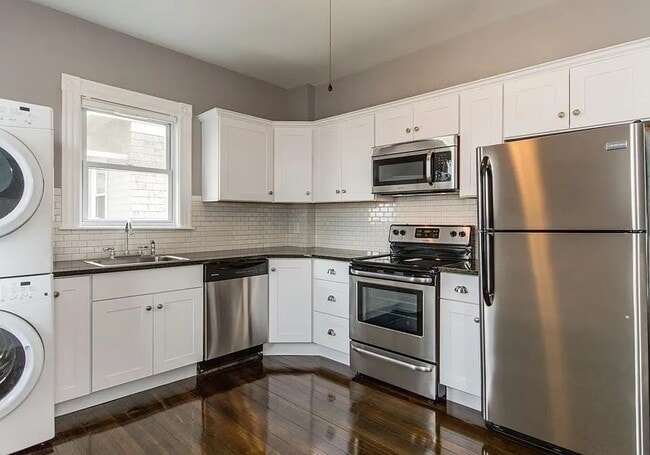
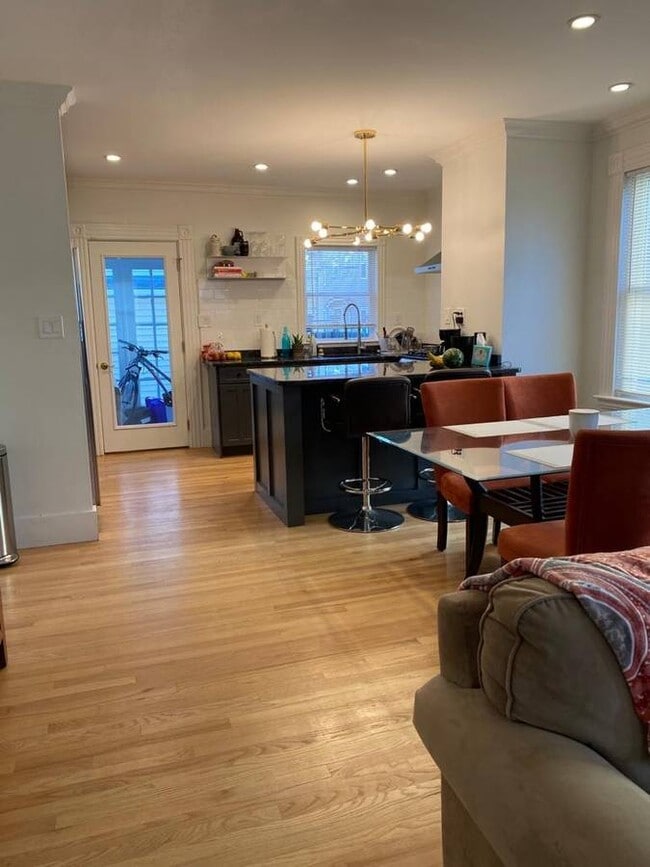
The rental landscape reflects Dorchester's age and architectural character. Triple-decker wood-frame houses dominate the residential streets -- a building type constructed in large numbers in the late 19th and early 20th centuries. Newer mixed-use developments have added contemporary apartment communities to the mix, with options ranging from updated units in renovated triple-deckers to modern multi-story buildings with full amenity packages. There are also many classic apartment communities with brick facades that tell stories of the city's growth.

Founded in 1630, Dorchester is actually older than Boston itself. Annexed to the city in 1870, it grew rapidly as streetcar and railroad lines spread through the area. Today, UMass Boston anchors the Columbia Point peninsula, and the JFK Presidential Library and Museum -- housed in a striking I.M. Pei-designed building on that same peninsula -- draws visitors from across the country.

Explore the City

Dorchester Heights monument

View of Boston’s South End

Southern Boston’s skyline

Demographics

Median Household Income

$61,489

Average: $89,734

Education

32,562

Residents Have a Degree

Job Market

65,941

Workers Employed

Age Distribution
Get a sense of this area's population profile.

Median Age

37 Years

Largest Age Group

30-39 Years

Approximately 16% of Residents

Under 20

25%

Over 65

15%
Housing Distribution

Dorchester has more renters than homeowners.

Renters
68%
Non-Renters
32%

Education Distribution

Review this city's overall education levels.

Bachelor's or Higher
21%
Other Education
79%

Rent Trends

As of September 2026, the average apartment rent in Dorchester, MA is $2,290 for a studio, $2,381 for one bedroom, $3,158 for two bedrooms, and $4,134 for three bedrooms. Apartment rent in Dorchester has decreased by -0.1% in the past year.

Property Type
Average Rent
Average Sq Ft
Apartment
$2,381/month
624 Sq Ft
House
$3,993/month
1,281 Sq Ft
Condo
$3,475/month
2,336 Sq Ft
Townhome
$4,060/month
2,453 Sq Ft
See Rental Market Trends in Dorchester, MA

Learn More About Dorchester

Getting Around

Fairly Walkable

Walkability

50 / 100

Some Public Transit

Transit

40 / 100

Exceptionally Drivable

Drivability

100 / 100

Moderately Bikeable

Bikeability

60 / 100

Points of Interest

Parks and Recreation

  • Squantum Point Park
  • Dorchester Shores Reservation
  • Lower Neponset River Trail
  • Franklin Park Zoo
  • Castle Island

Transit / Subway

Airports

  • General Edward Lawrence Logan International

Top Apartments in Dorchester

Houses for Rent in Dorchester

Living in Dorchester

History

-

Puritan settlers from Dorchester, Dorset, England established this community in 1630, just months before Boston was incorporated, making it one of the earliest towns in the Massachusetts Bay Colony. It was annexed into the city of Boston in 1870. Railroad and commuter streetcar lines soon transformed the landscape, spurring a building boom of triple-decker homes that still define the streetscape today.

The suburb's layers of history are visible and accessible. The JFK Presidential Library and Museum, opened in 1979 at Columbia Point, occupies a building designed by architect I.M. Pei and chronicles the life and presidency of John F. Kennedy. Dorchester Park, designed in the Olmsted tradition, has served the community for well over a century, and the streets themselves form a living record of successive waves of residents who each left a mark on the architecture and institutions here.

Restaurants

-

Along Dorchester Avenue in the Fields Corner area, you'll find one of Boston's most distinctive dining corridors -- Vietnamese restaurants where pho shops, banh mi counters, and noodle houses sit side by side, alongside takeout spots and restaurants representing a range of other culinary traditions.

The Ashmont and Peabody Square area has become more of a dining strip, with gastropubs, New American bistros, and craft cocktail bars drawing diners from around the city. The overall variety is strong for a residential neighborhood of this size, and the range from affordable counter-service spots to sit-down restaurants.

Transportation

-

Getting around without a car is practical for many trips, with the MBTA Red Line running through the neighborhood and serving stations at JFK/UMass, Savin Hill, Fields Corner, Shawmut, and Ashmont. The Ashmont terminal connects to the Mattapan Trolley line, extending service further south. Multiple MBTA bus routes cover Dorchester Avenue, Blue Hill Avenue, and the cross-street corridors, filling gaps between rail stations.

For drivers, Morrissey Boulevard connects directly to I-93 and the Southeast Expressway, and Logan International Airport is roughly 10 miles away under normal conditions. The neighborhood's streets are moderately bikeable, and the Neponset River Trail offers a car-free route for cyclists heading south.

Parks

-

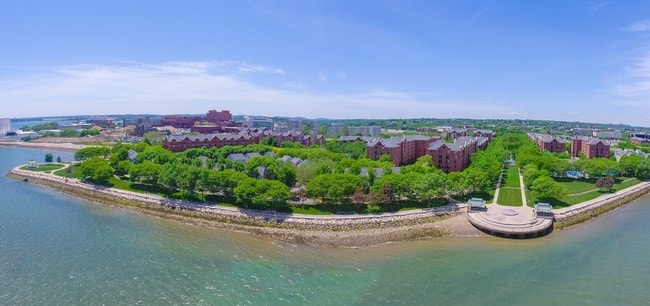
Dorchester Park, with its Olmsted-influenced design, offers tennis courts, a playground, and open lawn space set within a historic green. Nearby, Savin Hill Park rises to a hilltop with sweeping views of Dorchester Bay -- a popular spot for an evening walk.

The Neponset River Reservation and its Lower Neponset River Trail provide a multi-use path for cycling and walking along the river, with marsh views and shoreline access. Dorchester Shores Reservation stretches along Dorchester Bay with open waterfront and harbor views. Franklin Park, Boston's largest green space, is a short drive away and contains a golf course, walking trails, and Franklin Park Zoo -- all part of the city's historic Emerald Necklace park system.

Cost

-

Renting in Dorchester costs meaningfully less than in many other Boston suburbs, making it one of the more accessible entry points into the metro. The broader Boston area runs well above the national average for cost of living, with housing costs especially elevated. Grocery prices are close to the national norm, while utilities and healthcare tend to run higher.

Shopping

-

Shopping here is practical and spread across several commercial nodes rather than concentrated in a single district. The Neponset Circle Shopping Center and Marketplace at Morrissey anchor the southern end of the suburb with everyday retail, grocery, and service options within a short drive.

Dorchester Avenue serves as the main retail spine, lined with international grocery stores, specialty food shops, and neighborhood businesses that reflect the area's broad culinary range. The Fields Corner corridor, in particular, offers specialty grocery options alongside everyday conveniences -- giving residents access to a wide selection of ingredients and goods without leaving the neighborhood.

Highlights

-

Dorchester combines Red Line subway access, the JFK Presidential Library and Museum, Olmsted-influenced parks, and one of the city's most active dining scenes -- all at rental prices that run well below those in neighboring Boston districts.

Search Nearby Rentals

Methodology

† Our analysis of utilities, groceries, transportation, healthcare, home prices, and other goods and services is sourced from the Cost of Living Index, a respected benchmark published by the Council for Community and Economic Research (C2ER) that provides a thorough overview of living expenses across different regions.

Rent data is provided by CoStar Group’s Market Trend reports. As the industry leader in commercial real estate information, analytics, and news, CoStar conducts extensive research to produce and maintain a comprehensive database of commercial real estate information. We combine this data with public record to provide the most up-to-date rental information available.

Consumer goods, services, and home prices are sourced from the Cost of Living Index published by the Council for Community and Economic Research (C2ER). The data on this page is updated quarterly. It was last published in September 2026.

Demographic information comes from Neustar and combines detailed address data with U.S. Census and American Community Survey statistics to produce reliable local estimates.