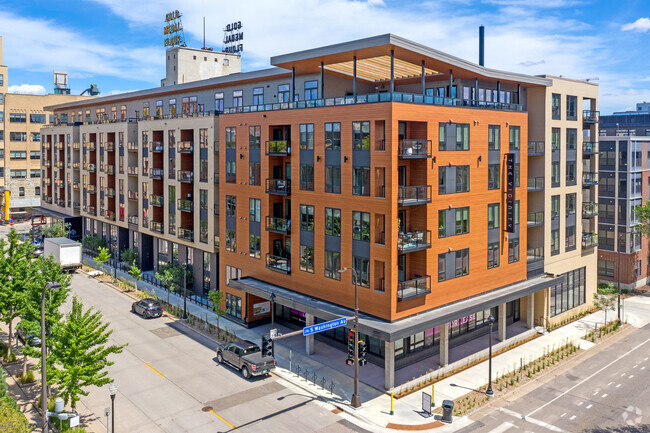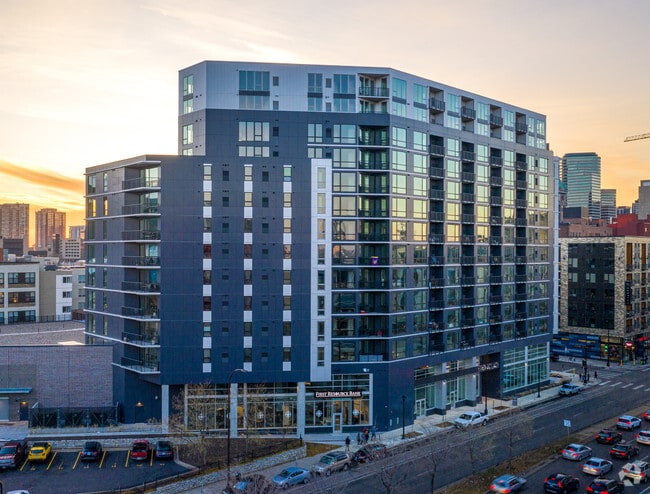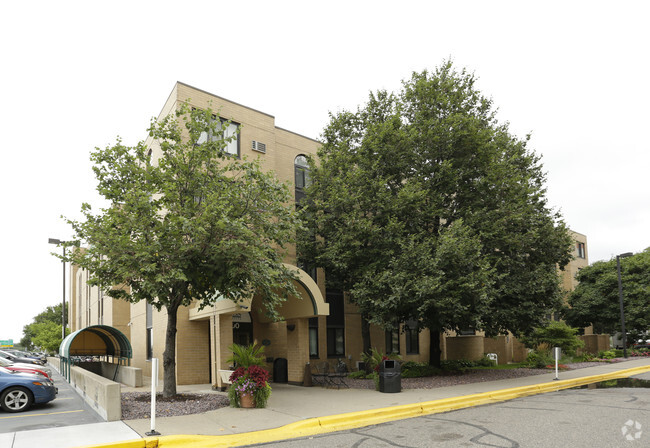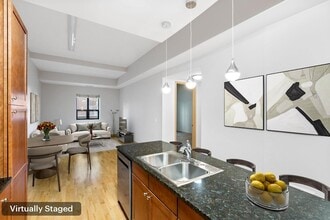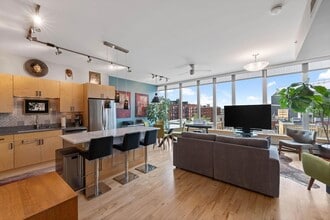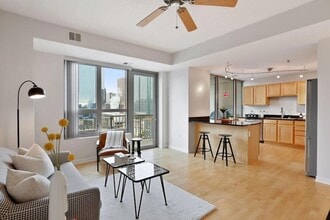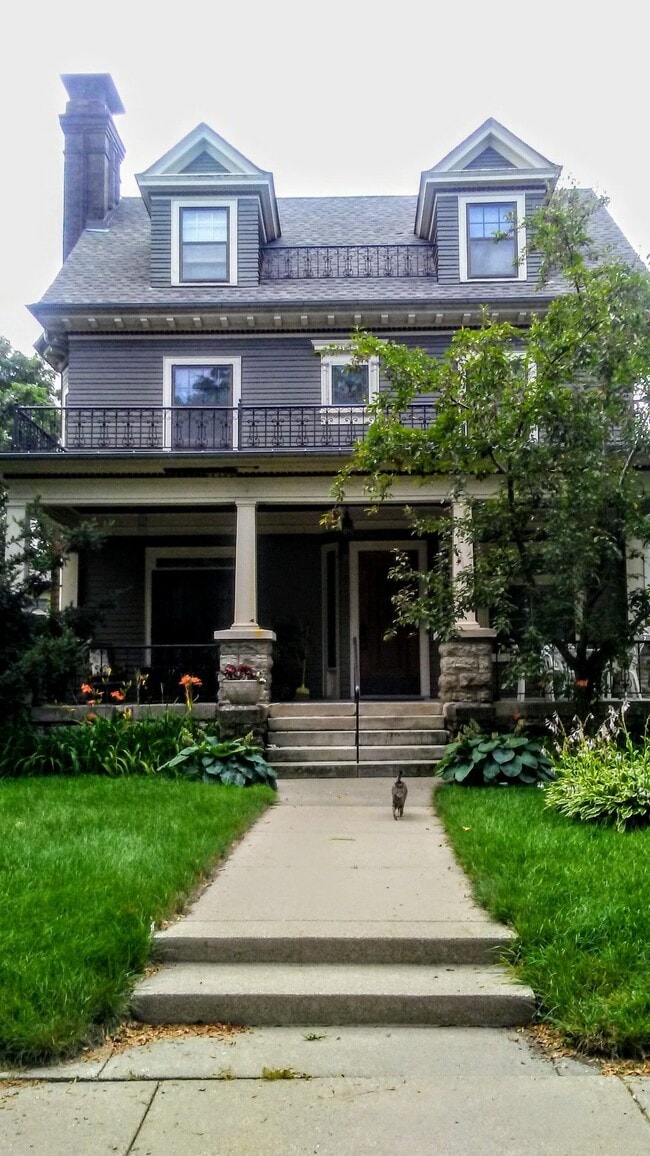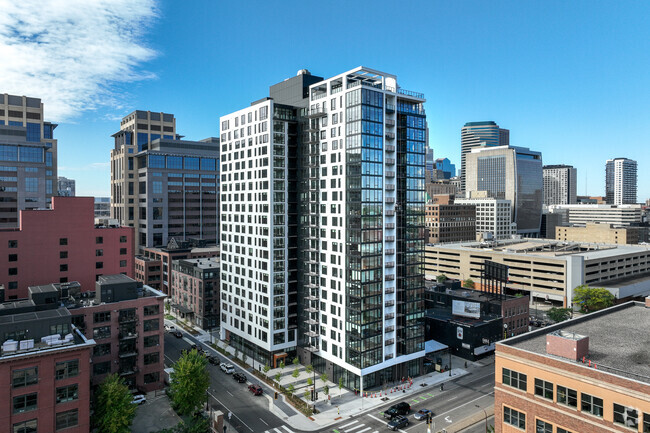
O2
250 Portland Ave,
Minneapolis, MN 55401
$1,927 - $3,572 Total Monthly Price
1-2 Beds




Area Guide
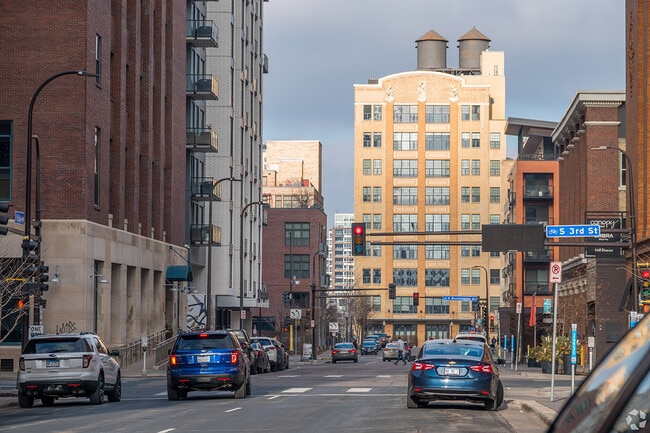
Nestled alongside the banks of the mighty Mississippi River, the Mill District is an exciting neighborhood in the eastern portion of Downtown Minneapolis. The Mill District is known for its stunning mix of historic architecture and modern delights.
The Mill District is home to a number of former flour mills, remnants of Minneapolis’ past life as the flour milling capital of the world. Many of these former flour mills have been converted into luxury lofts and condos. Even if you don’t live in one, you’ll appreciate the look of these impressive brick structures and their vintage signage juxtaposed against the modern Minneapolis skyline.
The neighborhood offers plenty of green space and opportunities for outdoor recreation at Mill Ruins Park and Gold Medal Park, along with close proximity to the Commons, U.S. Bank Stadium, and Bohemian Flats Park. Several cultural institutions call the neighborhood home, including Guthrie Theater and Mill City Museum. Most residents enjoy easy commutes with great access public transit, I-35W, the University of Minnesota Law School, Augsburg University, and countless downtown employers.
The spiral walkway at Gold Medal Park is a must-walk feature.
As of September 2026, the average apartment rent in Mill District is $1,626 for a studio, $2,025 for one bedroom, $3,261 for two bedrooms, and $6,905 for three bedrooms. Apartment rent in Mill District has increased by 4.8% in the past year.
Studio
538 sq ft
Average Sq Ft
$1,626/month
Average Rent
1 BR
725 sq ft
Average Sq Ft
$2,025/month
Average Rent
2 BR
1,171 sq ft
Average Sq Ft
$3,261/month
Average Rent
3 BR
1,926 sq ft
Average Sq Ft
$6,905/month
Average Rent
Explore how walkable, bikeable, drivable, and transit-friendly Mill District - Minneapolis, MN is for everyday living.
Exceptionally Walkable
Walkability
Exceptional Public Transit
Transit
Moderately Drivable
Drivability
Exceptionally Bikeable
Bikeability
In Mill District - Minneapolis, MN, daily errands are quick and hassle-free.
Supermarket Within a 5 Minute Walk
Groceries
Exceptional Restaurant Variety Nearby
Restaurants
Exceptional Café Variety Nearby
Cafes
Great Variety of Shops Nearby
Shopping
Mill District - Minneapolis, MN provides ample green space and fitness centers within easy reach.
Exceptional Amount of Park Space Nearby
Parks
Great Wellness Amenity Variety Nearby
Wellness
Get a sense of what it’s like to live in Mill District - Minneapolis, MN from everyday activity to noise and nightlife.
Vibrant Atmosphere
Vibrancy
Exceptional Nightlife Variety Nearby
Nightlife
Fairly Noisy
Quiet Score

† Our analysis of utilities, groceries, transportation, healthcare, home prices, and other goods and services is sourced from the Cost of Living Index, a respected benchmark published by the Council for Community and Economic Research (C2ER) that provides a thorough overview of living expenses across different regions.
Rent data is provided by CoStar Group’s Market Trend reports. As the industry leader in commercial real estate information, analytics, and news, CoStar conducts extensive research to produce and maintain a comprehensive database of commercial real estate information. We combine this data with public record to provide the most up-to-date rental information available.
Consumer goods, services, and home prices are sourced from the Cost of Living Index published by the Council for Community and Economic Research (C2ER). The data on this page is updated quarterly. It was last published in September 2026.
Demographic information comes from Neustar and combines detailed address data with U.S. Census and American Community Survey statistics to produce reliable local estimates.