Las Vegas

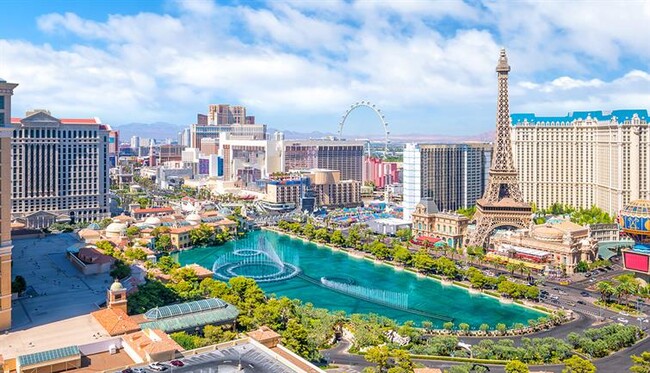
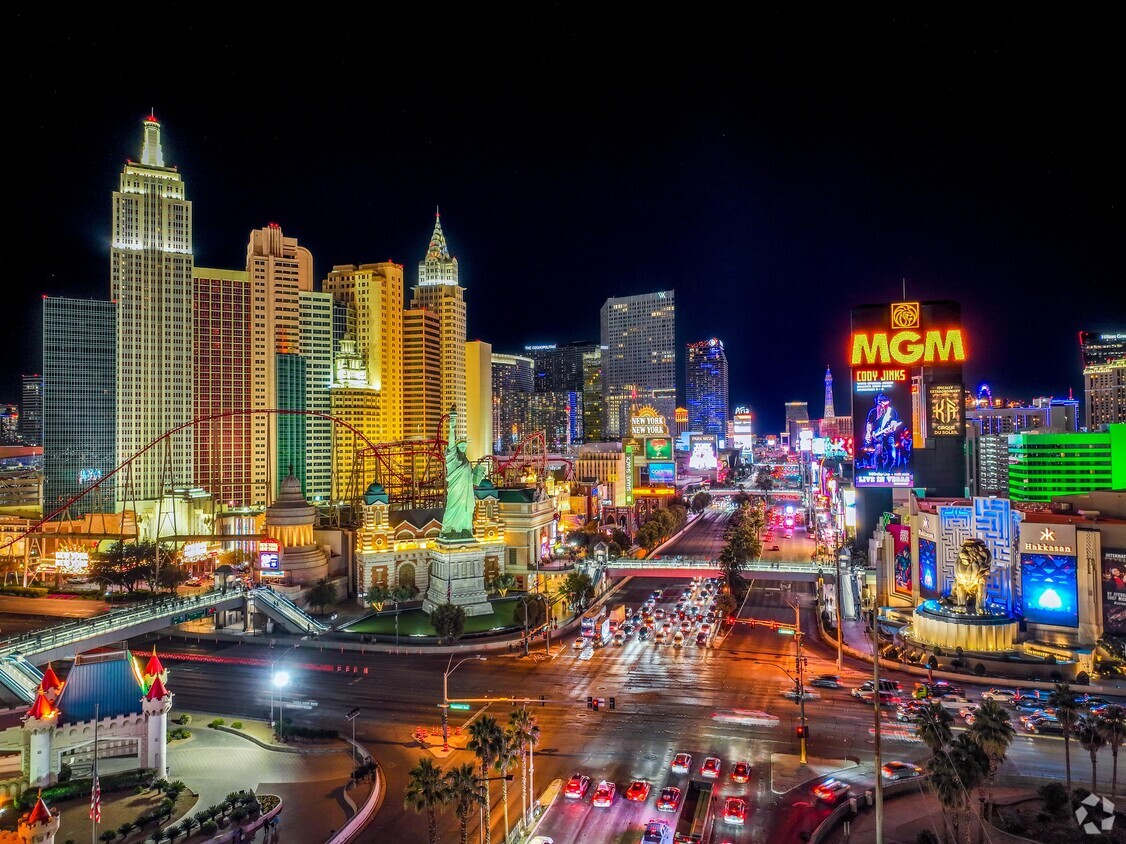
The Las Vegas Strip
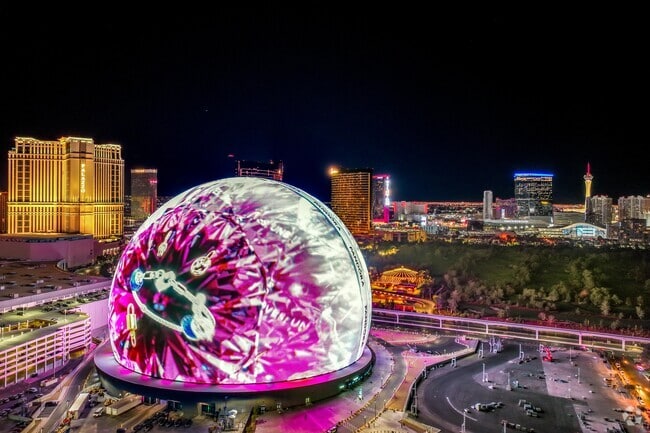
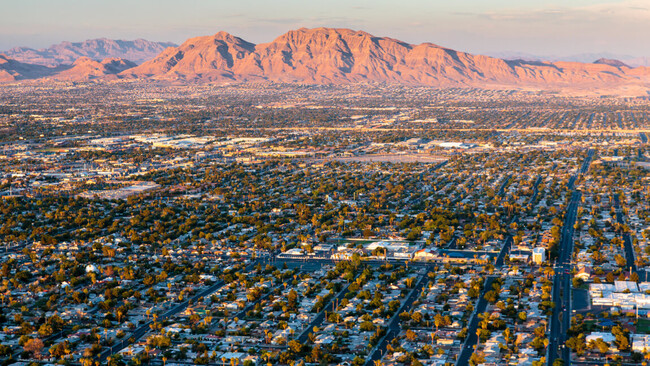
An evening view of Las Vegas
Legendary Caesars Palace

Las Vegas, NV Area Guide

Avg Rent

$1,280

Population

659,468

Renter Mix

47% Rent

America’s Playground is a terrific place to live for those who seek variety

Tourism Casino Desert Outdoors Nature Entertainment Fun-Filled Diverse Bicycle-Friendly

Las Vegas is far more layered than its global reputation suggests, operating as Nevada's most populous city and the financial and cultural center of the entire state. The famous Strip sits just outside city limits in the unincorporated communities of Paradise and Winchester, which means the city itself leans decidedly residential, with strong economic anchors in hospitality, gaming, and a growing technology and healthcare sector. The University of Nevada, Las Vegas grounds the east side of the metro with academic energy and ties the surrounding area to research, medicine, and the arts.

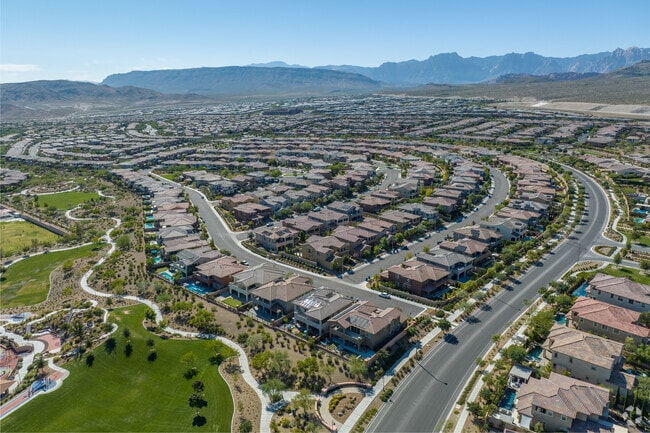
Neighborhoods span a wide range of personalities. Summerlin sits against the edge of Red Rock Canyon National Conservation Area, offering desert trail access alongside master-planned streets. The 18b Arts District downtown draws a creative crowd with murals, galleries, and breweries, while Spring Valley places residents near the Chinatown corridor along Spring Mountain Road. Desert Shores and The Lakes offer waterside paths in a quieter setting. The annual Life Is Beautiful festival transforms downtown into a multi-day celebration of music, art, and food that reflects the city's local culture well beyond the casino floors.

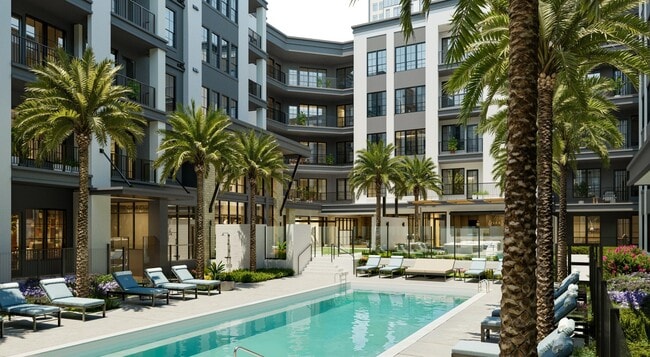
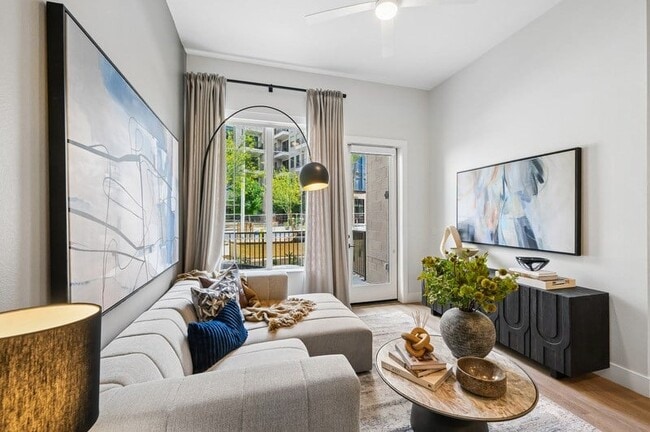
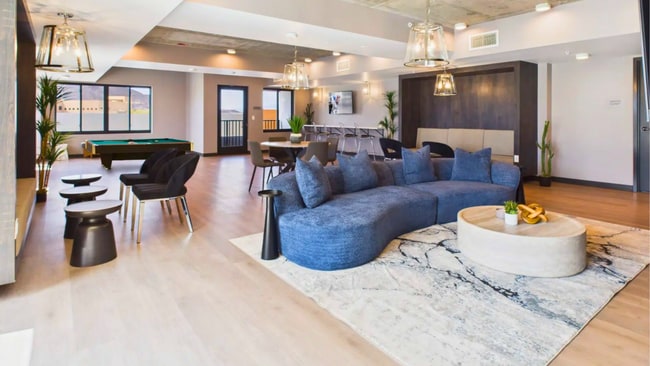
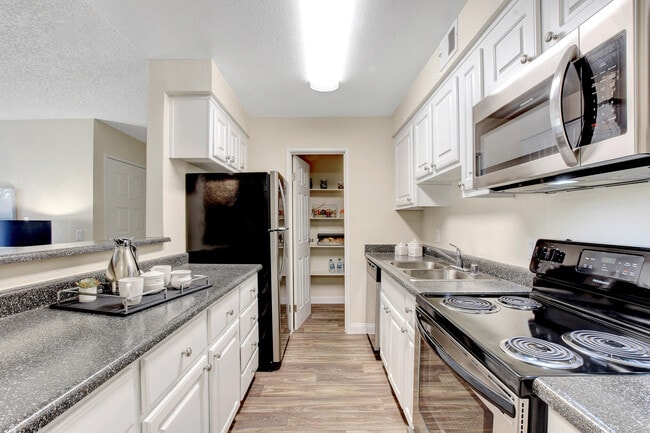
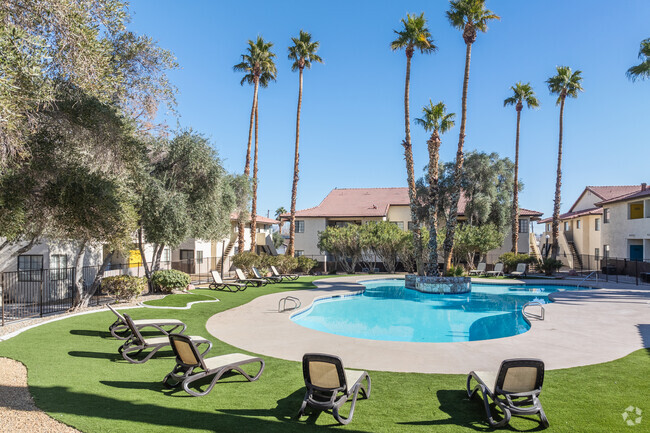
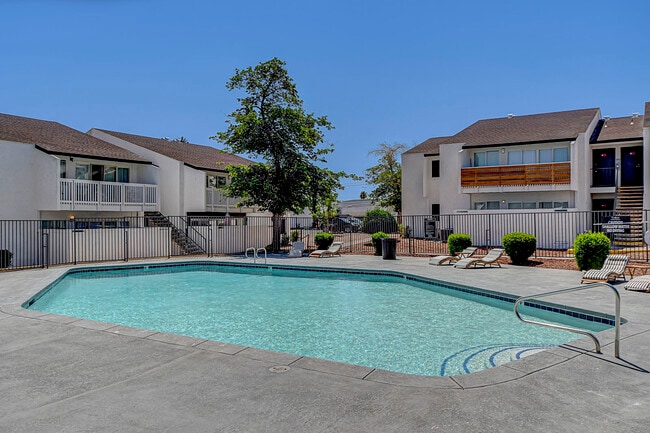
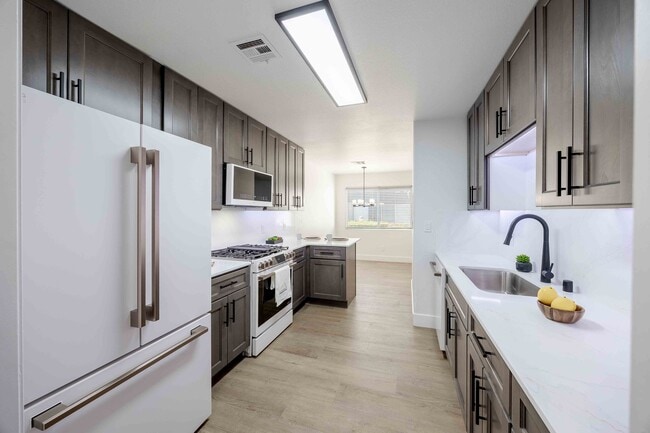
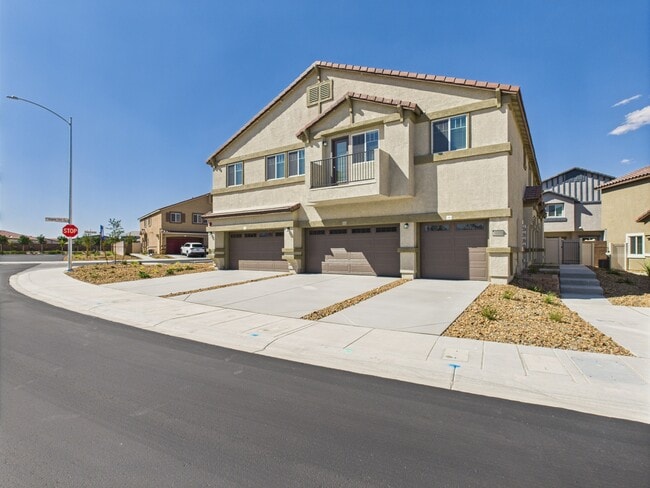
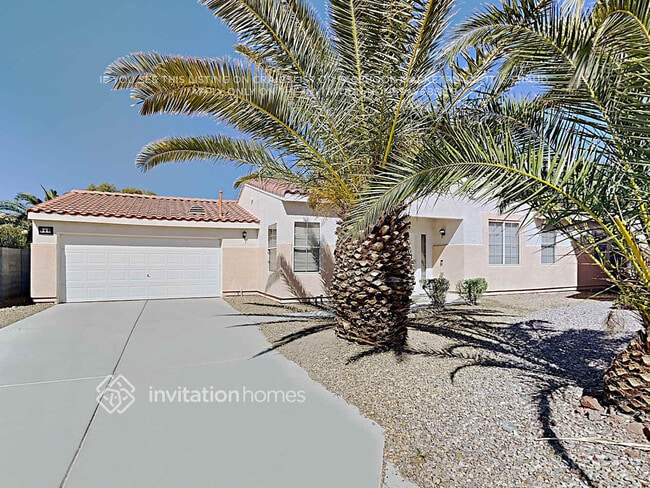
Renters will find a broad housing mix, from gated apartment communities in Summerlin to converted lofts near downtown and high-rise rentals along the Resort Corridor. Studios through multi-bedroom floor plans are widely available, giving renters real flexibility in how they experience this endlessly active city.
Explore the City

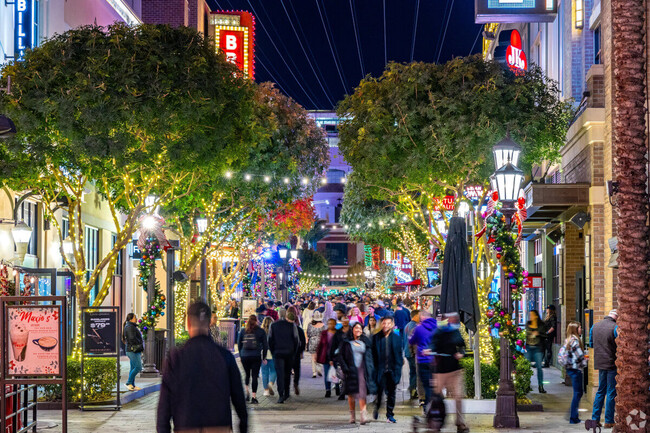
The Las Vegas Strip

An evening view of Las Vegas

Legendary Caesars Palace

Harrah's Casino and neon lights

The rugged landscape of Red Rock Canyon

A gondola ride at the Venetian

Demographics

Median Household Income

$61,425

Average: $84,497

Education

188,425

Residents Have a Degree

Job Market

313,609

Workers Employed

Age Distribution
Get a sense of this area's population profile.

Median Age

39 Years

Largest Age Group

30-39 Years

Approximately 14% of Residents

Under 20

24%

Over 65

17%

Housing Distribution

Las Vegas has more homeowners than renters.

Renters
47%
Non-Renters
53%

Education Distribution

Review this city's overall education levels.

Bachelor's or Higher
18%
Other Education
82%

Rent Trends

As of May 2026, the average apartment rent in Las Vegas, NV is $1,007 for a studio, $1,282 for one bedroom, $1,545 for two bedrooms, and $1,888 for three bedrooms. Apartment rent in Las Vegas has decreased by -2.0% in the past year.

Property Type
Average Rent
Average Sq Ft
Apartment
$1,282/month
704 Sq Ft
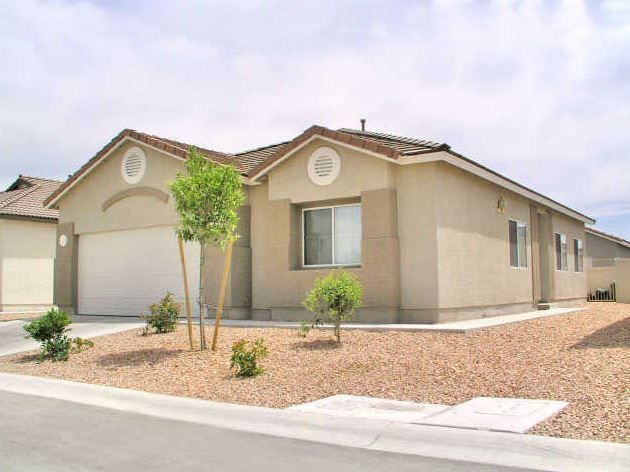
House
$2,769/month
1,952 Sq Ft
Condo
$1,767/month
1,072 Sq Ft
Townhome
$1,861/month
1,684 Sq Ft
See Rental Market Trends in Las Vegas, NV

Cost of Living

The cost of living in Las Vegas, NV is 4.5% lower than the national average. Generally, housing in Las Vegas is 2.8% more expensive than the national average, with rent falling between $1,007 - $1,888. You can expect to pay 3.0% more for groceries, 7.9% less for utilities, and 12.9% more for transportation.

Compare Cities

$

Learn More About Las Vegas

Getting Around

Fairly Walkable

Walkability

40 / 100

Minimal Public Transit

Transit

10 / 100

Very Drivable

Drivability

80 / 100

Fairly Bikeable

Bikeability

40 / 100

Schools

Strong Start Academy

Public

Grades K-5

216 Students

Judy & John L Goolsby Elementary School

Public

Grades PK-5

707 Students

Roger D Gehring Elementary School

Public

Grades PK-5

648 Students

Coral Academy of Science Las Vegas Tamarus

Public

Grades K-5

390 Students

Billy and Rosemary Vassiliadis Elementary School

Public

Grades PK-5

1,117 Students

Explore Knowledge Academy Charter Secondary

Public

Grades 6-12

270 Students

Sig Rogich Middle School

Public

Grades 6-8

1,636 Students

Gunderson Barry and June Middle School

Public

Grades 6-8

1,517 Students

Kenny C Guinn Middle School

Public

Grades 6-8

1,069 Students

Pinecrest Academy St Rose

Public

Grades K-8

1,029 Students

Advanced Technologies Academy

Public

Grades 9-12

1,225 Students

Nevada State High School Southwest

Public

Grades 9-12

145 Students

Nevada State High School Northwest

Public

Grades 9-12

126 Students

Nevada State High School Summerlin

Public

Grades 9-12

101 Students

NV State High School Sunrise

Public

Grades 9-12

46 Students

Points of Interest

Parks and Recreation

  • Spring Mountains National Recreation Area
  • Craig Ranch Regional Park
  • Floyd Lamb Park
  • Springs Preserve
  • DISCOVERY Children's Museum

Military Bases

Airports

  • Harry Reid International
  • Boulder City Municipal

Top Apartments in Las Vegas

Houses for Rent in Las Vegas

Property Management Companies in Las Vegas, NV

Living in Las Vegas

History

-

Las Vegas was incorporated in 1911 and remained a small railroad town until Nevada legalized casino gambling in 1931. That same year, construction on the Hoover Dam brought thousands of workers to the desert, setting the stage for rapid growth. The establishment of what became Nellis Air Force Base during World War II added another wave of residents, and by the 1950s the city had become synonymous with gaming and entertainment. Downtown's historic core still reflects these layers, particularly along Fremont Street, where vintage neon signs and older casino facades sit alongside newer developments.

Today, the Neon Museum preserves classic signs from the city's mid-century boom, offering a visual archive of Las Vegas design history. The 18b Arts District downtown occupies older commercial buildings now filled with galleries, studios, and independent businesses. Red Rock Canyon National Conservation Area, just west of the city, shows evidence of human activity dating back thousands of years, with petroglyphs visible along several trails. The area's transformation from remote desert outpost to Nevada's largest city remains visible in its architecture and preserved landmarks.

Restaurants

-

Las Vegas has evolved far beyond its buffet-and-steakhouse reputation into one of the most diverse dining cities in the country. The stretch of Spring Mountain Road known as Chinatown — which has expanded well beyond Chinese cuisine — is a dense corridor of Japanese ramen shops, Korean barbecue, Vietnamese pho, and Filipino comfort food that draws residents from across the valley on a regular basis. Downtown's 18b Arts District adds a neighborhood dining culture rooted in independent restaurants and craft beverage spots, while the Strip and its surrounding areas bring world-class kitchens from celebrated chefs across multiple culinary traditions. Whether you are looking for a weeknight bowl of noodles or a more formal dining experience, Las Vegas consistently delivers at every level.

Transportation

-

Las Vegas is a car-dependent city, and most residents rely on personal vehicles to get around. Interstate 15 is the primary artery connecting the valley to Los Angeles to the southwest and Salt Lake City to the northeast, while US-95 and the 215 Beltway serve as key corridors for cross-valley commuting. The RTC (Regional Transportation Commission) operates an extensive bus network throughout the metro, and the Las Vegas Monorail runs along the Strip corridor for those who live or work near that stretch. Harry Reid International Airport sits just southeast of the city center, offering convenient access for frequent flyers. The city has also earned national recognition for its bike-friendly infrastructure, with a wide network of lanes, paths, and trails that make cycling a practical option in many neighborhoods.

Parks

-

Las Vegas is surrounded by some of the most dramatic outdoor scenery in the American West, and residents have easy access to it all. Red Rock Canyon National Conservation Area sits just west of the city, offering more than 30 miles of hiking trails, world-class rock climbing, and sweeping views of the Mojave Desert. To the east, Lake Mead National Recreation Area — the largest reservoir in the United States — draws residents for boating, swimming, kayaking, and shoreline hiking year-round. Within the city itself, smaller neighborhood parks are spread throughout the valley, providing playgrounds, sports fields, dog runs, and shaded green space for everyday use. Neighborhoods like Desert Shores and The Lakes feature waterside paths ideal for walking and cycling close to home.

Cost

-

Las Vegas has an overall cost of living roughly 4.5 percent below the national average, with notably lower healthcare and utility costs helping to offset transportation expenses that run above the national norm. Grocery prices are slightly above average, while housing costs sit modestly higher than the national baseline. Average rent for a one-bedroom apartment is $1,283 per month, with studios averaging $1,000 and two-bedroom units averaging $1,542. Rents have softened slightly year over year across most unit sizes. The median household income in the city is $61,425, and the broader economy is anchored by the hospitality, entertainment, and service industries that support the tourism corridor.

Shopping

-

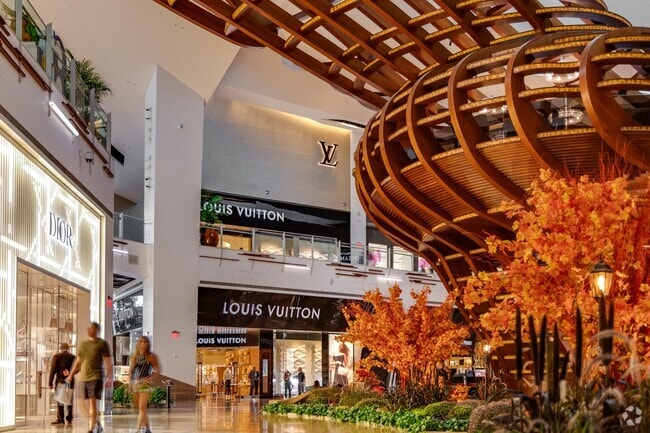
Las Vegas offers a shopping landscape as varied as the city itself. The Strip and its surrounding casino corridors house some of the most concentrated upscale retail in the country, with destinations like Crystals at CityCenter and Via Bellagio drawing browsers seeking high-end boutiques and designer labels. For everyday shopping, Meadows Mall serves the broader valley with a traditional department store anchor setup, while Miracle Mile Shops at Planet Hollywood blends retail with dining and entertainment in a walkable indoor format. Downtown Container Park, open since 2013, offers an outdoor alternative with independent boutiques, art vendors, and galleries in a distinctive shipping container structure that draws both locals and visitors.

Highlights

-

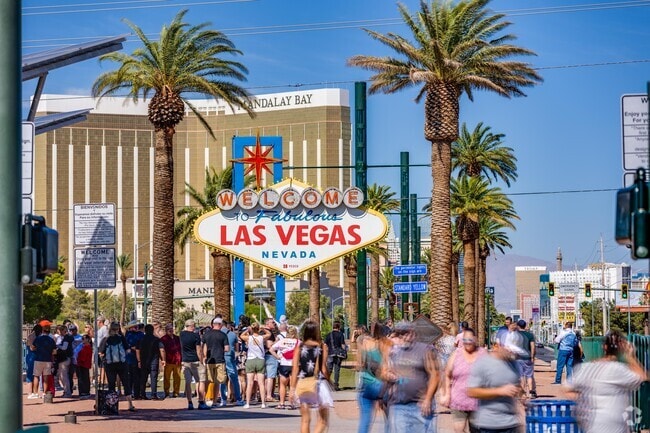
Welcome to Las Vegas sign, Golden Nugget, The Strip, Fremont Street Experience, Bellagio, Cashman Field, Symphony Park, T-Mobile Arena, City Hall, Smith Center for Performing Arts, Red Rock Canyon National Conservation Area, Neon Museum (aka Neon Boneyard), Life Is Beautiful festival, Downtown Container Park, Cashman Field

Search Nearby Rentals

Methodology

† Our analysis of utilities, groceries, transportation, healthcare, home prices, and other goods and services is sourced from the Cost of Living Index, a respected benchmark published by the Council for Community and Economic Research (C2ER) that provides a thorough overview of living expenses across different regions.

Rent data is provided by CoStar Group’s Market Trend reports. As the industry leader in commercial real estate information, analytics, and news, CoStar conducts extensive research to produce and maintain a comprehensive database of commercial real estate information. We combine this data with public record to provide the most up-to-date rental information available.

Consumer goods, services, and home prices are sourced from the Cost of Living Index published by the Council for Community and Economic Research (C2ER). The data on this page is updated quarterly. It was last published in February 2026.

Demographic information comes from Neustar and combines detailed address data with U.S. Census and American Community Survey statistics to produce reliable local estimates.