
People are remaining renters for longer and longer. Costs are proving a barrier to homeownership for some, while others just prefer the more flexible renting lifestyle. It’s not just that people are staying renters longer, but renters are staying put for longer in the same apartment, as well.
According to U.S. Census Bureau data from 2024 (which is the most recent data available), the percentage of renters who have stayed in the same apartment for 2+ years was 66 percent, while in 2019, it was only 49 percent. This 17-point difference shows how renters are no longer moving as often, whether due to market challenges or just seeing renting as a long-term commitment.
When you break it down at a city level, the story only gets more interesting. Some rental markets encourage renters to stay put in one spot, while others give them leeway to move around the city. These are the cities where renters are staying in one home the longest.
|
City |
Average Rent |
% Who’ve Stayed Long-Term (Moved 2+ Years Ago) |
% Who Moved Recently (Moved <2 Years Ago) |
|
$1,763/month |
88% |
12% |
|
|
$1,472/month |
87% |
13% |
|
|
$4,191/month |
83% |
17% |
|
|
$1,629/month |
82% |
18% |
|
|
$1,633/month |
80% |
20% |
|
|
$2,336/month |
80% |
20% |
|
|
$2,114/month |
79% |
21% |
|
|
$1,739/month |
79% |
21% |
|
|
$1,341/month |
79% |
21% |
|
|
$1,599/month |
78% |
22% |
Methodology
Since this data is from 2024, we sorted renters into buckets using that year as the reference point, as it is the most recent data available from the U.S. Census Bureau. We defined long-term renters as those who moved in 2022 or earlier, and recent movers as those who moved in 2023 or later. We limited the analysis to the 200 most populous cities for renters, which removes the discrepancies that come with homeowner-leaning cities being in the mix.
Why Renters Are Staying
We already know that people are staying renters longer because homeownership is a challenge with high mortgages and other rising costs. However, that doesn’t explain why renters are staying in the same apartment for longer. A separate set of factors drives how often renters move within a city:
- Cost of moving: Deposits, application fees, and relocation costs have all climbed, making a move a bigger financial decision than it used to be.
- Lock-in rental rates: With rents up nationwide, many renters would rather stay and keep their current rate than risk paying more elsewhere.
- Lack of rental inventory: Fewer available units means fewer options for renters looking to move.
- High competition for rental units: Popular units often draw multiple applicants, making it harder to land a new place, especially one that checks all your boxes.
- Overall challenging rental search: All of the above combine into a stressful, time-consuming process. Once renters have been through it, they are often reluctant to repeat it.
- Local roots: After setting up shop, renters become attached to their community and grow attached to it, or they specifically chose that area to settle down.
- Lifestyle shifts: More renters now see renting as a long-term commitment rather than a stopgap, so they're settling in rather than moving around.
New York State: Home of the Long-Term Renter
When you think of New York, you often think of the highly competitive rental market and the challenging search. While there is always someone moving in New York, not everyone is moving all the time.
New York, NY
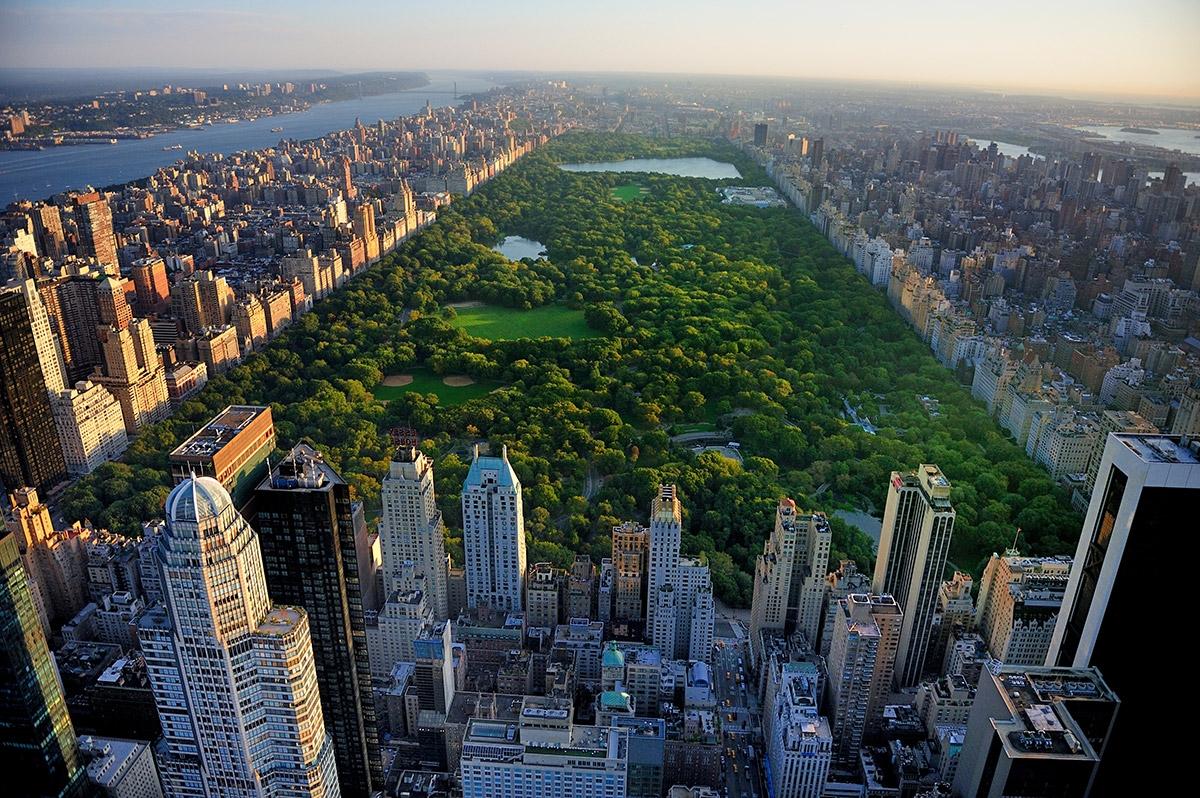
- Average Rent in New York: $4,191/month
- Percent of Renters Who’ve Stayed Long-Term: 83%
New York is the city with the third-highest percentage of renters who stay put long-term out of the top 200 most populous renter cities, but it is number one when you look at the top 100. Renters don’t move as frequently in the city, largely due to the challenges of apartment hunting.
Upfront and moving costs are so expensive that many renters can’t afford to move. Once they find somewhere with a good rent, they want to stay there and lock it in. The city’s rent-controlled and rent-stabilized units also encourage renters to stay put.
Yonkers, NY
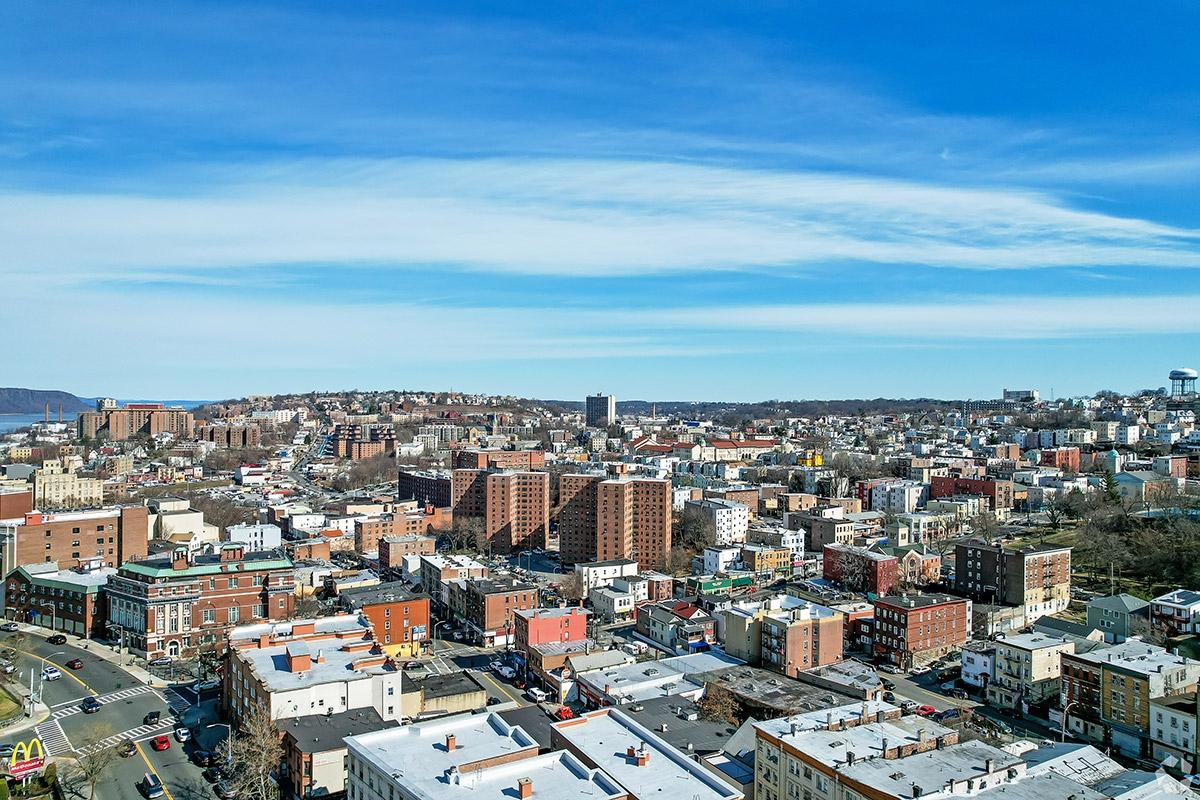
- Average Rent in Yonkers: $2,336/month
- Percent of Renters Who’ve Stayed Long-Term: 80%
Yonkers offers New York-adjacent living without the high price of rent found in the heart of the metro. However, it also shines for its more suburban setting, where renters can settle down and enjoy life at a slower pace while still keeping the job market and entertainment of New York a short train ride away.
Even though it is outside of New York City, renters still face the NYC metro area’s higher competition. So, when a renter finds a place that works for them, they are less inclined to move. Yonkers is also covered by New York’s Emergency Tenant Protection Act (ETPA), which, among other things, extends rent stabilization to larger, older apartment communities. It's one of many Westchester County cities to adopt the ETPA, so while not every renter qualifies, those who do get caps on annual increases and additional protection against displacement.
New Jersey: Locked In with Rent Control
Many cities in New Jersey have rent control policies, including the three on this list. A renter who has held a unit for several years is likely paying under the market rate, since rent control has kept their rent from climbing anywhere near what a newly listed apartment would command. Giving that up to move would mean walking straight into a unit at full market price.
Paterson, NJ
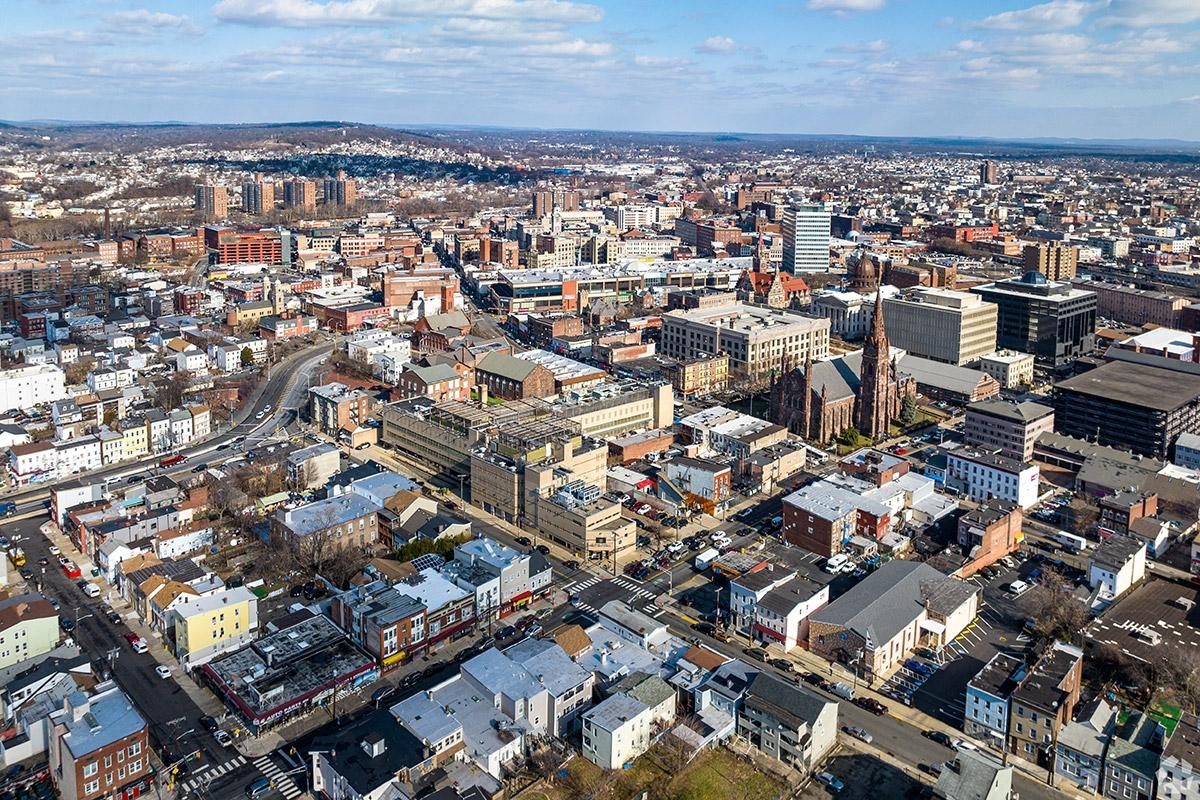
- Average Rent in Paterson: $1,472/month
- Percent of Renters Who’ve Stayed Long-Term: 87%
Paterson has all the small-town charm of a remote village, but the amenities and access of a New York suburb. With stops on NJ Transit’s Main/Bergen Line within city borders, plenty of quiet neighborhoods, and a charming Main Street, it’s easy to see why so many people stay in Paterson for a while.
Beyond the city’s charming nature, it has an emphasis on community as well. Neighbors chat and get to know each other. It’s not just the city that encourages people to stay, but also the community. Those in established neighborhoods may find themselves benefiting from Paterson’s rent leveling ordinance. While it mainly applies to longstanding apartment communities, it helps renters keep living where they’ve settled for an affordable price.
Newark, NJ
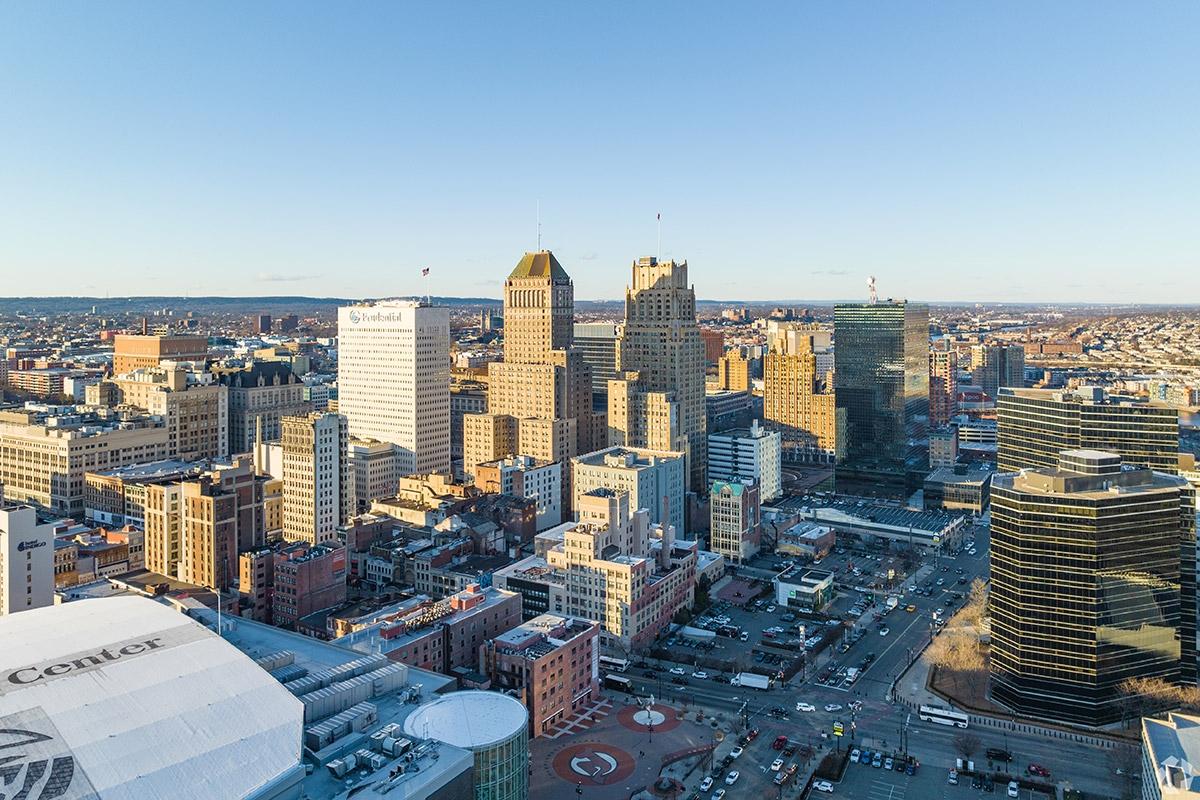
- Average Rent in Newark: $1,633/month
- Percent of Renters Who’ve Stayed Long-Term: 80%
Newark offers something the other two New Jersey cities cannot: the scale, culture, and activity of a real downtown, with the Prudential Center, NJPAC, the Newark Museum of Art, and Newark Symphony Hall. It also comes with the professional and higher education opportunities of a big city. It’s home to several major corporate headquarters and Rutgers University, and it’s a short trip to New York with Penn Station.
What Newark does have in common with Paterson and Elizabeth is that it also has its own rent control ordinance. Similarly, it mainly applies to older buildings. For those in other rentals, they often stay put because of the city’s tough competition.
It’s easy to see why people make Newark their home, though what keeps them renewing their lease is much more personal. Renters choose their apartment’s location carefully, weighing proximity to work, public transit, and daily destinations. With limited rental inventory, once renters find a spot that checks all their boxes, they tend to stay put as their entire routines become built around their home.
Elizabeth, NJ
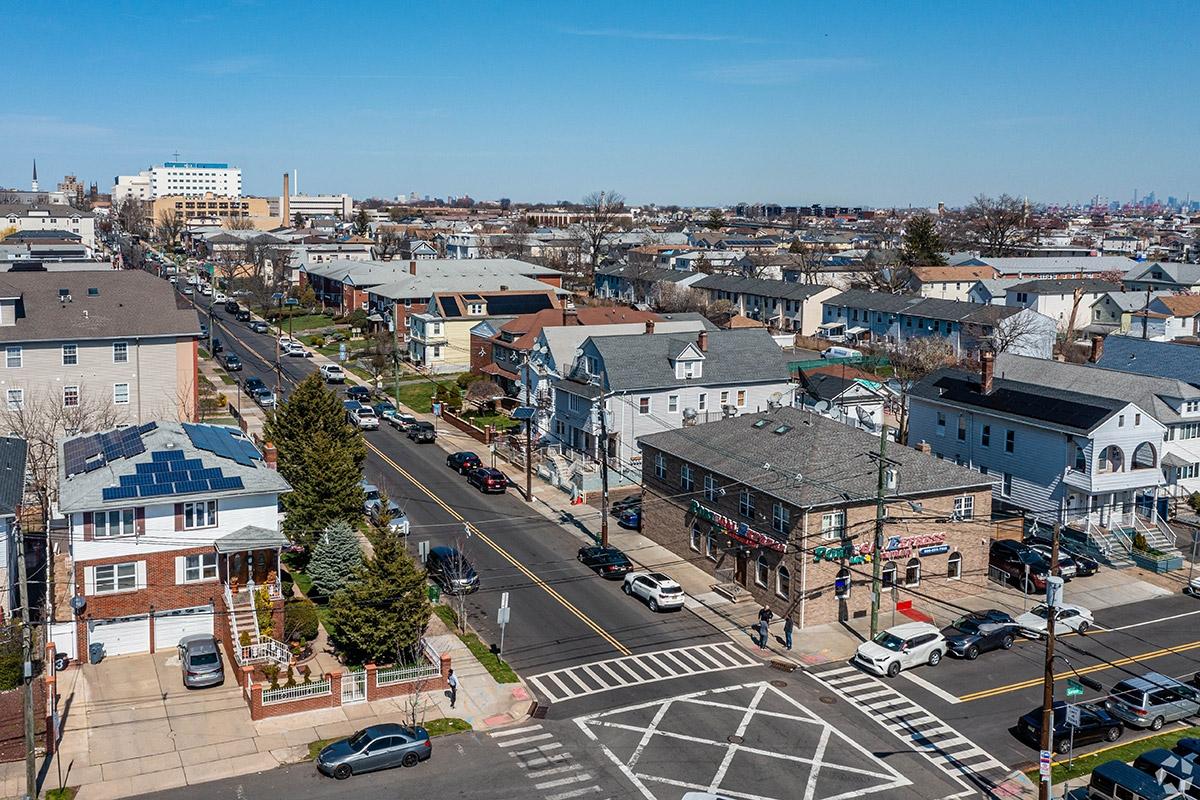
- Average Rent in Elizabeth: $1,599/month
- Percent of Renters Who’ve Stayed Long-Term: 78%
Elizabeth combines big-city energy with small-town warmth in a way that draws renters and encourages them to stay. Its downtown has a very New York feel, lined with locally-owned shops and restaurants along Broad Street, Elizabeth Avenue, and Morris Avenue, alongside big-scale retail like the Jersey Gardens outlet mall. Zoom in and the city shifts into a grid of close-knit neighborhoods, many of which have their own miniature main street, like Elmora Avenue in Elmora.
It helps that Elizabeth also has rent control, keeping annual increases limited for renters in covered buildings. For anyone who's found a home in one of Elizabeth's close blocks, that combination of a capped rent and a neighborhood worth calling home makes staying an appealing choice.
California: Where Laws Come to Stay
Los Angeles didn’t make this list. It landed at number 14, with 75 percent of renters staying in a rental long-term and a city average rent of $2,187/month. While many people love living in LA, it’s not always easy, thanks to high rent prices, a lack of inventory, and other rental market challenges. However, this is exactly why several other cities in California did make the cut as LA alternatives.
California has a statewide rent control law, though many cities have local ordinances that impose even stricter regulations. While not all apartment communities fall under rent control, those that do are worth holding onto, especially given how competitive the rental market has become. California has struggled with a housing shortage and affordability issues, so renters tend to renew their leases once they find a place that meets their needs and budget.
Inglewood, CA
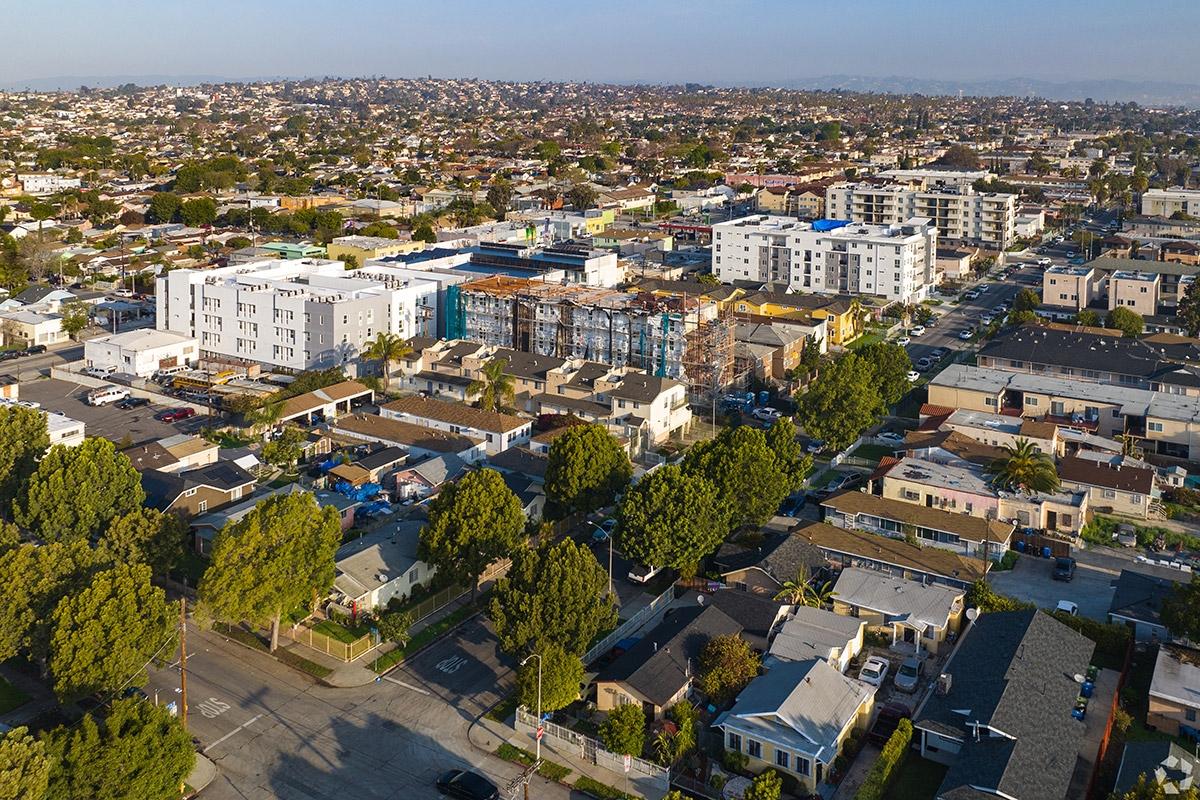
- Average Rent in Inglewood: $1,763/month
- Percent of Renters Who’ve Stayed Long-Term: 88%
Inglewood has carved out its own identity as a major city within the Los Angeles metro, developing into a bustling entertainment hub while maintaining a strong sense of community and cultural identity. SoFi Stadium and the Kia Forum draw sports and live music to the area, while festivals, events, and local businesses give the city a distinct character. Despite slight rent increases, the area still remains much more affordable compared to LA, while offering a wide range of housing options at varying price points.
One of the more concrete reasons why renters tend to stay put is that Inglewood has its own local rent control law, the Housing Protection Ordinance (HPO). It only applies to specific units; a notable rule is that buildings are exempt for 15 years after their certificate of occupancy is issued, on a rolling basis. So, when renters land a rent-controlled apartment, there is a strong incentive to hang onto it.
San Bernardino, CA
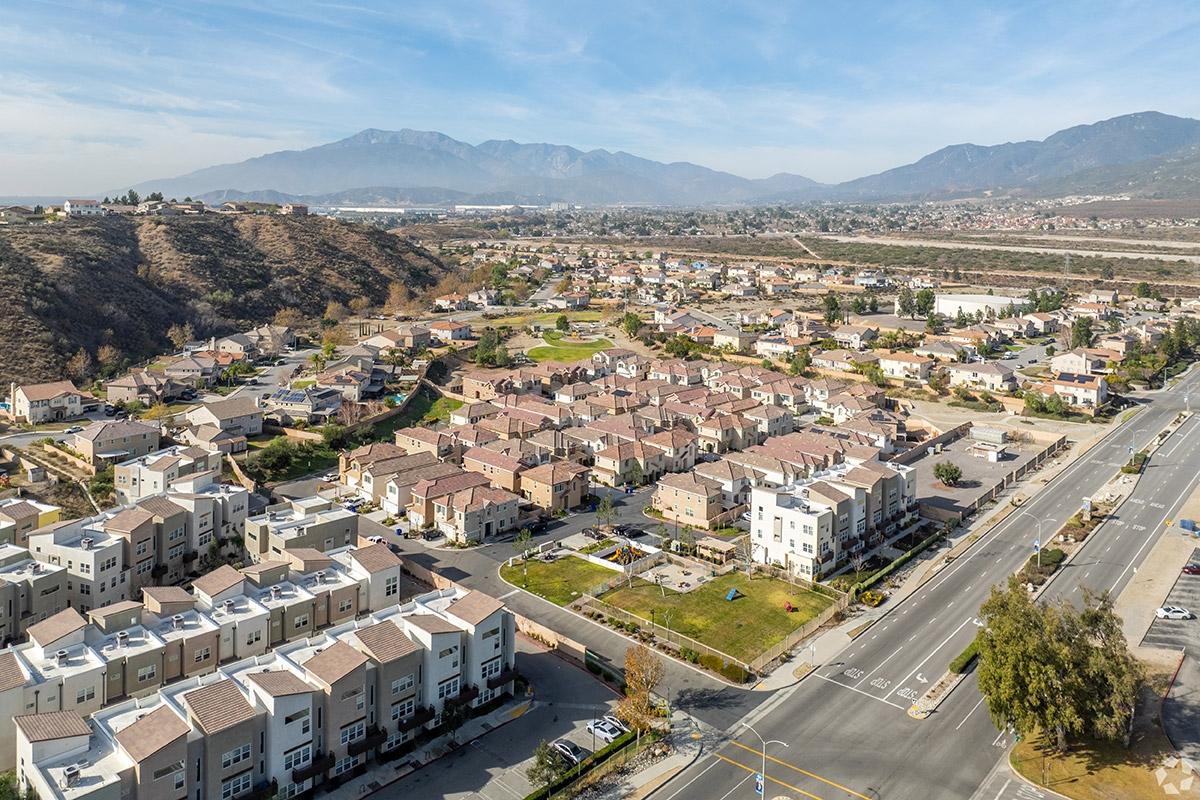
- Average Rent in San Bernardino: $1,341/month
- Percent of Renters Who’ve Stayed Long-Term: 79%
San Bernardino is particularly attractive to those looking to set down roots, with its suburban pace, quieter residential streets, and lower rents. The city is well connected by both highways and train routes, while still having plenty to keep residents engaged locally, from event venues to festivals. Many choose it as a place to settle down with easy access to Riverside, Los Angeles, and Orange County, or, with the surge of remote work, as an affordable place to create a home base.
However, residents don’t stay in the same apartment because of affordability alone; loyalty plays a role too. They grow attached to their neighborhood and community through favorite spots and familiar faces.
Glendale, CA
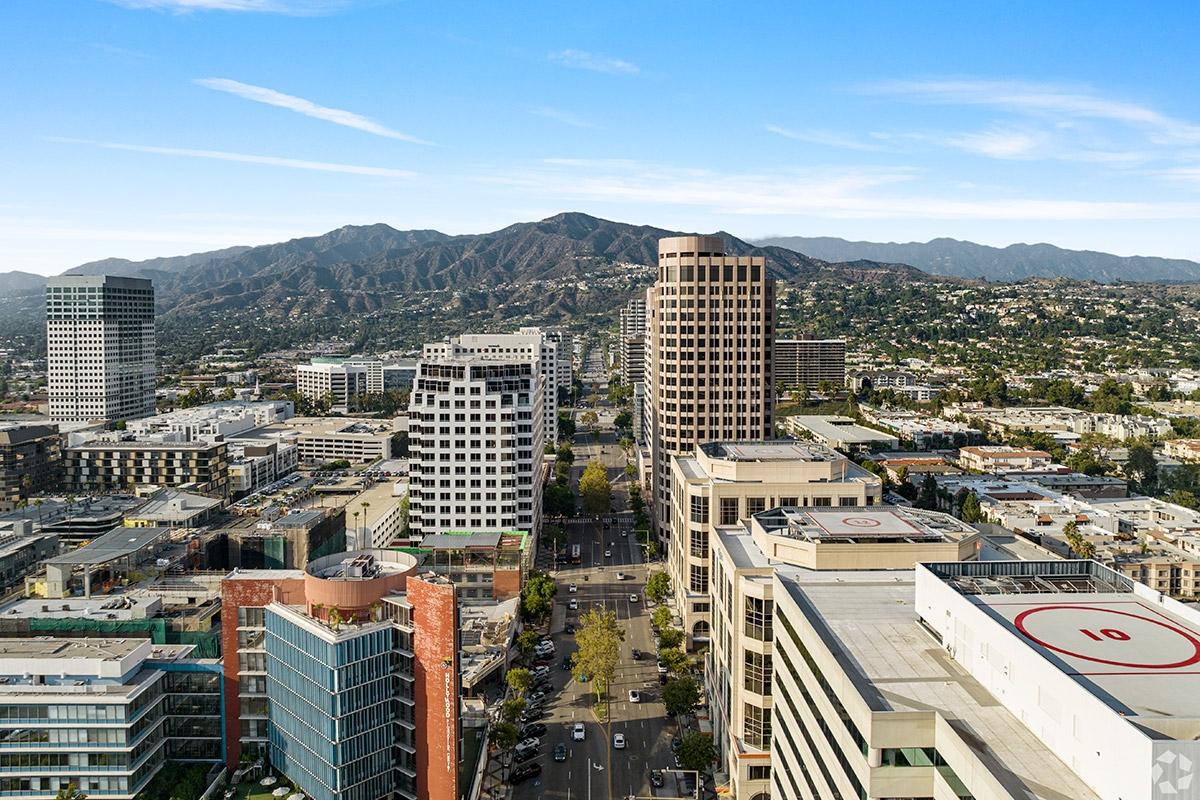
- Average Rent in Glendale: $2,114/month
- Percent of Renters Who’ve Stayed Long-Term: 79%
On the northern side of Los Angeles, Glendale offers access to some of the city's most beautiful parks, including Griffith Park and the Verdugo Mountains. Beyond the Glendale Galleria, the city is primarily residential, giving renters tons of options. It has a variety of neighborhoods and communities that each revolve around something different, so residents can settle near the community that fits them best.
Though Glendale’s average rent is cheaper than Los Angeles, it’s not nearly as low as other cities on this list. Renters often stay put because they don’t want to risk paying even more if they move, not to mention the additional moving and upfront costs that come with a new lease.
Also, lease renewals are a right for renters in applicable communities under Glendale’s extensive renter protections. The Right to Lease policy requires that fixed-term lease renters be offered the chance to renew the lease for another year. This housing guarantee is often enough to convince renters to renew, whether there’s a rent increase or not.
Though the city has new construction options, some renters choose older communities for the city’s relocation assistance. In Glendale, relocation assistance must be provided by landlords when a renter chooses to vacate a unit because of a rent increase greater than seven percent for applicable units, generally those older than 1995. So, landlords have an incentive not to drastically raise rents and renters have another reason to stay put.
The Outliers: Loyalty Runs Deep
Most cities on this list have a straightforward explanation for why renters don’t frequently move. However, Fall River and Bridgeport break that pattern. Both sit decently far from major metros, and neither has a rental landscape shaped by laws and regulations. What drives renters to stick around in these cities is tied more closely to the lifestyle the city offers and the individual renter.
Fall River, MA
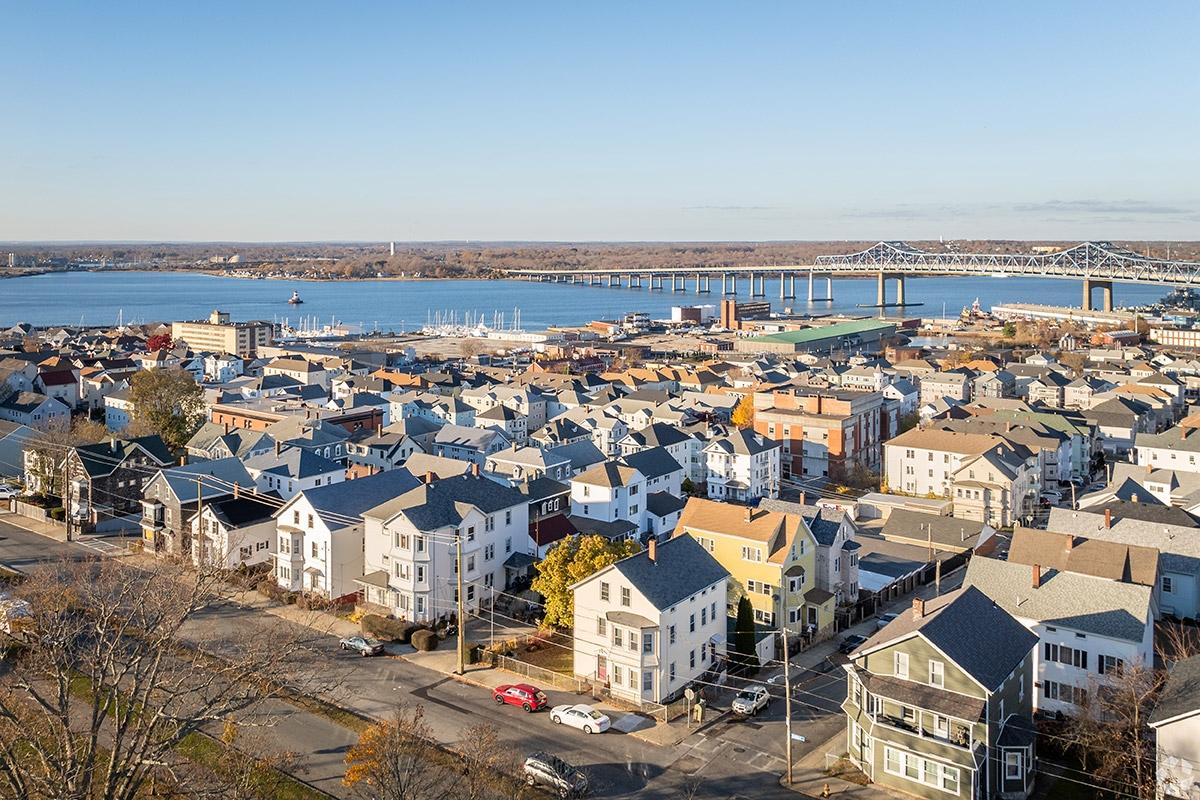
- Average Rent in Fall River: $1,639/month
- Percent of Renters Who’ve Stayed Long-Term: 82%
Fall River is a city built on communities and neighborhoods that have stayed close for generations, built around local eateries, family-run shops, and event venues that have anchored the same blocks for decades. That kind of close-knit relationship keeps renters in place, since an apartment comes with a network of neighbors, businesses, and routines that would be hard to rebuild somewhere new. It’s also only about a 30-minute drive from Providence or a two-hour train ride from Boston.
With a lower average rent than most of New England, there is little financial pressure pushing renters to chase affordability elsewhere and shoulder the upfront moving costs. Many renters would rather stay to keep their rent predictable, and, more simply, most are just settled and content where they are.
Bridgeport, CT
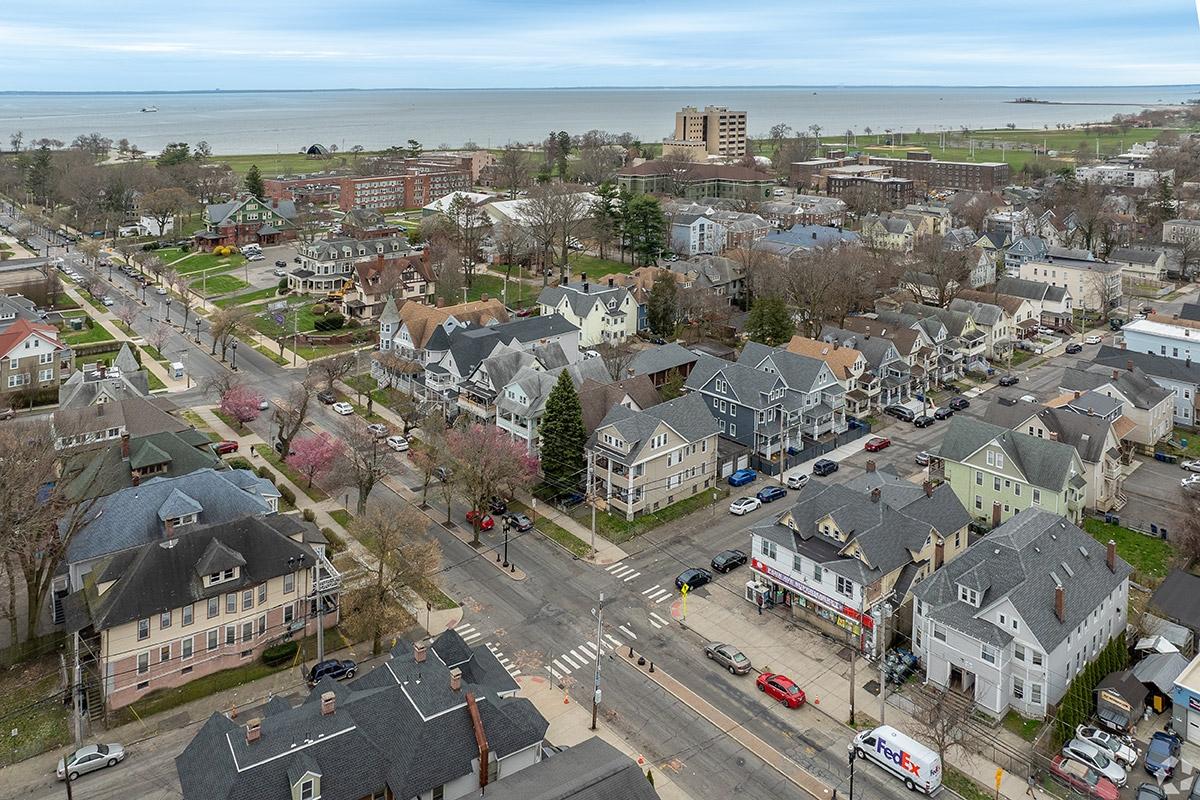
- Average Rent in Bridgeport: $1,739/month
- Percent of Renters Who’ve Stayed Long-Term: 79%
Bridgeport is the place for renters looking for a coastal lifestyle while still having a direct route to New York, thanks to the Metro-North New Haven Line. Even though commutes are longer, that trade-off is worth it for those planning to stay for years rather than just passing through. With hybrid and remote work changing the professional landscape, that commute trade-off matters even less since renters don’t have to commute every day.
Though Bridgeport shines for its calmer pace of life built around the water, the city doesn’t lack energy. As Connecticut's most populous city, it offers a revitalized downtown and Main Street; spots for sports fans, music lovers, and artists; parks and trails throughout; and plenty of festivals that connect residents.
Bridgeport's Fair Rent Commission regulates and eliminates excessive rental charges and handles renter complaints. If a renter believes they’re experiencing unfair rent-related issues, they can file a complaint to have it reviewed. That kind of dedicated oversight is something many cities don’t have, and it gives Bridgeport renters more confidence to stay and renew rather than move on.
Find A Place You Won’t Want to Leave with Apartments.com
The cities on this list prove that renters stay because they found an apartment community, a neighborhood, and a rent that worked for them from day one. That kind of fit doesn't happen by luck; it happens by searching smart. Apartments.com lets you filter listings by price and neighborhood in any city on this list, so your next lease is a place where you’ll stick around.
FAQs
Why are Americans moving less?
Americans are moving less mainly for financial reasons. The cost of moving (deposits, fees, and relocation expenses) has climbed, and rents have risen too, so renters with an existing lease often want to lock in their current rate rather than risk paying more elsewhere. In some markets, tight rental inventory and high competition make apartment hunting difficult, so once renters find a place that works, they're reluctant to leave.
How often does the average renter move?
Renters are moving less frequently than they used to. According to the U.S. Census Bureau, 66 percent of renters hadn't moved in the previous two years as of 2024, up sharply from 49 percent in 2019.


