Median Age
36 Years
Largest Age Group
30-39 Years
Approximately 15% of Residents
Under 20
27%
Over 65
12%





Avg Rent
$1,635
Population
281,837
Renter Mix
83% Rent
Newark is New Jersey's most populous city and one of the oldest in the nation, settled in 1666 and shaped by centuries of industry, immigration, and reinvention. Sitting at the edge of Newark Bay just 25 minutes from Midtown Manhattan by rail, it holds a distinct identity that stands apart from its neighbor across the Hudson. The city anchors a broad mix of industries, from finance and insurance to logistics, with Audible maintaining its headquarters downtown and Newark Liberty International Airport serving as a major employment hub. Rutgers University–Newark and the New Jersey Institute of Technology ground the city's strong academic presence.
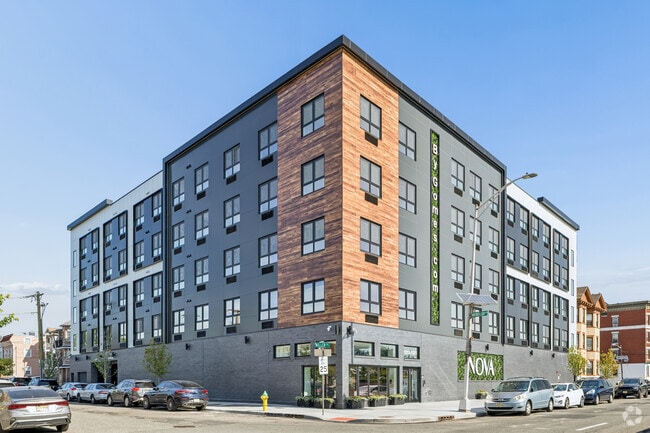
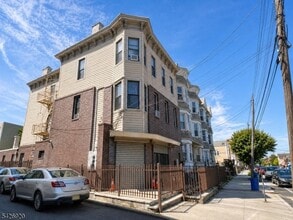
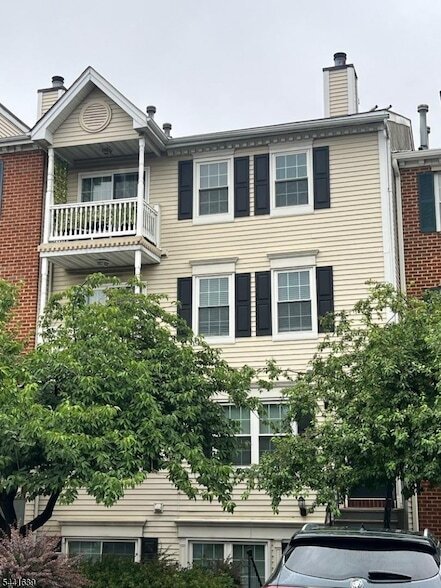
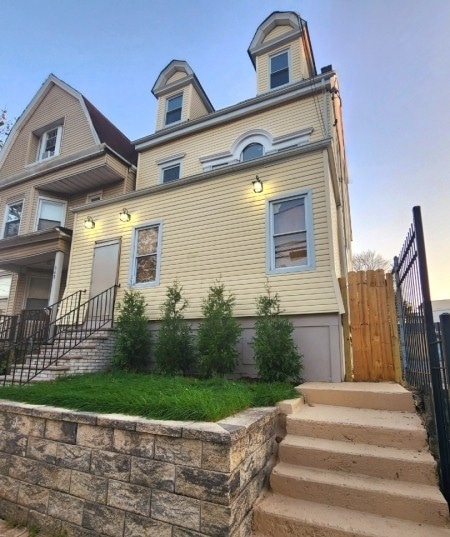
Each of Newark's five wards has its own character. The Ironbound draws people to its dense blocks of rowhouses and restaurants along Ferry Street, while the North Ward holds some of the city's finest historic brownstone architecture. Downtown sits closest to Newark Penn Station and the New Jersey Performing Arts Center, offering high-rise apartment communities and renovated loft conversions. Renters will find a wide range of housing options across all five wards, from compact studio apartments to spacious multi-bedroom units in traditional walk-up buildings. Branch Brook Park's 360 acres and 4,000 cherry blossom trees give the city a natural anchor that few Northeast urban centers can match.
The Newark Museum
Fans of hockey can head to the Prudential Center in Newark, which seats over 16,000 fans.
Newark's flagship creative center is the Newark Museum of Art.
Newark's Ironbound is a tight-knit neighborhood known for its diverse cuisine.
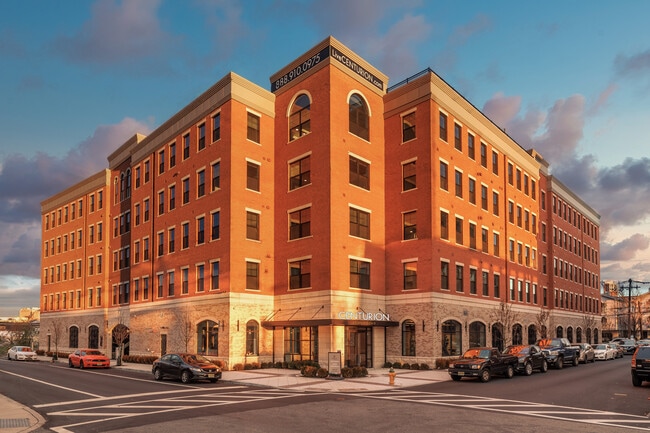
Architecturally, Newark has been nicknamed “Brick City” for its rugged northeastern look.
Branch Brook Park is an elongated green space stretching across most of the north of Newark, NJ.
Median Household Income
$40,924
Average: $57,684
Education
41,565
Residents Have a Degree
Job Market
125,739
Workers Employed
Median Age
36 Years
Largest Age Group
30-39 Years
Approximately 15% of Residents
Under 20
27%
Over 65
12%
Housing Distribution
Newark has more renters than homeowners.

Education Distribution
Review this city's overall education levels.

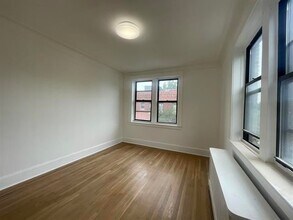
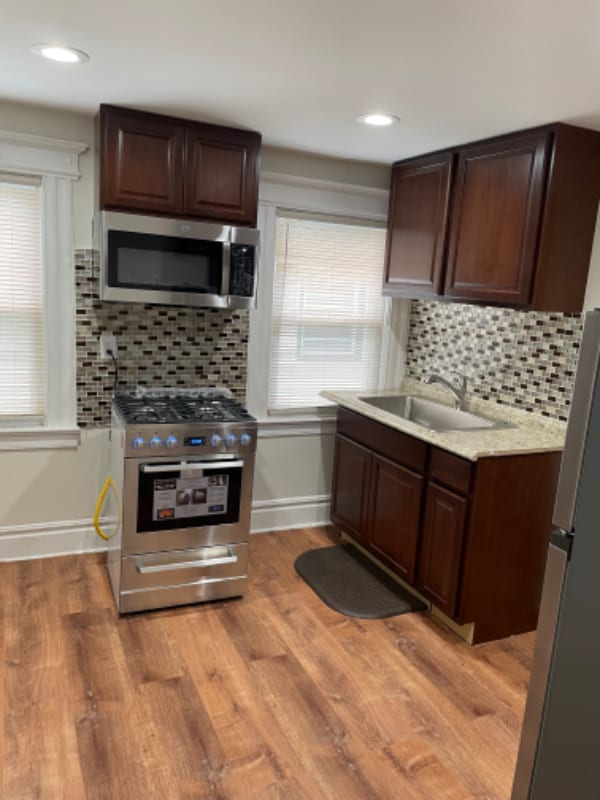
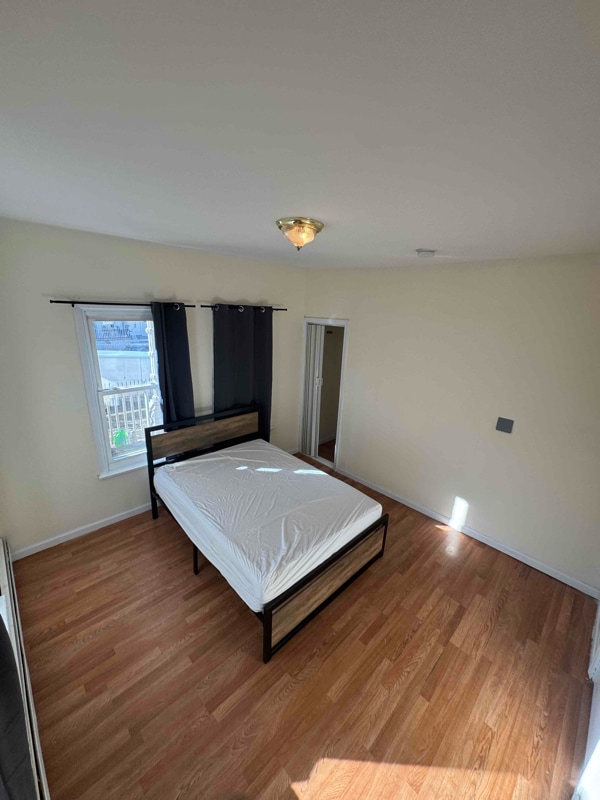
As of July 2026, the average apartment rent in Newark, NJ is $1,381 for a studio, $1,635 for one bedroom, $2,025 for two bedrooms, and $2,116 for three bedrooms. Apartment rent in Newark has increased by 0.5% in the past year.
The cost of living in Newark, NJ is 14.2% higher than the national average. Generally, housing in Newark is 34.6% more expensive than the national average, with rent falling between $1,381 - $2,116. You can expect to pay 5.7% more for groceries, 5.3% more for utilities, and 2.9% more for transportation.
Compare Cities
Explore how walkable, bikeable, drivable, and transit-friendly Newark, NJ is for everyday living.
Exceptionally Walkable
Walkability
Exceptional Public Transit
Transit
Fairly Drivable
Drivability
Fairly Bikeable
Bikeability

Robert Treat Academy Charter School
Public
Grades K-8
702 Students

Public
Grades PK-8
747 Students

Ridge Street Elementary School
Public
Grades PK-8
593 Students
Newark Educators Charter School
Public
Grades PK-5
169 Students
Public
Grades K-8
99 Students
Public
Grades 6-12
964 Students
Robert Treat Academy Charter School
Public
Grades K-8
702 Students
Public
Grades PK-8
747 Students
Ridge Street Elementary School
Public
Grades PK-8
593 Students
Public
Grades K-8
99 Students
Essex County Vocational School
Public
Grades 9-12
1,230 Students
Public
Grades 6-12
964 Students
Public
Grades 9-12
662 Students
Bard Early College High School
Public
Grades 9-12
395 Students
North Star Academy Charter School of Newark
Public
Grades K-12
6,714 Students

 The GreatSchools Rating helps parents compare schools within a state based on a variety of school quality indicators and provides a helpful picture of how effectively each school serves all of its students. Ratings are on a scale of 1 (below average) to 10 (above average) and can include test scores, college readiness, academic progress, advanced courses, equity, discipline and attendance data. We also advise parents to visit schools, consider other information on school performance and programs, and consider family needs as part of the school selection process.
View GreatSchools Rating Methodology
Data provided by
GreatSchools.org
© 2026. All rights reserved.
The GreatSchools Rating helps parents compare schools within a state based on a variety of school quality indicators and provides a helpful picture of how effectively each school serves all of its students. Ratings are on a scale of 1 (below average) to 10 (above average) and can include test scores, college readiness, academic progress, advanced courses, equity, discipline and attendance data. We also advise parents to visit schools, consider other information on school performance and programs, and consider family needs as part of the school selection process.
View GreatSchools Rating Methodology
Data provided by
GreatSchools.org
© 2026. All rights reserved.
† Our analysis of utilities, groceries, transportation, healthcare, home prices, and other goods and services is sourced from the Cost of Living Index, a respected benchmark published by the Council for Community and Economic Research (C2ER) that provides a thorough overview of living expenses across different regions.
Rent data is provided by CoStar Group’s Market Trend reports. As the industry leader in commercial real estate information, analytics, and news, CoStar conducts extensive research to produce and maintain a comprehensive database of commercial real estate information. We combine this data with public record to provide the most up-to-date rental information available.
Consumer goods, services, and home prices are sourced from the Cost of Living Index published by the Council for Community and Economic Research (C2ER). The data on this page is updated quarterly. It was last published in June 2026.
Demographic information comes from Neustar and combines detailed address data with U.S. Census and American Community Survey statistics to produce reliable local estimates.