

A strong tenant-landlord relationship can be the key to rental success. However, it involves laying some groundwork, particularly on the landlord’s end, to establish a positive, trusting dynamic. Between finding a balance of flexibility and firmness to fostering open communication, building a good relationship with tenants takes effort and intentionality.
In this guide, we’ll share our best tips for building a strong tenant-landlord relationship, ranging from effective communication tools to tenant retention strategies. But before we get started, here are some key takeaways to keep in mind:
Key Takeaways:
- Landlords who take time to understand tenants as individuals—by learning about their interests, pets, or lifestyle needs—are more likely to foster strong, respectful relationships that increase tenant satisfaction and long-term retention.
- Clear lease agreements outlining payment schedules, maintenance responsibilities, and pet or guest policies create a solid foundation. But the best landlord-tenant dynamics balance those firm guidelines with flexibility during unexpected life events.
- Consistent, professional, and proactive communication, such as timely maintenance updates and move-in gestures, helps prevent conflict, builds trust, and improves the likelihood of lease renewals.

Know Your Tenants as People
The initial screening process allows landlords to learn about potential tenants, but a tenant is more than just their rental history or credit score. To build an excellent landlord-tenant relationship, get to know your renter beyond the basics. Get to know them as people and show interest in their lives while still maintaining a level of professionalism.
Beyond credit checks
Though credit checks, income, and rental history are all relevant when getting to know your tenant, they’re not the only thing that matters. Yes, these factors are indicative of a quality, responsible renter, but they don’t reveal much about who the person actually is.
As you get to know your renter, try asking them about their hobbies, interests, and passions. This can provide a better understanding of their character while also revealing certain needs or preferences they may have as a tenant. For example, if your tenant is an animal lover, they may appreciate some pet-friendly amenities like a well-kept yard or grooming station for their current or future pet. Learning these details not only helps build a good relationship with your tenant, but it can also help you make necessary accommodations to ensure their satisfaction and comfort during their lease.
Respecting privacy and boundaries
As you build a relationship with your renter, establish clear privacy expectations and boundaries from the start. For instance, if you share your cell phone number, specify when it's appropriate to call or text. But remember, privacy goes both ways. Your tenant also has a right to privacy. Respecting their time and space means providing adequate notice before inspections or repairs and avoiding unexpected visits unless for an emergency.
Set Clear Expectations from Day One
Although it’s important to build an open relationship with your tenant from the beginning, your relationship must remain professional. The best way to ensure that it does? Set clear expectations from the very start. From outlining policies in your lease agreement to establishing communication preferences, here are some ways to make your expectations clear with tenants:
Enforce lease agreement guidelines
Your lease agreement gives you the floor to outline any and all tenant expectations. From rent payment timelines to pet policies, here some key things to touch on in your rental agreement:
- Rent payment policies: Clearly outline the amount and due date of rent, as well as any late fees or consequences for missed payments. This ensures that tenants understand their financial obligations.
- Property maintenance responsibilities: Specify which responsibilities fall on the tenant, such as lawn care or snow removal. This can prevent any misunderstandings about who is responsible for certain tasks.
- Guest policies: Set clear guidelines for guests staying at the property, including how long they can stay and whether they need to be registered with the landlord.
- Pet policies: If you allow pets in your rental, make sure to outline any rules or regulations related to them. This could include breed restrictions, cleaning requirements, and additional fees.
- Security deposit: Lay out the terms for the security deposit, including how much it will be, how it will be held, and what conditions may result in a deduction from the deposit.
Outlining straightforward rules and consequences for your tenant ensures that your expectations are clear and your relationship remains professional. It also serves as a reference point, should your tenant violate their contract down the line.
Balance firmness with flexibility
As you outline expectations, try to find a balance of firmness and flexibility. While it’s important to provide clear rules and enforce them accordingly, you must also remember that life sometimes has unexpected twists and turns.
If a tenant ever requests your flexibility in an unexpected situation—for example, if they ask for a one-time extended grace period—clarifying the regulations from the very beginning will help them understand the exception you’re making. This balance of setting clear expectations—but understanding when those expectations require flexibility—ensures that you may assert your authority and professionalism as a landlord and still build excellent personal relationships with your tenants.
Maintain Clear, Consistent Communication
Communication is key in any situation, but it’s especially vital in the rental world. Tenants need to be able to contact you directly in case of emergencies, maintenance repairs, or other concerns. Likewise, landlords need a reliable form of communication with tenants in cases of late rent payments or lease violations.
To help ensure that you and your tenant maintain clear communication, use the following tips:
Choose reliable channels
To communicate well with tenants, you must first find an interface that works for both parties. This can vary from tenant to tenant, as some people prefer email while others might respond better to phone calls or text messages. The key is to find a reliable channel that is accessible and easy to use for both you and your tenant.
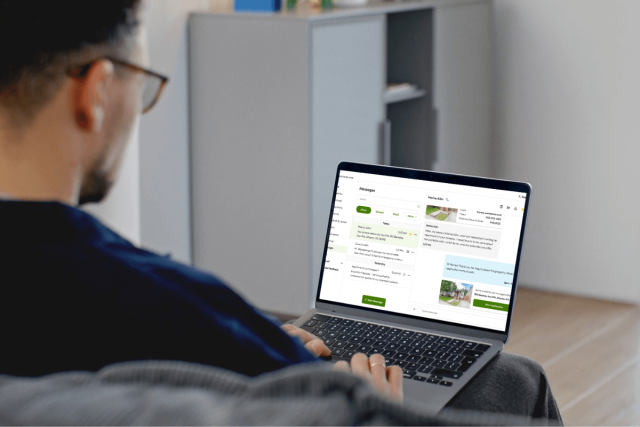
If you manage your properties on Apartments.com, you can use our built-in messaging platform to connect with tenants. This feature allows you to manage all conversations, from new inquiries to follow-ups, in one organized inbox, making communication more efficient.
Be prompt and professional
Being a communicative landlord is all about answering promptly and maintaining professionalism. When responding to tenants’ inquiries or messages, make sure to do so in a timely manner. Hold yourself accountable to a “respond by” time limit to ensure consistency and reliability. Doing so showcases a high level of professionalism and care, while also building mutual respect between you and your renter.
Practice proactive communication
When keeping in touch with tenants, it’s important to be proactive rather than reactive. This means getting ahead of concerns or questions before your tenant has a chance to ask them. For example, scheduling regular rental inspections and sending maintenance reminders can help prevent issues from arising in the first place. This proactive approach, as opposed to only responding when a problem has already occurred, can also help foster a sense of trust between you and your renters.
Prevent Conflict and Handle Problems Early
As mentioned earlier, good communication is all about taking a proactive approach. Rather than addressing issues as they come, it's important to anticipate potential conflicts and handle them early on. To do so, consider adopting the following communication strategies:
Be aware of common pitfalls
Practicing proactive communication means being aware of common tenant pitfalls. From late rent payments to unreported maintenance, consider the types of issues that could arise throughout a lease. Doing so will allow you to anticipate potential problems and address them before they escalate.
Follow conflict-resolution steps
If miscommunications occur between you and your tenant, remember to follow effective conflict-resolution steps. These steps include actively listening, refraining from making assumptions, and seeking mutually beneficial solutions. As you experience these types of conflicts, remember to document all communication and steps taken to resolve the issue. This will protect you in the case of any legal disputes that may arise.
Know when it’s time to let go
Sometimes, despite your best efforts, you and your tenant may not be a good fit. It’s important to recognize when it’s time to let go and end the lease. This could be due to frequent late payments, property damage, or other issues that cannot be resolved.
If you’re considering eviction, make sure to follow all legal procedures and provide your tenant with proper notice. You may also want to seek legal advice to ensure complete compliance and protect yourself from any potential repercussions.
Go Above and Beyond to Increase Tenant Retention
Another way to develop a strong relationship with tenants is to go beyond the basics. Do what is expected of you and then find additional ways to make your tenant feel valued. From a thoughtful move-in gift to timely responses to maintenance requests, here are some tenant retention strategies to add to your playbook:
Provide a welcoming move-in experience
Moving can be stressful, so make the process easier for your tenants by providing a warm welcome. This could involve leaving a small gift basket or handwritten note in their new home, or helping them with any necessary paperwork on move-in day. By showing that you care about their well-being and comfort, your tenants will feel appreciated from the very beginning of their tenancy.
Respond promptly to maintenance requests
One of the best ways to maintain good relations with your tenants is to respond quickly and effectively to any maintenance issues they may have. No one wants to live in a home with broken appliances or leaky pipes, so prioritize these requests and communicate clearly with your tenants about when the issue will be resolved.
Offer renewal incentives
When a tenant's lease is coming to an end, it's important to show them that you value them and want them to stay. Consider offering renewal incentives such as a discounted rent or upgraded amenities to encourage tenants to renew their lease. While this may seem like an initial financial loss, it costs far less time and resources than tenant turnover.
Choose the Best Tenants from the Start with Apartments.com
Every landlord-tenant relationship is unique, but the best ones often start with Apartments.com's Rental Tools. With our state-of-the-art screening platform, you can quickly gather the information you need to find a qualified renter. Access accurate, up-to-date details on credit history, criminal records, rental history, and more using our advanced screening features.
Need additional details? Request more information from prospective tenants with a single click. By gaining a clear view of a tenant's background, you can choose the best fit for your property. Building a strong landlord-tenant relationship is key to successful renting—let Apartments.com help make it easier.
This article was originally published on June 16, 2022, by Chanahra Fletcher.
FAQs
What is the most important factor in a good landlord-tenant relationship?
Clear communication and mutual respect are key. Setting expectations upfront and addressing concerns promptly builds trust and fosters a positive relationship.
How often should I check in with tenants without being intrusive?
Check in periodically, such as once every few months, or as needed for specific issues. Respect their privacy while ensuring they feel supported.
If a tenant requests an exception (late payment, maintenance), how flexible should I be?
Flexibility depends on the situation, but it’s important to assess the tenant's history and the nature of the request. Strive to balance fairness and firmness to maintain a positive relationship.
How can I measure tenant satisfaction and retention?
Use surveys or feedback forms to gauge satisfaction and track tenant turnover rates. Regular communication can also provide insights into their experience.


