
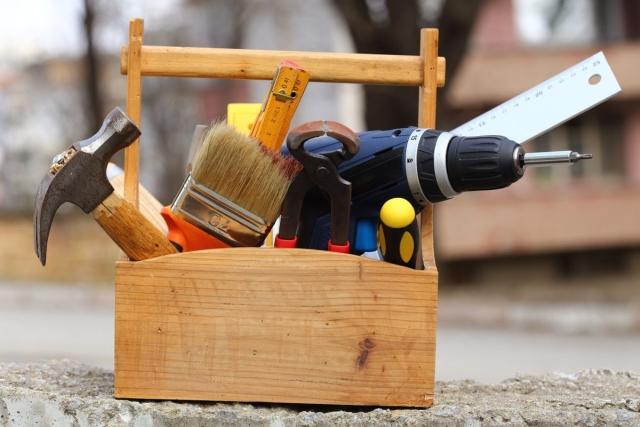
Every rental property needs upkeep—it’s part of protecting your investment and keeping renters comfortable. Whether you handle minor fixes yourself or hire vendors, having the right tools and a simple system for tracking issues can help you respond faster, reduce repeat trips, and keep maintenance from turning into emergencies.
Tools for Basic DIY Maintenance Tasks
A well-stocked toolbox handles the small, common issues that can otherwise spiral into bigger work orders. It also helps you resolve many requests in a single visit, keeping repairs efficient and tenants informed.
Small electrical tasks (simple, safety-first)
Many day-to-day “electrical” issues aren’t major repairs—they’re quick checks, resets, or replacements.
| Tool | What it helps you do | Common issues this helps with (examples) |
| Non-contact voltage tester | Quickly check whether a wire/device is energized before you get close | Outlet or switch “not working”; verifying power is off before inspecting a fixture; narrowing down whether an issue is power-related |
| Outlet tester | Diagnose a non-functioning outlet and help identify wiring/GFCI-related patterns | Tripped GFCI outlet (bath/kitchen/garage): reset and confirm power returns; outlet has no power; inconsistent power at an outlet |
| Assorted bulbs and batteries | Handle fast replacements during maintenance and turnover visits | Flickering bulbs: swap bulb, check fixture tightness, confirm correct bulb type; burned-out bulbs; smoke/CO detector chirping: replace batteries (and keep spares on hand) |
If something seems unclear, unsafe, or recurring, it’s usually a sign to bring in a qualified pro—especially when there’s heat, odor, or repeated breaker trips.
Basic plumbing repairs
Plumbing calls are among the most common maintenance requests. The right tools help you respond quickly—especially for clogs and minor leaks.
| Tool | What it helps you do | Common issues this helps with (examples) |
| Plunger | Clear many toilet clogs quickly | Toilet clogs; slow-flushing toilet |
| Drain snake/auger | Break up or pull out clogs when plunging isn’t enough (especially sinks/tubs) | Slow-draining sink; slow-draining tub/shower |
| Plumber’s tape (PTFE) | Seal threaded connections during small replacements | Minor seepage at threaded fittings; drips after reinstalling a showerhead or aerator |
| Epoxy putty | Provide a temporary seal in a pinch until a permanent repair is scheduled | Minor seepage/leaks at small cracks or joints (temporary stopgap) |
| Adjustable wrench / basin wrench | Tighten/loosen fittings, especially under sinks | Loose connections under a sink; replacing/tightening a faucet line; drips/spray from a loose showerhead or aerator (during reattachment) |
Helpful tip: Keep a small bag of common replacement parts you use most often (like plumber’s tape, a small tube of waterproof sealant, and a few common-size screws) so you don’t have to run to the store to finish a simple fix.
Painting and cosmetic maintenance
A quick set of paint and patch supplies helps you handle the small cosmetic issues that come up between turnovers—so you can restore a clean, consistent look without turning a touch-up into a full project.
| Item | What it helps you do | Common issues this helps with (examples) |
| Spackle or patch compound | Fill small holes and minor dents | Nail holes from hanging frames; small dings in drywall |
| Putty knife/scraper | Apply patch compound smoothly and remove loose paint/debris | Rough patch edges; peeling paint spots that need smoothing |
| Sandpaper (medium + fine grit) / sanding block | Smooth patched areas before painting | Patch lines showing through paint; uneven texture after repairs |
| Caulk + caulk gun | Seal small gaps for a clean finish (especially in wet areas) | Gaps along tubs/sinks/counters; small cracks at trim edges |
| Painter’s tape | Create crisp paint lines and protect trim | Paint bleeding onto trim; uneven edges around baseboards |
| Roller + brush + tray liners | Apply paint efficiently for touch-ups and small areas | Scuffed walls; touch-ups after patching |
| Drop cloth or plastic sheeting | Protect floors and fixtures during patch/paint work | Paint drips on flooring; dust from sanding |
| Cleaning cloths / mild cleaner | Prep surfaces so paint adheres better | Grease marks near kitchens; smudges and fingerprints before touch-up |
Supplies for Cleaning
Repairs can leave behind dust, smudges, and stray debris—even when the fix is minor. A simple cleaning kit lets you handle post-repair cleanup and turnover touch-ups without extra trips.
| Item | What it’s useful for | Common times you’ll use it |
| Rags and sponges | Wiping, drying, light scrubbing | After repairs; quick cleanups |
| Spray bottle + all-purpose cleaner | Fast surface cleaning and disinfecting | Kitchens/baths; turnover touch-ups |
| Mop + bucket | Cleaning hard floors; handling spills | Post-repair cleanup; turnovers |
| Vacuum cleaner | Dust, debris, and drywall dust cleanup | After patch/sand work; turnovers |
| Dish soap | Everyday degreasing and general cleaning | Post-repair cleanup; kitchen wipe-downs |
| Scouring powder (or a scrub cleaner) | Tackling stubborn sink/tub stains (surface-dependent) | Deep cleans; turnovers |
| Trash bags | Debris removal and quick reset | Post-repair cleanup; turnovers |
Tenant Lockout Essentials
Lockouts are stressful for tenants and time-sensitive for property managers, so it helps to have a simple process you can follow every time. With a few basics in place—key tracking, secure spares, and quick verification—you can respond faster and reduce repeat lockout issues.
| Focus area | What to have in place | Why it helps |
| Key inventory | A clear system showing who has which keys and which unit they open | Reduces confusion and delays when someone needs access quickly |
| Spare key storage | Secure spare key storage (lockbox, secure cabinet, or controlled handoff process) | Helps you provide access without misplacing keys or creating unnecessary copies |
| Dispatch checklist | A short checklist to confirm unit number and access needs before sending help | Prevents avoidable mistakes and speeds up the response |
| Key tracking over time | Track key copies and changes so you’re not guessing later | Makes rekeys, replacements, and vendor coordination easier |
| Lockout log | Document lockout events and outcomes | Helps you spot repeat issues (lost keys, sticking locks) and address root causes |
| Standardized hardware | If lockouts keep happening, standardize locks/keys across units where possible | Simplifies maintenance and reduces the number of key types you need to manage |
Keep Tools and Maintenance Requests Organized
Keep your maintenance tools organized so you can fix issues without wasting time looking for supplies. A standard toolbox works well for the basics, but if you have more equipment than it can hold, a utility cart gives you extra space and makes it easier to move tools from space to space.
It’s just as helpful to keep maintenance requests and repair records organized. If your rental is listed on Apartments.com, take advantage of our suite of Rental Tools to manage tenant maintenance requests online—get notified when a tenant submits a request, share updates, and keep receipts attached to the job ticket for easy tracking. Enjoy access to these features (and many more) at no cost. Sign up today!
Originally published on April 2, 2021 and has been updated.


