
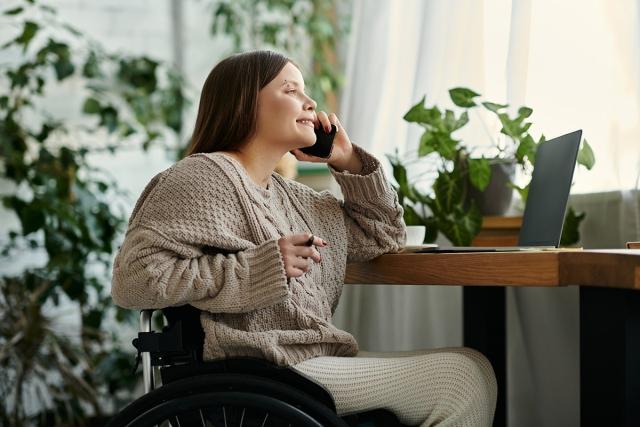
Accessible housing appeals to a wider range of renters, supports long-term tenants, and makes everyday life easier for everyone. However, this doesn’t mean you have to completely remodel your home and spend tens of thousands of dollars. There are many low-cost and easy ways to improve the accessibility of your rental that are just as impactful as high-cost modifications. What matters the most is how these updates make life easier for tenants, so here are some of the best ways to make your rental more accessible.
Key Takeaways
- Accessibility upgrades help landlords attract a broader pool of renters and support longer tenancies by creating safer, more functional spaces that adapt to changing needs.
- Low-cost improvements, like lever handles, rocker switches, better lighting, and smart home tech, can significantly boost usability without requiring major renovations.
- Clearly marketing specific features (e.g., step-free entry, 36-inch doorways, grab bars) while following fair housing laws helps listings stand out and ensures renters understand a property’s accessibility.
Why Accessibility Matters for Landlords
Making a rental more accessible helps create a home that’s easier to use, safer to navigate, and more comfortable for a wider range of renters. It meets renters where they are, whether they're managing a temporary injury, adapting to changing needs, or simply looking for a more functional space.
For landlords, accessibility can also make a property appeal to a broader audience and support longer-term tenancy. When a rental is easier to move through and use, it continues to work for tenants even as their needs change over time. Reduce vacancies and retain tenants longer with an accessible rental.
Accessibility Design Approaches Landlords Should Know
While “accessible rentals” is the general term, it can be broken down into a few different design approaches. While each method has a unique approach, they all aim to create spaces that are easier to navigate, more functional, and more comfortable for everyone.
Barrier-free design
Barrier-free design focuses specifically on removing obstacles and barriers that limit access, particularly for people with disabilities.
Universal design
Universal design takes a broader approach, aiming to create a rental that is usable and convenient for the widest range of people. This design approach focuses on creating a universal design from the start, therefore reducing the need for adaptation down the line. That means that very different people can all enjoy the same rental and will still be able to comfortably live there even as needs change.
Aging-in-place design
Aging in place revolves around the long-term plan as it zeroes in on helping people remain in their home safely, comfortably, and independently as they age. That means having features that allow tenants to continue to live in your rental, including ones that support changing mobility and daily activities.
Additional accessibility design approaches
There are a few more design approaches that can be helpful when making a rental more accessible:
- Accessible design: design intended to make a space usable by people with disabilities, often meeting legal accessibility requirements.
- Visitability: visitability is generally considered a subset of universal design, that focuses on basic access features in housing so anyone can enter and navigate around the rental, regardless of mobility.
Easy Ways to Make Your Rental More Accessible
Making your rental more accessible doesn’t require an entire renovation. These are some easy ways to open up your rental to a larger audience.
Lever handles
Lever handles are easier to use because they don’t require grip strength or twisting. They’re a simple upgrade that improves accessibility for everyone, whether someone has reduced hand mobility or their hands are full of groceries.
Rocker light switches
Instead of pinching or flipping a small switch, renters can turn lights on and off with a quick tap with rocker light switches. A wider surface means less precision is required, as well.
Good lighting
Better visibility makes a rental safer and easier to navigate. Well-placed and sufficient lighting helps renters move around without having to guess where items are or where they are heading.
Smart home technology
Smart home technology is revolutionizing and modernizing rentals by simplifying everyday tasks. Features like app-based controls, voice commands, and smart devices can help renters adjust the thermostat, turn on lights, or lock doors. These upgrades can be especially helpful for renters with mobility limitations, but they also add convenience for any tenant.
Handrails
Adding handrails is a quick way to make stairs safer and simpler to navigate. They provide extra stability and support, reducing the risk of injuries and making it easier to move up and down the stairs.
Non-slip surfaces
Non-slip surfaces make a rental safer by providing high-traction flooring that reduces the risk of slips and falls. In areas where wet floors are more common, such as bathrooms, textured mats or tubs with slip-resistant bottoms can add traction. Throughout the rest of the home, textured tile or wood flooring can improve grip without limiting mobility. Certain surfaces, such as thick carpet, help prevent slipping but make the space harder to navigate for people with mobility aids, like wheelchairs or walkers. The same goes for the exterior of your rental, where slip-resistant surfaces on decks, stairs, and pathways can improve safety around the property.
Grab bars
Grab bars provide extra support and leverage, helping renters safely transition between positions. These are especially common in the bathroom, to assist renters in sitting down and getting in and out of the shower or tub.
Handheld showerheads
Handheld showerheads allow renters greater control over the water. Being able to move the showerhead makes bathing more flexible, so renters can adjust and move to match what works best for them.
Side-by-side laundry
Side-by-side laundry may take up a bit more space, but it makes this weekly chore easier for renters to take care of. Unlike stacked machines, renters don’t need to reach and stretch to access a machine.
Rental Accessibility Features That May Require a Bigger Investment
While small upgrades do make a difference in your rental’s accessibility, larger modifications can have a much bigger impact. Sometimes, these modifications are features that tenants are specifically looking for, so having them and highlighting them in your listing makes your property stand out.
Wide doorways and hallways
Wider doorways and hallways allow renters to have greater mobility and maneuverability in their space. This is especially important for people with mobility aids, but also gives more space for bulkier tasks, like moving furniture or carrying groceries.
It’s not just wider doorways, as the type of door also matters. Doors that fully open and don’t obstruct the room give the most space for movement. Some common options are swing-clear, offset, wide-throw, or parliament hinges. Also, smooth doors are preferred so that people and objects can easily slide past without catching.
Paved pathways
Renters don’t want to have to struggle to get home, which is why paved pathways are essential. Regardless of whether they have a mobility aid or not, renters want a simple, easy path to get to their front door without having to navigate around items, worry about slipping or tripping, or struggle on uneven paths.
No-step entry or ramps
No-step entries make it easy to get in and out of the rental since there’s no need to climb up stairs. The thresholds, both inside and outside the rental, should be flush with the floor to eliminate any tripping hazards and make it easier for mobility aids to navigate. Depending on your rental, a no-step entry may be a larger improvement than you want to make, but there are easy adaptations to create one, like a ramp.
Main level living
While main-level living is not a possible modification for every landlord, it is something to consider. It looks different depending on the rental, but the main focus is having all living essentials on the main floor of the rental. This includes the primary bedroom and bathroom, laundry, and kitchen to eliminate the need for stairs. One-story rentals are typically already designed for this (as long as they don’t have any interior stairs between rooms), but you can adapt multi-story rentals into this as well by placing the main rooms and essentials on the first floor.
Curbless showers and no tub
While tubs are an attractive feature for some tenants, they can make a bathroom more challenging for others. Shower stalls offer easier access, especially those with no curb to step or maneuver over. Appeal to those who want a tub as well by installing one in a secondary bathroom.
How to Market Your Rental’s Accessibility Features the Right Way
Marketing your rental’s accessibility features is more than just adding a few broad claims. You have to navigate fair housing laws, while helping prospective tenants understand what your property offers and how it could fit their needs.
Be specific in your listing
Name each of your rental’s accessibility features and be specific. For example, say “36-inch doorways” instead of “wide doorways.” Include all of the features so potential tenants know what your property offers.
Include floor plans
Floor plans allow potential tenants to see if the layout of your rental meets their needs by showing the flow and arrangement of the space. Including exact measurements also helps them decide if your rental offers enough room.
Follow fair housing laws
To abide by fair housing laws, keep your language factual, specific, and neutral. Describe the property features themselves, such as step-free entry, wider doorways, grab bars, or lowered countertops. Avoid wording that suggests a preference for or against any tenant.
For example, your listing should not imply that the home is best for one type of household, age group, religion, person with a disability, or other protected category. Fair housing laws prohibit advertising that shows a preference based on a protected class, so the safest approach is to focus on the unit’s features rather than the renter.
Capture your rental’s accessibility features with 3D tours
Photos and descriptions can only show so much. With Matterport 3D Tours on Rental Manager, you can give prospective renters a more complete look at your property’s layout before they schedule a showing. That’s especially helpful when you’re marketing accessibility features like step-free entry, wider hallways, main-level living, or a curbless shower, because renters can get a better sense of how the space flows and functions. Add a 3D tour today, to help renters experience your property and see the accessibility features that set it apart.
FAQs
What is an example of a reasonable modification?
A reasonable modification is a change to a rental property that is necessary for a person to use the space. Tenants with a disability can request reasonable modifications at any time, and landlords are generally required to allow these changes under fair housing laws. An example could be widening doorways and installing grab bars in bathrooms.
Who pays for a reasonable modification?
Reasonable modifications are typically at a tenant’s expense for private landlords. Federally-assisted housing is a different case, so consult a legal professional if you receive funding.


