
As daylight saving time starts and clocks jump ahead, it’s your cue to tackle spring maintenance. When the season shifts, so does how your rental is used. Scheduled maintenance ensures everything is in working order and helps you catch problems before they become major issues.
Daylight saving time is also your reminder to handle routine maintenance tasks before they pile up. Keep your rental running smoothly and ready for the season change with these 10 home maintenance tasks for when clocks spring forward:
- Check smoke and carbon monoxide detectors
- Replace filters
- Schedule HVAC inspections
- Clean dryer vents
- Flush the water heater
- Clean out gutters
- Inspect plumbing
- Test outlets
- Check weatherproofing
- Conduct pest control
Check Smoke and Carbon Monoxide Detectors
Test every smoke alarm and carbon monoxide detector in your rental and replace batteries. Even though detectors chirp as a reminder to replace the batteries, don’t wait for the warning and change the batteries before the noise starts. If your detectors are more than 10 years old, then it’s time to replace them.
While you’re checking the safety equipment, check the fire extinguisher as well. If you notice any damage or problems with any part of the extinguisher, then get it replaced or serviced right away. Just like detectors, if your fire extinguisher is about 10 years old then you should get a new one.
Replace A/C Filters
Before the temperature starts to ramp up and the A/C starts to be used frequently, change the HVAC filters. This not only keeps the air clean for your tenants but also helps the system operate smoothly.
Schedule HVAC Inspections
After you replace the HVAC filter, get the unit inspected and tuned up by a professional. This keeps it in good condition so it can run efficiently and last longer. The extent of the service depends on the company, but it can include an inspection to identify any issues and a thorough cleaning.
Clean Dryer Vents
Cleaning out dryer vents is not only key to keeping the dryer working well but also ensuring safety. Vents full of lint and debris are a fire hazard, so making sure it’s clear is a safety concern. Don’t forget to clean the exterior vent hood and the area in and around the lint filter housing as well.
Flush the Water Heater
Maintaining the water heater helps keep it operating efficiently for longer. Sediment and gunk in the unit makes it work harder and reduces hot water capacity. In worst-case scenarios, it leads to even larger issues. Flush out the water heater every six months to a year to keep it running at its best.
Clean Out Gutters
Cleaning out your gutters isn’t just a fall task since leaves, dirt, and foliage can still accumulate over the winter. Spring brings heavy rain, so you’ll want your gutters to be prepped and ready to handle any downpour.
While you’re up there, take a minute to inspect your roof for any damage that occurred over the winter. Look for loose or missing shingles and other signs of wear and tear so you can track the condition of your roof and conduct repairs before anything becomes a serious problem.
Inspect Plumbing
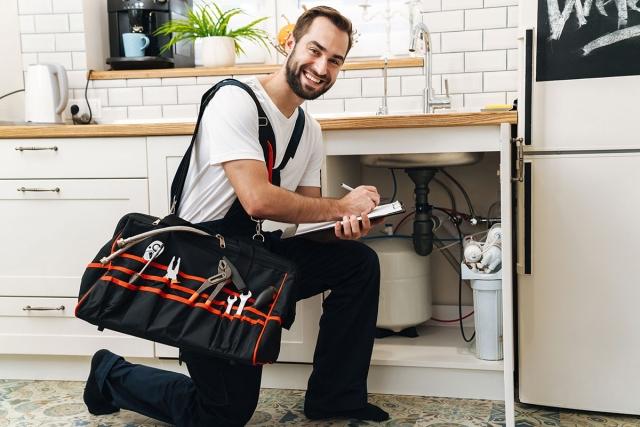
While a burst pipe is an obvious issue, even minor freezing during winter can cause cracks that lead to slow leaks. Do an inspection of all plumbing, pipes, and any other places where leaks could happen. Look under sinks and around toilets and tubs for any dripping, dampness, or water stains. Test your fixtures to make sure the plumbing is functioning as expected: drains should flow freely, toilets should flush, and garbage disposals should run smoothly.
Test Outlets
Power outages can be part of winter, which is why spring is the time to check your rental’s electrical outlets to make sure they’re working safely and reliably. Go room-by-room and check that every single outlet is functioning and that there aren’t any red flags like discolored faceplates or loose plugs. Don’t forget to test your GFCI outlets to make sure they properly trip, cut power, and reset.
Check Weatherproofing
Inspect windows and doors for any drafts and check the condition of the weatherstripping. Worn weatherstripping should be replaced and gaps sealed to keep the rental weatherproof and comfortable for tenants. While you’re at it, check window and door screens for tears or loose frames.
Conduct Pest Control
Daylight saving time is a natural reminder to do preventive pest control before they return in full force after the winter. Check around your rental for any signs of activity, especially near entry points. Then apply a preventive treatment or schedule a professional service to come out. Stopping pests before they come in is the easiest way to take care of and prevent pest problems.
Manage Maintenance in One Place on Apartments.com
All of your maintenance tasks live in one place with Rental Manager. From internal tasks to tenant maintenance requests, you can track status, send messages, and keep everything documented in one thread. Start using Rental Manager to centralize maintenance and streamline your workflow.
FAQs
When is daylight saving time?
Daylight saving time in 2026 starts on March 8 and ends November 1. So, clocks will jump ahead on March 8 and fall back on November 1. These dates are specific to 2026, but in general, daylight saving time starts the second Sunday in March and ends the first Sunday in November.
How often are you supposed to change your air filter?
You should change air filters every three to six months or as needed. Inspect air filters to see if they are dirty by holding them up to a light source. Light should pass through them.
How do I know when my smoke alarm battery needs replacing?
Smoke alarms and carbon monoxide detectors will typically chirp when they need replacing. However, it’s a good idea to change the batteries every six months.


