Median Age
40 Years
Largest Age Group
10-19 Years
Approximately 15% of Residents
Under 20
27%
Over 65
22%


Avg Rent
$1,513
Population
39,259
Renter Mix
25% Rent
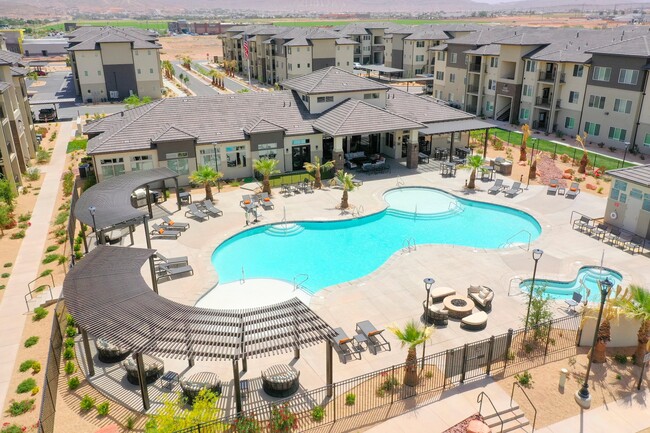
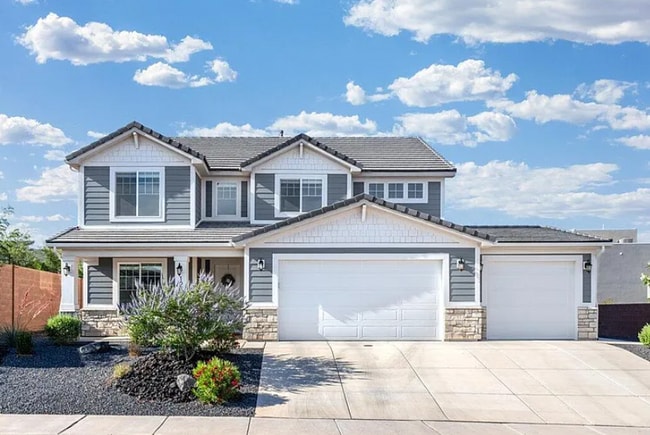
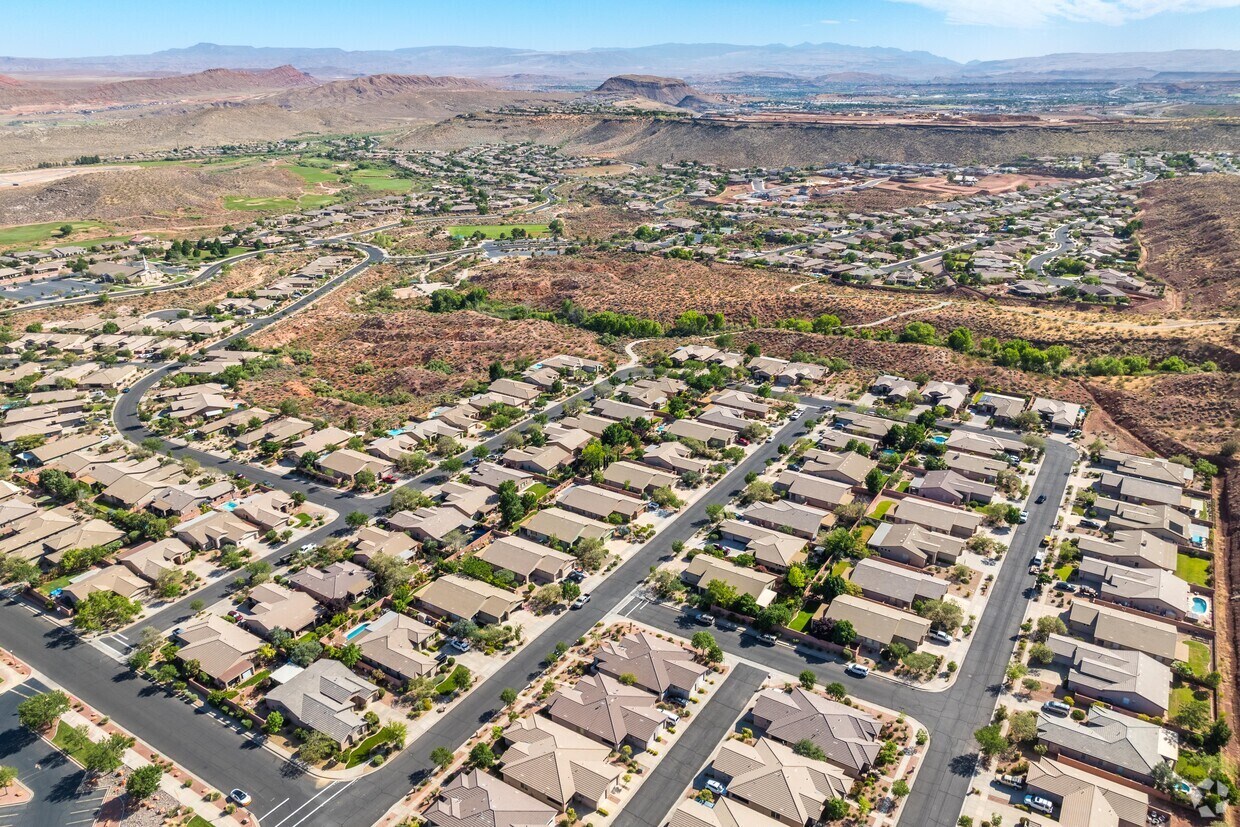
Washington City sits just east of St. George in Washington County, Utah, tucked into the red rock terrain of the Mojave Desert's northern edge. The city sits at about 2,900 feet in elevation, which gives it one of the warmest climates in the state, and that comes through in daily life. Residents enjoy easy access to outdoor recreation, a growing dining scene, and the amenities of a larger metro area without having to live right in the middle of it. St. George is minutes away, and from there you can reach Sand Hollow Reservoir and Zion National Park without much effort. The Cotton Days Celebration, held each spring at the end of April and into early May, is a longstanding local tradition that honors the city's agricultural roots.
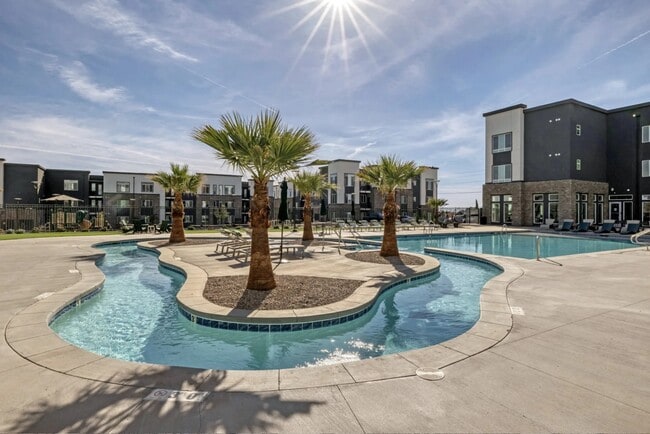
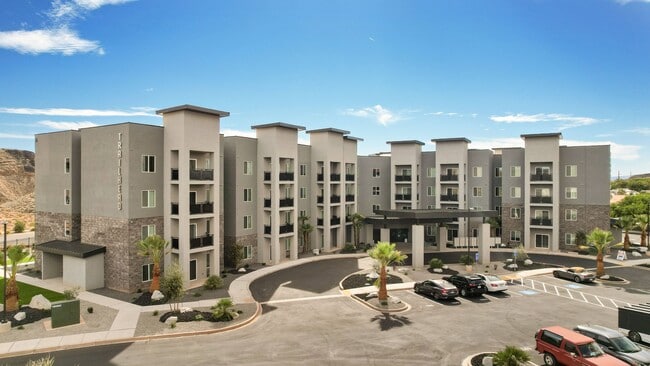
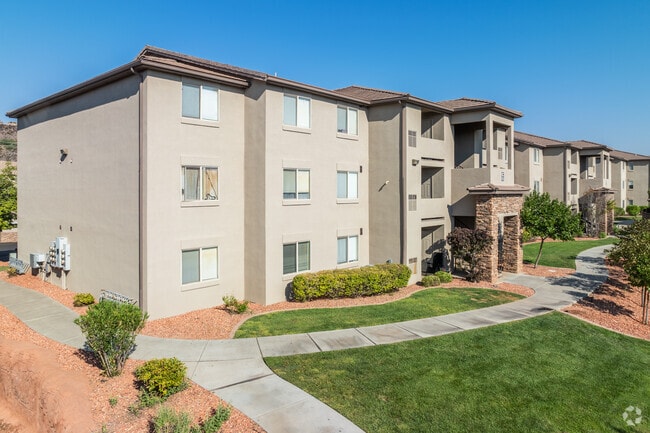
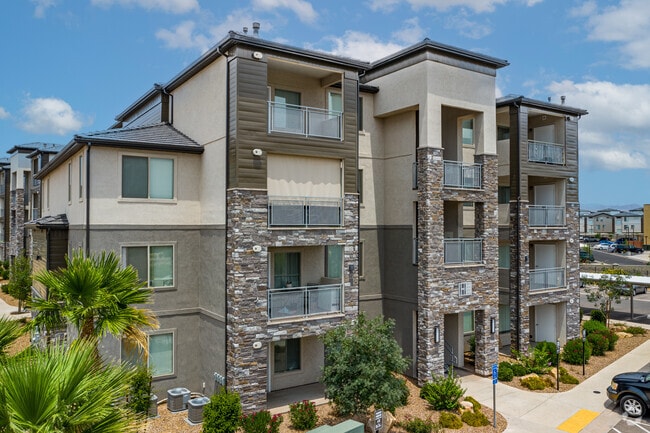
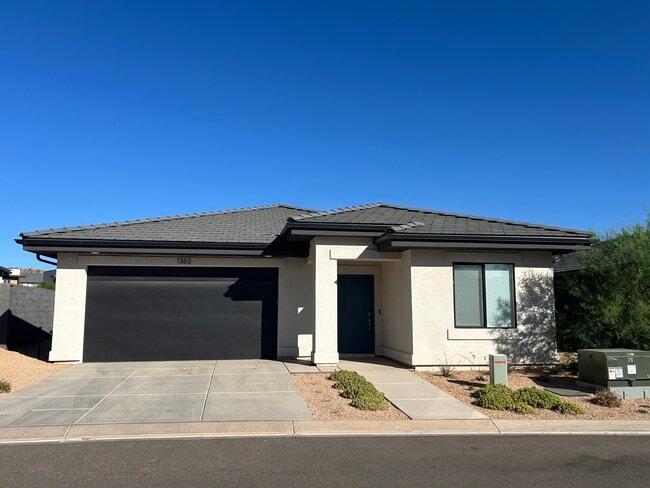
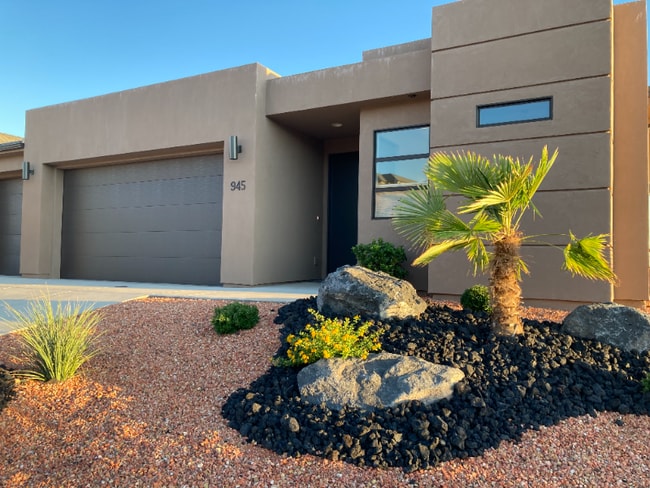
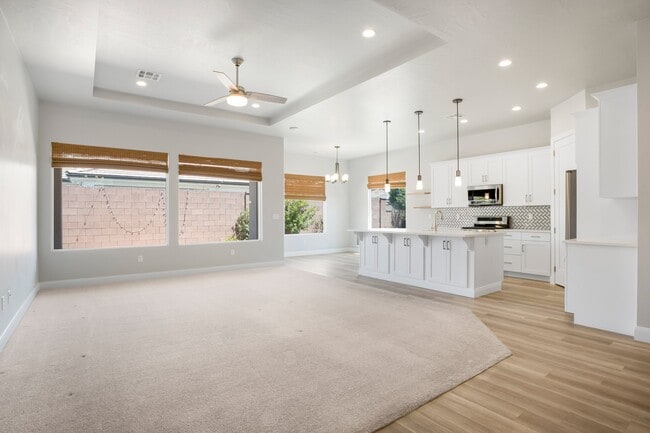
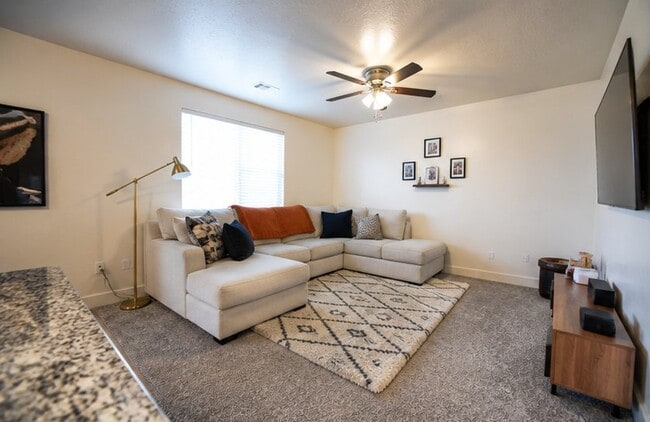
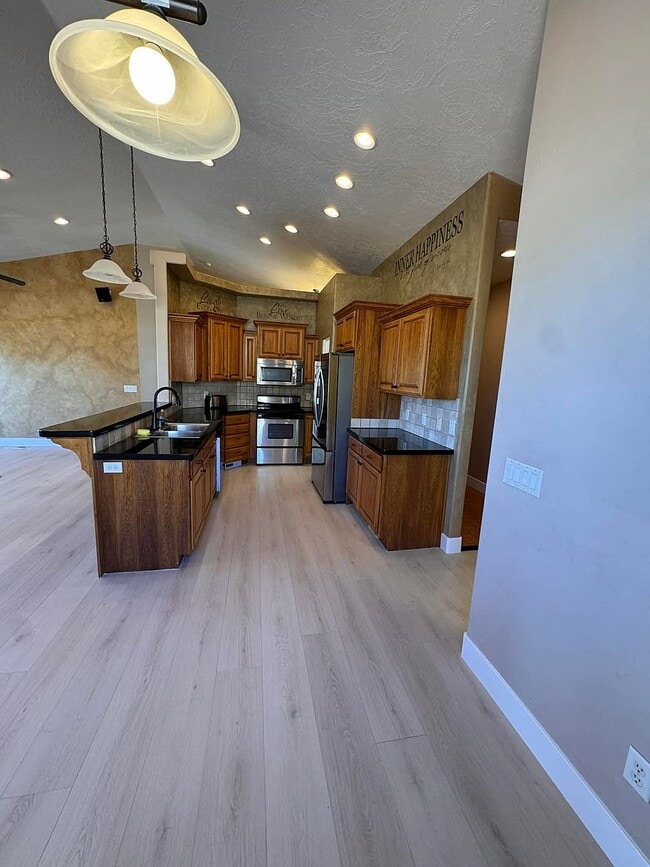
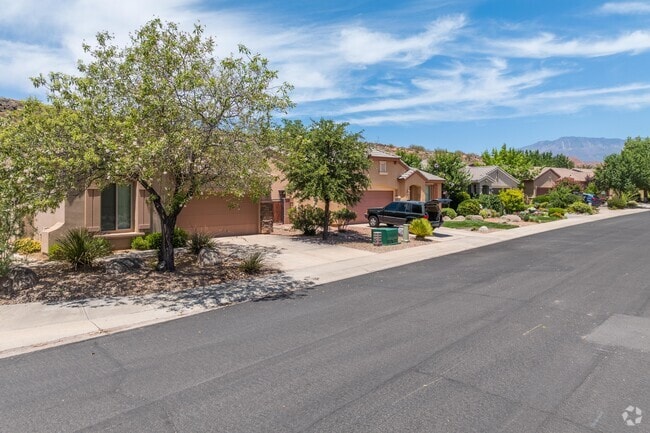
Neighborhoods in Washington City range from established areas near old town Telegraph Street to newer master-planned communities in Washington Fields and Green Springs, each with their own character. The rental market includes single-family homes, townhomes, garden-style apartment communities, and a growing number of newer mid-rise units serving the corridor between Washington and St. George. Utah Tech University is located about eight miles away in St. George, giving the broader area a steady academic presence.
Razor Ridge Park is a great place to get outdoors and enjoy nature around Washington.
Red Cliffs Desert Reserve is an ecologically diverse preserve bordering Green Spring.
The Terrace at Red Cliffs Mall is a great place to grab a bite and enjoy shopping.
Hiking trails exist just off of the miles of paved sidewalks throughout Coral Canyon.
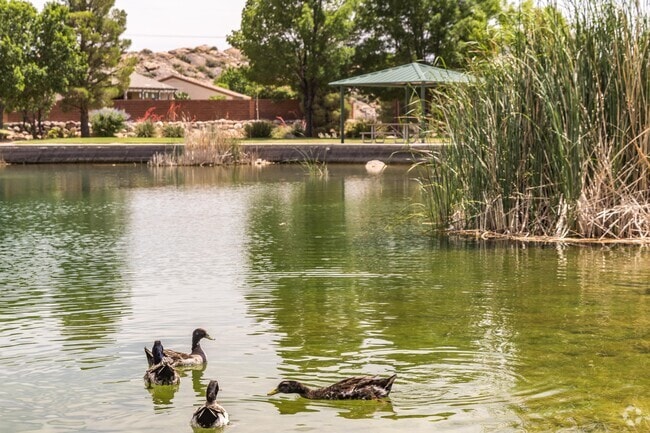
The city of Washington welcomes residents and visitors at Razor Ridge Lake Park.
Median Household Income
$78,018
Average: $95,097
Education
12,054
Residents Have a Degree
Job Market
18,325
Workers Employed
Median Age
40 Years
Largest Age Group
10-19 Years
Approximately 15% of Residents
Under 20
27%
Over 65
22%
Housing Distribution
Washington has more homeowners than renters.

Education Distribution
Review this city's overall education levels.

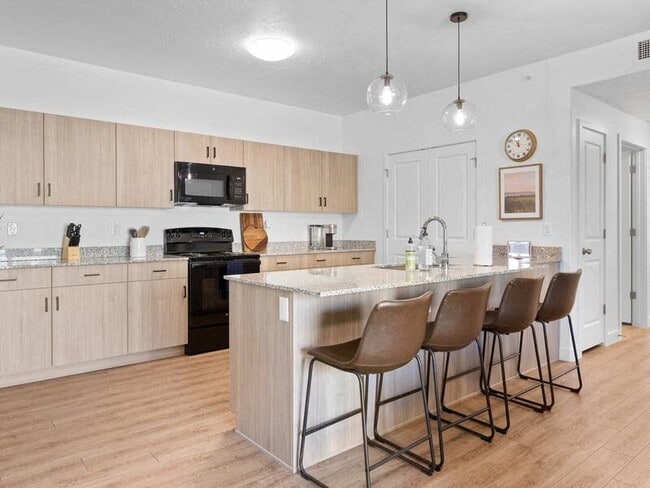
As of September 2026, the average apartment rent in Washington, UT is $1,350 for a studio, $1,516 for one bedroom, $1,664 for two bedrooms, and $2,068 for three bedrooms. Apartment rent in Washington has decreased by -1.8% in the past year.
Explore how walkable, bikeable, drivable, and transit-friendly Washington, UT is for everyday living.
Not Walkable
Walkability
Exceptionally Drivable
Drivability
Somewhat Bikeable
Bikeability

Public
Grades PK-5
732 Students

Public
Grades PK-5
626 Students
Public
Grades PK-5
610 Students
Public
Grades K-8
210 Students

Public
Grades PK-5
558 Students

Washington Fields Intermediate
Public
Grades 6-8
913 Students

Public
Grades 6-8
933 Students

Public
Grades K-8
210 Students
Public
Grades 6-12
229 Students

Public
Grades 9-12
1,401 Students
Public
Grades 6-12
229 Students
 The GreatSchools Rating helps parents compare schools within a state based on a variety of school quality indicators and provides a helpful picture of how effectively each school serves all of its students. Ratings are on a scale of 1 (below average) to 10 (above average) and can include test scores, college readiness, academic progress, advanced courses, equity, discipline and attendance data. We also advise parents to visit schools, consider other information on school performance and programs, and consider family needs as part of the school selection process.
View GreatSchools Rating Methodology
Data provided by
GreatSchools.org
© 2026. All rights reserved.
The GreatSchools Rating helps parents compare schools within a state based on a variety of school quality indicators and provides a helpful picture of how effectively each school serves all of its students. Ratings are on a scale of 1 (below average) to 10 (above average) and can include test scores, college readiness, academic progress, advanced courses, equity, discipline and attendance data. We also advise parents to visit schools, consider other information on school performance and programs, and consider family needs as part of the school selection process.
View GreatSchools Rating Methodology
Data provided by
GreatSchools.org
© 2026. All rights reserved.
† Our analysis of utilities, groceries, transportation, healthcare, home prices, and other goods and services is sourced from the Cost of Living Index, a respected benchmark published by the Council for Community and Economic Research (C2ER) that provides a thorough overview of living expenses across different regions.
Rent data is provided by CoStar Group’s Market Trend reports. As the industry leader in commercial real estate information, analytics, and news, CoStar conducts extensive research to produce and maintain a comprehensive database of commercial real estate information. We combine this data with public record to provide the most up-to-date rental information available.
Consumer goods, services, and home prices are sourced from the Cost of Living Index published by the Council for Community and Economic Research (C2ER). The data on this page is updated quarterly. It was last published in September 2026.
Demographic information comes from Neustar and combines detailed address data with U.S. Census and American Community Survey statistics to produce reliable local estimates.