Median Age
37 Years
Largest Age Group
30-39 Years
Approximately 15% of Residents
Under 20
26%
Over 65
13%


Avg Rent
$1,935
Population
31,390
Renter Mix
57% Rent
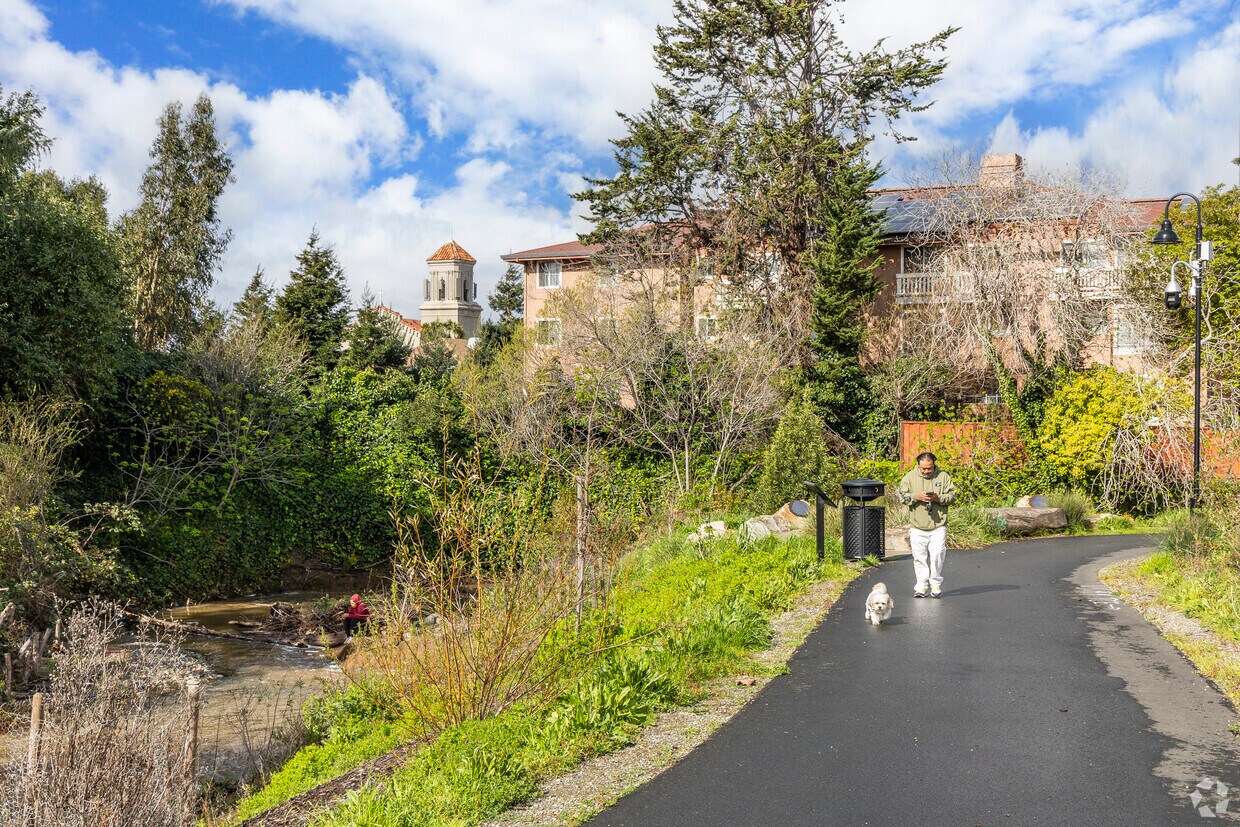
San Pablo sits at the geographic center of the East Bay, fully encircled by Richmond and positioned between San Francisco Bay to the west and Wildcat Canyon Regional Park to the east. The city carries a history that stretches from Ohlone settlement through Spanish rancho land grants, wartime industrial growth, and into its current identity as a dense, close-knit community in Contra Costa County. Contra Costa College anchors the city's commitment to accessible education and serves as a genuine community hub. San Pablo Lytton Casino adds an entertainment draw that few comparably sized cities can match.
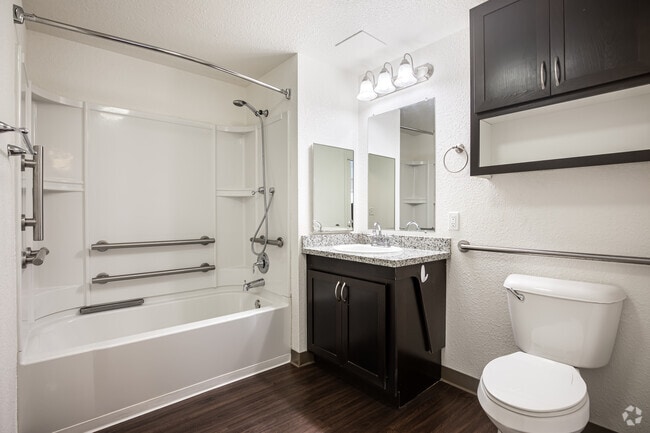
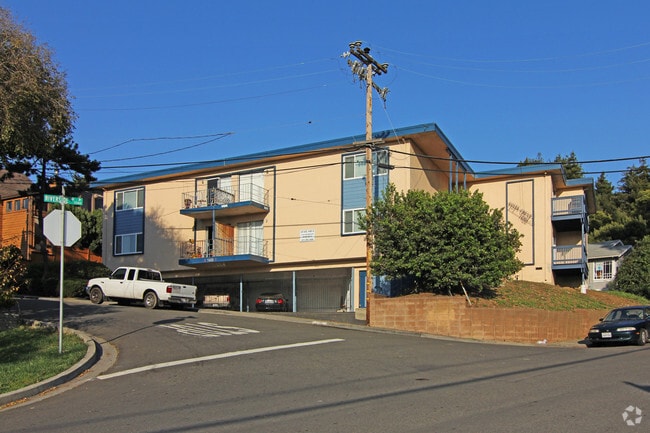
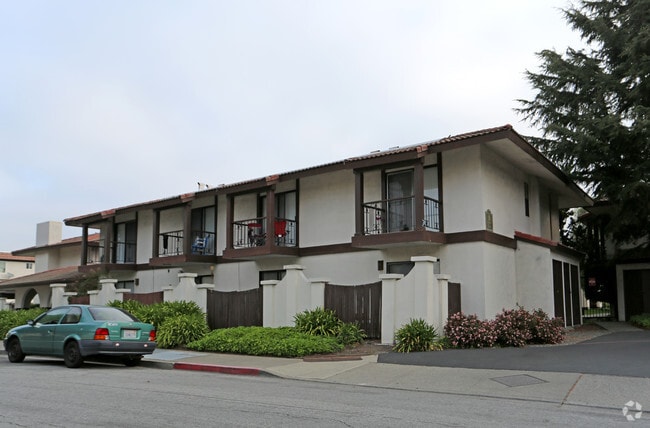
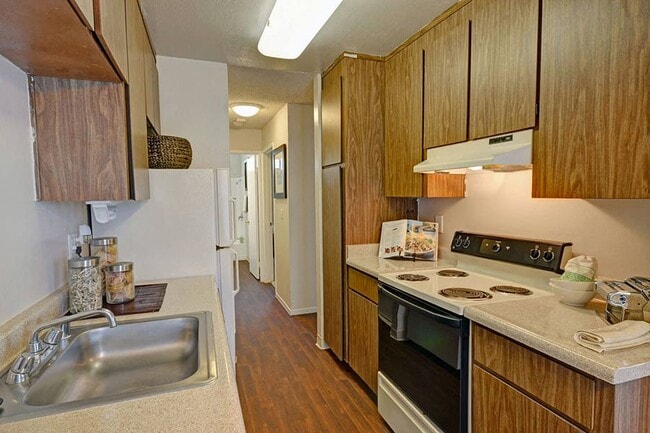
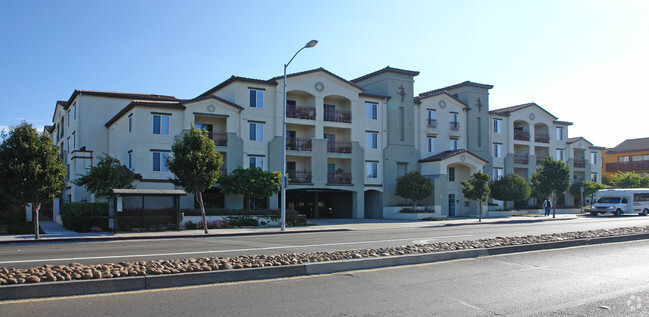
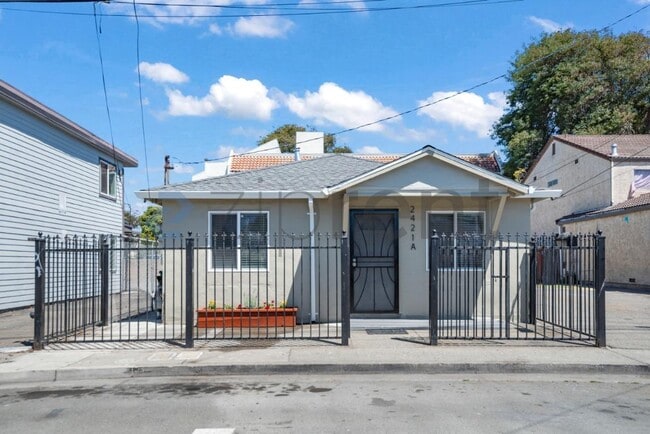
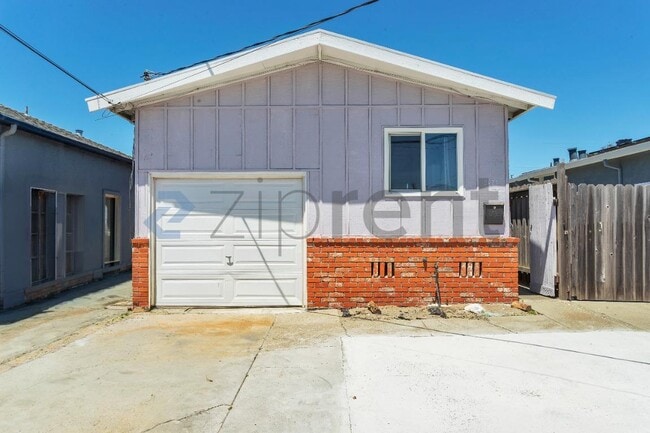
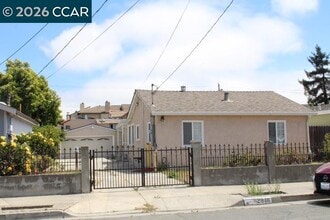
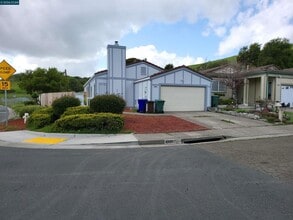
With just three square miles to its name, San Pablo packs in a range of housing options, from ground-floor garden-style apartment communities to modest single-family rentals and smaller multi-unit buildings. The compact footprint means most daily errands are reachable without much effort. Renters looking for Bay Area access without the higher price tags of Berkeley or Oakland will find San Pablo worth serious consideration. The city borders and quick freeway connections to I-80 put San Francisco, Oakland, and the broader East Bay within a reasonable commute, making this small but well-located city a practical base for those who want regional access at a more grounded cost.
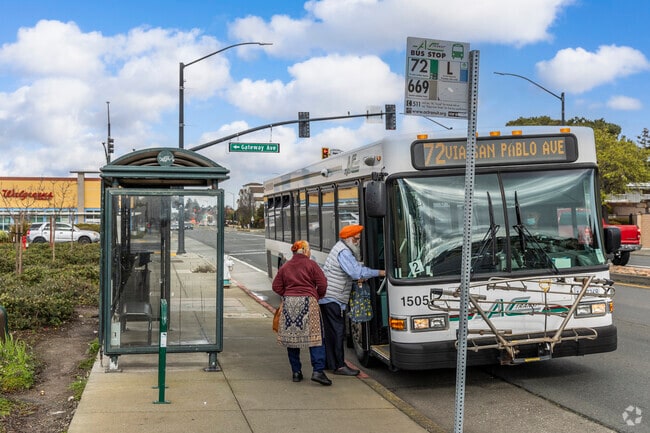
AC Transit runs many different bus lines in San Pablo.
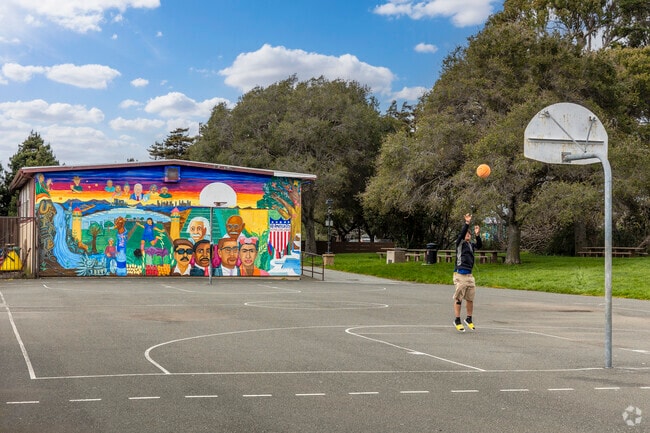
Davis Park in San Pablo has a basketball court that is great for practicing hoops.
San Pablo's Lytton Casino brings in gamblers at all times of the day and night.
Median Household Income
$67,269
Average: $81,373
Education
5,006
Residents Have a Degree
Job Market
15,415
Workers Employed
Median Age
37 Years
Largest Age Group
30-39 Years
Approximately 15% of Residents
Under 20
26%
Over 65
13%
Housing Distribution
San Pablo has more renters than homeowners.

Education Distribution
Review this city's overall education levels.

As of August 2026, the average apartment rent in San Pablo, CA is $1,728 for a studio, $1,929 for one bedroom, $2,177 for two bedrooms, and $1,470 for three bedrooms. Apartment rent in San Pablo has increased by 1.7% in the past year.
Explore how walkable, bikeable, drivable, and transit-friendly San Pablo, CA is for everyday living.
Fairly Walkable
Walkability
Some Public Transit
Transit
Exceptionally Drivable
Drivability
Moderately Bikeable
Bikeability

Public
Grades K-8
971 Students

Montalvin Manor Elementary School
Public
Grades K-8
474 Students

Public
Grades K-5
458 Students

Public
Grades K-5
317 Students
Public
Grades K-5
317 Students
Public
Grades K-8
971 Students
Montalvin Manor Elementary School
Public
Grades K-8
474 Students
Public
Grades 6-8
558 Students

Public
Grades 6-8
558 Students
Public
Grades 9-12
294 Students

 The GreatSchools Rating helps parents compare schools within a state based on a variety of school quality indicators and provides a helpful picture of how effectively each school serves all of its students. Ratings are on a scale of 1 (below average) to 10 (above average) and can include test scores, college readiness, academic progress, advanced courses, equity, discipline and attendance data. We also advise parents to visit schools, consider other information on school performance and programs, and consider family needs as part of the school selection process.
View GreatSchools Rating Methodology
Data provided by
GreatSchools.org
© 2026. All rights reserved.
The GreatSchools Rating helps parents compare schools within a state based on a variety of school quality indicators and provides a helpful picture of how effectively each school serves all of its students. Ratings are on a scale of 1 (below average) to 10 (above average) and can include test scores, college readiness, academic progress, advanced courses, equity, discipline and attendance data. We also advise parents to visit schools, consider other information on school performance and programs, and consider family needs as part of the school selection process.
View GreatSchools Rating Methodology
Data provided by
GreatSchools.org
© 2026. All rights reserved.
† Our analysis of utilities, groceries, transportation, healthcare, home prices, and other goods and services is sourced from the Cost of Living Index, a respected benchmark published by the Council for Community and Economic Research (C2ER) that provides a thorough overview of living expenses across different regions.
Rent data is provided by CoStar Group’s Market Trend reports. As the industry leader in commercial real estate information, analytics, and news, CoStar conducts extensive research to produce and maintain a comprehensive database of commercial real estate information. We combine this data with public record to provide the most up-to-date rental information available.
Consumer goods, services, and home prices are sourced from the Cost of Living Index published by the Council for Community and Economic Research (C2ER). The data on this page is updated quarterly. It was last published in June 2026.
Demographic information comes from Neustar and combines detailed address data with U.S. Census and American Community Survey statistics to produce reliable local estimates.