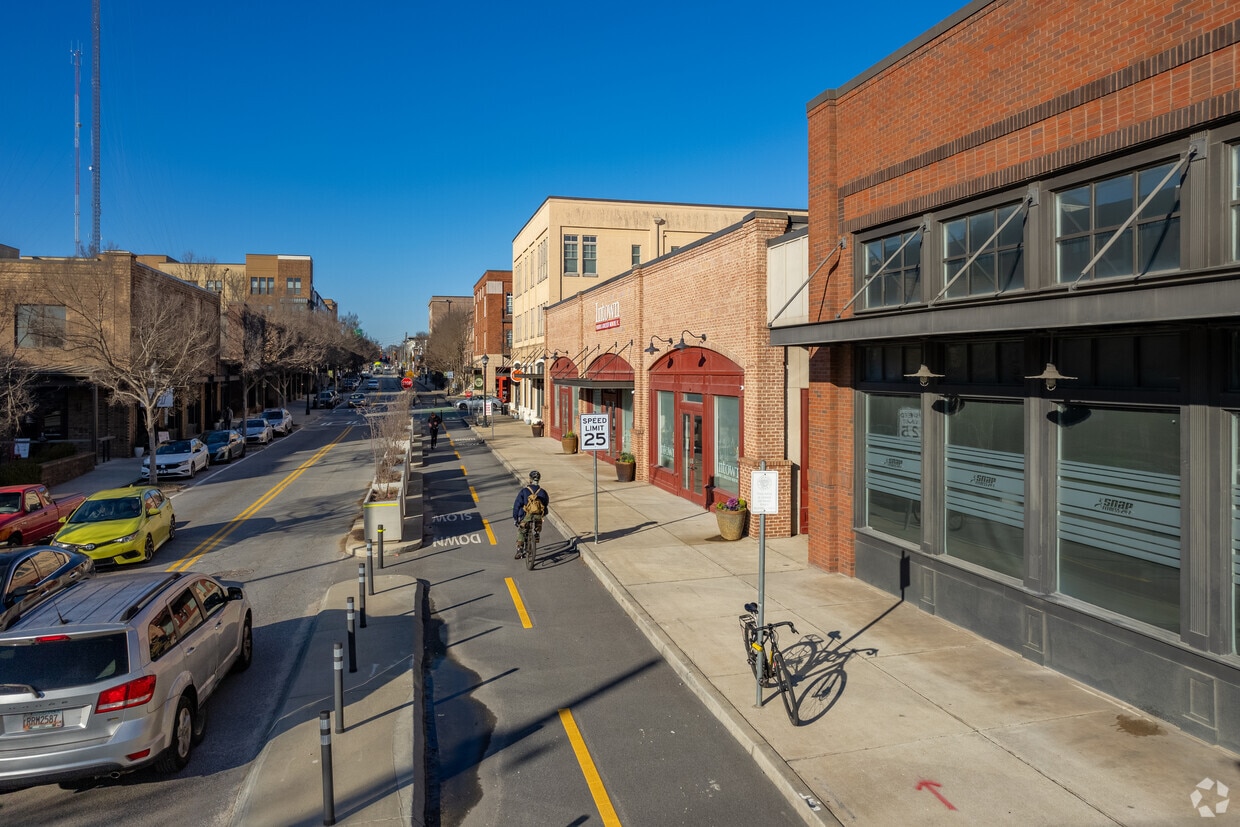
Once a trolley town, Ormewood offers old-school scenic charm blended with modern establishments.
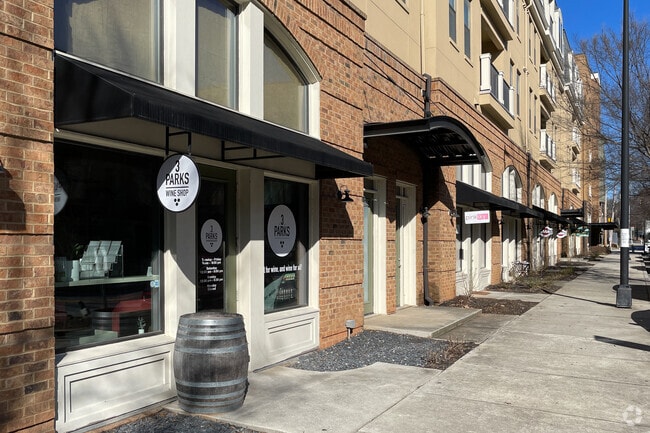
Ormewood Park is full of small businesses that fit the community's needs.
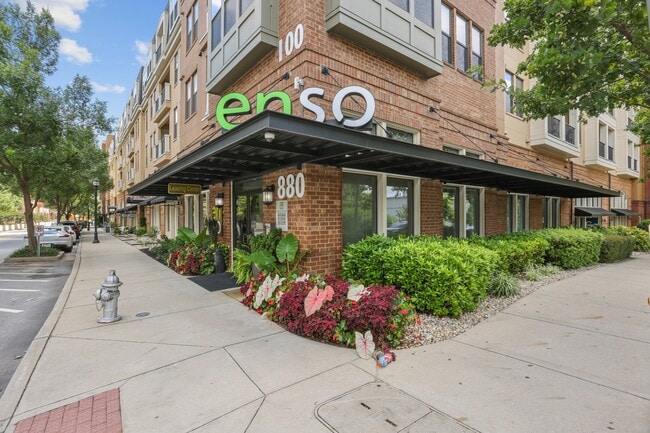
Residents can walk to their favorite businesses that line up the streets of Ormewood Park.
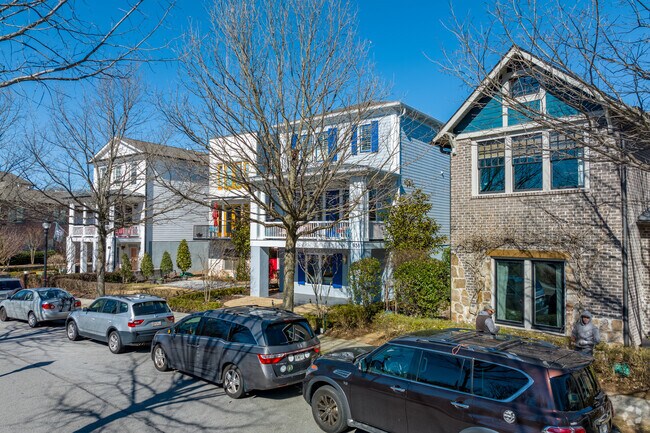
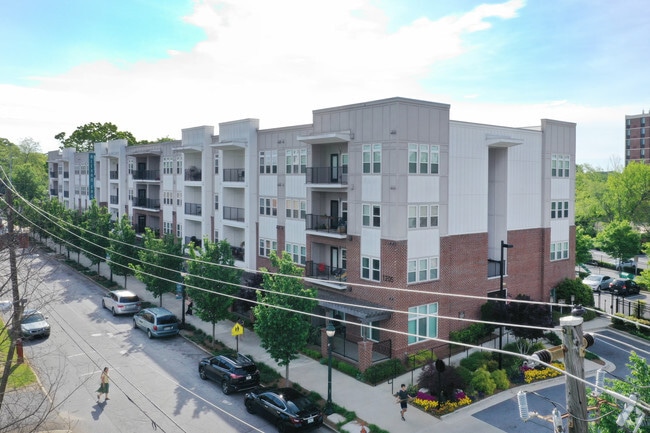
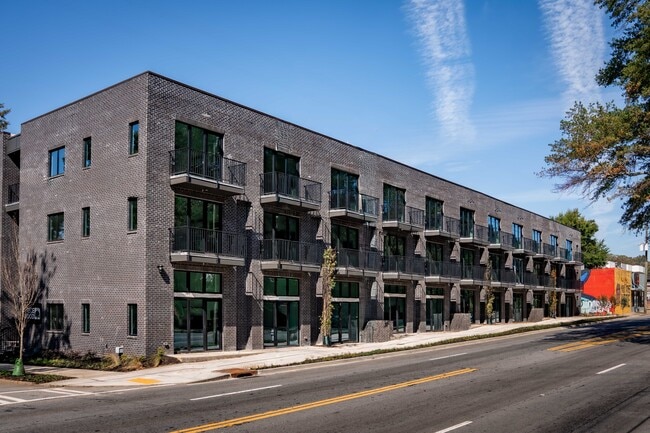
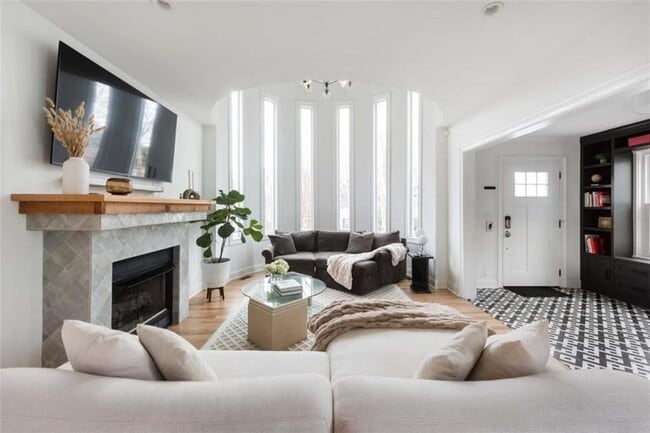
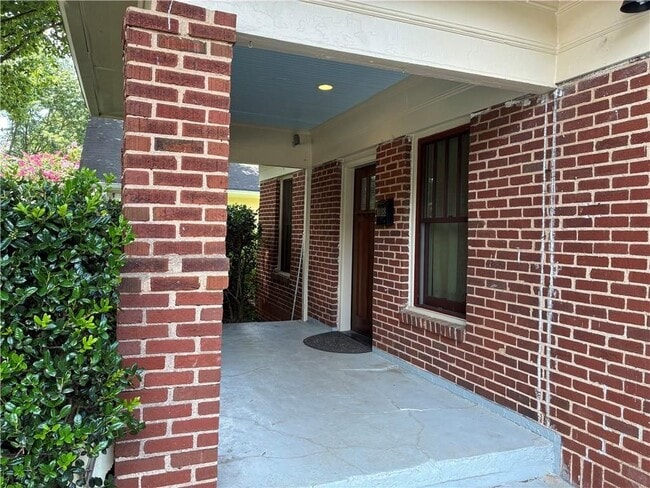
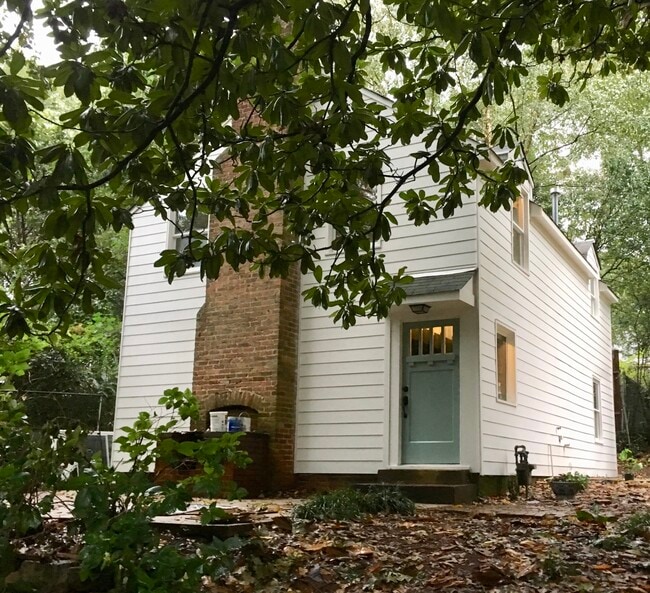
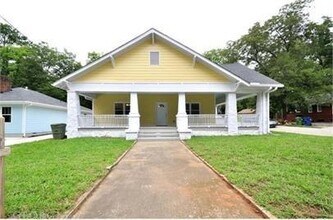
Home styles and ages vary widely in Atlanta's Ormewood Park neighborhood.
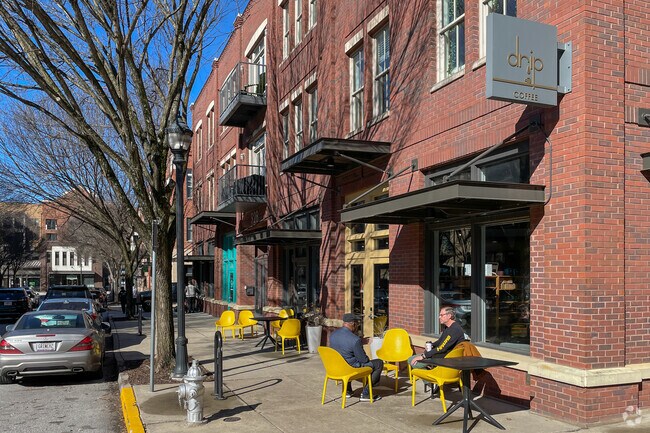
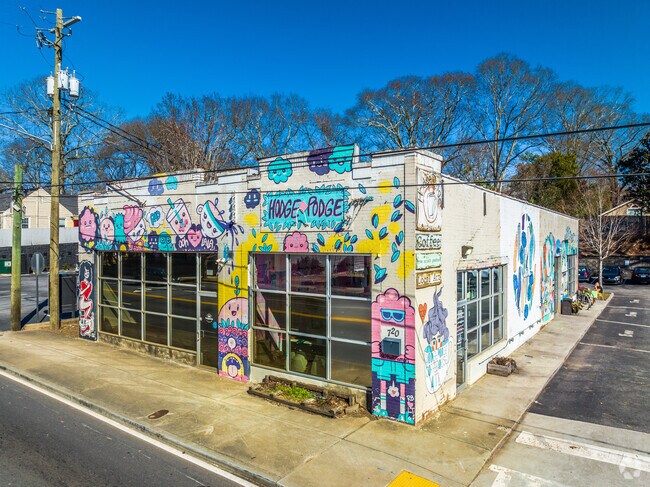
Hodgepodge Coffeehouse offers an iconic coffee experience in Ormewood Park.

Area Guide

Ormewood Park Atlanta, GA

A premier urban neighborhood in the heart of Georgia’s capital city

Urban Restaurants Commuter

Ormewood Park sits on Atlanta's east side, just across the Atlanta Beltline from historic Grant Park and a short drive from Downtown Atlanta. The neighborhood has a genuine residential feel, with tree-lined streets, a mix of bungalows and cottage-style homes, and a walkable commercial stretch near the Moreland and Woodland Avenue corridor. Nearby neighborhoods like East Atlanta Village and Glenwood Park are easy to reach, giving residents quick access to dining, coffee shops, and gathering spots without a long commute.

Rentals in Ormewood Park lean toward smaller-scale housing rather than high-rises. You'll find rental homes, cottage-style houses, and garden apartments tucked throughout the neighborhood. The Glenwood Park development on the northwest corner of the area also added townhomes and attached residences. Atlanta is home to Georgia State University and Georgia Tech, and both campuses are accessible from here by car or transit. The neighborhood holds an annual Ormewood Park Makers Festival, celebrating local artisans, live music, and hands-on workshops.

Explore the Neighborhood

Residents can walk to their favorite businesses that line up the streets of Ormewood Park.

Home styles and ages vary widely in Atlanta's Ormewood Park neighborhood.

Hodgepodge Coffeehouse offers an iconic coffee experience in Ormewood Park.

Always Breathe art work is located in East Atlanta Village of Ormewood Park.

The Atlanta BeltLine has artwork on the Ormewood Avenue overpass in Ormewood Park.

This mural welcomes people to Ormewood Park, established in 1892 in Atlanta, Georgia.

Rent Trends

As of June 2026, the average apartment rent in Ormewood Park is $1,404 for a studio, $1,673 for one bedroom, $2,185 for two bedrooms, and $3,161 for three bedrooms. Apartment rent in Ormewood Park has decreased by -4.7% in the past year.

  • Studio

  • 769 sq ft

    Average Sq Ft

  • $1,404/month

    Average Rent

  • 1 BR

  • 816 sq ft

    Average Sq Ft

  • $1,673/month

    Average Rent

  • 2 BR

  • 1,224 sq ft

    Average Sq Ft

  • $2,185/month

    Average Rent

  • 3 BR

  • 1,459 sq ft

    Average Sq Ft

  • $3,161/month

    Average Rent

Getting Around

Fairly Walkable

Walkability

50 / 100

Limited Public Transit

Transit

30 / 100

Very Drivable

Drivability

80 / 100

Fairly Bikeable

Bikeability

50 / 100

Daily Essentials

Supermarket Within a 20 Minute Walk

Groceries

40 / 100

Good Restaurant Variety Nearby

Restaurants

60 / 100

Fair Café Variety Nearby

Cafes

50 / 100

Fair Variety of Shops Nearby

Shopping

50 / 100

Recreation

Large Amount of Park Space Nearby

Parks

70 / 100

Fair Wellness Amenity Variety Nearby

Wellness

40 / 100

Local Vibe

Mostly Calm Atmosphere

Vibrancy

30 / 100

Limited Nightlife Variety Nearby

Nightlife

30 / 100

Not Noisy

Quiet Score

100 / 100

Reviews of Ormewood Park - Atlanta, GA

Niche Reviews Niche logo
5 2 Reviews

Current Resident

8 years and 7 months agoNiche Review

This is an incredible neighborhood. I only hope that it stays somewhat affordable with the Beltline development. Great neighbors, great location.

See All Reviews on Niche.com

Points of Interest

Parks and Recreation

  • Zoo Atlanta
  • Trees Atlanta
  • Trees Atlanta TreeHouse
  • The Georgia Capitol Museum
  • Park Pride

Commuter Rail

Airports

  • Hartsfield - Jackson Atlanta International

Top Apartments in Ormewood Park

Houses for Rent in Ormewood Park

Living in Ormewood Park

History

-

Ormewood Park has been a residential neighborhood since 1892, when developer Samuel W. Goode and Company subdivided roughly 100 acres and put the lots on the market. A trolley line extension built in 1891 by the Metropolitan Street Railroad Company helped connect the area to the rest of the city, running along Underwood Avenue and linking to lines that headed toward downtown. That original route can still be traced by looking at the sharp building angles at the corner of Woodland and Delaware Avenues.

The housing stock that makes Ormewood Park recognizable today came in waves. Victorian cottages and Craftsman bungalows from the early 20th century share blocks with catalog homes built after World War I and brick ranch-style houses from the late 1950s and early 1960s. Walking through the neighborhood, you can spot all of these eras side by side. A former school building in the heart of the neighborhood, originally built as Anne E. West Elementary, has been repurposed as the middle school campus of the Neighborhood Charter School, giving one of the area's older structures a new purpose.

Restaurants

-

Ormewood Park and the surrounding East Atlanta area offer a good range of dining options for day-to-day eating. The commercial corridor along Moreland Avenue and the nearby East Atlanta Village bring in casual spots serving Southern-style plates, American comfort food, and wood-fired pizza. Tacos and Mexican street food are easy to find, along with spots serving craft burgers and sandwiches. The neighborhood's proximity to Grant Park means residents can also take advantage of the dining scene along Memorial Drive, which includes well-known spots for brunch and neighborhood staples that have served the area for years.

For coffee, the corridor around Glenwood Park has attracted neighborhood cafes. Atlanta's food scene more broadly offers something for most tastes, from Korean barbecue and ramen in the nearby Buford Highway corridor to Ethiopian cuisine in the Decatur area, all within a reasonable drive.

Transportation

-

Getting around from Ormewood Park is straightforward whether you drive, ride, or walk. Interstate 20 runs just north of the neighborhood, providing a direct connection to Downtown Atlanta in about 10 to 15 minutes by car. Moreland Avenue is the main commercial artery and connects the area north to Little Five Points and south toward the airport corridor. MARTA bus service runs along key corridors in the area, and the King Memorial MARTA rail station is within a short drive.

The Atlanta Beltline borders the western edge of the neighborhood, offering a paved multi-use trail that connects walkers, joggers, and cyclists to a growing loop around the city. The Beltline's Southside Trail segment is expanding in this part of Atlanta, which will improve non-motorized access to nearby neighborhoods. The neighborhood scores fairly on bikeability, with Moreland Avenue and some side streets connecting to the broader PATH trail network.

Parks

-

Ormewood Park has a good amount of green space relative to its size. The neighborhood has its own small park and tree-covered streets that give it a leafy, residential feel. Directly to the west, separated by the Atlanta Beltline corridor, Grant Park offers 131 acres of open green space including walking paths, picnic areas, sports fields, and Zoo Atlanta, which has operated in the park since 1889. The Atlanta Cyclorama painting, which depicts the Battle of Atlanta, was formerly housed in Grant Park before relocating to the Atlanta History Center in Buckhead, where it reopened in 2019.

Brownwood Park in the nearby Boulevard Heights area provides additional recreational space with open fields and a playground. Farther afield, Stone Mountain Park, a state park with hiking trails, a lake, and open-air events, is about 20 to 25 minutes east by car. The Atlanta Botanical Garden and Piedmont Park in Midtown are both reachable in under 20 minutes.

Cost

-

Average rent in the Ormewood Park area ranges from around $1,290 for a studio to approximately $1,735 for a three-bedroom unit, in line with broader Atlanta pricing. Atlanta's overall cost of living sits about 5.4 percent below the national average, with housing costs notably lower than the national benchmark. Groceries and utilities track close to national averages, while transportation costs run slightly above. Atlanta's economy is anchored by major employers across tech, logistics, film production, and communications, with several Fortune 500 company headquarters based in the metro area.

Shopping

-

Shopping in and around Ormewood Park centers on small commercial corridors rather than large malls. The Ormewood and Moreland Avenue intersection, which follows the old trolley right-of-way, anchors the neighborhood's retail presence with a mixed-use development offering local businesses and service-oriented retail. East Atlanta Village, just minutes away, has a concentrated strip of independent shops, record stores, and small boutiques that have been fixtures of the area for years.

Glenwood Park, on the northwest edge of Ormewood Park, includes ground-floor retail as part of its mixed-use design. For larger shopping needs, residents have easy access to Ponce City Market in the Old Fourth Ward, a converted historic building housing retail, dining, and a rooftop experience, and to Decatur's downtown square, which offers a mix of local bookstores, specialty shops, and a well-known farmers market on Saturdays.

Highlights

-

Ormewood Park offers a well-preserved mix of Victorian cottages, Craftsman bungalows, and catalog homes from the early 20th century, all within walking distance of the Atlanta Beltline and a short drive from Downtown Atlanta and Zoo Atlanta's 131-acre Grant Park.

Search Nearby Rentals

Methodology

† Our analysis of utilities, groceries, transportation, healthcare, home prices, and other goods and services is sourced from the Cost of Living Index, a respected benchmark published by the Council for Community and Economic Research (C2ER) that provides a thorough overview of living expenses across different regions.

Rent data is provided by CoStar Group’s Market Trend reports. As the industry leader in commercial real estate information, analytics, and news, CoStar conducts extensive research to produce and maintain a comprehensive database of commercial real estate information. We combine this data with public record to provide the most up-to-date rental information available.

Consumer goods, services, and home prices are sourced from the Cost of Living Index published by the Council for Community and Economic Research (C2ER). The data on this page is updated quarterly. It was last published in June 2026.

Demographic information comes from Neustar and combines detailed address data with U.S. Census and American Community Survey statistics to produce reliable local estimates.