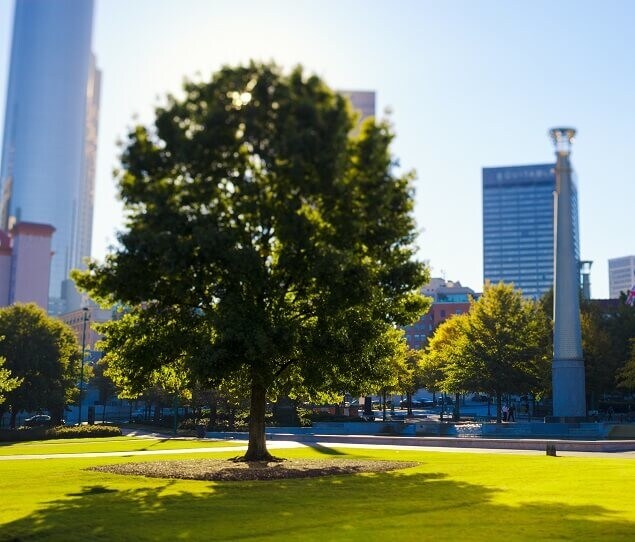
Centennial Olympic Park was built for the 1996 summer Olympics and covers 21 acres
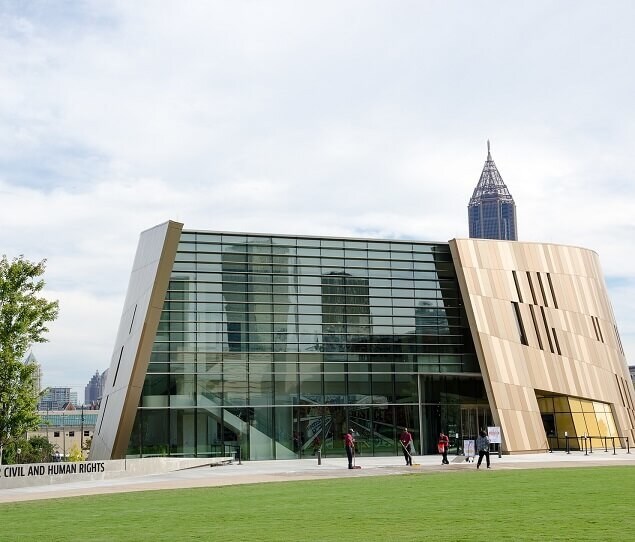
The National Center for Civil and Human Rights was established in 2007
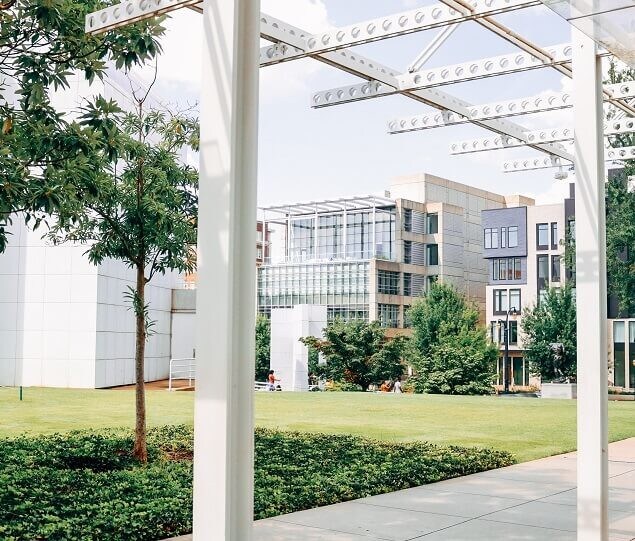
The High Museum of Art includes a permanent collection of more than 15,000 works of art
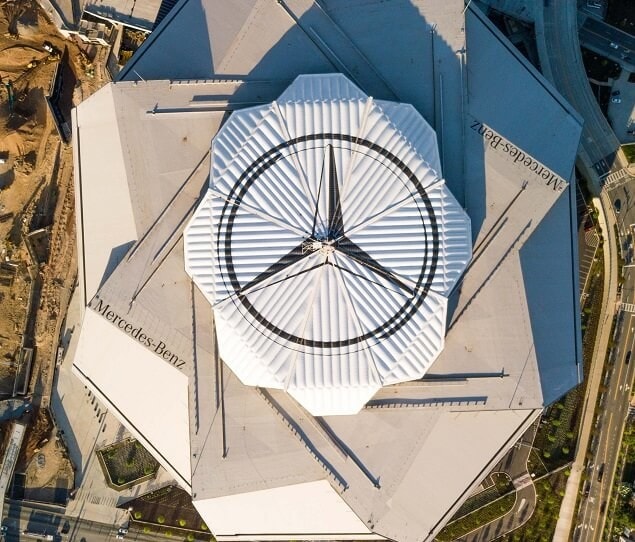
The Mercedes Benz Stadium achieved LEED Platinum status with the highest score ever for a sports venue

Area Guide

Downtown Atlanta Atlanta, GA

The heart of Atlanta is peachy

Walkable Mass Transit Artistic

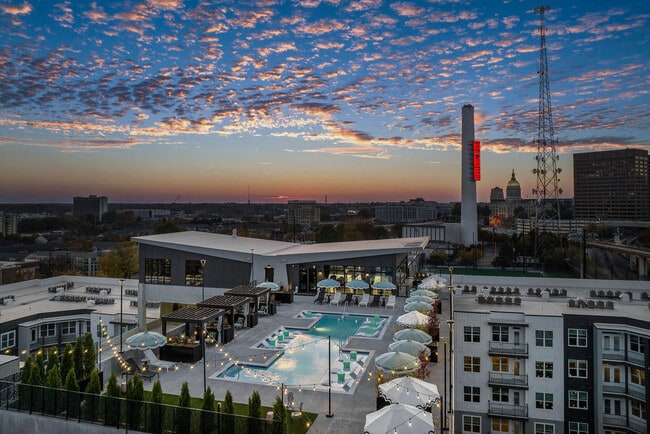
Downtown Atlanta is the beating core of Georgia's capital, where gleaming high-rises stand alongside century-old architecture and nearly every daily errand is within easy walking distance. The neighborhood sits just south of Midtown Atlanta and north of the broader metro, putting residents close to the city's arts corridors, transit hubs, and major employers without requiring a car. Grocery stores, cafes, and restaurants are steps away, and the energy here runs well into the evening, fueled by entertainment venues, sports arenas, and gathering spaces.

The neighborhood is home to some of Atlanta's most recognized institutions: the Georgia Aquarium, the World of Coca-Cola, and the National Center for Civil and Human Rights all sit at Pemberton Place, while Mercedes-Benz Stadium and State Farm Arena draw crowds year-round. Georgia State University holds a strong presence here as well, contributing to a steady, active street life across all seasons.

Explore the Neighborhood

The National Center for Civil and Human Rights was established in 2007

The High Museum of Art includes a permanent collection of more than 15,000 works of art

The Mercedes Benz Stadium achieved LEED Platinum status with the highest score ever for a sports venue

Centennial Olympic Park and the SkyView Ferris Wheel draw locals and tourists alike.

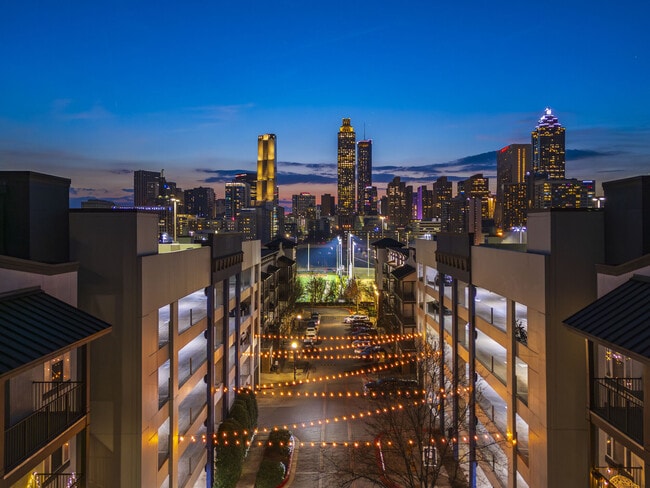
Peachtree St in Downtown Atlanta holds an iconic view.

Locals rely on MARTA for everyday commuting.

Rent Trends

As of September 2026, the average apartment rent in Downtown Atlanta is $1,373 for a studio, $1,682 for one bedroom, $2,092 for two bedrooms, and $2,363 for three bedrooms. Apartment rent in Downtown Atlanta has increased by 4.8% in the past year.

  • Studio

  • 571 sq ft

    Average Sq Ft

  • $1,373/month

    Average Rent

  • 1 BR

  • 757 sq ft

    Average Sq Ft

  • $1,682/month

    Average Rent

  • 2 BR

  • 1,121 sq ft

    Average Sq Ft

  • $2,092/month

    Average Rent

  • 3 BR

  • 1,246 sq ft

    Average Sq Ft

  • $2,363/month

    Average Rent

Learn More About Downtown Atlanta

Getting Around

Exceptionally Walkable

Walkability

90 / 100

Exceptional Public Transit

Transit

90 / 100

Moderately Drivable

Drivability

60 / 100

Moderately Bikeable

Bikeability

60 / 100

Daily Essentials

Supermarket Within a 5 Minute Walk

Groceries

90 / 100

Exceptional Restaurant Variety Nearby

Restaurants

100 / 100

Exceptional Café Variety Nearby

Cafes

100 / 100

Exceptional Variety of Shops Nearby

Shopping

90 / 100

Recreation

Very Large Amount of Park Space Nearby

Parks

80 / 100

Good Wellness Amenity Variety Nearby

Wellness

70 / 100

Local Vibe

Vibrant Atmosphere

Vibrancy

70 / 100

Exceptional Nightlife Variety Nearby

Nightlife

100 / 100

Points of Interest

Parks and Recreation

  • Imagine It! The Children's Museum of Atlanta
  • Georgia Aquarium
  • The Georgia Capitol Museum
  • Park Pride
  • Georgia Conservancy

Commuter Rail

Airports

  • Hartsfield - Jackson Atlanta International

Top Apartments in Downtown Atlanta

Houses for Rent in Downtown Atlanta

Living in Downtown Atlanta

History

-

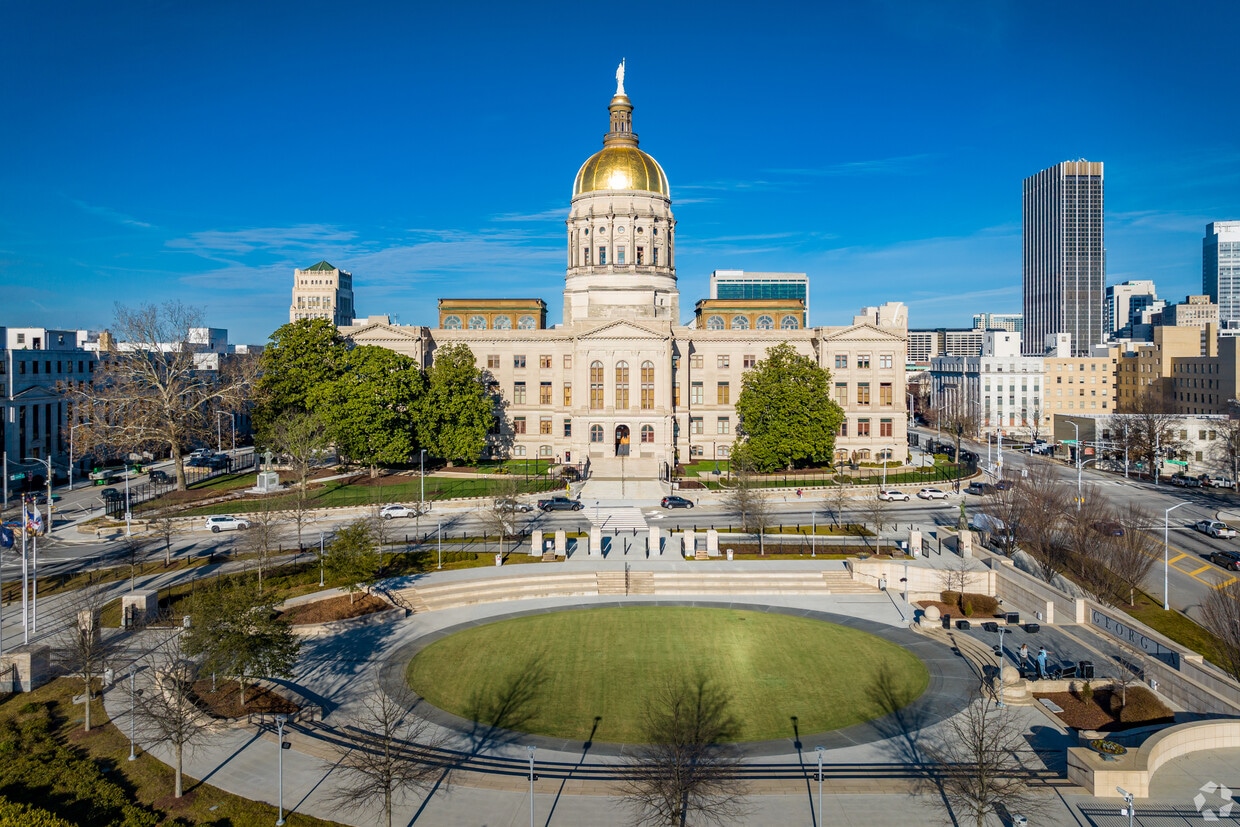
Few blocks in Atlanta carry as much civic weight as those surrounding the gold-domed Georgia State Capitol, which remains an active seat of government and opens its Georgia Capitol Museum to self-guided and guided visitors. The dome's gleam is one of the most recognizable sights on the city's skyline and has stood as an architectural anchor of the area for well over a century.

Centennial Olympic Park offers a more recent chapter in that story. Built to host the 1996 Summer Olympics, the park preserves the 1996 Olympic Rings statue and the Fountain of Rings as permanent reminders of the city's turn on the world stage. That moment reshaped Downtown Atlanta physically and culturally, spurring a wave of investment that continues to define the neighborhood's environment today.

Restaurants

-

Dining options in Downtown Atlanta span an exceptional range, from quick counter service to full-service restaurants open late into the night. The concentration of visitors around Pemberton Place and the sports venues along the western edge of the neighborhood has encouraged a dense mix of cuisines, including Southern comfort cooking, wood-fired fare, and internationally influenced menus drawing from Latin American and Mediterranean traditions.

Cafes are plentiful enough that a morning coffee is rarely more than a short walk away, and the nightlife and bar scene here ranks among the most active in the city. The neighborhood rewards those who are willing to explore beyond the tourist corridors, where smaller spots serving everything from hand-crafted ramen to Caribbean-style plates add depth to the local dining landscape.

Transportation

-

Downtown Atlanta is exceptionally well served by public transit, with MARTA heavy rail and bus lines converging at Five Points station, making it one of the most connected spots in the entire metro. The Atlanta Streetcar runs through the Downtown corridor as well, adding a surface-level option for shorter hops between key destinations. For those heading to the airport, Hartsfield-Jackson Atlanta International is roughly 12 miles away and about 20 minutes by rail, a convenience that is hard to overstate.

On foot, the neighborhood is among the most walkable in the city. Short blocks, consistent sidewalk coverage, and a dense concentration of daily services mean that most errands require no vehicle at all. Biking is a reasonable option for longer trips within the core, and I-75, I-85, and I-20 all converge nearby for residents who do drive, though peak-hour congestion on those corridors is a known part of Atlanta life.

Parks

-

Centennial Olympic Park is located on the western edge of the neighborhood with open lawns, the iconic Fountain of Rings splash pad, and the towering SkyView Atlanta Ferris Wheel, whose air-conditioned gondolas offer a panoramic view of the skyline. The park serves as both a community gathering space and a major event venue throughout the year.

Beyond that central green space, the neighborhood connects to the broader Atlanta park network through the Atlanta Beltline, a rail-corridor-turned-multiuse trail that links Downtown to dozens of surrounding neighborhoods. When the full 22-mile loop is completed in 2030, it will tie together more than 45 communities and create one of the largest urban greenway systems in the country. Park space overall in the area is substantial, with proximity to trails, plazas, and recreational areas that make getting outside a natural part of daily life.

Cost

-

Atlanta's overall cost of living runs below the national average, with housing costs in particular coming in notably lower than what comparable urban neighborhoods command in many other major metros. Downtown Atlanta sits within that broader market, offering renters access to a dense, walkable urban core at a relative value compared to similarly positioned urban cities.

Shopping

-

Shopping in Downtown Atlanta ranges from convenience retail steps from major transit stations to destination-level attractions drawing visitors from across the metro. The neighborhood's density means that everyday needs, including groceries and pharmacy runs, are covered within a short walk for most residents.

The broader Atlanta retail network is easily accessible from here, with Ponce City Market along the Beltline corridor and the luxury corridors of Buckhead reachable via MARTA or a short drive. Within the neighborhood itself, shopping options are woven into mixed-use developments alongside dining and entertainment, reflecting Downtown's evolution into a place where people live, work, and spend time rather than simply pass through.

Search Nearby Rentals

Methodology

† Our analysis of utilities, groceries, transportation, healthcare, home prices, and other goods and services is sourced from the Cost of Living Index, a respected benchmark published by the Council for Community and Economic Research (C2ER) that provides a thorough overview of living expenses across different regions.

Rent data is provided by CoStar Group’s Market Trend reports. As the industry leader in commercial real estate information, analytics, and news, CoStar conducts extensive research to produce and maintain a comprehensive database of commercial real estate information. We combine this data with public record to provide the most up-to-date rental information available.

Consumer goods, services, and home prices are sourced from the Cost of Living Index published by the Council for Community and Economic Research (C2ER). The data on this page is updated quarterly. It was last published in September 2026.

Demographic information comes from Neustar and combines detailed address data with U.S. Census and American Community Survey statistics to produce reliable local estimates.