Best Neighborhoods in Omaha, NE for Renters
Don't know where to start your Omaha rental search? Here are five Omaha neighborhoods perfect for renters.



Avg Rent
$1,109
Population
428,961
Renter Mix
48% Rent
Omaha has been a Midwest leader since 1854, and the city still carries that same forward-moving energy. Since early American expeditions, Omaha, with its position along the Missouri River, has provided the country with continental railroads and shipping hubs. While times have changed since the 1850s, Omaha still brings this innovative thinking into everyday life.
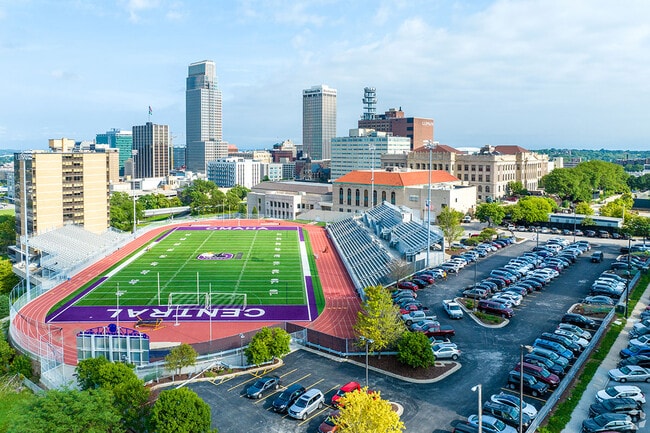
The Old Market neighborhood draws crowds with its converted warehouse shops, galleries, and restaurants tucked along cobblestone streets, while the Blackstone District has grown into a spot for inventive dining and nightlife. Midtown Crossing surrounds Turner Park, and Aksarben Village connects residents to Stinson Park's trail networks and live concerts. The University of Nebraska at Omaha anchors the Aksarben area, and every summer the city welcomes the College World Series, a tradition that fills Charles Schwab Field with energy.
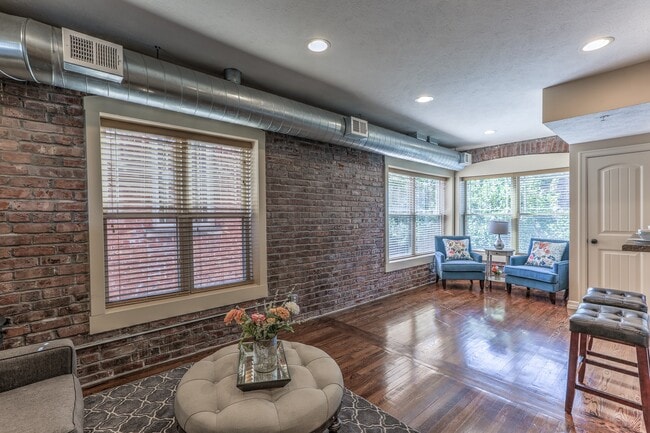
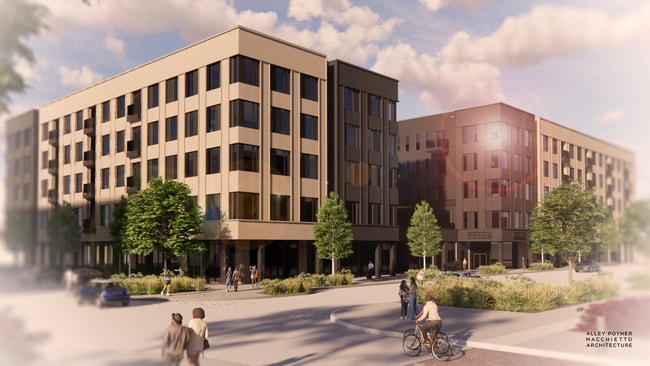
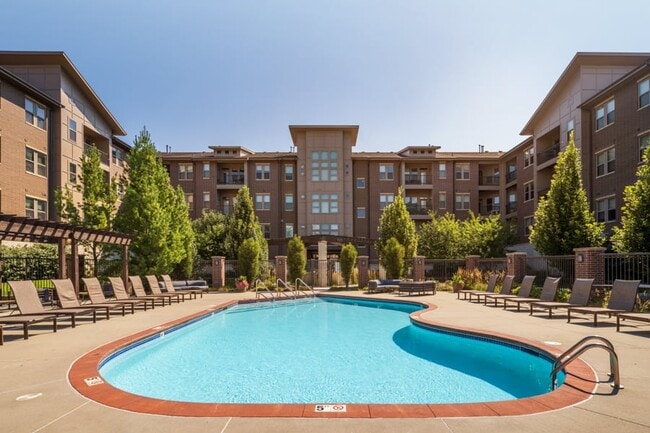
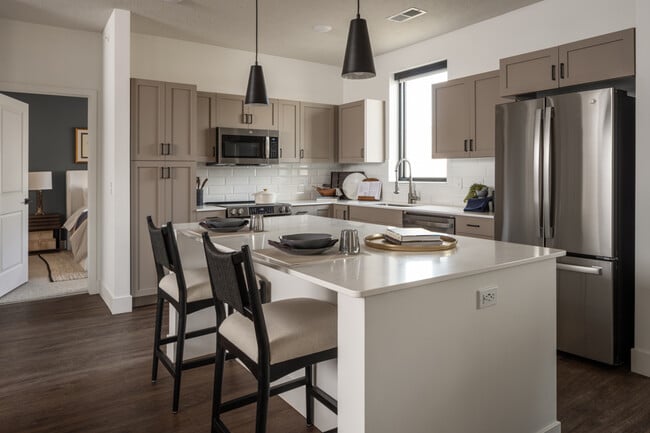
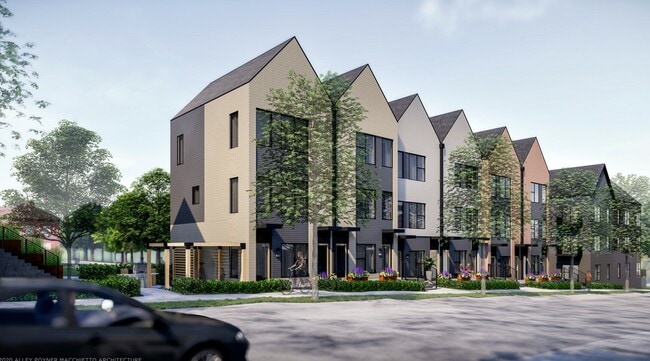
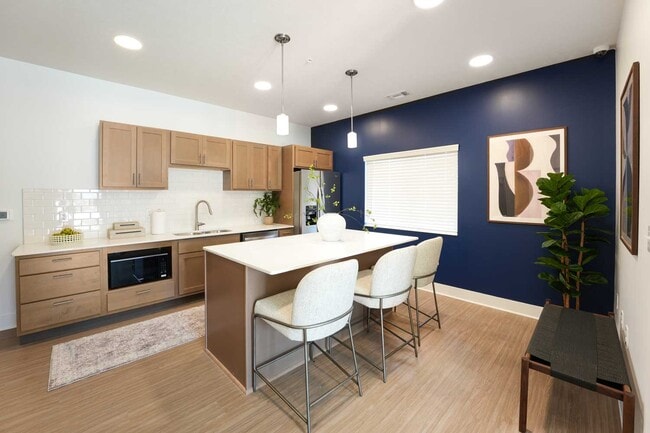
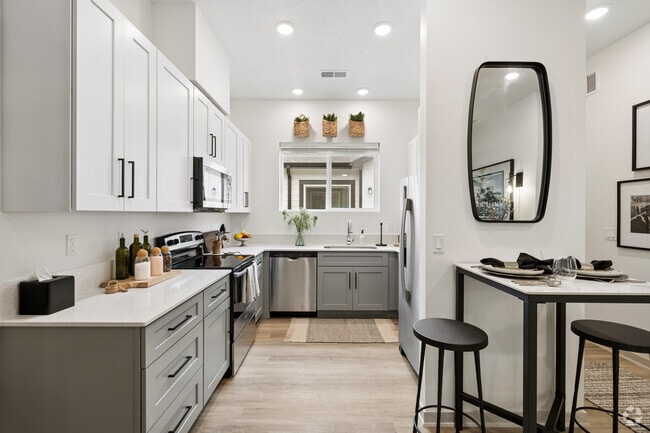
The rental market reflects the city's range, from loft-style apartment communities and modern townhomes in pedestrian-friendly neighborhoods to high-rises near Downtown and NoDo. Walkable streets, the ORBT rapid transit line along Dodge Street, and quick access to Interstates 80, 480, and 680 keep commutes manageable across the city. Whether you want a quiet suburban spot or a front-row seat to the action, Omaha delivers.
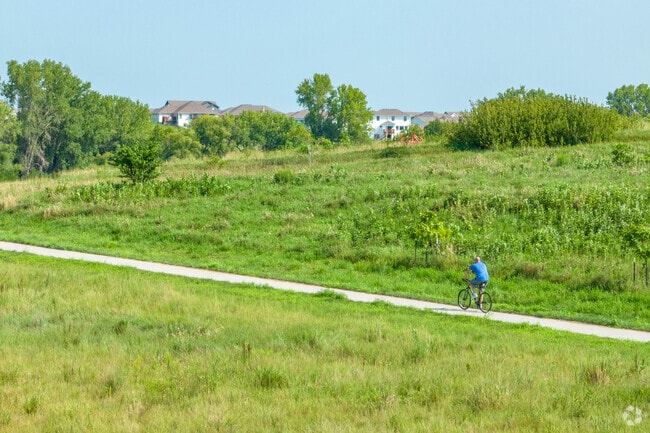
Flanagan Lake has miles of trails.
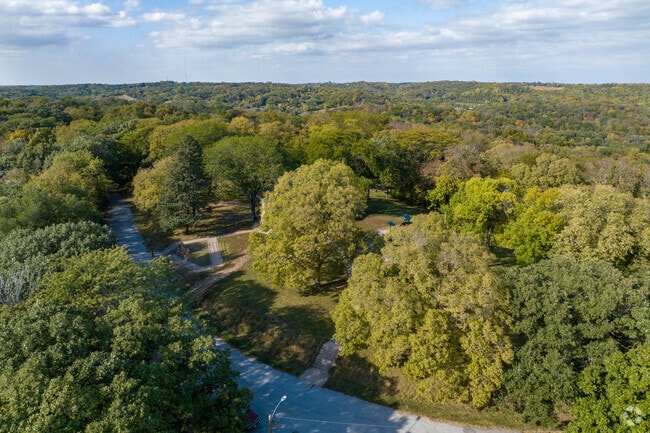
Hummel Park is 202 acres of green space near the Missouri River.
Art in the center of the Lumberyard District.
Flanagan Lake is one of the largest lakes in the greater Omaha area.
Neale Woods is a great place for a nature walk.
Flanagan Lake & Recreation Area features a 220-acre lake.
Median Household Income
$61,697
Average: $84,566
Education
124,901
Residents Have a Degree
Job Market
227,295
Workers Employed
Median Age
36 Years
Largest Age Group
25-34 Years
Approximately 15% of Residents
Under 20
26%
Over 65
16%
Housing Distribution
Omaha has more homeowners than renters.

Education Distribution
Review this city's overall education levels.

As of September 2026, the average apartment rent in Omaha, NE is $1,024 for a studio, $1,107 for one bedroom, $1,422 for two bedrooms, and $1,760 for three bedrooms. Apartment rent in Omaha has increased by 0.9% in the past year.
The cost of living in Omaha, NE is 10.0% lower than the national average. Generally, housing in Omaha is 19.7% less expensive than the national average, with rent falling between $1,024 - $1,760. You can expect to pay 0.6% less for groceries, 13.9% less for utilities, and 11.7% less for transportation.
Compare Cities

Best Neighborhoods in Omaha, NE for Renters
Don't know where to start your Omaha rental search? Here are five Omaha neighborhoods perfect for renters.
Five Most Affordable Neighborhoods in Omaha, NE
With our shortlist of 5 budget-friendly neighborhoods, you can find an Omaha apartment that won't break the bank.

Questions to Ask When Touring an Apartment Virtually
Know what to ask during a virtual tour, from water pressure to neighborhood details.
Explore how walkable, bikeable, drivable, and transit-friendly Omaha, NE is for everyday living.
Fairly Walkable
Walkability
Limited Public Transit
Transit
Exceptionally Drivable
Drivability
Fairly Bikeable
Bikeability

West Dodge Station Elementary School
Public
Grades PK-5
434 Students

Public
Grades PK-5
321 Students
Public
Grades PK-5
664 Students

Public
Grades PK-5
633 Students
Public
Grades PK-5
555 Students
Public
Grades 6-8
863 Students
Public
Grades 6-8
679 Students
Public
Grades 6-8
576 Students
Elkhorn Grandview Middle School
Public
Grades 6-8
520 Students
Public
Grades 6-8
1,011 Students

Public
Grades 9-12
1,434 Students
Public
Grades 9-12
2,344 Students
Public
Grades 9-12
1,050 Students
Public
Grades 9-12
769 Students
Public
Grades 9-12
2,572 Students

 The GreatSchools Rating helps parents compare schools within a state based on a variety of school quality indicators and provides a helpful picture of how effectively each school serves all of its students. Ratings are on a scale of 1 (below average) to 10 (above average) and can include test scores, college readiness, academic progress, advanced courses, equity, discipline and attendance data. We also advise parents to visit schools, consider other information on school performance and programs, and consider family needs as part of the school selection process.
View GreatSchools Rating Methodology
Data provided by
GreatSchools.org
© 2026. All rights reserved.
The GreatSchools Rating helps parents compare schools within a state based on a variety of school quality indicators and provides a helpful picture of how effectively each school serves all of its students. Ratings are on a scale of 1 (below average) to 10 (above average) and can include test scores, college readiness, academic progress, advanced courses, equity, discipline and attendance data. We also advise parents to visit schools, consider other information on school performance and programs, and consider family needs as part of the school selection process.
View GreatSchools Rating Methodology
Data provided by
GreatSchools.org
© 2026. All rights reserved.
† Our analysis of utilities, groceries, transportation, healthcare, home prices, and other goods and services is sourced from the Cost of Living Index, a respected benchmark published by the Council for Community and Economic Research (C2ER) that provides a thorough overview of living expenses across different regions.
Rent data is provided by CoStar Group’s Market Trend reports. As the industry leader in commercial real estate information, analytics, and news, CoStar conducts extensive research to produce and maintain a comprehensive database of commercial real estate information. We combine this data with public record to provide the most up-to-date rental information available.
Consumer goods, services, and home prices are sourced from the Cost of Living Index published by the Council for Community and Economic Research (C2ER). The data on this page is updated quarterly. It was last published in September 2026.
Demographic information comes from Neustar and combines detailed address data with U.S. Census and American Community Survey statistics to produce reliable local estimates.