Median Age
39 Years
Largest Age Group
30-39 Years
Approximately 16% of Residents
Under 20
23%
Over 65
21%

Avg Rent
$979
Population
6,277
Renter Mix
40% Rent
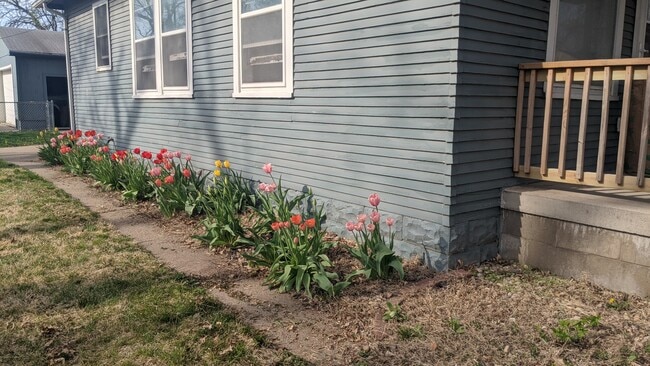
Tucked inside the metro yet standing on its own, Ralston is a small Nebraska city that Omaha practically wraps its arms around — and that central location is a serious draw. Spanning just two square miles, it sits roughly five miles southwest of downtown Omaha, putting major employers, entertainment, and dining within an easy drive. Ralston Arena anchors the local scene with USHL hockey, concerts, and live events throughout the year. Green space is plentiful, with Ralston Park offering trails, ball fields, and picnic areas, while nearby Seymour Smith Park adds a skate park and sports courts to the mix. Shops and everyday essentials line the main corridors, keeping errands close to home.
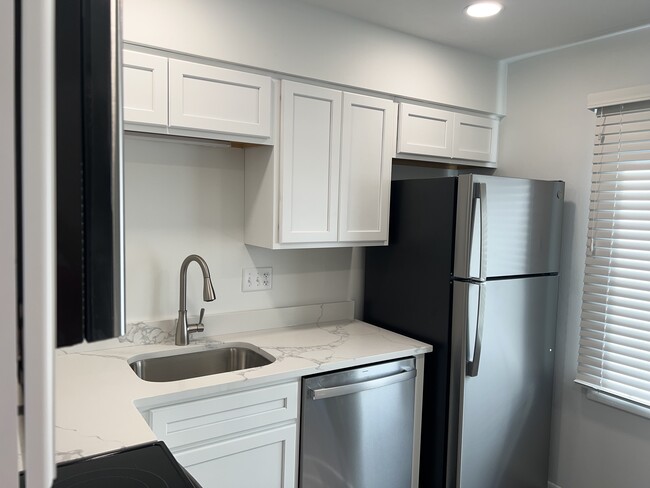
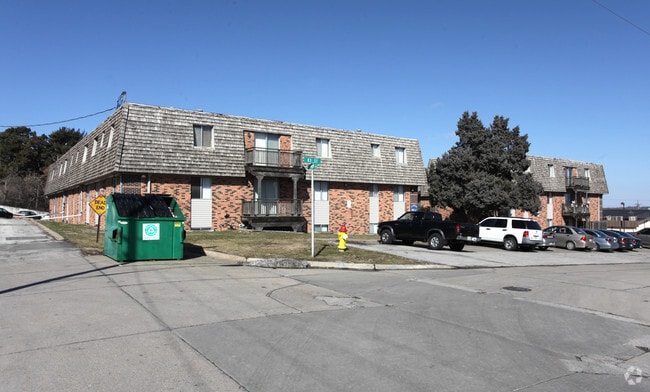
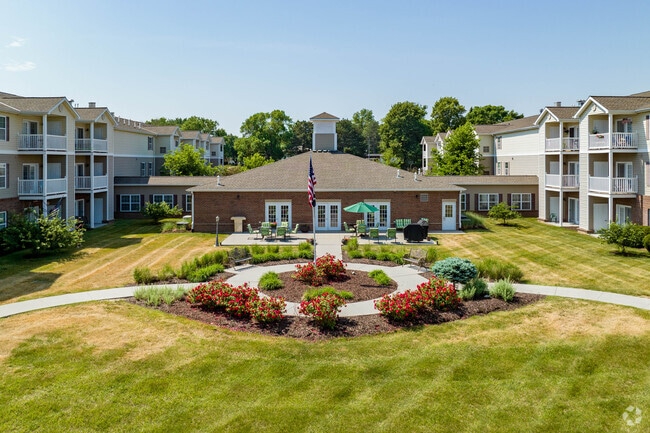
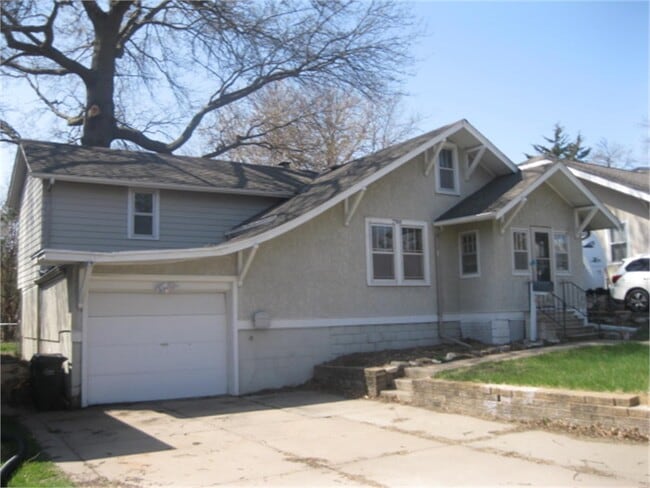
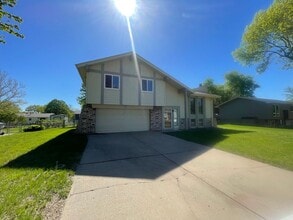
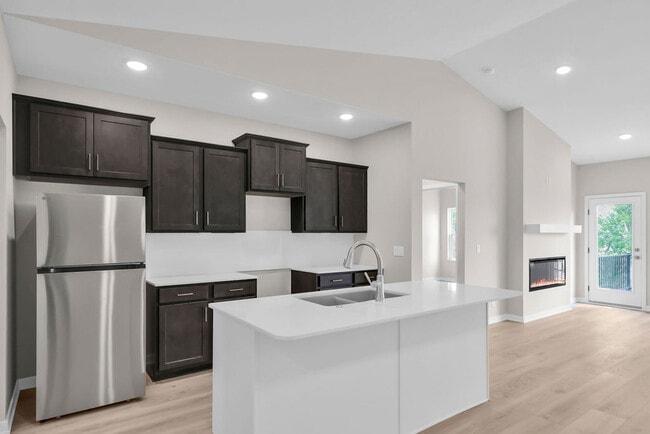
The rental landscape here leans toward accessible apartment communities and garden-style units that offer more square footage than you'd typically find closer to the city core. The city's founding dates to 1907, when land once owned by Omaha newspaper editor George L. Miller was sold and platted — a piece of local history that gives Ralston a character all its own. Whether you're drawn in by the low-key pace or the straightforward access to everything Omaha has to offer, this under-the-radar spot delivers on both fronts.
Median Household Income
$65,087
Average: $80,257
Education
1,553
Residents Have a Degree
Job Market
3,446
Workers Employed
Median Age
39 Years
Largest Age Group
30-39 Years
Approximately 16% of Residents
Under 20
23%
Over 65
21%
Housing Distribution
Ralston has more homeowners than renters.

Education Distribution
Review this city's overall education levels.

As of September 2026, the average apartment rent in Ralston, NE is $815 for a studio, $983 for one bedroom, $1,244 for two bedrooms, and $1,435 for three bedrooms. Apartment rent in Ralston has increased by 1.3% in the past year.
Explore how walkable, bikeable, drivable, and transit-friendly Ralston, NE is for everyday living.
Fairly Walkable
Walkability
Limited Public Transit
Transit
Exceptionally Drivable
Drivability
Fairly Bikeable
Bikeability

Public
Grades PK-5
286 Students

Public
Grades PK-5
303 Students

Public
Grades 6-8
488 Students

Public
Grades 9-12
1,024 Students

 The GreatSchools Rating helps parents compare schools within a state based on a variety of school quality indicators and provides a helpful picture of how effectively each school serves all of its students. Ratings are on a scale of 1 (below average) to 10 (above average) and can include test scores, college readiness, academic progress, advanced courses, equity, discipline and attendance data. We also advise parents to visit schools, consider other information on school performance and programs, and consider family needs as part of the school selection process.
View GreatSchools Rating Methodology
Data provided by
GreatSchools.org
© 2026. All rights reserved.
The GreatSchools Rating helps parents compare schools within a state based on a variety of school quality indicators and provides a helpful picture of how effectively each school serves all of its students. Ratings are on a scale of 1 (below average) to 10 (above average) and can include test scores, college readiness, academic progress, advanced courses, equity, discipline and attendance data. We also advise parents to visit schools, consider other information on school performance and programs, and consider family needs as part of the school selection process.
View GreatSchools Rating Methodology
Data provided by
GreatSchools.org
© 2026. All rights reserved.
† Our analysis of utilities, groceries, transportation, healthcare, home prices, and other goods and services is sourced from the Cost of Living Index, a respected benchmark published by the Council for Community and Economic Research (C2ER) that provides a thorough overview of living expenses across different regions.
Rent data is provided by CoStar Group’s Market Trend reports. As the industry leader in commercial real estate information, analytics, and news, CoStar conducts extensive research to produce and maintain a comprehensive database of commercial real estate information. We combine this data with public record to provide the most up-to-date rental information available.
Consumer goods, services, and home prices are sourced from the Cost of Living Index published by the Council for Community and Economic Research (C2ER). The data on this page is updated quarterly. It was last published in September 2026.
Demographic information comes from Neustar and combines detailed address data with U.S. Census and American Community Survey statistics to produce reliable local estimates.