Maspeth

Background Image

Maspeth, NY Area Guide

Maspeth’s quiet community is music to many people’s ears!

Culture Diverse Restaurants Shopping New York

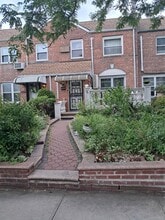
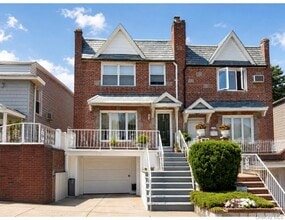
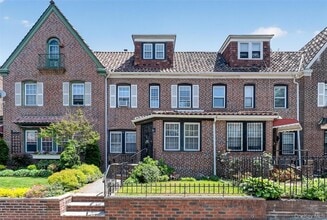
Maspeth is a residential and commercial neighborhood in Queens with roots going back to the early 17th century, when Dutch and English settlers first established a community here — the neighborhood's name itself is drawn from the Mespeatches, a Native American tribe that once called this part of Long Island home. Sitting at the western edge of Queens, Maspeth borders Woodside, Sunnyside, Ridgewood, and Middle Village, placing it within easy reach of several distinct pockets of the borough. The area has a grounded, working-class character, with low-rise homes, local businesses, and tree-lined blocks that feel removed from the intensity of central Manhattan while still connected to it.

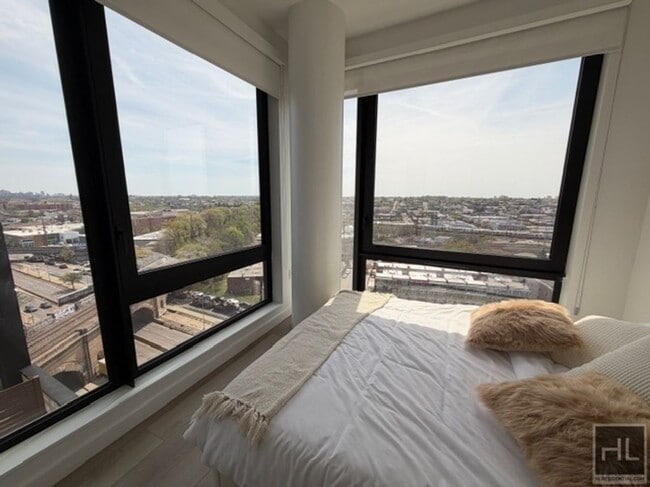
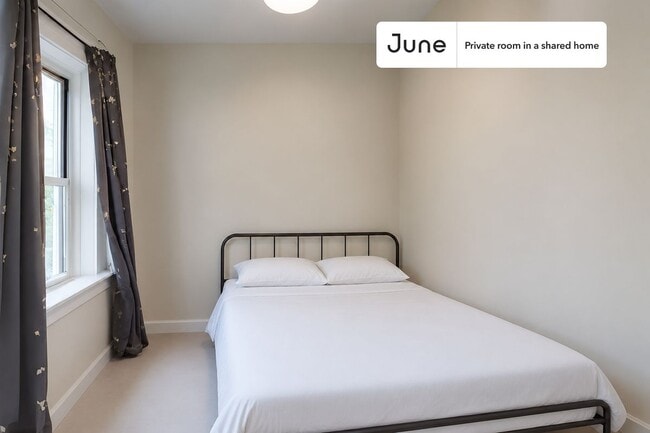
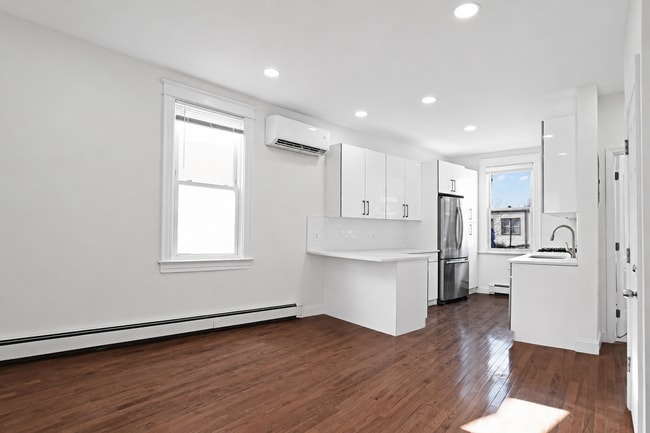
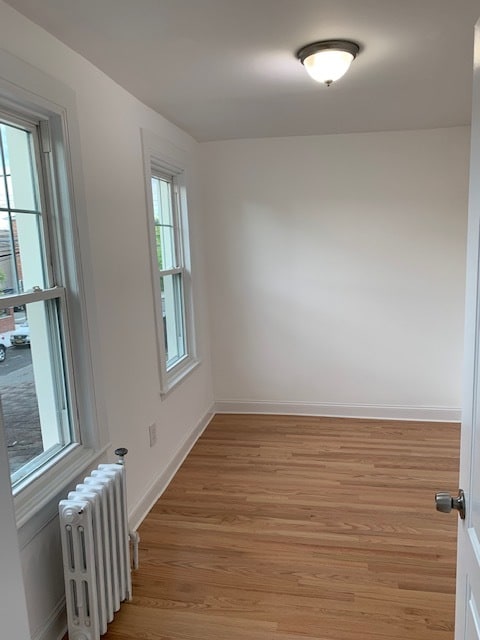
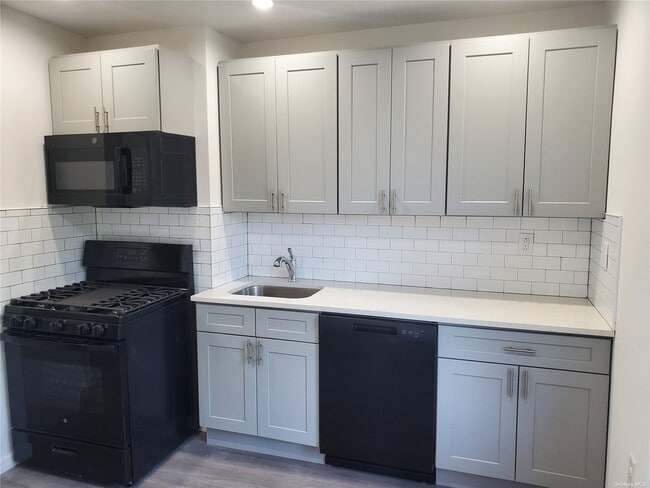
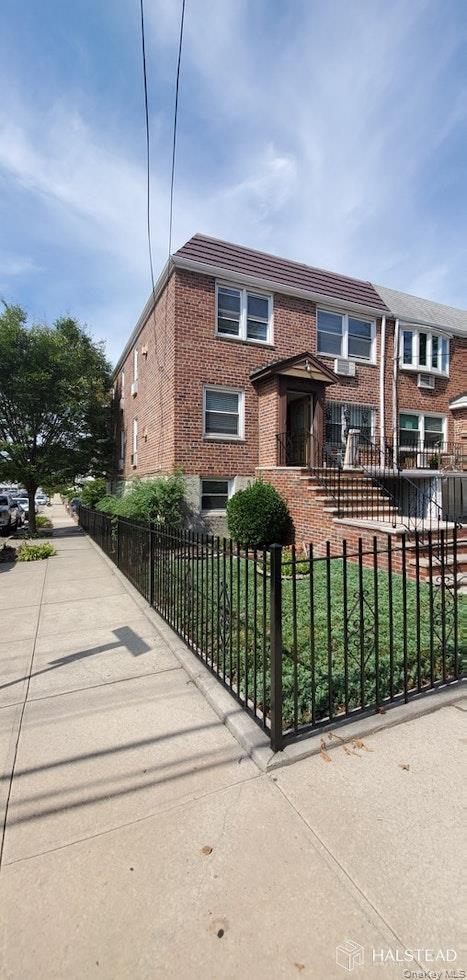
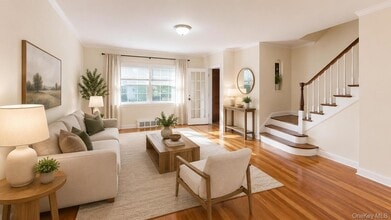
Renters here find a mix of attached row houses, two-family homes, and smaller apartment communities, making it a solid option for those who want more space without moving far from the city core. The nearby Brooklyn-Queens Expressway and multiple bus routes offer practical commuting options. Maspeth lacks the high-rise density of Long Island City or Astoria but compensates with quieter streets and a tight-knit neighborhood feel that many residents across Queens actively seek out.

Explore the City

Demographics

Median Household Income

$83,684

Average: $105,123

Education

7,356

Residents Have a Degree

Job Market

15,602

Workers Employed

Age Distribution
Get a sense of this area's population profile.

Median Age

42 Years

Largest Age Group

50-59 Years

Approximately 14% of Residents

Under 20

22%

Over 65

18%
Housing Distribution

Maspeth has more renters than homeowners.

Renters
54%
Non-Renters
46%

Education Distribution

Review this city's overall education levels.

Bachelor's or Higher
20%
Other Education
80%

Getting Around

Exceptionally Walkable

Walkability

100 / 100

Exceptional Public Transit

Transit

90 / 100

Moderately Drivable

Drivability

60 / 100

Moderately Bikeable

Bikeability

70 / 100

Points of Interest

Top Apartments in Maspeth

Houses for Rent in Maspeth

Living in Maspeth

History

-

Maspeth's history stretches back to 1635, when Dutch settlers first purchased land from the Maespeatches tribe, whose name the neighborhood still carries. Early colonization proved difficult—conflicts with Native Americans forced settlers to retreat to Elmhurst and Manhattan before returning nearly a decade later to establish a lasting community. By the 1700s, tide mills operated along Newtown Creek and Maspeth Creek, and the area developed as a small commercial hub. The neighborhood's character shifted in the 1800s as rail expansion brought waves of Italian, German, and Polish immigrants, joining the original English and Dutch families and creating the working-class residential district that defines Maspeth today. While few historic structures remain within Maspeth itself, the nearby Vander Ende-Onderdonk House in Ridgewood offers glimpses into the area's Dutch colonial past. The neighborhood's low-rise streetscape and family-owned businesses along Grand Avenue reflect continuity with its immigrant roots, maintaining a quieter, more grounded atmosphere than much of surrounding Queens.

Restaurants

-

Grand Avenue serves as Maspeth's informal dining corridor, where family-owned restaurants reflect the neighborhood's long immigrant history. Italian, Polish, and Mexican kitchens sit alongside classic New York diners and pizza spots, giving residents a range of everyday options without traveling far from home. Polish delicatessens in the area carry house-cured meats, pierogies, and hearty prepared foods that connect to the neighborhood's Central European roots. Peruvian and Japanese options round out the mix, making the dining scene more varied than Maspeth's low-key reputation might suggest. The atmosphere throughout is casual and unpretentious, with counter service and neighborhood regulars more common than reservations.

Transportation

-

Maspeth has no subway station of its own, but several MTA bus lines run through the neighborhood, including the B57, Q18, Q39, Q47, Q58, Q59, and Q67, most of which connect to nearby subway stations in surrounding areas. The Long Island Expressway (I-495) and the Brooklyn-Queens Expressway (I-278) are both easily accessible, making car travel to Manhattan, Brooklyn, and Long Island straightforward, though parking in the neighborhood can be tight and costly. The area is generally walkable, and bike paths in several locations make cycling a reasonable option for those who stay alert to local traffic patterns. Rideshare and cab service are readily available for residents who prefer not to drive.

Parks

-

Maspeth is light on green space compared to other Queens neighborhoods, but nearby parks offer solid options for residents who want fresh air and outdoor activity. Juniper Valley Park in adjacent Middle Village is the most substantial destination, with athletic fields, tennis courts, a running track, a dog run, and open lawns spread across more than 55 acres. Elmhurst Park, also close by, provides playgrounds and open recreational space. Newtown Creek, which borders Maspeth to the west, has a nature walk along its banks where residents can observe urban wildlife and take in views of the waterway. For weekend escapes, Flushing Meadows-Corona Park is a short drive away and offers boating, a velodrome, and expansive open grounds.

Cost

-

Maspeth sits within one of the most expensive rental markets in the country, yet it tends to draw renters who find it comparatively more accessible than higher-profile Queens neighborhoods or Manhattan. The housing stock leans heavily toward two-family homes, row houses, and small multi-unit buildings rather than large apartment complexes, which keeps the rental inventory limited. Nearby neighborhoods like Ridgewood and Elmhurst offer reference points for the general pricing range renters can expect in this part of Queens. The median household income in Maspeth is above the New York City median, reflecting the neighborhood's stable, working- and middle-class character.

Shopping

-

Maspeth does not have a defined central shopping district, but Grand Avenue serves as the neighborhood's main commercial corridor, lined with family-owned shops and small businesses that reflect the area's working-class, multi-generational character. Residents rely on a mix of local specialty stores and nearby options for everyday needs. The Shops at Atlas Park, a short drive away in neighboring Woodhaven, brings a more traditional retail mall experience to the area. For fresh food and produce, a Sunday green market in nearby Forest Hills offers a weekend alternative to grocery stores, with vendors selling local produce, baked goods, and other goods.

Search Nearby Rentals

Methodology

† Our analysis of utilities, groceries, transportation, healthcare, home prices, and other goods and services is sourced from the Cost of Living Index, a respected benchmark published by the Council for Community and Economic Research (C2ER) that provides a thorough overview of living expenses across different regions.

Rent data is provided by CoStar Group’s Market Trend reports. As the industry leader in commercial real estate information, analytics, and news, CoStar conducts extensive research to produce and maintain a comprehensive database of commercial real estate information. We combine this data with public record to provide the most up-to-date rental information available.

Consumer goods, services, and home prices are sourced from the Cost of Living Index published by the Council for Community and Economic Research (C2ER). The data on this page is updated quarterly. It was last published in February 2026.

Demographic information comes from Neustar and combines detailed address data with U.S. Census and American Community Survey statistics to produce reliable local estimates.