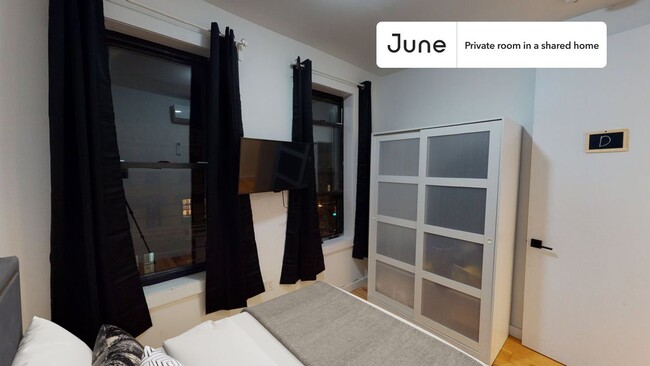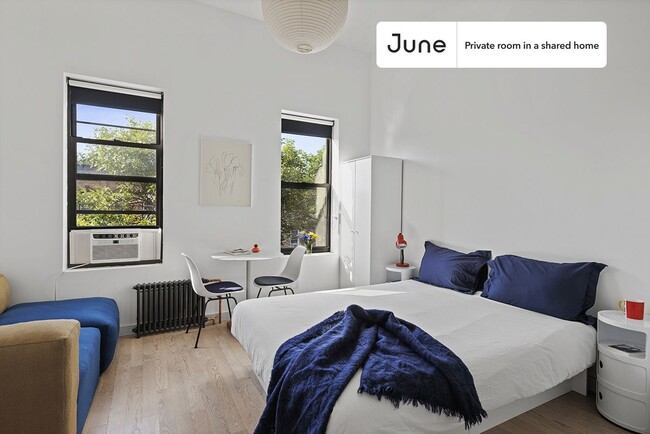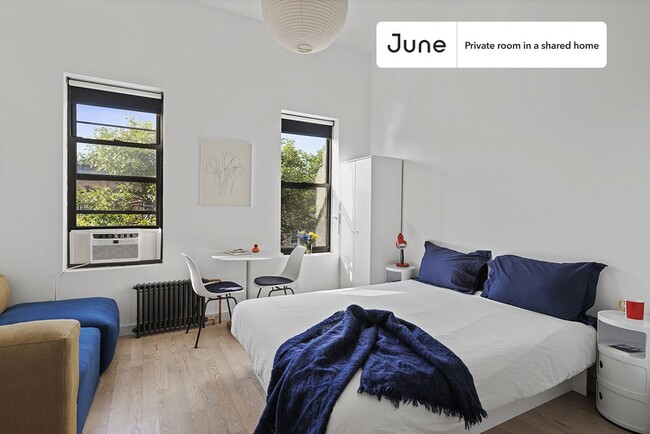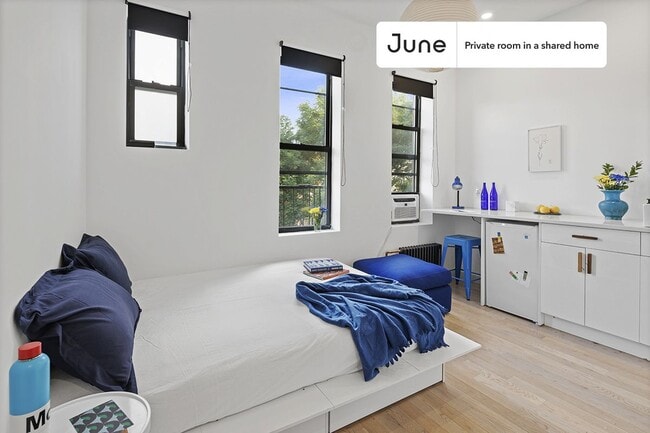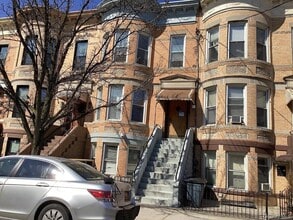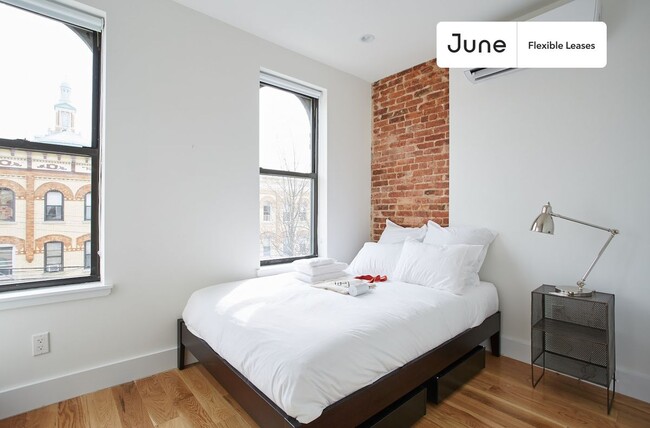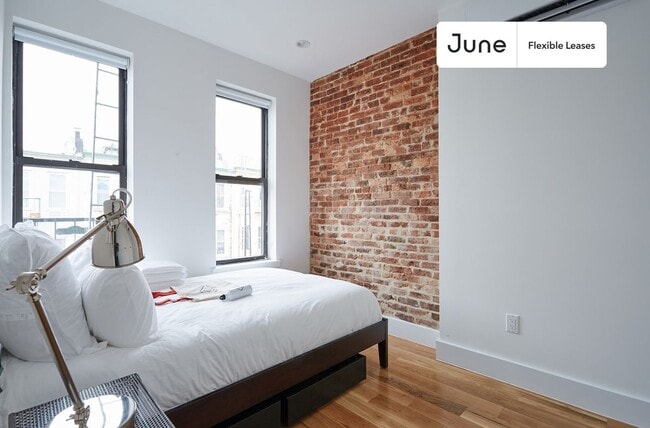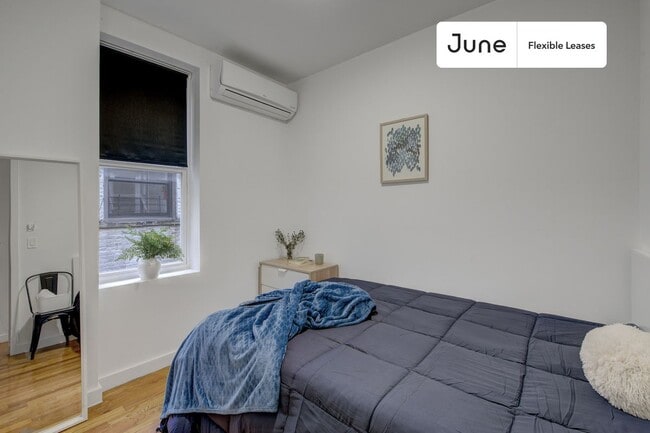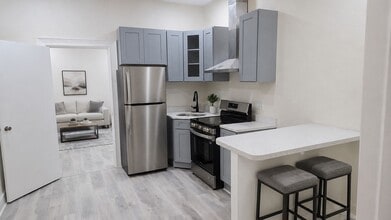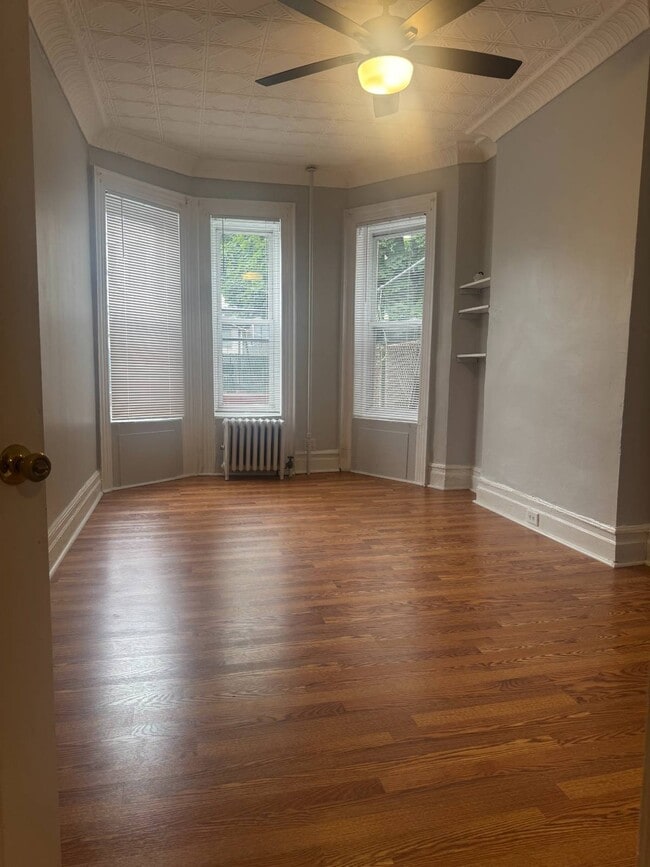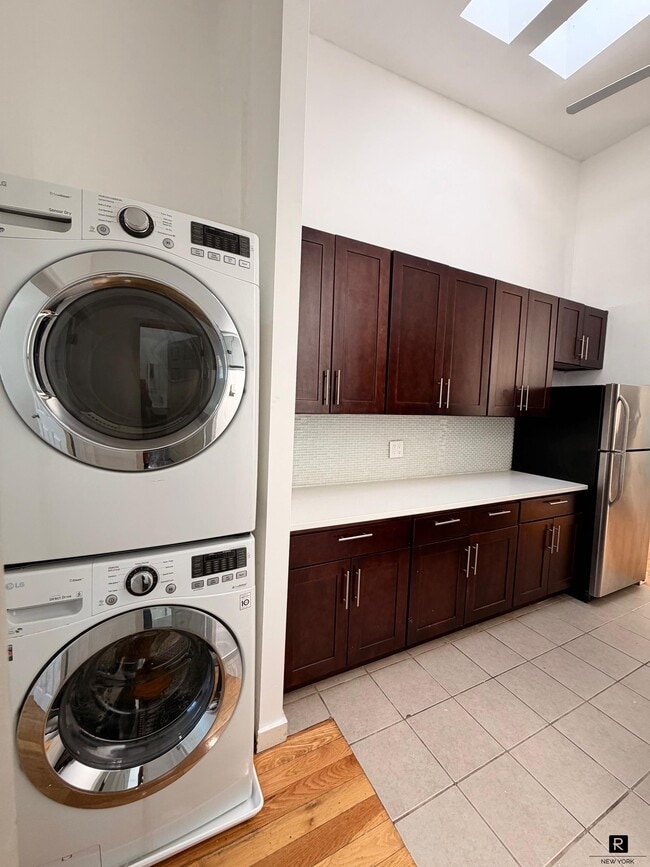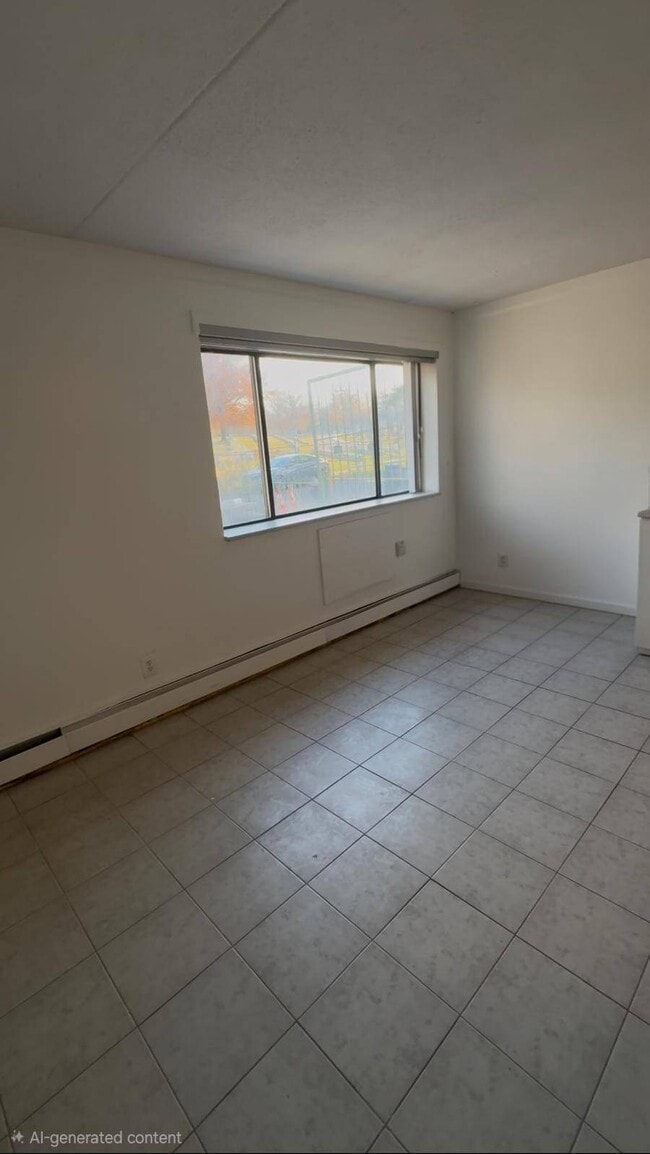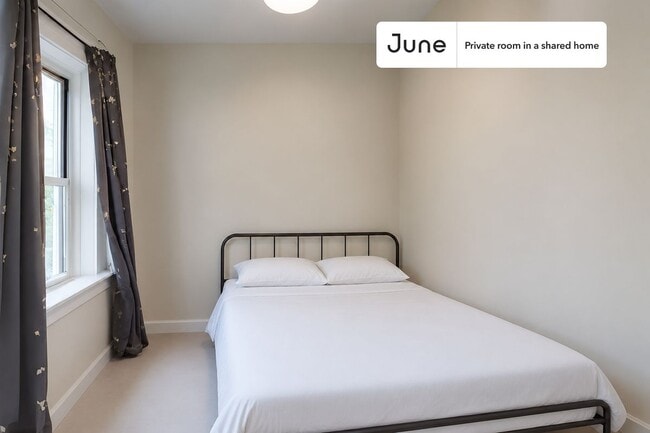
Room in Shared 3 bed/1 bath home in Ridgewood
13 Charlotte St,
Queens, NY 11385
$1,730
3 Beds

Area Guide
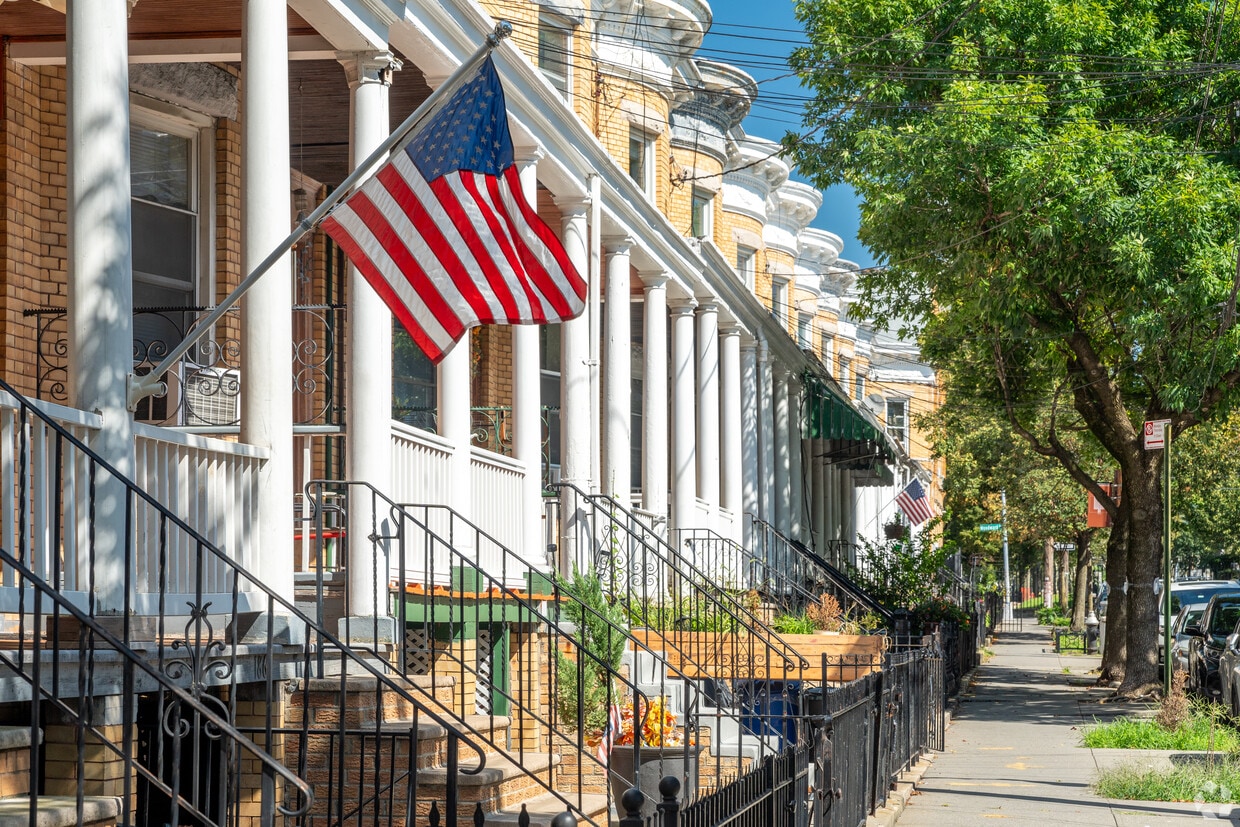
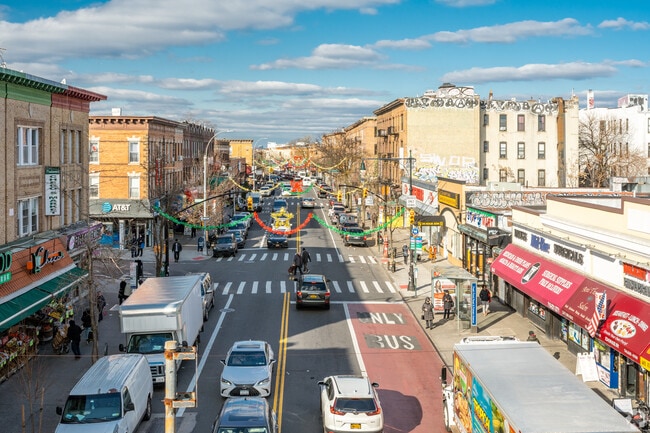
Ridgewood sits on the border of Queens and Brooklyn, carrying the distinct character of both boroughs without fully belonging to either. The neighborhood is known for its rows of intact early 20th-century brick rowhouses — many of them landmarked — that give the streets a grounded, lived-in feel rarely found this close to the city's core. Bushwick and Williamsburg are just next door, making it easy to tap into a broader creative and cultural energy while still coming home to something quieter.
Ridgewood has drawn attention in recent years as renters seek more space and character outside of Manhattan-adjacent hotspots. The housing stock leans heavily toward apartments within converted rowhouses and smaller walk-up buildings, though newer apartment communities have begun to appear as the neighborhood grows. Options range from compact studios to spacious multi-bedroom units, often with pre-war details that high-rises simply cannot replicate.
The neighborhood's identity is shaped by decades of immigrant history, and that heritage shows up in local bakeries, shops, and community institutions that have anchored the area for generations. Multiple subway lines connect Ridgewood directly to Midtown Manhattan and Downtown Brooklyn, making the commute manageable for renters who want more neighborhood for their dollar without losing city access.
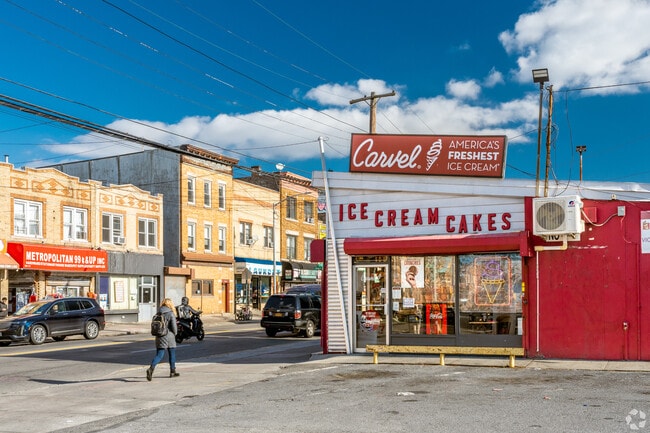
Enjoy your favorite ice cream at the classically preserved Carvel of Ridgewood.
Colorful, organic vegetables fill the tables at the Ridgewood Farmstand.
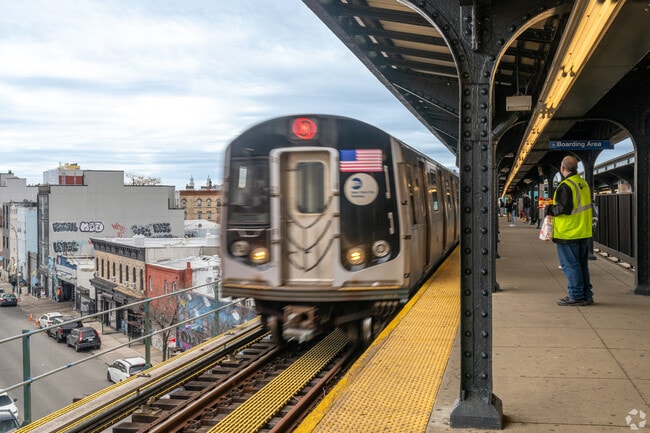
Ridgewood locals can easily get around the city with L & M trains.
Citi bikes are available throughout Ridgewood.
Enjoy some play time with your furry friends at Grover Cleveland Park.
Hit the local thrift stores in Ridgewood for some interesting finds.
As of September 2026, the average apartment rent in Ridgewood is $2,423 for a studio, $2,138 for one bedroom, $1,814 for two bedrooms, and $2,379 for three bedrooms. Apartment rent in Ridgewood has increased by 1.3% in the past year.
Studio
160 sq ft
Average Sq Ft
$2,423/month
Average Rent
1 BR
300 sq ft
Average Sq Ft
$2,138/month
Average Rent
2 BR
344 sq ft
Average Sq Ft
$1,814/month
Average Rent
3 BR
414 sq ft
Average Sq Ft
$2,379/month
Average Rent
Explore how walkable, bikeable, drivable, and transit-friendly Ridgewood - Queens, NY is for everyday living.
Exceptionally Walkable
Walkability
Exceptional Public Transit
Transit
Somewhat Drivable
Drivability
Moderately Bikeable
Bikeability
In Ridgewood - Queens, NY, daily errands are quick and hassle-free.
Supermarket Within a 5 Minute Walk
Groceries
Exceptional Restaurant Variety Nearby
Restaurants
Exceptional Café Variety Nearby
Cafes
Exceptional Variety of Shops Nearby
Shopping
Ridgewood - Queens, NY provides ample green space and fitness centers within easy reach.
Very Large Amount of Park Space Nearby
Parks
Good Wellness Amenity Variety Nearby
Wellness
Get a sense of what it’s like to live in Ridgewood - Queens, NY from everyday activity to noise and nightlife.
Highly Vibrant Atmosphere
Vibrancy
Exceptional Nightlife Variety Nearby
Nightlife
Somewhat Noisy
Quiet Score

† Our analysis of utilities, groceries, transportation, healthcare, home prices, and other goods and services is sourced from the Cost of Living Index, a respected benchmark published by the Council for Community and Economic Research (C2ER) that provides a thorough overview of living expenses across different regions.
Rent data is provided by CoStar Group’s Market Trend reports. As the industry leader in commercial real estate information, analytics, and news, CoStar conducts extensive research to produce and maintain a comprehensive database of commercial real estate information. We combine this data with public record to provide the most up-to-date rental information available.
Consumer goods, services, and home prices are sourced from the Cost of Living Index published by the Council for Community and Economic Research (C2ER). The data on this page is updated quarterly. It was last published in September 2026.
Demographic information comes from Neustar and combines detailed address data with U.S. Census and American Community Survey statistics to produce reliable local estimates.