Jackson Heights

Background Image

Jackson Heights, NY Area Guide

Join Jackson Heights’ melting pot of culture

Multicultural Diverse Airport New York

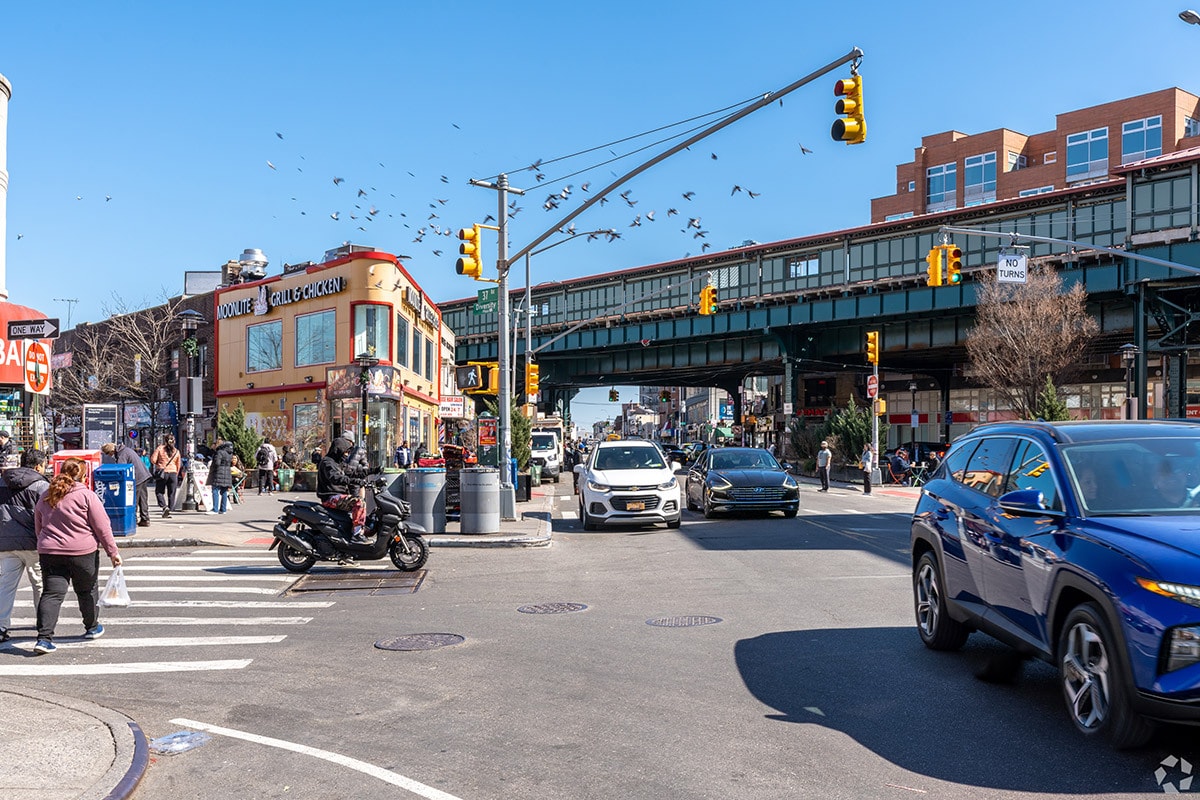
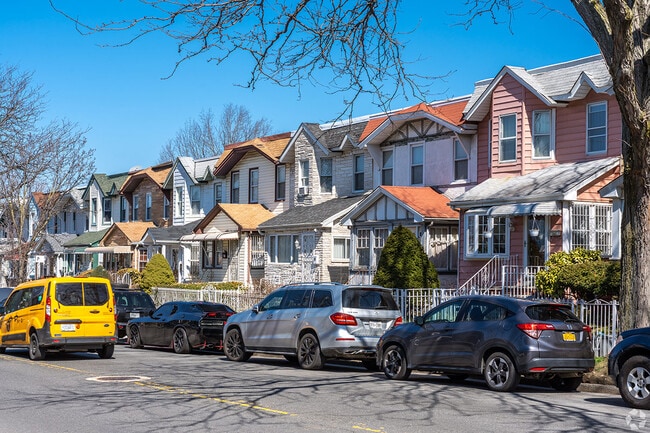
Jackson Heights sits in the northwestern corner of Queens, occupying a stretch of the borough where dozens of languages can be heard on a single city block. What began as a marshy colonial-era lowland called Trains Meadow has grown into one of the most culturally layered neighborhoods in New York City, a designation the New York Times has echoed more than once. The neighborhood draws energy from its main commercial corridors along Roosevelt Avenue and 74th Street, where South Asian grocery stores, Latin American bakeries, and Himalayan eateries share the streetscape with longtime community institutions.

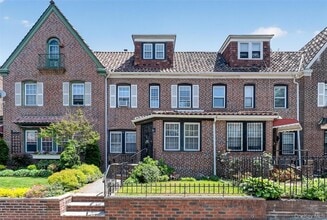
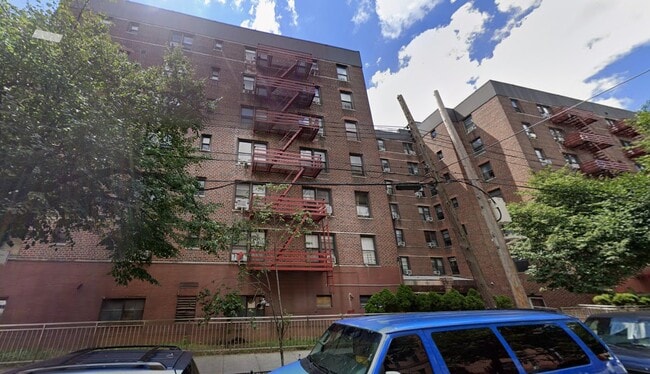
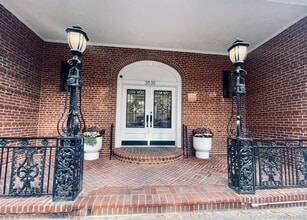
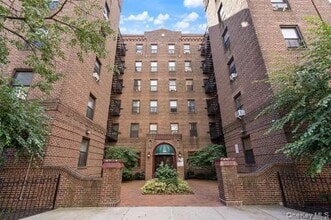
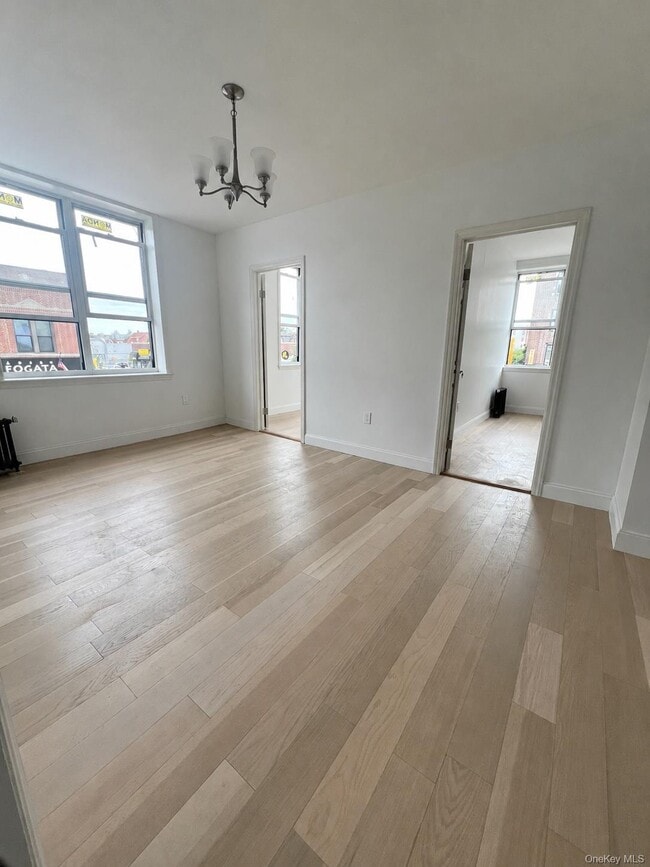
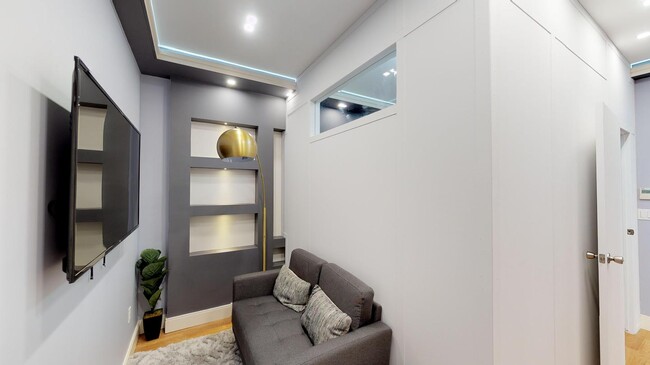
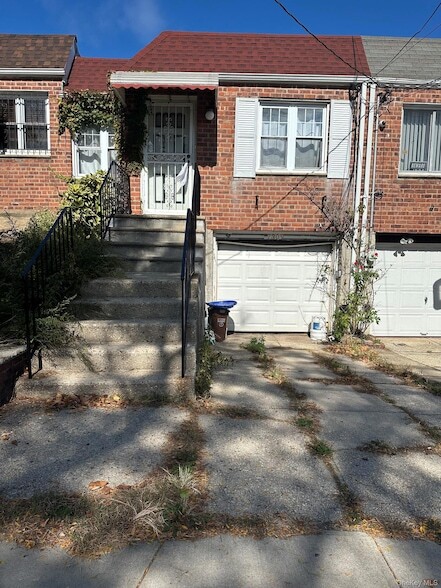
The housing stock here leans heavily toward pre-war co-ops and mid-rise brick apartment communities, many of which feature interior courtyards that give the neighborhood a surprisingly green, almost European quality. Garden apartments and attached row homes also appear throughout the residential blocks, offering renters a range of footprints and price points within a walkable setting. The area is well-connected by multiple subway lines, making Midtown Manhattan accessible in under 30 minutes. Daily life in Jackson Heights has a grounded, neighborhood-first character—less about spectacle and more about the kind of lived-in texture that takes years for a place to earn.

Rent Trends

As of April 2026, the average apartment rent in Jackson Heights, NY is $1,631 for a studio, $2,013 for one bedroom, $2,538 for two bedrooms, and $2,810 for three bedrooms. Apartment rent in Jackson Heights has increased by 0.8% in the past year.

Property Type
Average Rent
Average Sq Ft
Apartment
$2,013/month
601 Sq Ft
See Rental Market Trends in Jackson Heights, NY

Getting Around

Exceptionally Walkable

Walkability

100 / 100

Exceptional Public Transit

Transit

100 / 100

Somewhat Drivable

Drivability

30 / 100

Moderately Bikeable

Bikeability

70 / 100

Points of Interest

Top Apartments in Jackson Heights

Houses for Rent in Jackson Heights

Living in Jackson Heights

History

-

Jackson Heights traces its roots to a vast colonial-era marsh known as Trains Meadow, which remained largely undeveloped until the early twentieth century. Laid out in 1916, the neighborhood is considered the first garden community built in the United States, a planning vision that placed small private parks and green courtyards at the center of residential life. That pioneering design is still visible today in the pre-war apartment buildings and garden-style complexes that earned Jackson Heights designation as a historic district. The architecture reflects a range of styles from that era, and many of the original brick mid-rises remain occupied and well-preserved.

The arrival of the 7 train connected Jackson Heights directly to Manhattan and fueled decades of growth and demographic change. The historic district designation protects the neighborhood's distinctive built environment, ensuring that the garden apartments and courtyard layouts continue to shape the streetscape. Renters moving here inherit a landscape shaped by early twentieth-century urban planning ideals, where green space and residential density were designed to coexist from the start.

Restaurants

-

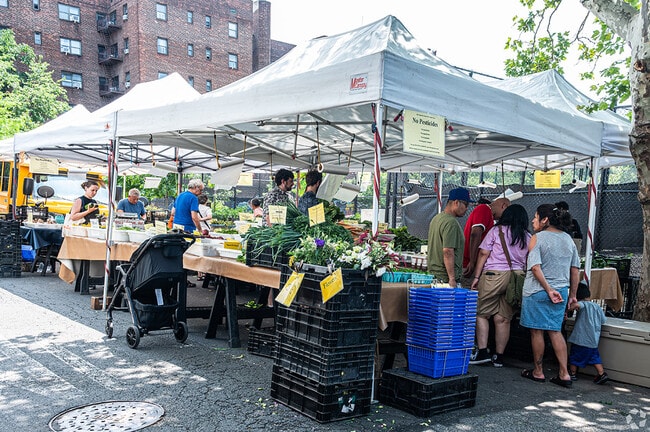
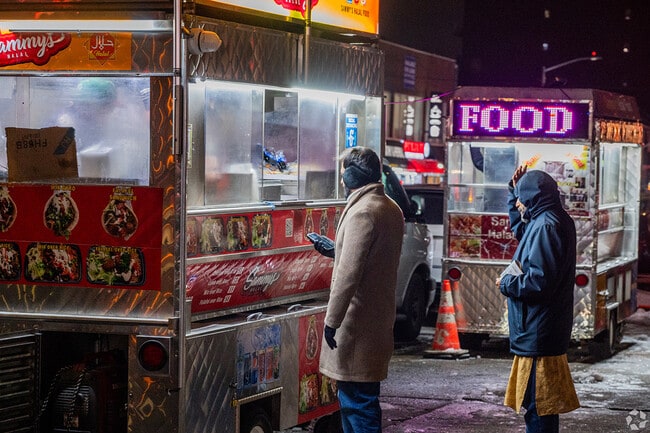
Jackson Heights has one of the most concentrated and diverse dining landscapes in all of New York City, with the majority of its restaurants clustered along Northern Boulevard and 37th Avenue. The neighborhood's South Asian, South American, and Southeast Asian communities have shaped a food culture that draws diners from across the borough. Peruvian rotisserie chicken, Nepalese momos, Bangladeshi curries, and Argentine grilled meats are all well-represented within a few walkable blocks. The Jackson Heights Greenmarket on Sundays at 34th Avenue and 78th Street supplements the restaurant scene with fresh produce, baked goods, and prepared foods. Pio Pio, a Peruvian restaurant that has anchored the neighborhood for decades, remains a local institution known for its ceviche and roasted chicken.

Transportation

-

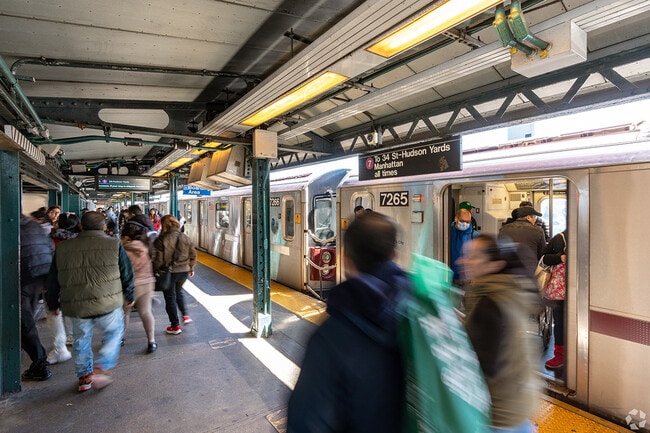
Jackson Heights is one of the most transit-connected neighborhoods in Queens, anchored by the 74th Street-Roosevelt Avenue hub, one of the busiest transit intersections in New York City. From here, riders can access the E, F, M, and R subway lines, along with the elevated 7 train, which runs directly into Midtown Manhattan in roughly 20 minutes. Multiple MTA bus routes serve the surrounding streets, filling in gaps between subway stops and connecting residents to neighboring areas like Elmhurst, Woodside, and Astoria. LaGuardia Airport is just a few miles north, and John F. Kennedy International Airport is accessible via the subway and AirTrain combination. The neighborhood is walkable on a day-to-day basis, with most errands reachable on foot, and Citi Bike docking stations provide an additional option for shorter trips. Driving is possible but congestion along Roosevelt Avenue and Northern Boulevard can make it slow, so most residents rely on transit for daily commuting.

Parks

-

Jackson Heights offers a small but well-used collection of neighborhood parks suited to everyday outdoor life. Travers Park is the area's most prominent green space, featuring a large playground, basketball and tennis courts, game tables, and picnic areas that draw families year-round. The park also hosts the Travers Park Greenmarket, a Sunday farmers market offering fresh produce and prepared foods. Dog owners have dedicated options as well: Landing Lights Park provides open grass for off-leash running, while Jackson Heights Canine Wonderland offers separate enclosed dog runs for pets of different temperaments. 84 Street Park rounds out the local offerings with a playground, handball, basketball, and volleyball courts, along with pull-up bars and outdoor fitness equipment.

Cost

-

Jackson Heights is generally considered one of the more affordable neighborhoods in Queens, with rents that tend to run well below the New York City citywide average of around $4,080 for a one-bedroom apartment. The neighborhood's housing stock is a mix of prewar co-ops, attached rowhouses, and mid-century rental buildings, which contributes to a range of price points depending on unit size, floor level, and proximity to transit. Rents can vary noticeably from block to block, with streets closer to the 74th Street-Roosevelt Avenue transit hub typically commanding higher prices than quieter residential stretches further from the trains. Homeownership options exist but are limited primarily to co-op units rather than single-family homes.

Shopping

-

Jackson Heights does its shopping along two main corridors: Astoria Boulevard near the neighborhood's edges and the stretch close to 37th Avenue, where a mix of small boutiques and ethnic specialty stores reflects the area's diverse roots. The streets here are lined with sari shops, jewelry retailers, and international grocery stores that have served the community for decades, giving the neighborhood a distinctly global retail character you won't find in most parts of Queens. Larger chain stores are also present for everyday needs, keeping things practical. On Sundays, the Jackson Heights Greenmarket on 34th Avenue at 78th Street draws locals with fresh produce, baked goods, and specialty food items from a wide range of culinary traditions.

Search Nearby Rentals

Methodology

† Our analysis of utilities, groceries, transportation, healthcare, home prices, and other goods and services is sourced from the Cost of Living Index, a respected benchmark published by the Council for Community and Economic Research (C2ER) that provides a thorough overview of living expenses across different regions.

Rent data is provided by CoStar Group’s Market Trend reports. As the industry leader in commercial real estate information, analytics, and news, CoStar conducts extensive research to produce and maintain a comprehensive database of commercial real estate information. We combine this data with public record to provide the most up-to-date rental information available.

Consumer goods, services, and home prices are sourced from the Cost of Living Index published by the Council for Community and Economic Research (C2ER). The data on this page is updated quarterly. It was last published in February 2026.

Demographic information comes from Neustar and combines detailed address data with U.S. Census and American Community Survey statistics to produce reliable local estimates.