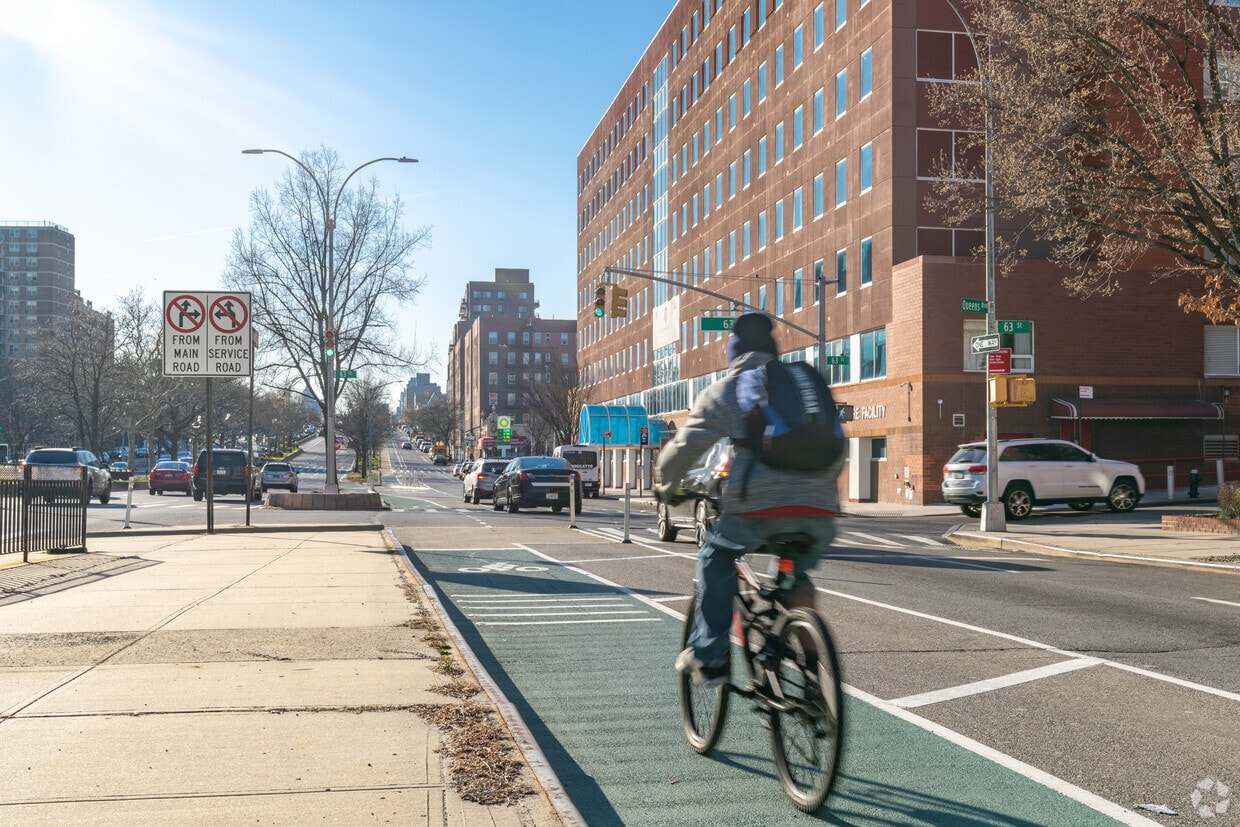
Queens Blvd is a main road for both Woodside cyclists & motorists.
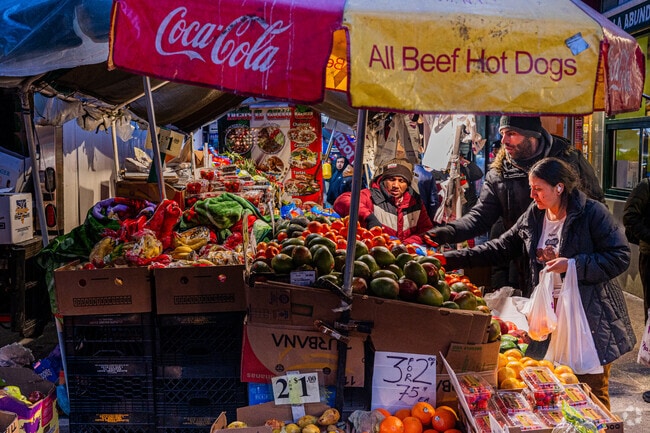
Street vendors display their fresh fruits and veggies in Woodside streeets.
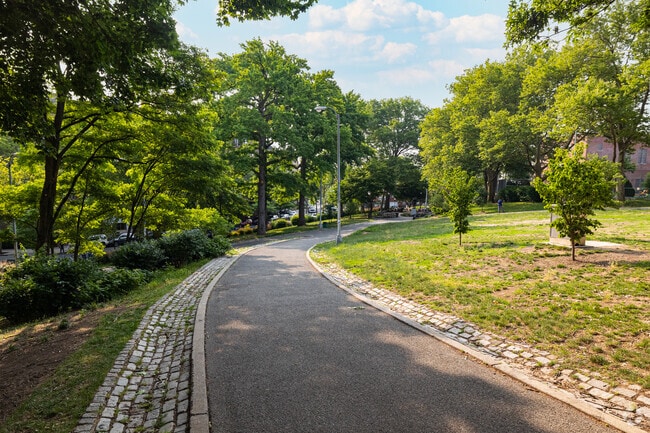
Doughboy Park in Queens, New York is the perfect place for a stroll.
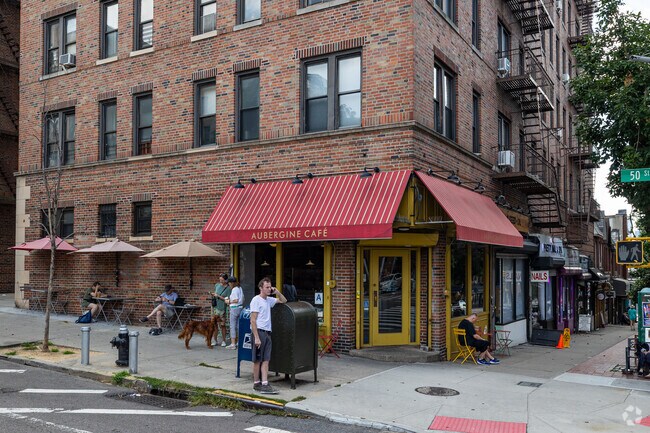
Lots of outdoor cafes are enjoyed in Woodside.
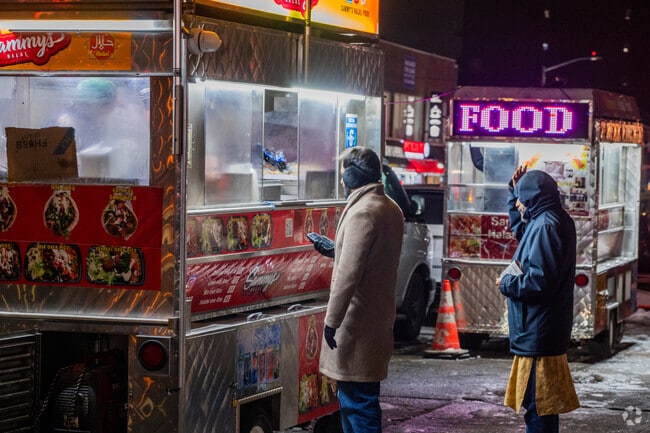
There are plenty of street food carts on the south west side of Woodside by the subway station.

Woodside, NY

Area Guide

Avg Rent

$2,315

Population

86,100

Renter Mix

72% Rent

A neighborhood feel with international appeal in northwest Queens

Urban Vibrant Historic

Woodside is a Queens neighborhood where Roosevelt Avenue hums with energy while the residential blocks just a few streets away stay genuinely quiet. Situated in the western part of the borough, it sits between Sunnyside to the west and Jackson Heights to the east, giving it a geographic ease that makes the rest of the city feel close. The 7 train cuts directly through the neighborhood, offering a reliable connection to Midtown Manhattan and making it a practical base for anyone working in or frequently visiting the city's core.

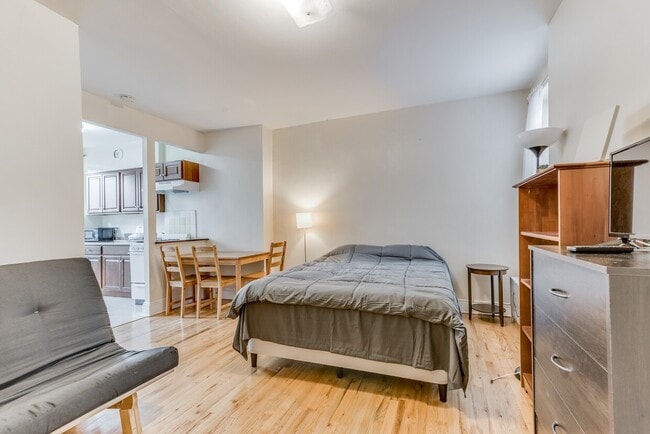
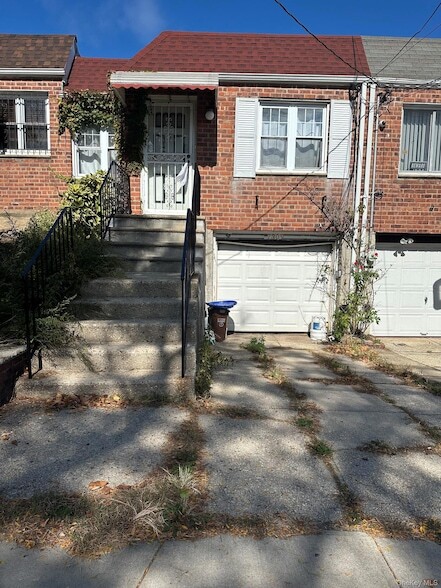
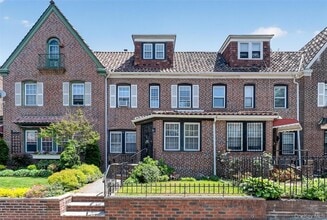
The housing stock here leans toward low- and mid-rise apartment communities, co-ops, and attached rowhouses that reflect the area's deep residential roots dating back to large-scale development in the 1860s. Studios and one-bedroom units are common, though two- and three-bedroom options exist throughout the neighborhood's quieter corridors. Daily life in Woodside carries a grounded, no-frills character — grocery runs, local diners, and street-level commerce feel like the backbone of the area rather than an afterthought. The neighborhood's Irish heritage remains part of its identity even as the community has grown more diverse over the decades.

Explore the City

Doughboy Park in Queens, New York is the perfect place for a stroll.

Lots of outdoor cafes are enjoyed in Woodside.

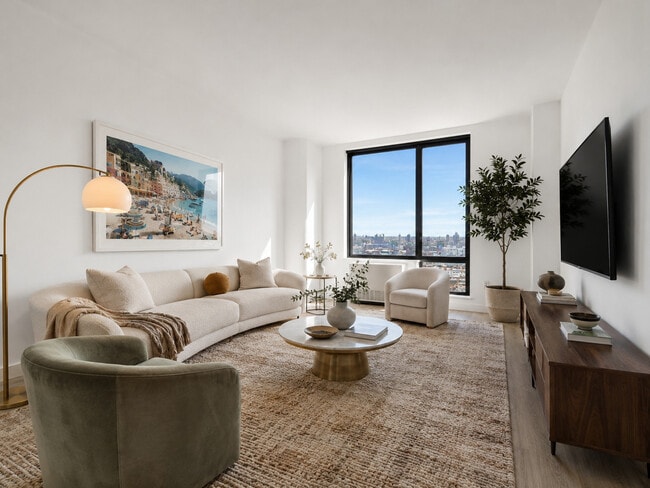
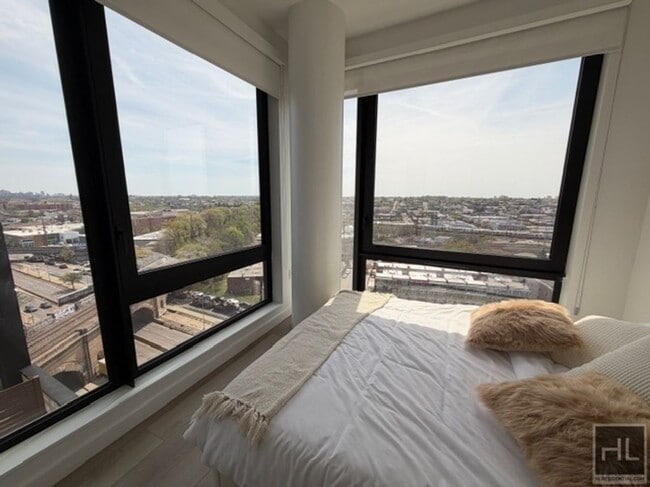
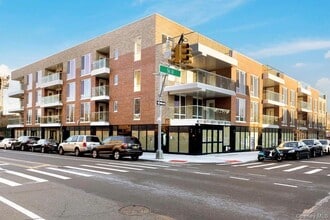
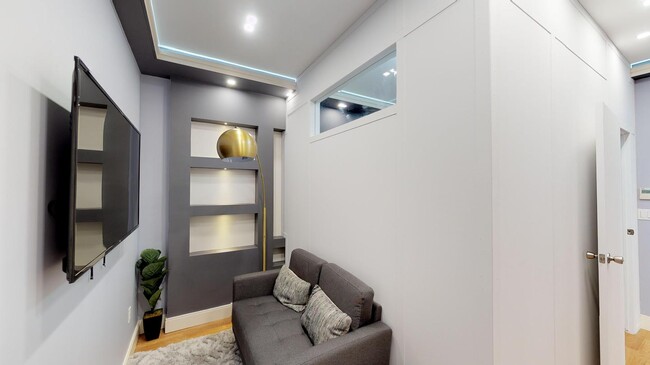
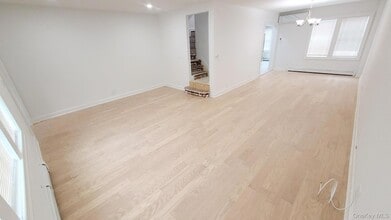
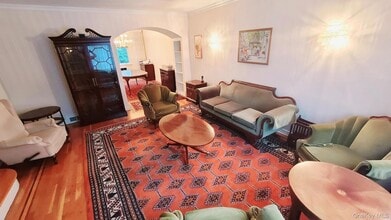
Apartment communities are common in Woodside.

Trees line the streets of Woodside.

The 7 subway train stops in Woodside, Queens.

There are plenty of street food carts on the south west side of Woodside by the subway station.

Demographics

Median Household Income

$66,745

Average: $87,708

Education

26,626

Residents Have a Degree

Job Market

45,080

Workers Employed

Age Distribution
Get a sense of this area's population profile.

Median Age

41 Years

Largest Age Group

30-39 Years

Approximately 16% of Residents

Under 20

21%

Over 65

17%
Housing Distribution

Woodside has more renters than homeowners.

Renters
72%
Non-Renters
28%

Education Distribution

Review this city's overall education levels.

Bachelor's or Higher
24%
Other Education
76%

Rent Trends

As of May 2026, the average apartment rent in Woodside, NY is $2,405 for a studio, $2,316 for one bedroom, $3,041 for two bedrooms, and $3,268 for three bedrooms. Apartment rent in Woodside has increased by 0.1% in the past year.

Property Type
Average Rent
Average Sq Ft
Apartment
$2,316/month
525 Sq Ft
See Rental Market Trends in Woodside, NY

Getting Around

Exceptionally Walkable

Walkability

100 / 100

Exceptional Public Transit

Transit

100 / 100

Fairly Drivable

Drivability

40 / 100

Moderately Bikeable

Bikeability

60 / 100

Points of Interest

Top Apartments in Woodside

Houses for Rent in Woodside

Living in Woodside

History

-

Woodside traces its roots to large-scale residential development in the 1860s, when the neighborhood took shape near the Long Island Rail Road and became one of Queens' oldest established communities. By 1910, the population reached 6,000, and the area evolved from a landscape of scattered houses into one defined by apartment complexes built to accommodate rapid growth. Through the 1930s, Woodside was approximately 80 percent Irish American, a heritage that still resonates in local pubs, community events, and the neighborhood's overall character. The Museum of the Moving Image on 35th Avenue now anchors the area's cultural presence, offering interactive exhibits where visitors can explore the mechanics and history of film and media. The red-brick rowhouses and mid-rise apartment buildings that line the residential streets today reflect the architectural patterns established more than a century ago, maintaining a continuity that gives Woodside its grounded, lived-in feel.

Restaurants

-

Woodside's dining scene reflects the neighborhood's remarkable cultural diversity, with Roosevelt Avenue serving as the main corridor where Filipino, Thai, Korean, Irish, and South Asian restaurants sit side by side. The Filipino presence is especially strong, making Woodside one of the most recognized destinations for Filipino cuisine in New York City, with traditional dishes widely available at numerous family-run spots throughout the area. Irish pubs with hearty menus remain a nod to the neighborhood's long heritage. Inthira Thai Market and similarly rooted community establishments underscore how deeply international flavors are woven into everyday life here, making Woodside a genuine destination for adventurous, approachable, and affordable everyday dining.

Transportation

-

Woodside is well-served by public transit, making car ownership largely optional for daily life. The neighborhood's primary subway connection is the 7 train, which runs along Roosevelt Avenue and delivers riders to Midtown Manhattan in roughly 20 minutes. The Long Island Rail Road also stops at Woodside Station on Roosevelt Avenue, offering a faster express option into Penn Station. Local and express MTA buses supplement the rail lines. Roosevelt Avenue and Queens Boulevard are the main commercial corridors for drivers, with the Long Island Expressway and Brooklyn-Queens Expressway accessible nearby for regional travel. LaGuardia Airport is a short drive north, and JFK is reachable in under 30 minutes. Most streets have sidewalks, and the neighborhood is generally walkable for errands and daily needs.

Parks

-

Woodside's park options are modest but well-distributed across the neighborhood. Big Bush Park, situated between 61st and 64th Streets, offers handball courts, baseball fields, playgrounds, and restroom facilities, and serves as a gathering hub for youth sports leagues. Doughboy Plaza on Woodside Avenue is a dog-friendly green space with a playground and adult seating areas. Just over the neighborhood border, Sunnyside Gardens Park provides baseball fields, a sprinkler area, and a kiddie pool in a well-maintained setting. Nearby Flushing Meadows-Corona Park in Queens offers significantly more space for outdoor recreation, including walking paths, open lawns, and sports facilities within a reasonable distance.

Cost

-

Woodside sits within one of the most competitive rental markets in the country, yet it generally offers more accessible price points than many Manhattan and inner-Brooklyn neighborhoods. Studios average around $3,312 per month, one-bedrooms around $4,080, and two-bedrooms around $5,587, with rents trending modestly upward year over year. Prices vary by block and building age, with newer construction and transit-adjacent units commanding a premium. The housing stock is primarily a mix of multifamily walk-ups, attached rowhouses, and small apartment buildings, with limited high-rise inventory.

Shopping

-

Roosevelt Avenue is Woodside's primary commercial corridor, lined with a mix of international grocery stores, specialty food shops, and everyday retail reflecting the neighborhood's multicultural character. The Woodside Mini Mall on Roosevelt Avenue draws local shoppers with a compact mix of retail and dining under one roof, while Queens Place Shopping Center, a large multi-level facility nearby, offers a broader range of chain and specialty stores. For fresh produce and local goods, the Jackson Heights Greenmarket operates as a year-round farmers market serving the surrounding community. The neighborhood's retail identity is shaped largely by its diverse immigrant communities, giving Roosevelt Avenue and the surrounding streets a grounded, everyday shopping culture with an international feel.

Search Nearby Rentals

Methodology

† Our analysis of utilities, groceries, transportation, healthcare, home prices, and other goods and services is sourced from the Cost of Living Index, a respected benchmark published by the Council for Community and Economic Research (C2ER) that provides a thorough overview of living expenses across different regions.

Rent data is provided by CoStar Group’s Market Trend reports. As the industry leader in commercial real estate information, analytics, and news, CoStar conducts extensive research to produce and maintain a comprehensive database of commercial real estate information. We combine this data with public record to provide the most up-to-date rental information available.

Consumer goods, services, and home prices are sourced from the Cost of Living Index published by the Council for Community and Economic Research (C2ER). The data on this page is updated quarterly. It was last published in February 2026.

Demographic information comes from Neustar and combines detailed address data with U.S. Census and American Community Survey statistics to produce reliable local estimates.