Long Island City

MoMA PS1 is one of the nation’s oldest and largest contemporary art museums
Entrance to the Institute for Contemporary Art
The historic Long Island City Courthouse was built in 1874

Long Island City, NY Area Guide

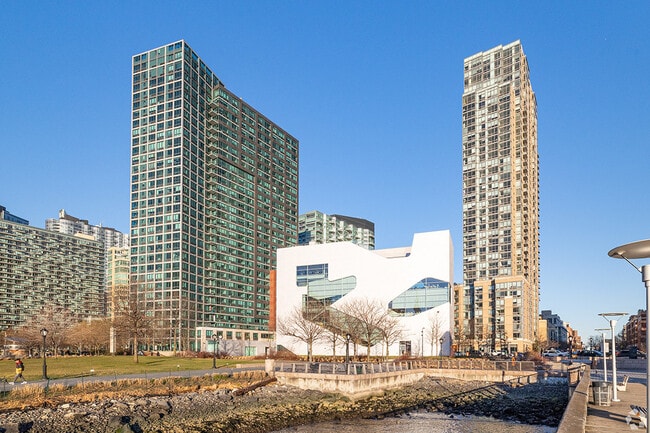
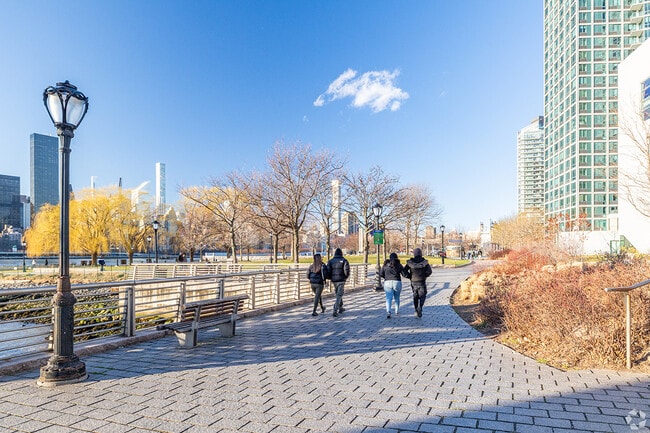
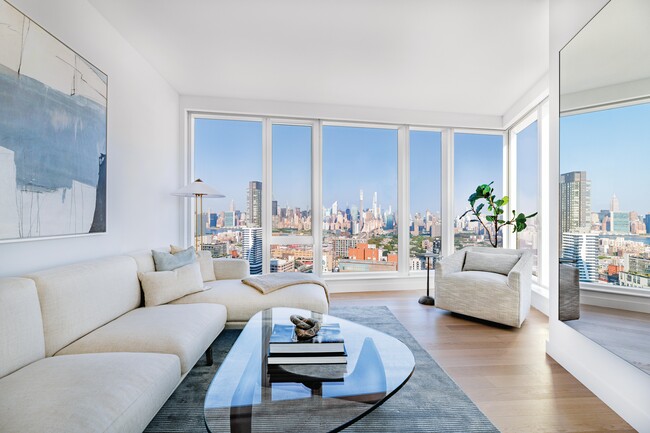
In LIC, it's all about the view

Artistic Industrial Skyline Views Riverside Convenient Commuter Walkable Mass Transit Bicycle-Friendly

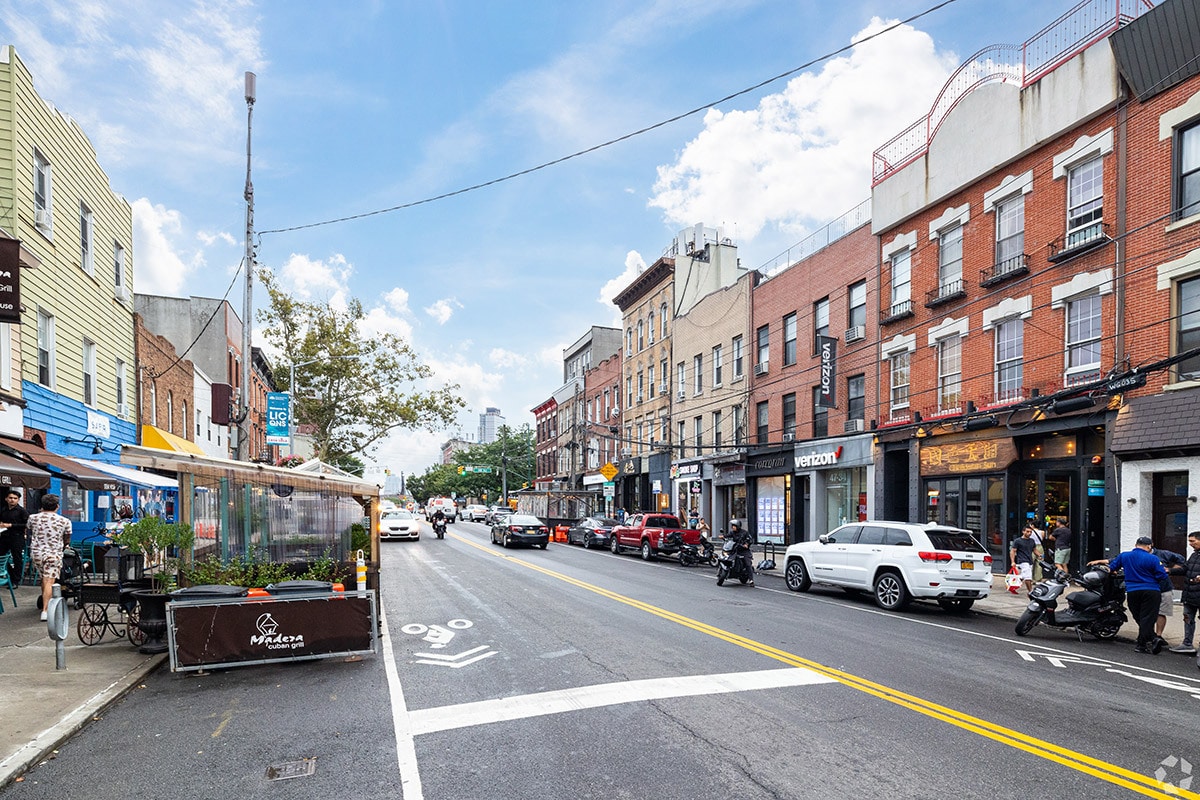
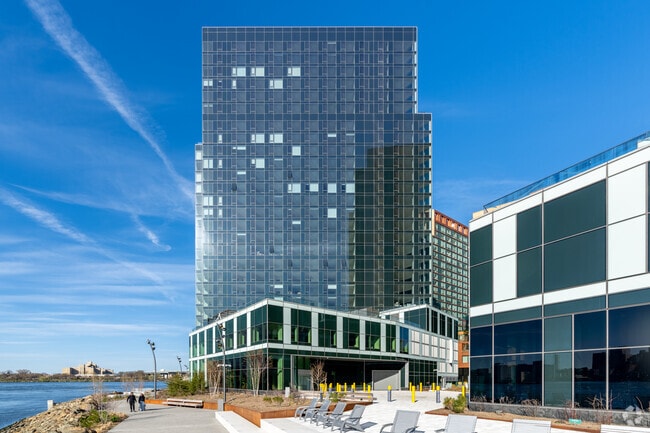
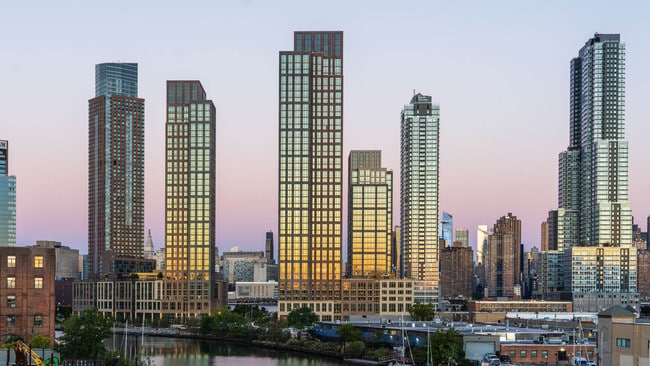
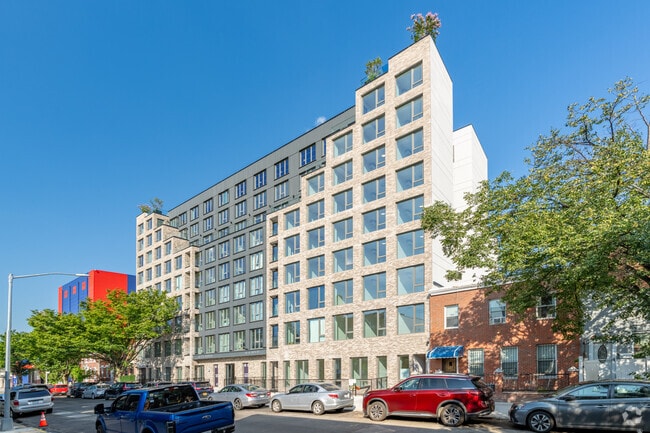
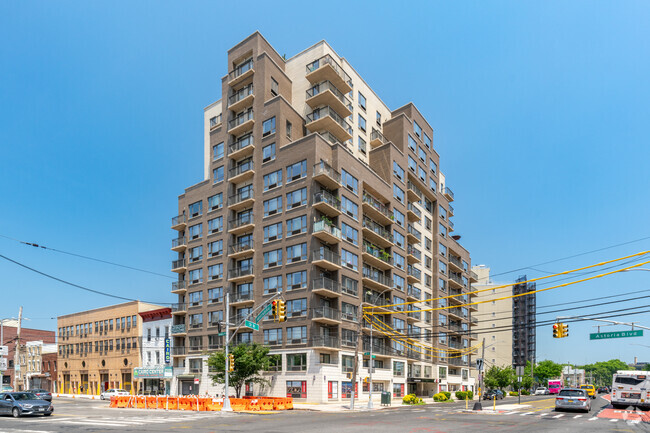
Long Island City sits at the western edge of Queens, separated from Midtown Manhattan by just a sliver of the East River and a short subway ride. Once anchored by warehouses and industrial yards, the neighborhood has spent recent decades transforming into one of New York City's most architecturally layered communities. The East River waterfront offers sweeping views of the Manhattan skyline, and the concentration of art galleries and studio spaces here is among the highest in the entire city. Hunters Point South serves as a quieter, more residential pocket within LIC, while the area near Court Square draws those who want to be close to transit and commercial energy. The housing mix reflects that evolution, ranging from converted industrial lofts to glass-tower apartment communities with rooftop amenities and doorman service. Renters can also find low-rise co-ops and older brick walk-ups tucked alongside newer developments. Long Island City was originally incorporated as its own city back in 1870 before merging into Greater New York in 1898, and traces of that independent character still shape the way the neighborhood carries itself today.

Explore the City

MoMA PS1 is one of the nation’s oldest and largest contemporary art museums

Entrance to the Institute for Contemporary Art

The historic Long Island City Courthouse was built in 1874

Built atop the PepsiCo bottling plant in 1940, the Pepsi sign is now a waterfront landmark

Gantry State Park has a waterfront promenade, picnic areas, and a playground

Residents enjoy beautiful views of the Manhattan skyline

Rent Trends

As of April 2026, the average apartment rent in Long Island City, NY is $3,077 for a studio, $3,710 for one bedroom, $5,034 for two bedrooms, and $8,262 for three bedrooms. Apartment rent in Long Island City has increased by 2.6% in the past year.

Property Type
Average Rent
Average Sq Ft
Apartment
$3,710/month
485 Sq Ft
House
$2,919/month
475 Sq Ft
Condo
$3,954/month
436 Sq Ft
See Rental Market Trends in Long Island City, NY

Getting Around

Exceptionally Walkable

Walkability

100 / 100

Exceptional Public Transit

Transit

100 / 100

Fairly Drivable

Drivability

50 / 100

Moderately Bikeable

Bikeability

60 / 100

Points of Interest

Parks and Recreation

  • Socrates Sculpture Park
  • Hallets Cove Playground
  • Queensbridge Park
  • Astoria Park
  • John Jay Park

Airports

  • LaGuardia
  • John F Kennedy International

Top Apartments in Long Island City

Houses for Rent in Long Island City

Living in Long Island City

History

-

Long Island City was incorporated as an independent city in 1870 and served as the seat of government for the Town of Newtown before joining Greater New York in 1898. Its industrial past remains visible throughout the neighborhood, where former manufacturing buildings and warehouses have been converted into residential lofts and creative spaces. MoMA PS1, one of the oldest and largest nonprofit contemporary art centers in the country, occupies a former public school building and anchors the area's reputation as an arts destination. The concentration of galleries and artist studios here reflects decades of adaptive reuse that began as factories closed and artists moved in.

The waterfront along the East River has transformed from industrial docks into public parks like Gantry Plaza State Park, where preserved gantries—once used to load and unload cargo from barges—now stand as sculptural reminders of the area's working past. Historic low-rise buildings still line some blocks near Vernon Boulevard, contrasting with newer glass towers that define the skyline today. The architectural layers tell the story of a neighborhood that has reinvented itself while keeping physical traces of its manufacturing roots intact.

Restaurants

-

Long Island City has a dining scene as varied as the neighborhood itself, with Vernon Boulevard serving as a lively spine for restaurants, bars, and casual eateries. The area reflects the broader culinary richness of Queens, one of the most food-diverse counties in the country, drawing on the cooking traditions of South Asia, East Asia, the Middle East, Latin America, and Western Europe. Residents find everything from French bistro fare and Japanese noodle dishes to South Indian curries and corner delis within walking distance. The neighborhood also benefits from its proximity to Astoria and Sunnyside, expanding the dining options for anyone willing to explore a few blocks beyond.

Transportation

-

Long Island City is one of the best-connected neighborhoods in New York City, served by eight subway lines that put Midtown Manhattan roughly 10 to 15 minutes away. The 7, E, M, G, and N/W trains all run through the area, with Court Square serving as a major hub. Beyond the subway, residents can choose from 15 bus lines, the NYC Ferry along the East River waterfront, and two commuter railroad stations for regional travel. Citibike operates 74 stations throughout the neighborhood, making cycling a practical everyday option, and the waterfront parks offer pleasant pedestrian corridors for those who prefer to walk. For air travel, LaGuardia Airport is just a few miles north, and John F. Kennedy International Airport is accessible via the subway or rideshare.

Parks

-

Long Island City's most celebrated outdoor space is Gantry Plaza State Park, a stretch of East River waterfront that offers sweeping views of the Manhattan skyline, fishing piers, restored industrial gantries, playgrounds, and shaded lawn areas suited for picnics and relaxed afternoons. Hunters Point South Park extends the waterfront experience further south with open green lawns, a nature-inspired playground, and a walking and cycling path along the river. The neighborhood is also well connected to the broader Queens greenway network, making it easy to reach Astoria Park to the north, which features tennis courts, a running track, and an Olympic-size outdoor pool along the river's edge.

Cost

-

Long Island City sits within one of the most expensive rental markets in the country, and rents here reflect that positioning. Studios average around $3,312 per month, one-bedrooms around $4,080, and two-bedrooms around $5,587, with rents ticking modestly upward year over year across most unit sizes. Newer high-rise towers near Court Square and the waterfront tend to command the higher end of the range, while older walk-up buildings elsewhere in the neighborhood offer comparatively lower price points. The housing stock leans heavily toward rentals, with a mix of converted industrial lofts, purpose-built apartments, and modern luxury developments giving renters a range of styles at varying price levels.

Shopping

-

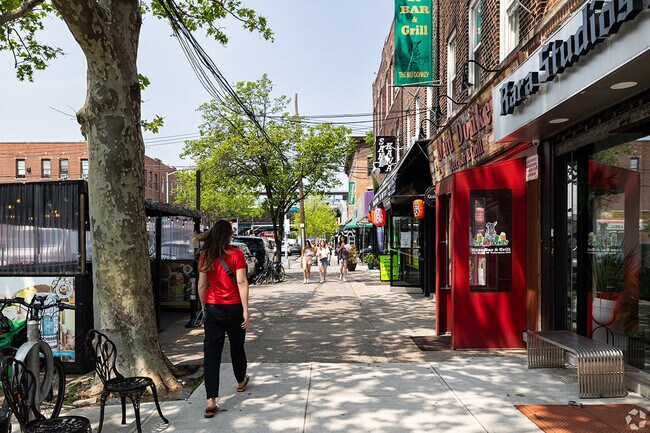
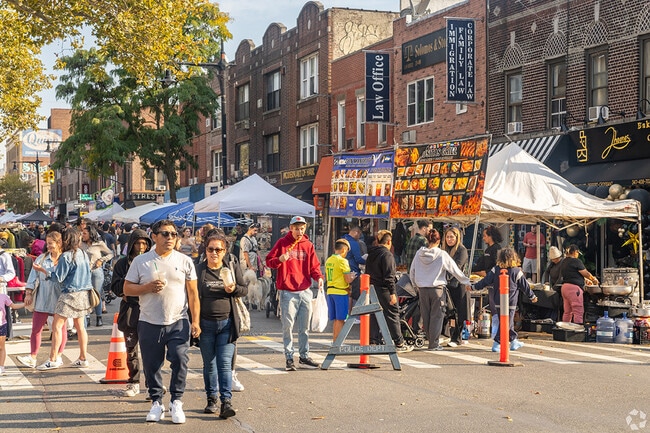
Long Island City's retail scene centers on Vernon Boulevard, the neighborhood's main commercial corridor, where a walkable stretch of storefronts brings together independent boutiques, specialty food shops, and everyday essentials in a setting that reflects the area's industrial-meets-residential character. The broader Court Square and Hunters Point areas have seen steady retail growth alongside new residential development, adding more options for everyday browsing close to home. On weekends, the LIC Flea and Food market draws locals looking for vintage finds, handmade goods, and locally sourced provisions, giving the neighborhood a community-oriented retail rhythm that complements its more permanent storefronts.

Search Nearby Rentals

Methodology

† Our analysis of utilities, groceries, transportation, healthcare, home prices, and other goods and services is sourced from the Cost of Living Index, a respected benchmark published by the Council for Community and Economic Research (C2ER) that provides a thorough overview of living expenses across different regions.

Rent data is provided by CoStar Group’s Market Trend reports. As the industry leader in commercial real estate information, analytics, and news, CoStar conducts extensive research to produce and maintain a comprehensive database of commercial real estate information. We combine this data with public record to provide the most up-to-date rental information available.

Consumer goods, services, and home prices are sourced from the Cost of Living Index published by the Council for Community and Economic Research (C2ER). The data on this page is updated quarterly. It was last published in February 2026.

Demographic information comes from Neustar and combines detailed address data with U.S. Census and American Community Survey statistics to produce reliable local estimates.