Median Age
41 Years
Largest Age Group
30-39 Years
Approximately 14% of Residents
Under 20
22%
Over 65
17%

Avg Rent
$2,041
Population
34,600
Renter Mix
60% Rent
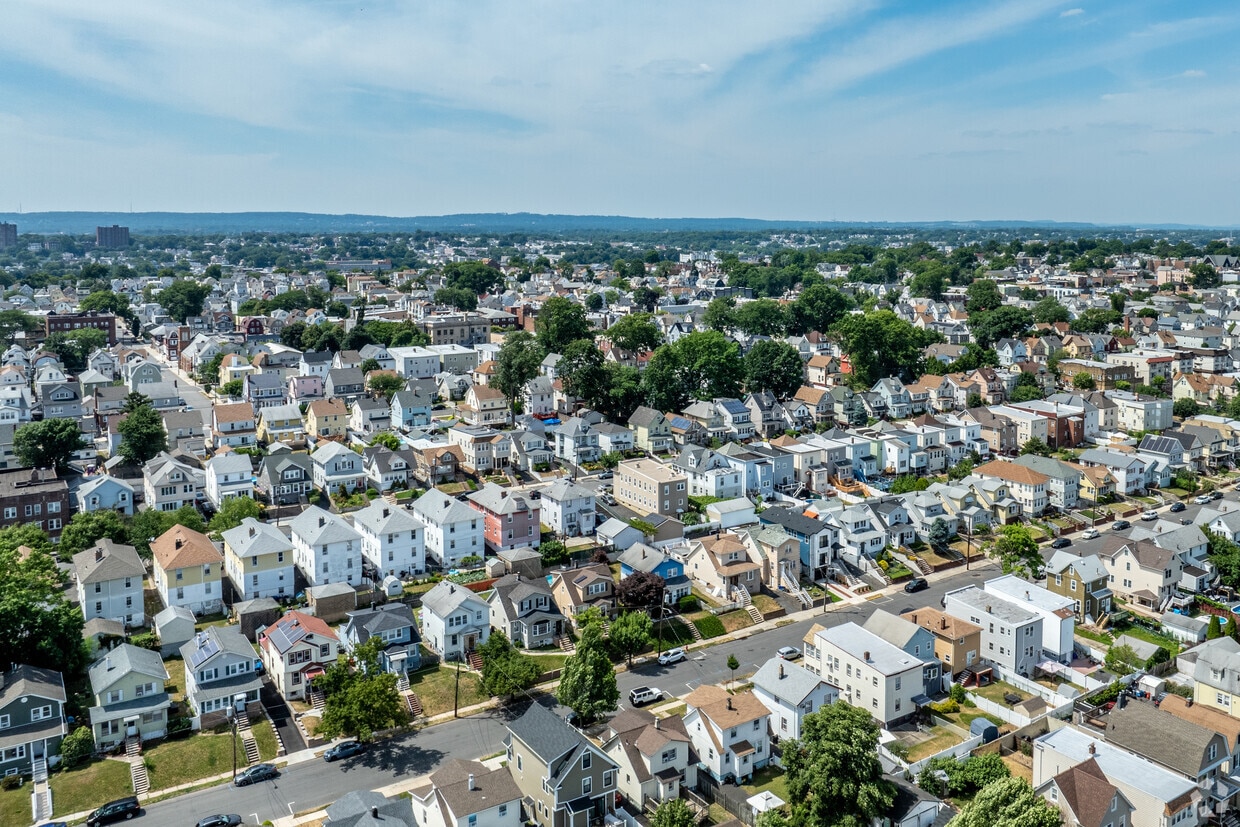
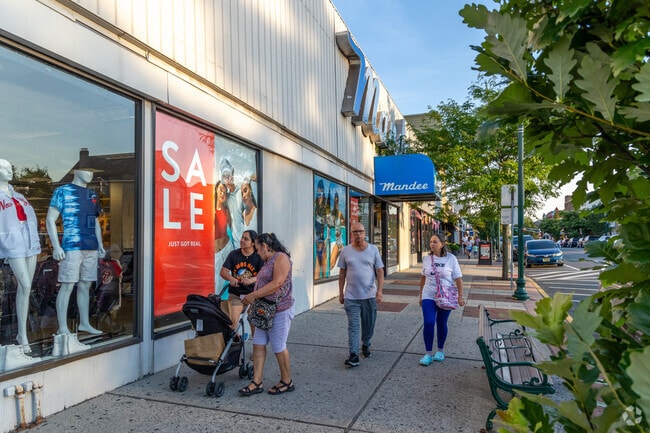
Kearny sits at a quiet crossroads between Newark and Jersey City, offering a small-town feel just a short hop from Manhattan via PATH rail. Kearny Avenue anchors the heart of town with locally-owned restaurants, shops, and bars that give the area a genuinely neighborhood character. West Hudson Park offers a welcome stretch of green space, complete with running and biking trails that make it easy to unwind after a busy day. Industrial history runs deep here — the town was named after Civil War general Philip Kearny and grew around major manufacturing operations that once defined the region.
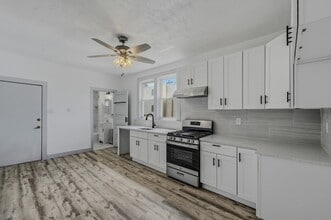
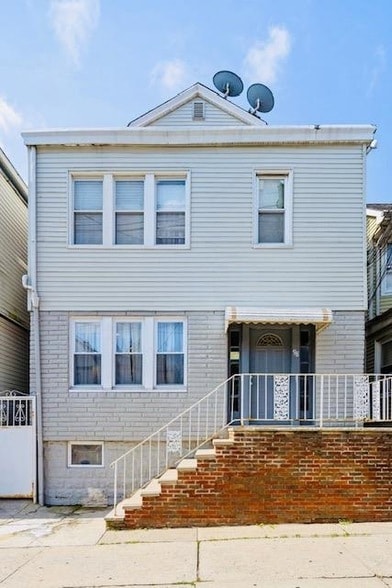
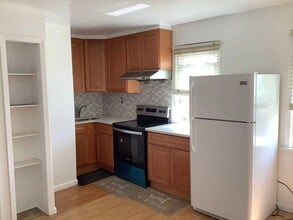
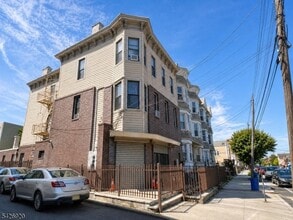
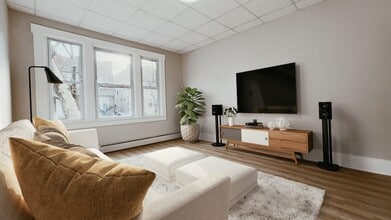
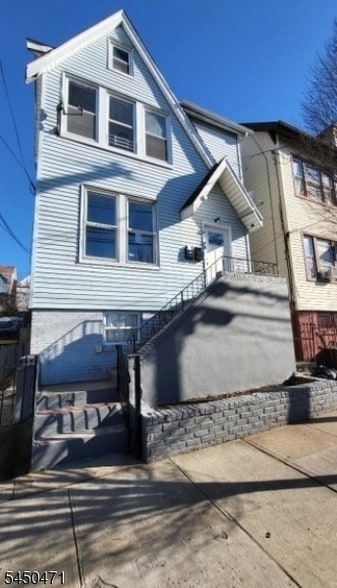
The residential northwest side draws renters looking for value without sacrificing access. Apartment communities here range from classic brick walk-ups to updated multi-family buildings, with studio and one-bedroom options that suit commuters well. Larger two-bedroom floor plans are also available for those needing more space. Whether you're drawn by the PATH connection to midtown Manhattan or the laid-back pace along the main corridor, Kearny delivers an accessible, grounded place to call home without the noise of a larger city.
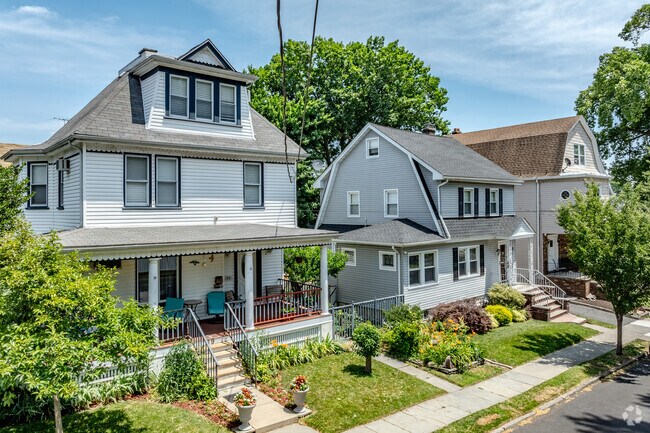
Kearny's picturesque streets are lined with lovely homes.
From vintage finds to collectibles, Kearny's market has it all.
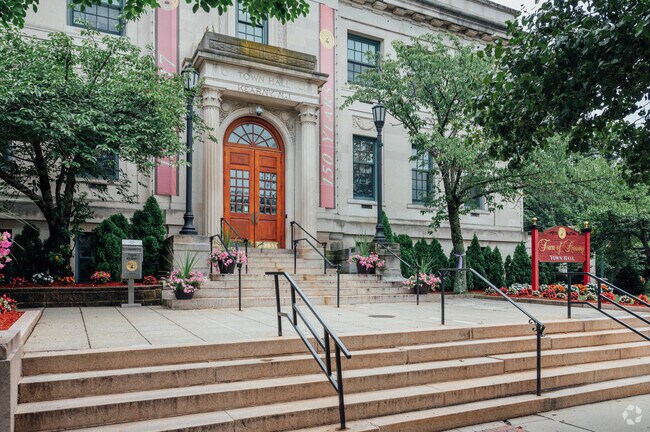
Kearny Town Hall was built in 1909 and is a gorgeous centerpiece in Arlington.
West Hudson Park offers guests beautiful views of the water and a bridge overlook.
Kearny is named for a former resident and Civil War veteran, General Philip Kearny.
Kearny Riverbank Park is the perfect spot for a stroll.
Median Household Income
$75,722
Average: $93,540
Education
8,284
Residents Have a Degree
Job Market
18,394
Workers Employed
Median Age
41 Years
Largest Age Group
30-39 Years
Approximately 14% of Residents
Under 20
22%
Over 65
17%
Housing Distribution
Kearny has more renters than homeowners.

Education Distribution
Review this city's overall education levels.

As of September 2026, the average apartment rent in Kearny, NJ is $1,966 for a studio, $2,041 for one bedroom, $3,106 for two bedrooms, and $1,657 for three bedrooms. Apartment rent in Kearny has decreased by -1.8% in the past year.
Explore how walkable, bikeable, drivable, and transit-friendly Kearny, NJ is for everyday living.
Somewhat Walkable
Walkability
Some Public Transit
Transit
Exceptionally Drivable
Drivability

Public
Grades PK-5
428 Students

Hudson Arts and Sciences Charter
Public
Grades K-8
848 Students

Public
Grades PK-5
437 Students

Public
Grades PK-5
950 Students

Public
Grades PK-5
557 Students
Hudson Arts and Sciences Charter
Public
Grades K-8
848 Students
Public
Grades 6-8
763 Students
Public
Grades 9-12
1,825 Students

 The GreatSchools Rating helps parents compare schools within a state based on a variety of school quality indicators and provides a helpful picture of how effectively each school serves all of its students. Ratings are on a scale of 1 (below average) to 10 (above average) and can include test scores, college readiness, academic progress, advanced courses, equity, discipline and attendance data. We also advise parents to visit schools, consider other information on school performance and programs, and consider family needs as part of the school selection process.
View GreatSchools Rating Methodology
Data provided by
GreatSchools.org
© 2026. All rights reserved.
The GreatSchools Rating helps parents compare schools within a state based on a variety of school quality indicators and provides a helpful picture of how effectively each school serves all of its students. Ratings are on a scale of 1 (below average) to 10 (above average) and can include test scores, college readiness, academic progress, advanced courses, equity, discipline and attendance data. We also advise parents to visit schools, consider other information on school performance and programs, and consider family needs as part of the school selection process.
View GreatSchools Rating Methodology
Data provided by
GreatSchools.org
© 2026. All rights reserved.
† Our analysis of utilities, groceries, transportation, healthcare, home prices, and other goods and services is sourced from the Cost of Living Index, a respected benchmark published by the Council for Community and Economic Research (C2ER) that provides a thorough overview of living expenses across different regions.
Rent data is provided by CoStar Group’s Market Trend reports. As the industry leader in commercial real estate information, analytics, and news, CoStar conducts extensive research to produce and maintain a comprehensive database of commercial real estate information. We combine this data with public record to provide the most up-to-date rental information available.
Consumer goods, services, and home prices are sourced from the Cost of Living Index published by the Council for Community and Economic Research (C2ER). The data on this page is updated quarterly. It was last published in September 2026.
Demographic information comes from Neustar and combines detailed address data with U.S. Census and American Community Survey statistics to produce reliable local estimates.