Median Age
36 Years
Largest Age Group
15-24 Years
Approximately 16% of Residents
Under 20
28%
Over 65
12%


Avg Rent
$1,453
Population
55,686
Renter Mix
29% Rent
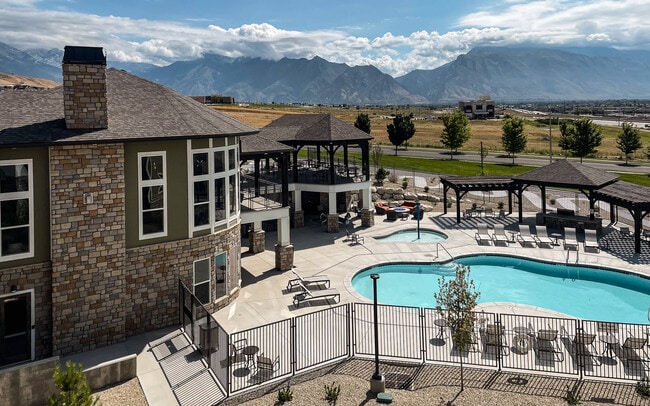
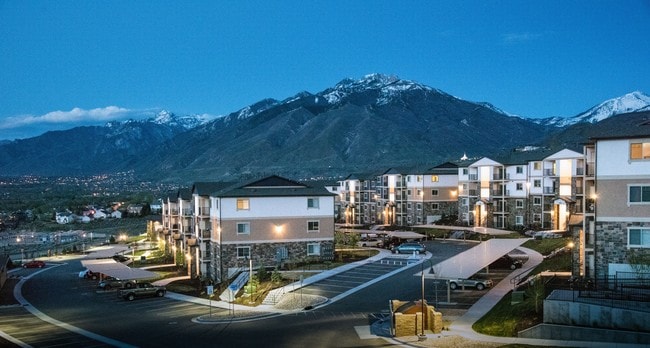
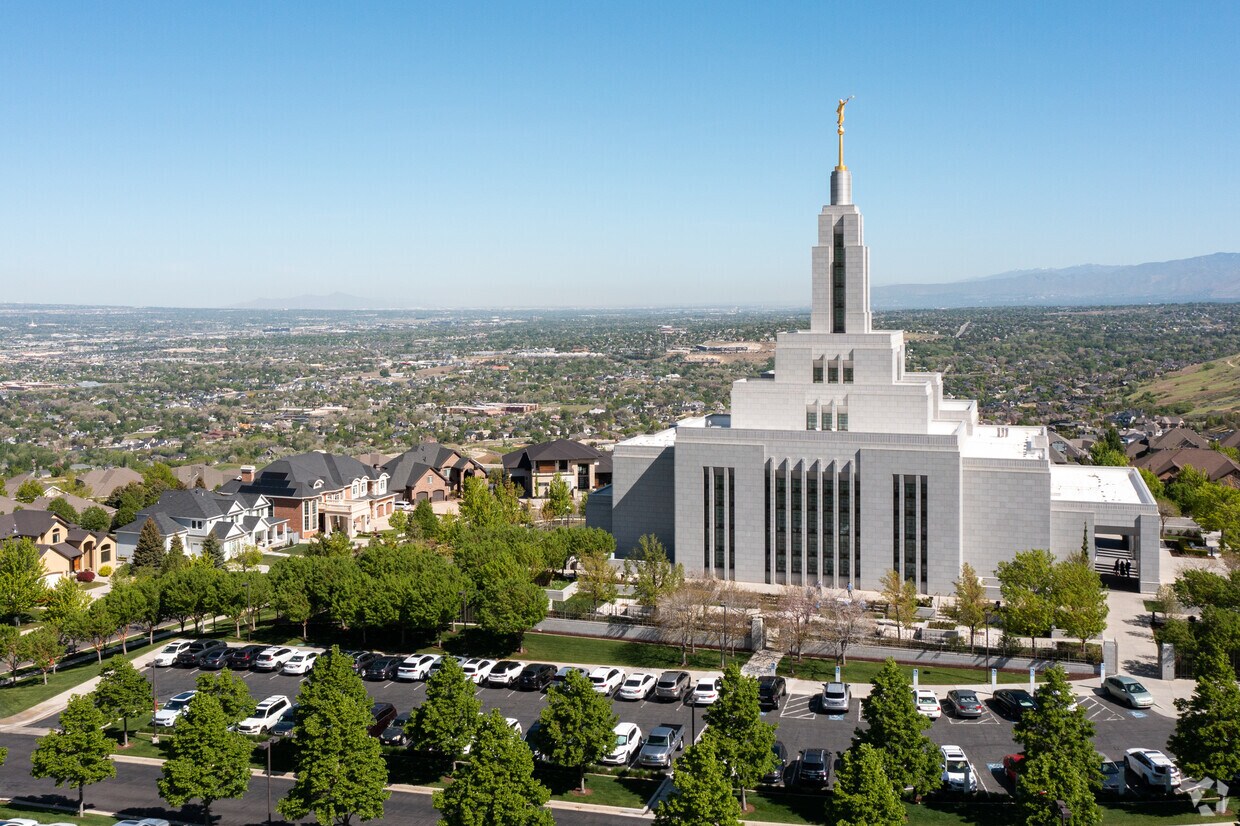
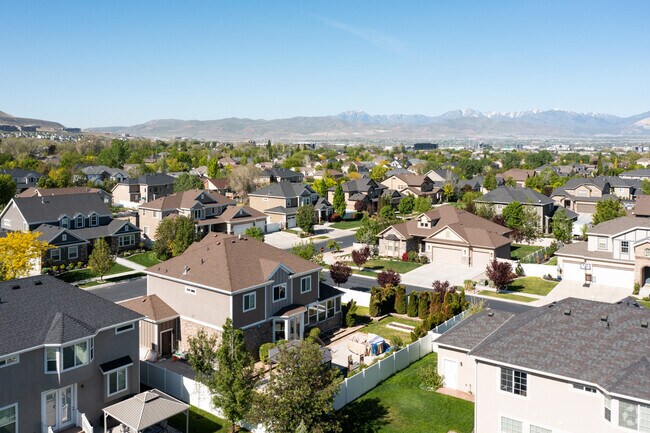
Draper sits right where the Wasatch Mountains start to rise, giving residents a front-row seat to some of Utah's most dramatic scenery without straying far from the conveniences of the Salt Lake Valley. Positioned about 30 minutes south of downtown Salt Lake City, the city offers easy access to world-class ski resorts near Park City, while the UTA TRAX light rail and FrontRunner commuter rail keep everything connected for those who'd rather leave the car at home. Outdoor enthusiasts can take advantage of Corner Canyon Regional Park, which features miles of mountain biking and hiking trails right within city limits.
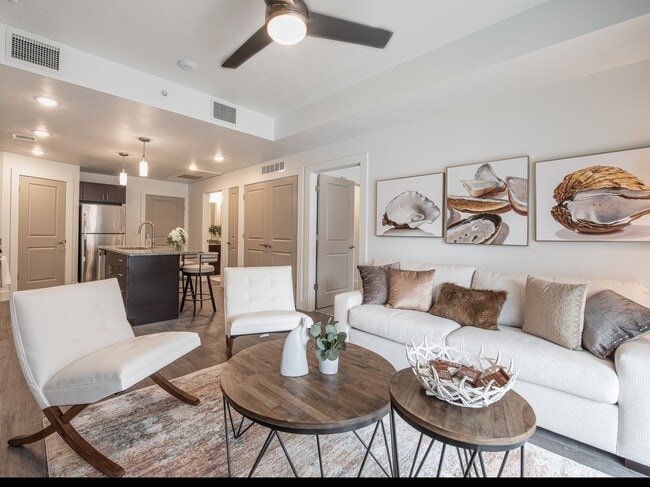
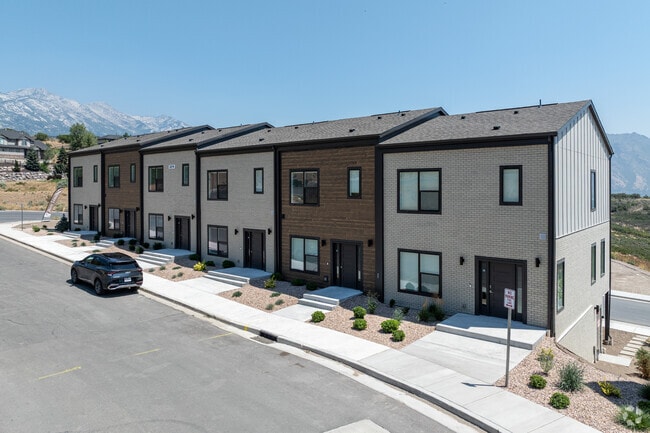
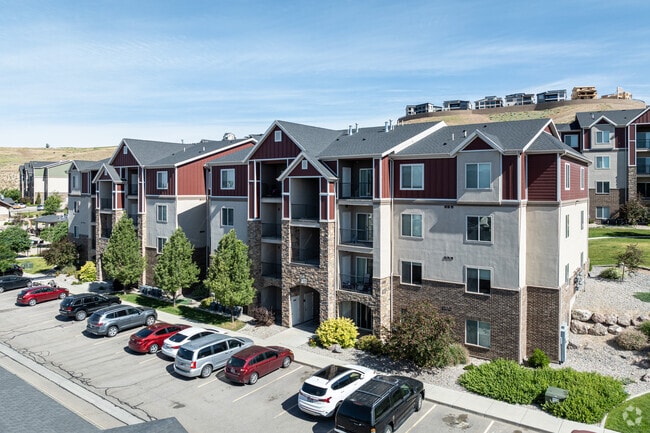
The rental market here covers a solid range of options, from spacious townhomes and garden-style apartment communities to newer high-rise and mid-rise developments near Draper Town Center. Renters can find roomy floor plans that tend to be more generous than what you'd see closer to the urban core. Draper straddled the Salt Lake and Utah County lines when it was officially incorporated in 1978, and it has grown from a quiet agricultural town into one of the region's fastest-expanding cities, drawing major tech employers to its thriving business corridor along the I-15 corridor.
Residents can visit the Loveland Living Planet Aquarium located in Draper, Utah. Stage
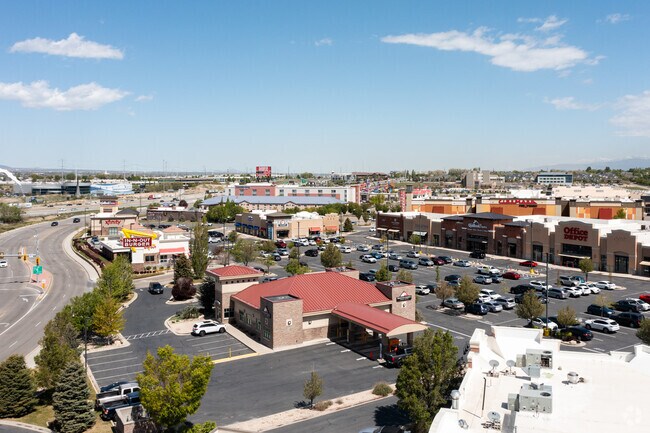
Big box retailers and chain restaurants are the common option in Draper, Utah.
The Andy Ballard Arena is a venue for equestrian and other outdoor events in Draper, Utah.
Draper is home to Smith Fields Park Skatepark for skateboard enthusiasts.
South Mountain Golf Course is a nice neighborhood amenity in Draper, Utah.
The Cycle Park is a multi-purpose cycling venue for mountain biking and dirt jumping located in Draper.
Median Household Income
$121,612
Average: $152,907
Education
18,975
Residents Have a Degree
Job Market
29,122
Workers Employed
Median Age
36 Years
Largest Age Group
15-24 Years
Approximately 16% of Residents
Under 20
28%
Over 65
12%
Housing Distribution
Draper has more homeowners than renters.

Education Distribution
Review this city's overall education levels.

As of September 2026, the average apartment rent in Draper, UT is $1,293 for a studio, $1,450 for one bedroom, $1,859 for two bedrooms, and $2,368 for three bedrooms. Apartment rent in Draper has increased by 1.5% in the past year.
Explore how walkable, bikeable, drivable, and transit-friendly Draper, UT is for everyday living.
Not Walkable
Walkability
Exceptionally Drivable
Drivability
Moderately Bikeable
Bikeability

American Preparatory Academy - Draper #2
Public
Grades K-5
1,068 Students

American Preparatory Academy of Draper
Public
Grades K-5
622 Students
Public
Grades K-8
604 Students

Public
Grades K-5
488 Students
Public
Grades K-5
680 Students

Public
Grades 6-12
2,437 Students
Public
Grades K-8
604 Students
Public
Grades 6-8
1,411 Students
Summit Academy - Draper Campus
Public
Grades PK-8
601 Students

Public
Grades K-12

Public
Grades 6-12
2,437 Students
Public
Grades 7-12
Public
Grades K-12
Public
Grades 9-12
 The GreatSchools Rating helps parents compare schools within a state based on a variety of school quality indicators and provides a helpful picture of how effectively each school serves all of its students. Ratings are on a scale of 1 (below average) to 10 (above average) and can include test scores, college readiness, academic progress, advanced courses, equity, discipline and attendance data. We also advise parents to visit schools, consider other information on school performance and programs, and consider family needs as part of the school selection process.
View GreatSchools Rating Methodology
Data provided by
GreatSchools.org
© 2026. All rights reserved.
The GreatSchools Rating helps parents compare schools within a state based on a variety of school quality indicators and provides a helpful picture of how effectively each school serves all of its students. Ratings are on a scale of 1 (below average) to 10 (above average) and can include test scores, college readiness, academic progress, advanced courses, equity, discipline and attendance data. We also advise parents to visit schools, consider other information on school performance and programs, and consider family needs as part of the school selection process.
View GreatSchools Rating Methodology
Data provided by
GreatSchools.org
© 2026. All rights reserved.
† Our analysis of utilities, groceries, transportation, healthcare, home prices, and other goods and services is sourced from the Cost of Living Index, a respected benchmark published by the Council for Community and Economic Research (C2ER) that provides a thorough overview of living expenses across different regions.
Rent data is provided by CoStar Group’s Market Trend reports. As the industry leader in commercial real estate information, analytics, and news, CoStar conducts extensive research to produce and maintain a comprehensive database of commercial real estate information. We combine this data with public record to provide the most up-to-date rental information available.
Consumer goods, services, and home prices are sourced from the Cost of Living Index published by the Council for Community and Economic Research (C2ER). The data on this page is updated quarterly. It was last published in September 2026.
Demographic information comes from Neustar and combines detailed address data with U.S. Census and American Community Survey statistics to produce reliable local estimates.