Median Age
34 Years
Largest Age Group
25-34 Years
Approximately 16% of Residents
Under 20
28%
Over 65
12%

Avg Rent
$1,644
Population
54,827
Renter Mix
50% Rent
Colton earned its nickname "Hub City" honestly — sitting at the crossroads of Interstates 10 and 215 in the heart of the Inland Empire, this San Bernardino County city of roughly 55,000 has been a transportation anchor since the Southern Pacific Railway arrived in 1875. That railroad legacy is still visible today at Colton Crossing, once one of the most active at-grade rail intersections in the country. The city sits about 54 miles east of Los Angeles, making it a practical base for anyone working across the wider Inland Empire corridor.
Neighborhoods here range from quieter residential pockets near Grand Terrace to busier stretches along Valley Boulevard and Mount Vernon Avenue. The housing mix includes single-family rentals, duplexes, and established apartment communities offering studios through multi-bedroom floor plans. Options tend to run more accessible than coastal Southern California, giving renters more square footage for their dollar. Whether you're drawn to the mountain backdrop, the straightforward pace of a mid-sized inland city, or the easy freeway access to San Bernardino, Riverside, and beyond, Colton offers a grounded version of Southern California living without the coastal price tag.
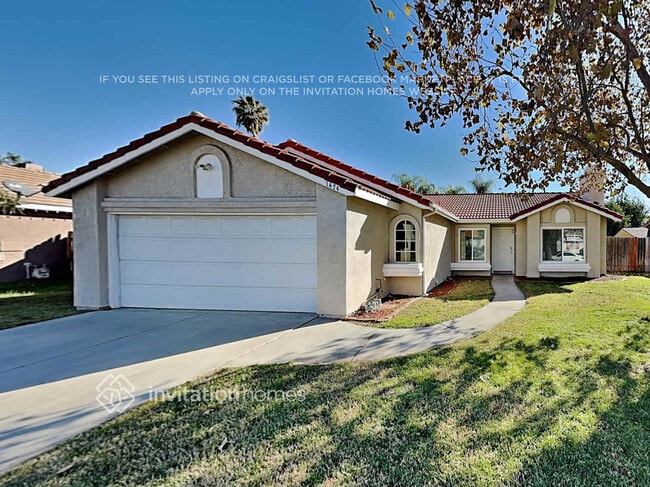
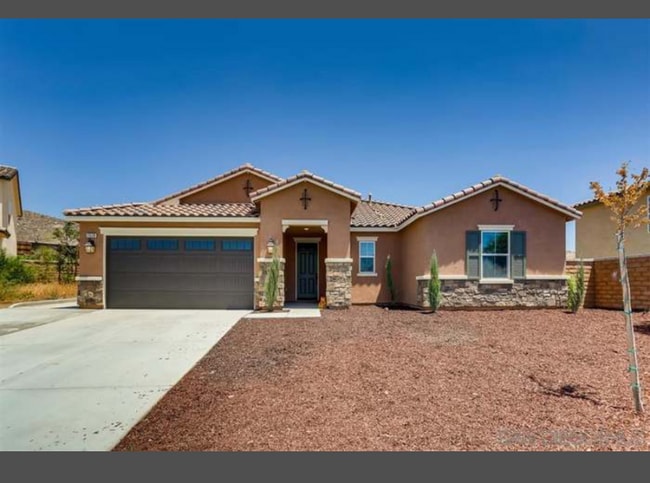
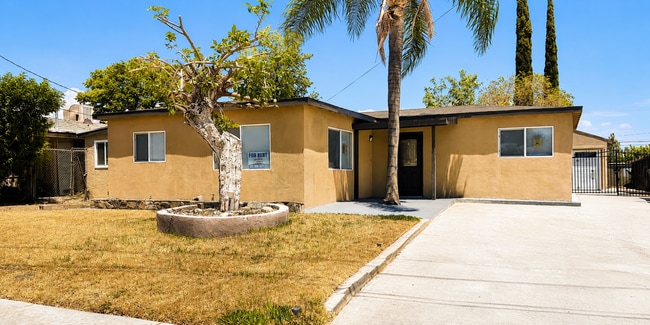
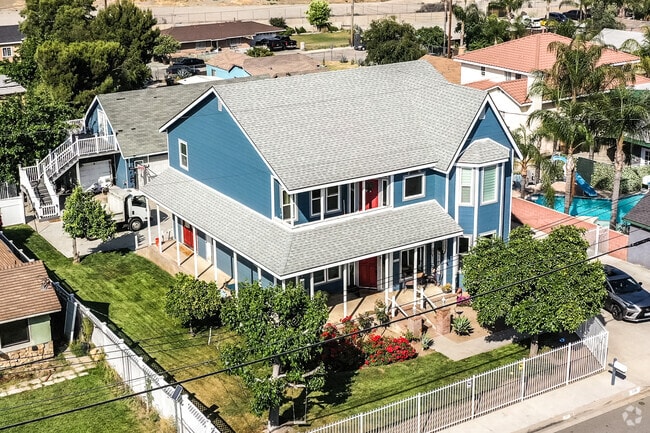
This large Prarie home fills this Colton lot.
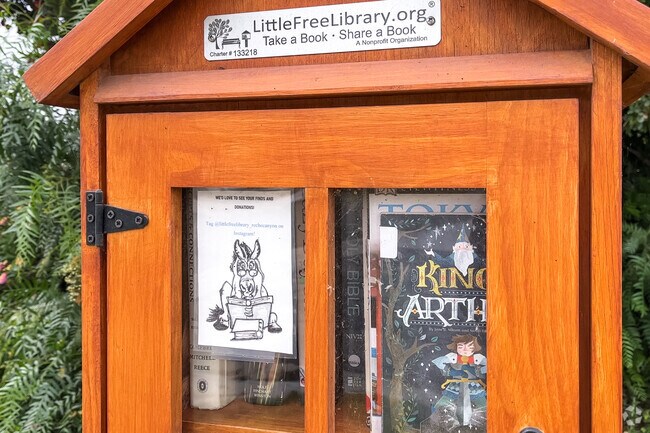
Little community libraries stand on residential corners of Colton, San Bernardino.
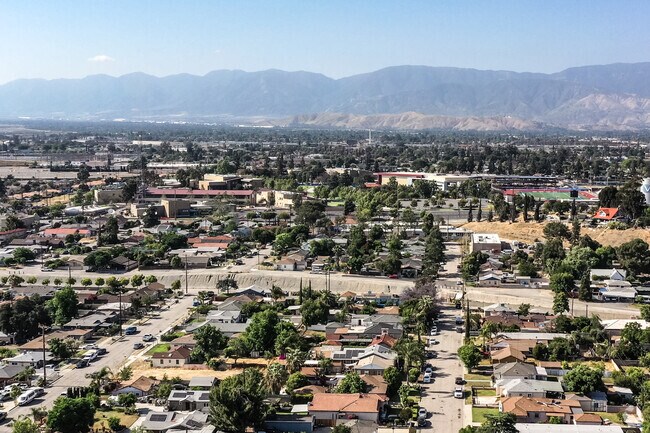
Mountain views from Colton High School.
Colton residents enjoy taking walks in the beautiful parks nearby.
Explore your green thumb at the Arrowhead Regional Farmers Market in Colton.
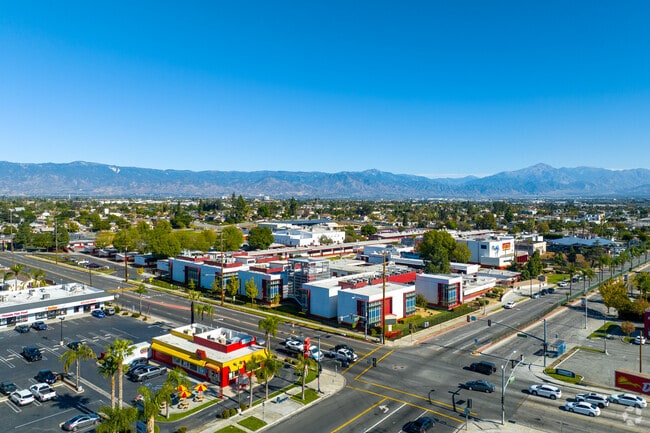
Colton is a transportation hub connecting I-215 and I-10.
Median Household Income
$64,684
Average: $78,476
Education
8,058
Residents Have a Degree
Job Market
24,879
Workers Employed
Median Age
34 Years
Largest Age Group
25-34 Years
Approximately 16% of Residents
Under 20
28%
Over 65
12%
Housing Distribution
In Colton, there are roughly the same number of renters and homeowners.

Education Distribution
Review this city's overall education levels.

As of July 2026, the average apartment rent in Colton, CA is $1,565 for a studio, $1,644 for one bedroom, $1,897 for two bedrooms, and $2,303 for three bedrooms. Apartment rent in Colton has increased by 2.0% in the past year.
Explore how walkable, bikeable, drivable, and transit-friendly Colton, CA is for everyday living.
Fairly Walkable
Walkability
Limited Public Transit
Transit
Exceptionally Drivable
Drivability
Fairly Bikeable
Bikeability

Public
Grades K-5
608 Students

Ernest Garcia Elementary School
Public
Grades K-5
608 Students
Ulysses Grant Elementary School
Public
Grades K-5
589 Students
Public
Grades K-5
589 Students
Public
Grades K-5
604 Students

Public
Grades 6-8
1,444 Students

William G. Jehue Middle School
Public
Grades 6-8
1,444 Students
Public
Grades 6-8
870 Students

Public
Grades 6-8
870 Students
Public
Grades 9-12
1,729 Students

Public
Grades 9-12
1,729 Students
 The GreatSchools Rating helps parents compare schools within a state based on a variety of school quality indicators and provides a helpful picture of how effectively each school serves all of its students. Ratings are on a scale of 1 (below average) to 10 (above average) and can include test scores, college readiness, academic progress, advanced courses, equity, discipline and attendance data. We also advise parents to visit schools, consider other information on school performance and programs, and consider family needs as part of the school selection process.
View GreatSchools Rating Methodology
Data provided by
GreatSchools.org
© 2026. All rights reserved.
The GreatSchools Rating helps parents compare schools within a state based on a variety of school quality indicators and provides a helpful picture of how effectively each school serves all of its students. Ratings are on a scale of 1 (below average) to 10 (above average) and can include test scores, college readiness, academic progress, advanced courses, equity, discipline and attendance data. We also advise parents to visit schools, consider other information on school performance and programs, and consider family needs as part of the school selection process.
View GreatSchools Rating Methodology
Data provided by
GreatSchools.org
© 2026. All rights reserved.
† Our analysis of utilities, groceries, transportation, healthcare, home prices, and other goods and services is sourced from the Cost of Living Index, a respected benchmark published by the Council for Community and Economic Research (C2ER) that provides a thorough overview of living expenses across different regions.
Rent data is provided by CoStar Group’s Market Trend reports. As the industry leader in commercial real estate information, analytics, and news, CoStar conducts extensive research to produce and maintain a comprehensive database of commercial real estate information. We combine this data with public record to provide the most up-to-date rental information available.
Consumer goods, services, and home prices are sourced from the Cost of Living Index published by the Council for Community and Economic Research (C2ER). The data on this page is updated quarterly. It was last published in June 2026.
Demographic information comes from Neustar and combines detailed address data with U.S. Census and American Community Survey statistics to produce reliable local estimates.