Median Age
36 Years
Largest Age Group
25-34 Years
Approximately 18% of Residents
Under 20
24%
Over 65
17%

Avg Rent
$1,454
Population
25,769
Renter Mix
67% Rent
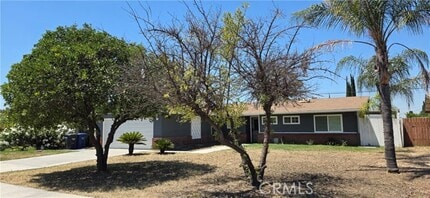
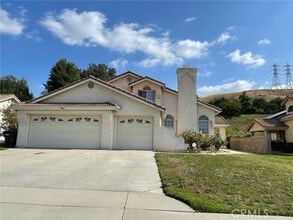
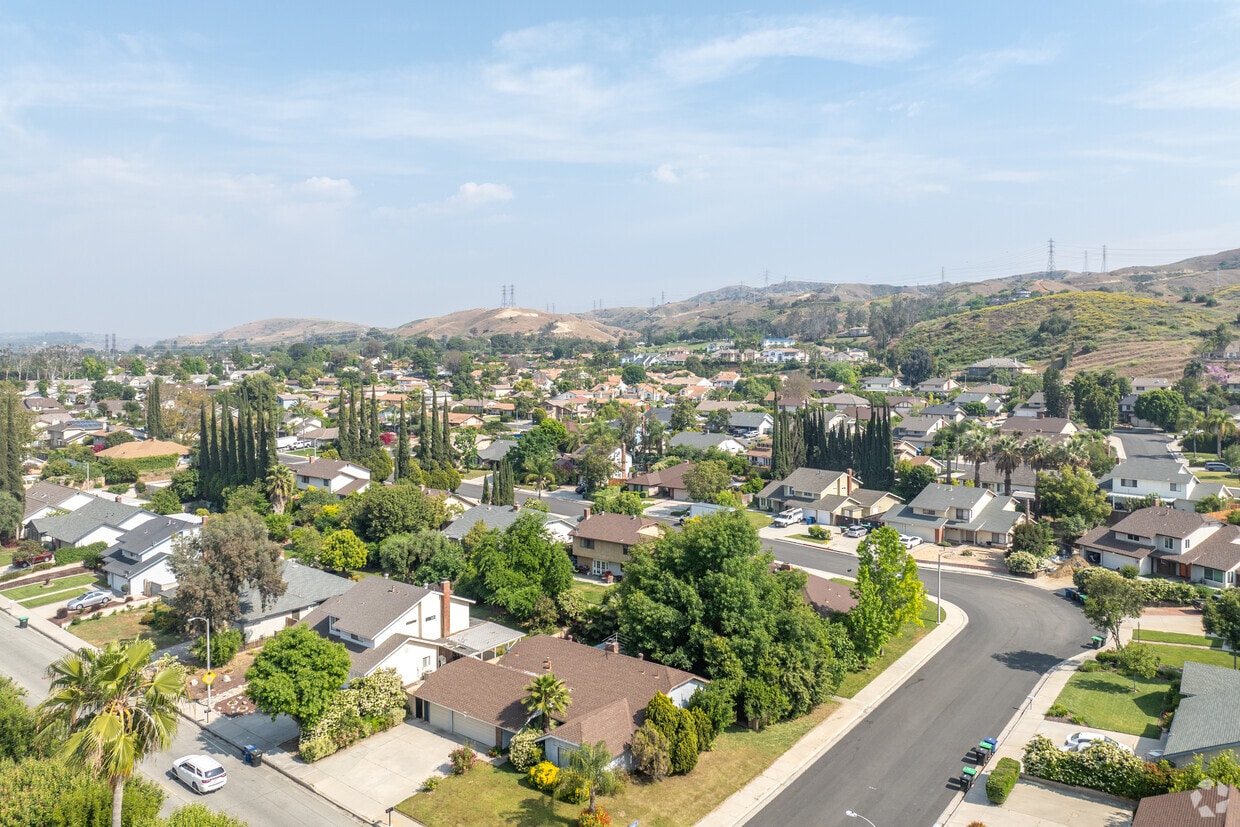
Loma Linda translates from Spanish as "beautiful hill," and the city lives up to that name with a calm, grounded presence in San Bernardino County, about 60 miles east of Los Angeles. The city's identity is shaped largely by Loma Linda University and its affiliated medical center, one of the most recognized health systems in Southern California. That academic and medical foundation gives the area a purposeful, steady energy distinct from other Inland Empire communities. The Seventh-day Adventist Church has been woven into the city's fabric since 1905, contributing to a culture that leans toward wellness, plant-based living, and a quieter pace. Neighboring Redlands and Colton sit just minutes away, expanding options for dining and everyday errands. The housing mix includes apartment communities, condos, and single-family rentals spread across a compact nine square miles. Renters tend to choose Loma Linda for its accessibility to Interstate 10 and the 215, its proximity to the university and medical campus, and its noticeably lower-key atmosphere compared to larger Inland Empire cities. It is a place where suburban steadiness and institutional significance exist side by side.
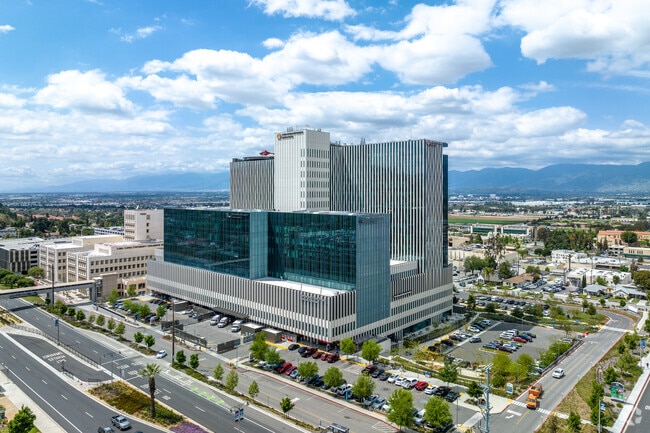
Beautiful architectural building of Loma Linda University Medical Center.
Dine in and enjoy the serene atmosphere of Masala Indo-Pak Cuisine in Loma Linda.
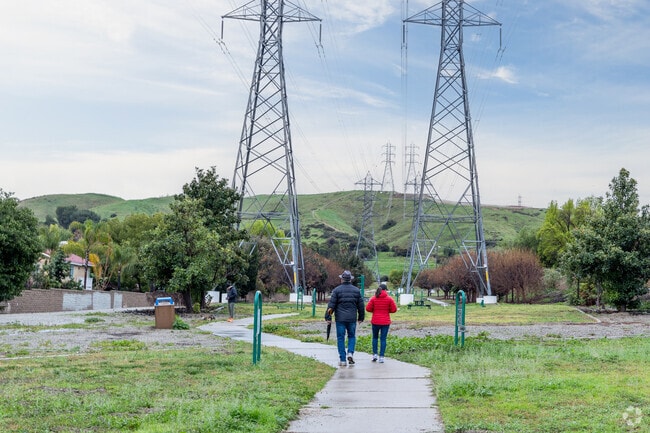
Residents enjoy long walking path conveniently located between the homes in Loma Linda.
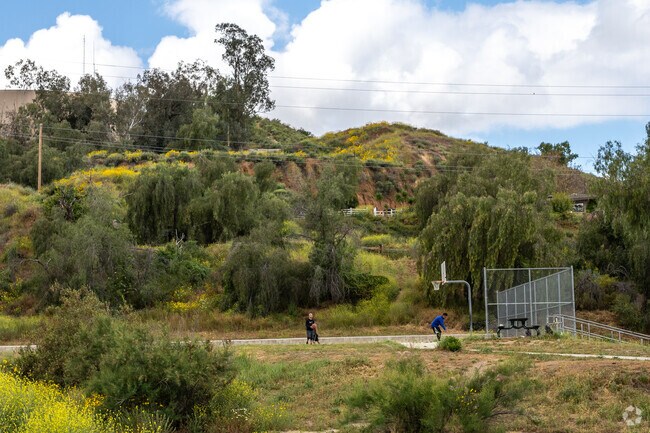
Mountain biking is a favorite activity to do in the hills of Loma Linda.
Loma Linda offers incredible views of the San Bernardino Mountains.
Biking is a beloved activity for everyone in Loma Linda.
Median Household Income
$70,435
Average: $92,374
Education
10,217
Residents Have a Degree
Job Market
11,950
Workers Employed
Median Age
36 Years
Largest Age Group
25-34 Years
Approximately 18% of Residents
Under 20
24%
Over 65
17%
Housing Distribution
Loma Linda has more renters than homeowners.

Education Distribution
Review this city's overall education levels.

As of July 2026, the average apartment rent in Loma Linda, CA is $874 for a studio, $1,454 for one bedroom, $2,067 for two bedrooms, and $2,609 for three bedrooms. Apartment rent in Loma Linda has increased by 0.9% in the past year.
Explore how walkable, bikeable, drivable, and transit-friendly Loma Linda, CA is for everyday living.
Moderately Walkable
Walkability
Limited Public Transit
Transit
Very Drivable
Drivability
Fairly Bikeable
Bikeability

Public
Grades K-5
622 Students

Public
Grades K-5
622 Students
 The GreatSchools Rating helps parents compare schools within a state based on a variety of school quality indicators and provides a helpful picture of how effectively each school serves all of its students. Ratings are on a scale of 1 (below average) to 10 (above average) and can include test scores, college readiness, academic progress, advanced courses, equity, discipline and attendance data. We also advise parents to visit schools, consider other information on school performance and programs, and consider family needs as part of the school selection process.
View GreatSchools Rating Methodology
Data provided by
GreatSchools.org
© 2026. All rights reserved.
The GreatSchools Rating helps parents compare schools within a state based on a variety of school quality indicators and provides a helpful picture of how effectively each school serves all of its students. Ratings are on a scale of 1 (below average) to 10 (above average) and can include test scores, college readiness, academic progress, advanced courses, equity, discipline and attendance data. We also advise parents to visit schools, consider other information on school performance and programs, and consider family needs as part of the school selection process.
View GreatSchools Rating Methodology
Data provided by
GreatSchools.org
© 2026. All rights reserved.
† Our analysis of utilities, groceries, transportation, healthcare, home prices, and other goods and services is sourced from the Cost of Living Index, a respected benchmark published by the Council for Community and Economic Research (C2ER) that provides a thorough overview of living expenses across different regions.
Rent data is provided by CoStar Group’s Market Trend reports. As the industry leader in commercial real estate information, analytics, and news, CoStar conducts extensive research to produce and maintain a comprehensive database of commercial real estate information. We combine this data with public record to provide the most up-to-date rental information available.
Consumer goods, services, and home prices are sourced from the Cost of Living Index published by the Council for Community and Economic Research (C2ER). The data on this page is updated quarterly. It was last published in June 2026.
Demographic information comes from Neustar and combines detailed address data with U.S. Census and American Community Survey statistics to produce reliable local estimates.