Area Guide

Chinatown Boston, MA

The famous Chinatown, a vibrant, cultural hub in downtown Boston

Lively Culture Historic

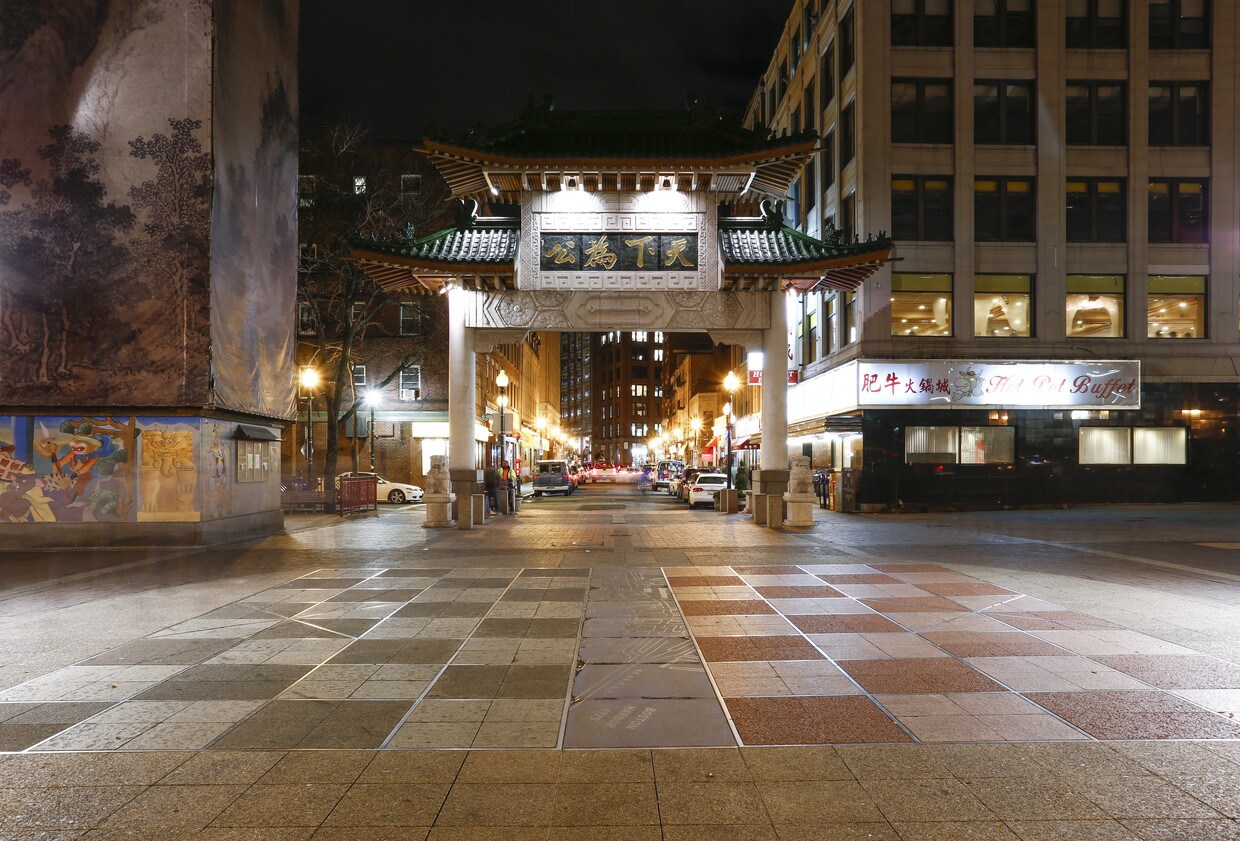
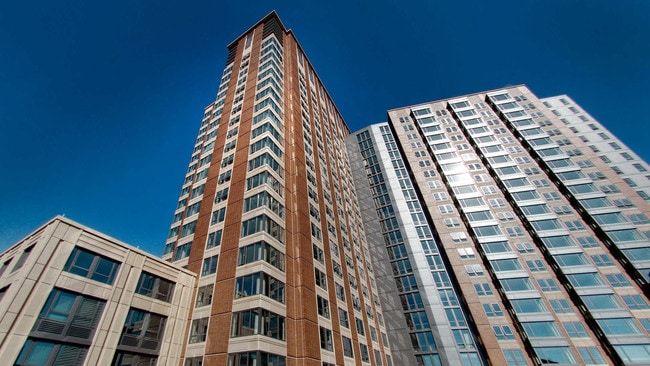
Boston's Chinatown is one of the city's oldest and most culturally vibrant neighborhoods, offering a living experience that blends deep history with the energy of a 24-hour urban hub. Anchored by the iconic Chinatown Gate on Beach Street, the neighborhood sits at the intersection of the Theater District, Downtown Crossing, and the South End, putting residents close to some of Boston's most active corridors. The Tufts Medical Center campus brings a steady academic and healthcare presence to the area, contributing to the neighborhood's round-the-clock rhythm. Housing here reflects Chinatown's dense, urban character, with mid-rise communities, converted brick buildings, and mixed-use structures that keep everyday conveniences within easy reach. Green space, exceptional dining, and convenient transit are all part of the package, making Chinatown one of the more well-rounded addresses in the city. Rents tend to be more accessible than in neighboring downtown areas, which makes it especially appealing for renters who want a central location without stretching their budget. Whether you're drawn by the neighborhood's history, its culinary scene, or simply its prime location, Chinatown offers a city living experience that's hard to match anywhere else in Boston.

Explore the Neighborhood

Rent Trends

As of July 2026, the average apartment rent in Chinatown is $2,923 for a studio, $3,720 for one bedroom, $4,530 for two bedrooms, and $5,406 for three bedrooms. Apartment rent in Chinatown has increased by 3.9% in the past year.

  • Studio

  • 435 sq ft

    Average Sq Ft

  • $2,923/month

    Average Rent

  • 1 BR

  • 702 sq ft

    Average Sq Ft

  • $3,720/month

    Average Rent

  • 2 BR

  • 1,369 sq ft

    Average Sq Ft

  • $4,530/month

    Average Rent

  • 3 BR

  • 1,310 sq ft

    Average Sq Ft

  • $5,406/month

    Average Rent

Learn More About Chinatown

Getting Around

Exceptionally Walkable

Walkability

100 / 100

Exceptional Public Transit

Transit

100 / 100

Somewhat Drivable

Drivability

30 / 100

Moderately Bikeable

Bikeability

70 / 100

Daily Essentials

Supermarket Within a 5 Minute Walk

Groceries

100 / 100

Exceptional Restaurant Variety Nearby

Restaurants

100 / 100

Exceptional Café Variety Nearby

Cafes

100 / 100

Exceptional Variety of Shops Nearby

Shopping

100 / 100

Recreation

Exceptional Amount of Park Space Nearby

Parks

100 / 100

Exceptional Wellness Amenity Variety Nearby

Wellness

100 / 100

Local Vibe

Exceptionally Vibrant Atmosphere

Vibrancy

100 / 100

Exceptional Nightlife Variety Nearby

Nightlife

90 / 100

Moderately Noisy

Quiet Score

40 / 100

Points of Interest

Parks and Recreation

  • Boston Public Garden
  • Boston African American National Historic Site
  • Boston Harbor Islands National Recreation Area
  • Boston National Historical Park
  • Boston Children's Museum

Airports

  • General Edward Lawrence Logan International

Top Apartments in Chinatown

Houses for Rent in Chinatown

Living in Chinatown

History

-

Boston's Chinatown traces its roots to the mid-19th century, when Chinese laborers arrived in the city following the completion of the transcontinental railroad. The neighborhood became a hub for Chinese immigrants and grew steadily through the early 20th century, despite facing restrictive immigration policies that limited its population. Today, Chinatown remains one of the oldest and most historically significant Chinese communities on the East Coast. The area's narrow streets and densely packed blocks reflect its origins as a working-class immigrant enclave. The Chinatown Gate on Beach Street, a gift from the city of Taipei, stands as a prominent landmark and a symbol of the neighborhood's cultural heritage. Much of the historic building stock has been preserved, while former warehouses and commercial buildings along the edges of the neighborhood have been converted into residences and mixed-use spaces.

Restaurants

-

Boston's Chinatown is one of the most exciting dining destinations in the city, packed with authentic flavors from across Asia. The neighborhood's compact streets are lined with Cantonese dim sum parlors, Vietnamese pho shops, Sichuan hot pot restaurants, and Taiwanese bubble tea cafes. Stalwarts like Hei La Moon draw crowds for weekend dim sum, while late-night spots keep the neighborhood buzzing well after other parts of the city have gone quiet. Beyond Chinese cuisine, you'll find Korean, Japanese, and Vietnamese options all within easy walking distance. For food lovers, living here means having some of Boston's most flavorful and affordable dining right at your doorstep.

Transportation

-

Chinatown is one of Boston's most walkable neighborhoods, putting the best of the city within easy reach on foot. The Orange Line stops directly in the neighborhood at Tufts Medical Center and Chinatown stations, while the Green Line's Boylston and Arlington stops are just a short walk away. Several MBTA bus routes also run through the area, adding even more flexibility for getting around. Commuters heading downtown or to the Longwood Medical Area have a quick, easy ride, and Logan International Airport is accessible via the Silver Line at South Station, just minutes away.

Parks

-

Chinatown sits close to some of Boston's most beloved green spaces. The Rose Kennedy Greenway runs along the neighborhood's edge, offering a beautifully landscaped linear park with open lawns, public art, and seasonal programming perfect for a midday stroll or weekend afternoon outside. Boston Common and the Public Garden are just a short walk away, giving you access to iconic open space, walking paths, and the famous Swan Boats in warmer months. The nearby Chinatown Park, tucked along the Greenway, provides a welcoming neighborhood gathering spot with benches, plantings, and a peaceful place to unwind without leaving the area.

Cost

-

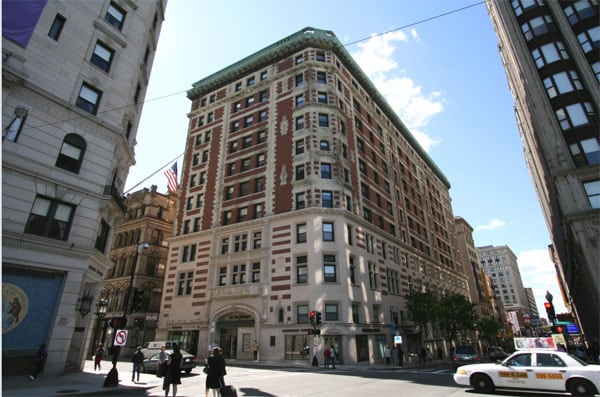
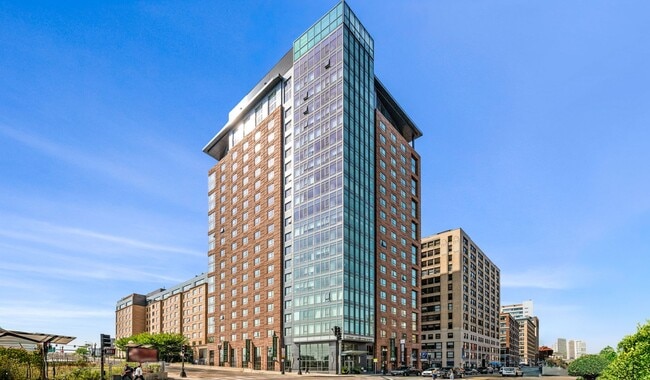
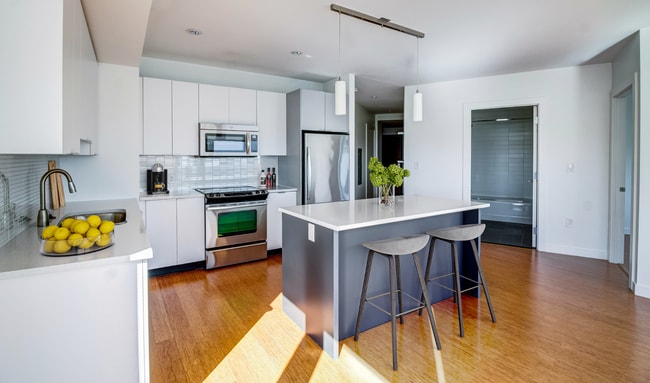
Chinatown is one of Boston's more affordable neighborhoods, making it an appealing option for renters who want to be close to downtown without paying downtown prices. Rents here tend to be lower than in neighboring areas like the Financial District and South End, though proximity to the Tufts Medical Center campus and the Theater District can push prices higher in certain pockets. The housing mix includes older walk-up apartments, converted lofts, and newer mid-rise buildings, giving renters a range of options at different price points.

Shopping

-

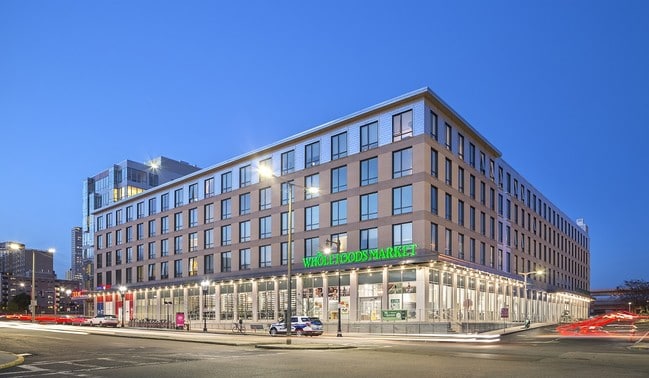
Boston's Chinatown is a shopper's dream for those who love specialty groceries, herbal shops, and one-of-a-kind finds. The neighborhood's main corridor along Beach Street and Washington Street is lined with Asian supermarkets, bakeries, and import stores stocking everything from fresh produce and seafood to kitchenware and traditional remedies. C-Mart Supermarket is a local staple for hard-to-find ingredients and pantry essentials. Just steps away, Downtown Crossing puts major retailers and the historic Macy's flagship within easy walking distance, while the nearby South End offers boutique shopping along Tremont Street. Whether you're stocking your kitchen or browsing local goods, Chinatown delivers a truly distinctive retail experience.

Highlights

-

Boston's Chinatown is one of the oldest and most storied neighborhoods in the country, packed with authentic dim sum spots, bustling markets, and rich cultural heritage. Tucked between Downtown Crossing and the Theater District, it offers easy access to the MBTA, world-class hospitals, and some of the city's best late-night eats — all within a compact, walkable footprint.

Search Nearby Rentals

Methodology

† Our analysis of utilities, groceries, transportation, healthcare, home prices, and other goods and services is sourced from the Cost of Living Index, a respected benchmark published by the Council for Community and Economic Research (C2ER) that provides a thorough overview of living expenses across different regions.

Rent data is provided by CoStar Group’s Market Trend reports. As the industry leader in commercial real estate information, analytics, and news, CoStar conducts extensive research to produce and maintain a comprehensive database of commercial real estate information. We combine this data with public record to provide the most up-to-date rental information available.

Consumer goods, services, and home prices are sourced from the Cost of Living Index published by the Council for Community and Economic Research (C2ER). The data on this page is updated quarterly. It was last published in June 2026.

Demographic information comes from Neustar and combines detailed address data with U.S. Census and American Community Survey statistics to produce reliable local estimates.