Background Image

Area Guide

Leather District Boston, MA

A historic and modern neighborhood on the rise

Urban Historic Vibrant

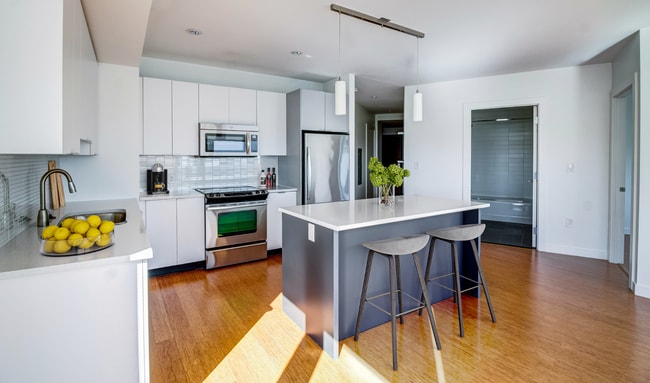
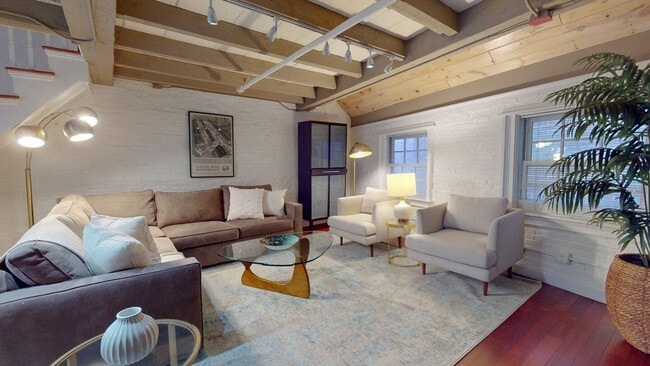
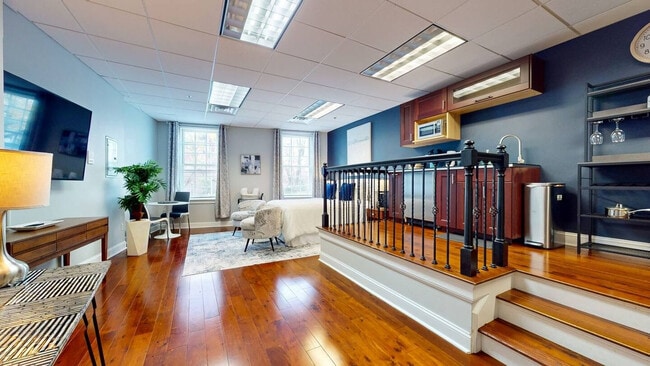
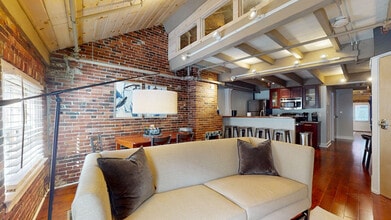
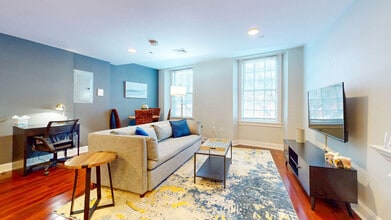
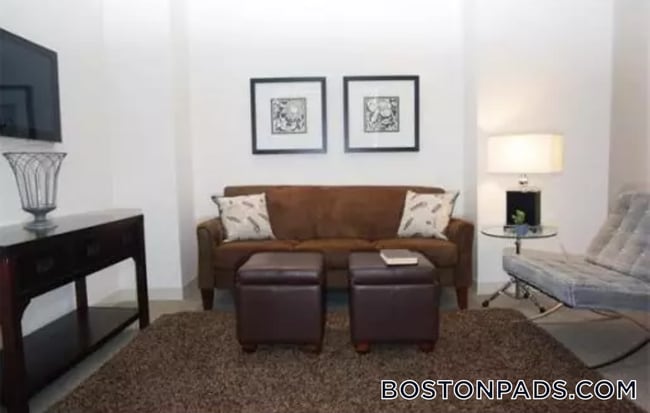
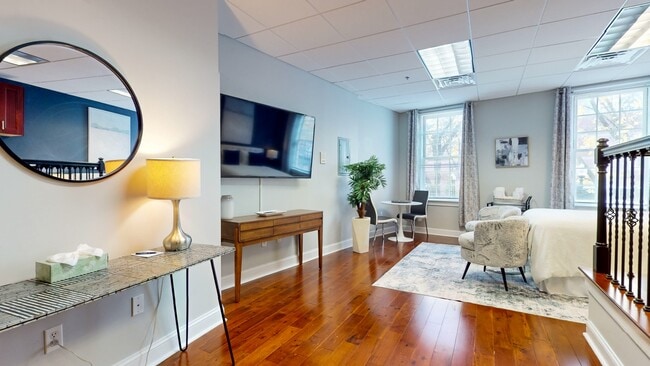
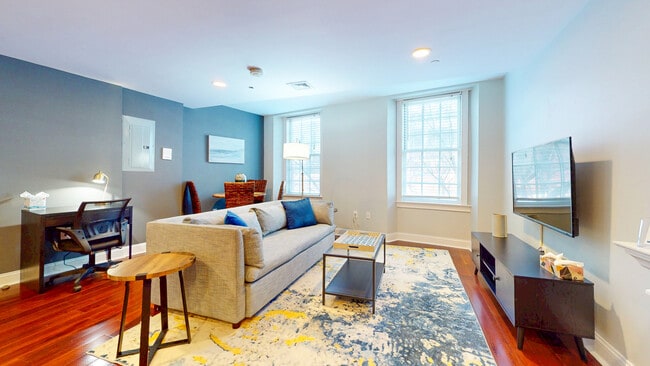
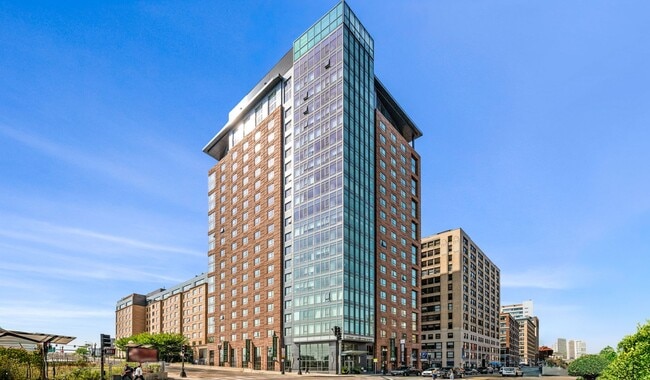
Boston's Leather District is a small, historically rich neighborhood just south of Downtown Crossing, sharing its northern border with Chinatown. The area takes its name from the leather and hide trade that once drove commerce here, and the robust brick-and-granite warehouse buildings constructed during that era still shape the streetscape today. Those structures have since been converted into loft-style apartments with soaring ceilings, exposed timber beams, and oversized windows that newer buildings simply can't replicate. A modest selection of boutique apartment communities rounds out the rental options, all within the same walkable footprint. Despite its compact scale, the neighborhood places residents within easy reach of South Station, the Financial District, and the Rose Kennedy Greenway, making it a genuinely convenient place to live without the noise and density of being directly in the city center. Daily life here feels grounded rather than rushed, with dining, transit, green space, and downtown amenities all close at hand. For renters who want real architectural character, a strong sense of place, and immediate access to everything Boston offers, the Leather District is worth a serious look.

Explore the Neighborhood

Learn More About Leather District

Getting Around

Moderately Walkable

Walkability

70 / 100

Exceptional Public Transit

Transit

100 / 100

Very Drivable

Drivability

80 / 100

Fairly Bikeable

Bikeability

50 / 100

Daily Essentials

Supermarket Within a 5 Minute Walk

Groceries

90 / 100

Exceptional Restaurant Variety Nearby

Restaurants

100 / 100

Exceptional Café Variety Nearby

Cafes

100 / 100

Exceptional Variety of Shops Nearby

Shopping

100 / 100

Recreation

Exceptional Amount of Park Space Nearby

Parks

100 / 100

Exceptional Wellness Amenity Variety Nearby

Wellness

90 / 100

Local Vibe

Exceptionally Vibrant Atmosphere

Vibrancy

90 / 100

Exceptional Nightlife Variety Nearby

Nightlife

100 / 100

Reviews of Leather District - Boston, MA

Niche Reviews Niche logo
5 2 Reviews

Current Resident

4 years and 2 months agoNiche Review

Lots of young families are moving in. Our building has about half the apartments with kids, which is a bit above average. Very convenient cvs, grocery in Chinatown is about 3 blocks away. Great restaurants, local gym. A little noisy at night with south station construction and the new lab buildings going in.

See All Reviews on Niche.com

Points of Interest

Parks and Recreation

  • Boston Harbor Islands National Recreation Area
  • Boston Children's Museum
  • Boston National Historical Park
  • Boston African American National Historic Site
  • New England Aquarium

Airports

  • General Edward Lawrence Logan International

Top Apartments in Leather District

Living in Leather District

History

-

The Leather District takes its name from the leather and hide trade that dominated this corner of Boston in the late 19th century. Wholesale leather merchants, tanners, and shoe industry suppliers once filled the sturdy brick warehouses that still line Essex and Lincoln streets today. These Romanesque Revival and Queen Anne commercial buildings, constructed largely between the 1880s and 1890s, were built to handle heavy industrial use, with thick masonry walls, wide loading bays, and cast-iron details. The neighborhood sits adjacent to the original shoreline of the South Cove, land that was filled in during the mid-1800s to expand the city. Today, those same warehouses have been converted into loft apartments, offices, and studios, preserving the district's industrial character while giving the buildings new life. The Leather District is listed on the National Register of Historic Places as a recognized historic district.

Restaurants

-

The Leather District sits just steps from Chinatown, giving residents easy access to some of Boston's most celebrated Asian cuisine, from hand-pulled noodles and dim sum to Vietnamese pho and Taiwanese bubble tea. The neighborhood itself has a quieter, more intimate dining scene, with a handful of cafes and eateries tucked into its historic warehouse buildings. South Station is nearby, bringing a steady stream of grab-and-go options and casual spots perfect for a quick lunch or coffee run. Whether you're craving a late-night bowl of noodles or a leisurely weekend brunch, the Leather District puts a satisfying meal well within reach.

Transportation

-

Getting around the Leather District is a breeze. The neighborhood is extremely walkable, with South Station just steps away, giving you direct access to the Red Line and Silver Line, plus Amtrak and commuter rail connections throughout Greater Boston. The Orange Line's Tufts Medical Center station is also nearby. Several MBTA bus routes run through the area, and the Southeast Expressway (I-93) is easily accessible for drivers heading north or south. Logan International Airport is just a few miles away via the Silver Line SL1, making travel days stress-free. Cyclists will appreciate the proximity to dedicated bike lanes along Surface Artery and nearby waterfront paths.

Parks

-

The Leather District sits right next to the Rose Kennedy Greenway, Boston's celebrated linear park that stretches along the edge of downtown. This beautifully landscaped corridor offers open lawns, seasonal gardens, public art installations, and a beloved carousel, making it a go-to spot for a relaxing afternoon outdoors. The nearby Fort Point Channel waterfront provides scenic walking paths along the water, while the Harborwalk extends the experience further toward South Boston and the waterfront parks beyond. With the Boston Common and Christopher Columbus Waterfront Park both within easy reach, residents enjoy plenty of green space just steps from home.

Cost

-

The Leather District sits at the higher end of Boston's rental market, reflecting its prime downtown location and proximity to the Financial District and South Station. Converted loft-style apartments in historic warehouse buildings tend to command premium prices, and the neighborhood's compact size means there's little variation in pricing from block to block. Renters here are mostly choosing between studios and one-bedrooms, with larger units available but less common. If you're drawn to the area but watching your budget, nearby Chinatown and South End offer more pricing flexibility.

Shopping

-

The Leather District sits right on the edge of Downtown Boston, putting some of the city's best shopping within easy reach. Nearby Downtown Crossing is a go-to for retail therapy, anchored by Macy's and lined with independent shops, jewelers, and street vendors. The adjacent South End offers a more curated mix of boutiques, home goods stores, and local designers along Tremont and Washington Streets. For everyday essentials, the neighborhood's proximity to Chinatown means fresh markets and specialty grocery stores are just steps away. Whether you're hunting for something specific or just browsing, you're never far from a great find.

Highlights

-

The Leather District is one of Boston's most compact and character-rich neighborhoods, tucked between Downtown Crossing and the Rose Kennedy Greenway. Former warehouse and factory buildings have been transformed into loft-style residences, creative offices, and local eateries, giving the area an industrial-chic feel. With easy access to South Station and the MBTA, getting around the city — or beyond — is effortless from here.

Search Nearby Rentals

Methodology

† Our analysis of utilities, groceries, transportation, healthcare, home prices, and other goods and services is sourced from the Cost of Living Index, a respected benchmark published by the Council for Community and Economic Research (C2ER) that provides a thorough overview of living expenses across different regions.

Rent data is provided by CoStar Group’s Market Trend reports. As the industry leader in commercial real estate information, analytics, and news, CoStar conducts extensive research to produce and maintain a comprehensive database of commercial real estate information. We combine this data with public record to provide the most up-to-date rental information available.

Consumer goods, services, and home prices are sourced from the Cost of Living Index published by the Council for Community and Economic Research (C2ER). The data on this page is updated quarterly. It was last published in June 2026.

Demographic information comes from Neustar and combines detailed address data with U.S. Census and American Community Survey statistics to produce reliable local estimates.