Atlanta
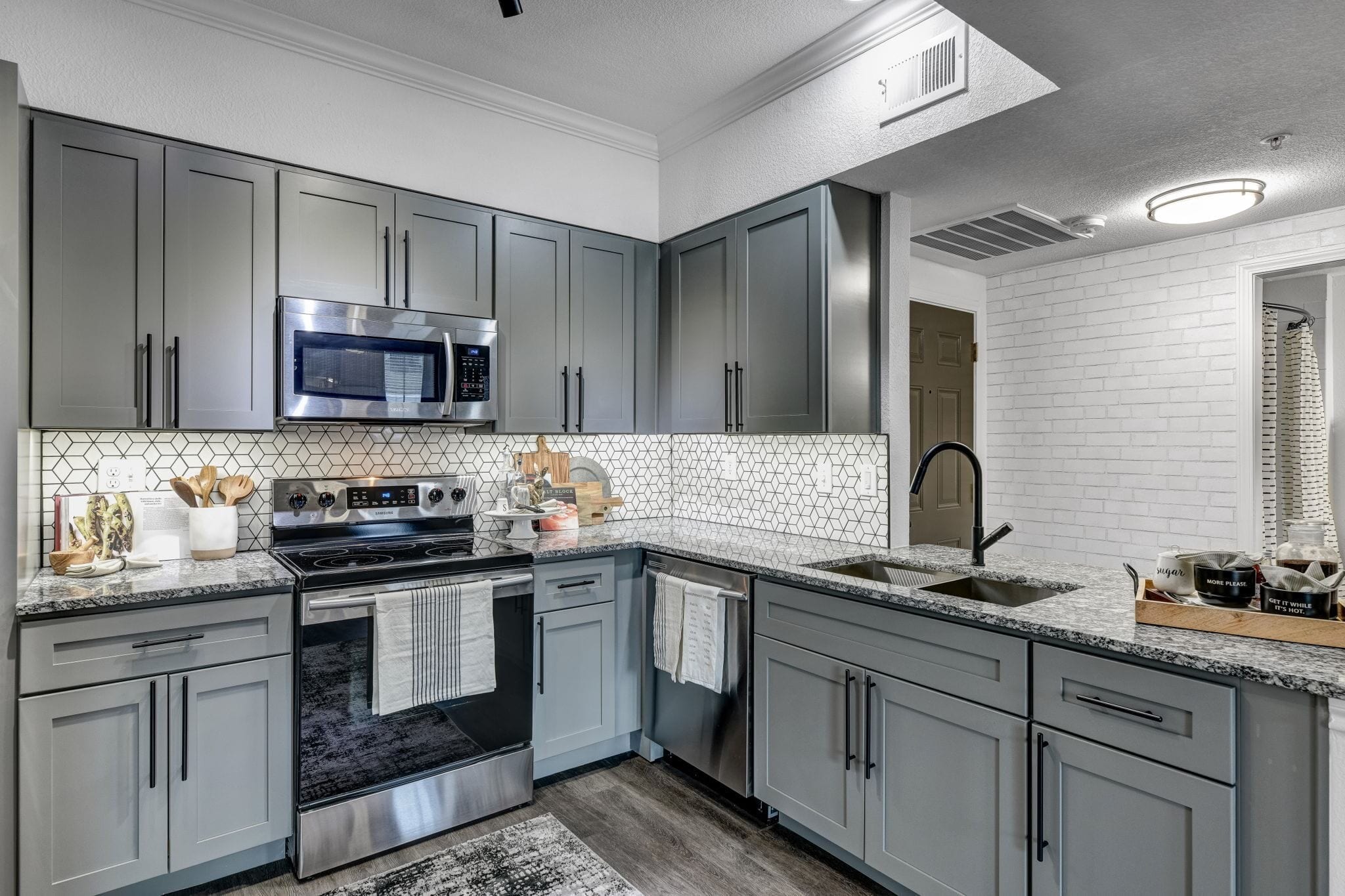
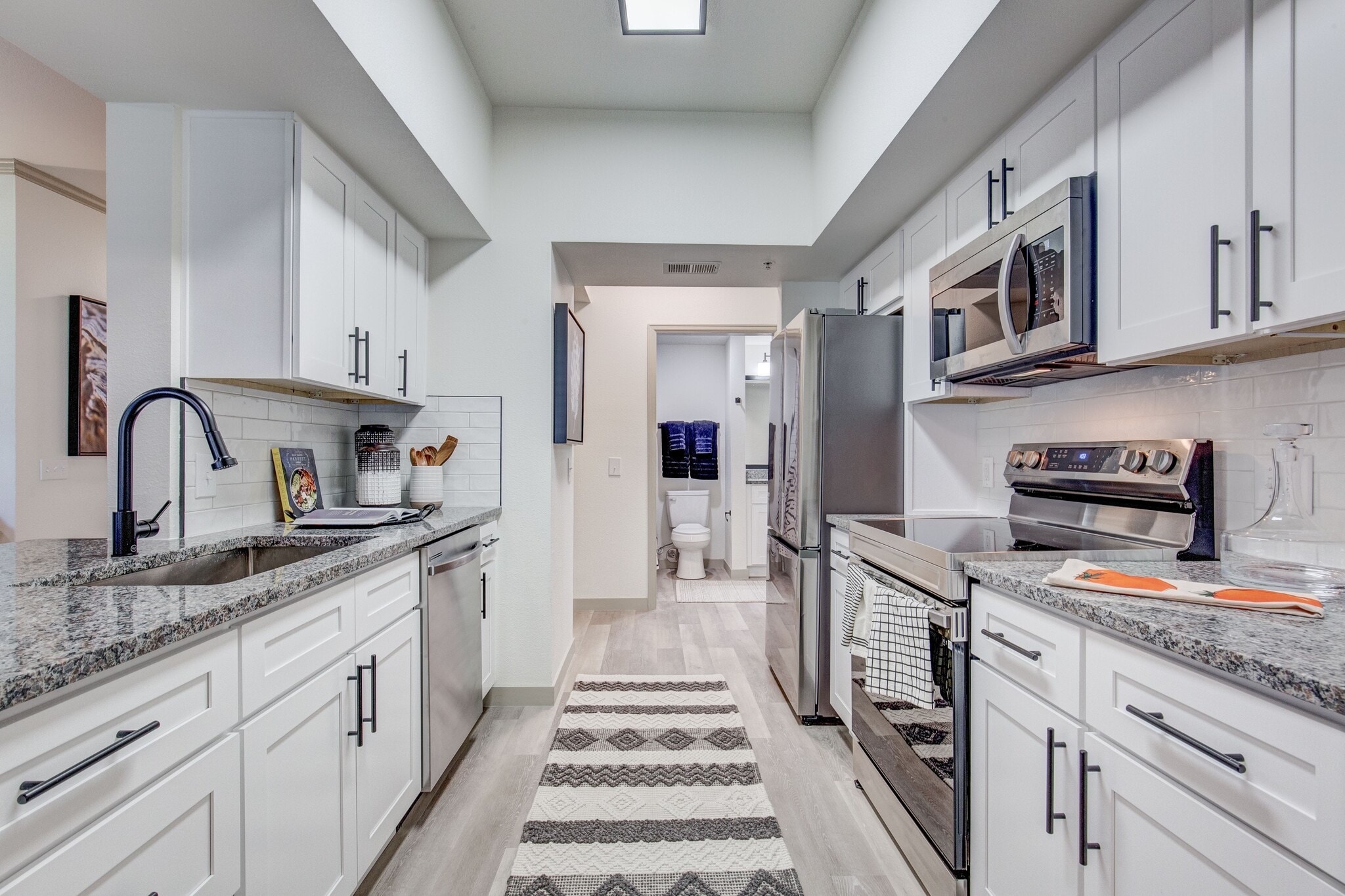
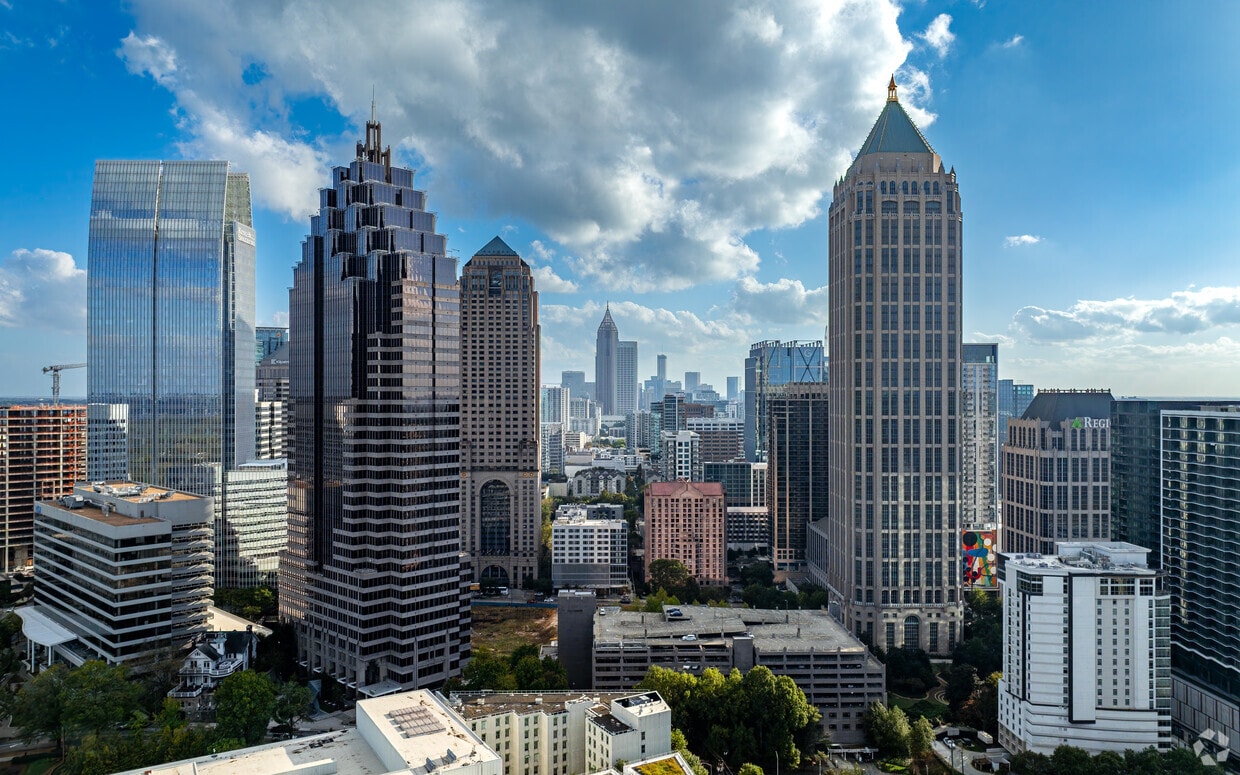
Atlanta sits among the foothills of the Appalachian Mountains, giving it a topography unlike most major Southern cities, with rolling hills, tree-lined streets, and some of the densest urban tree coverage in the country. The Georgia capital has a metro population of more than 6.4 million people, yet its neighborhoods manage to feel surprisingly close-knit. Buckhead draws shoppers and diners, Midtown anchors the arts scene, and Old Fourth Ward has become one of the most talked-about areas in the city for food and outdoor space. The city hosts a number of annual events and festivals, including the Atlanta Dogwood Festival held each spring at Piedmont Park. Renters in Atlanta will find a solid mix of housing styles, from high-rise apartment communities in Midtown and Downtown to lofts in converted historic buildings, townhomes in quieter neighborhoods, and mid-rise communities spread across the broader metro. Georgia State University, Georgia Tech, Emory University, and Clark Atlanta University all call the city home, which adds to the steady pulse of activity throughout the year.
Arlington
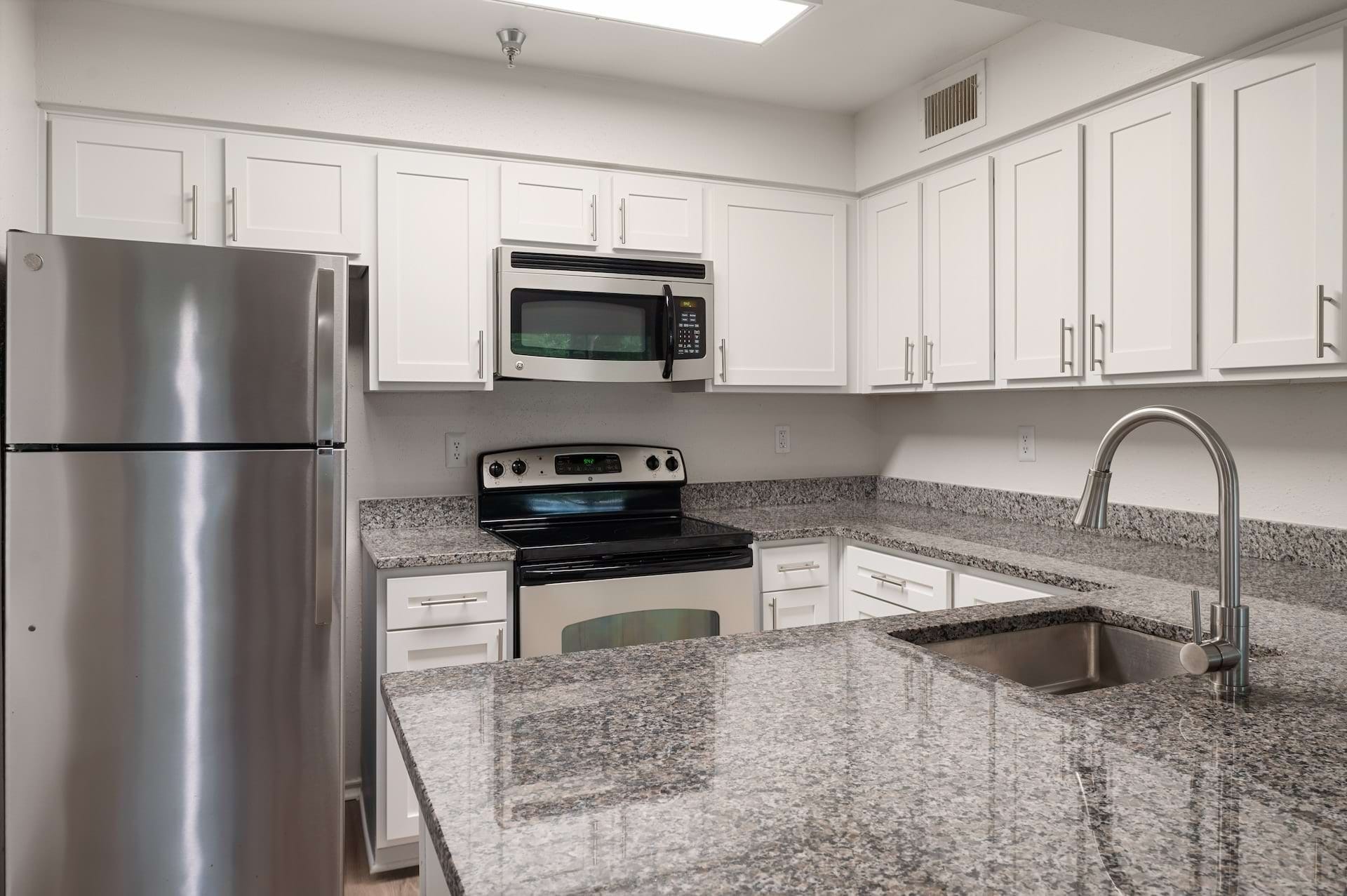
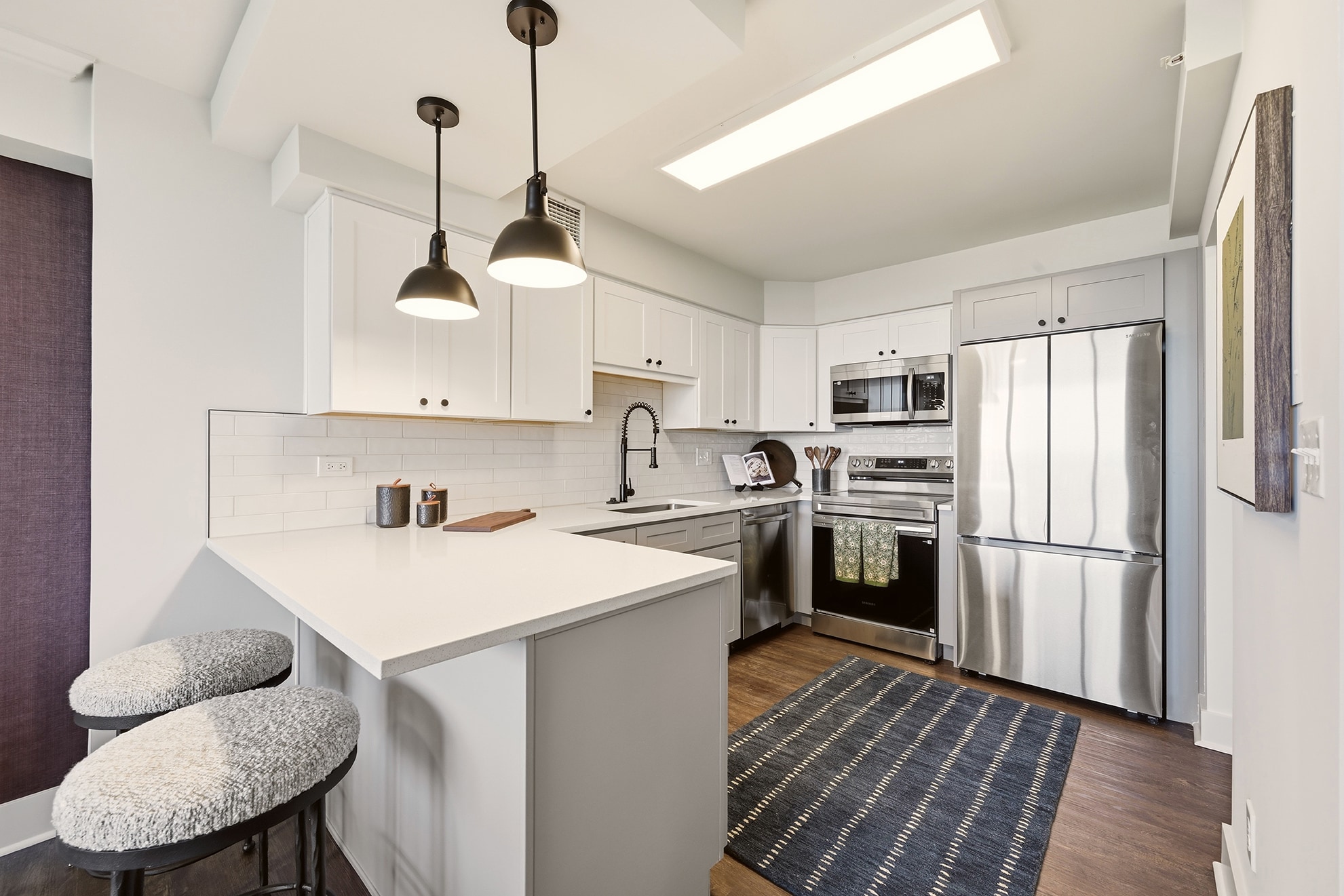
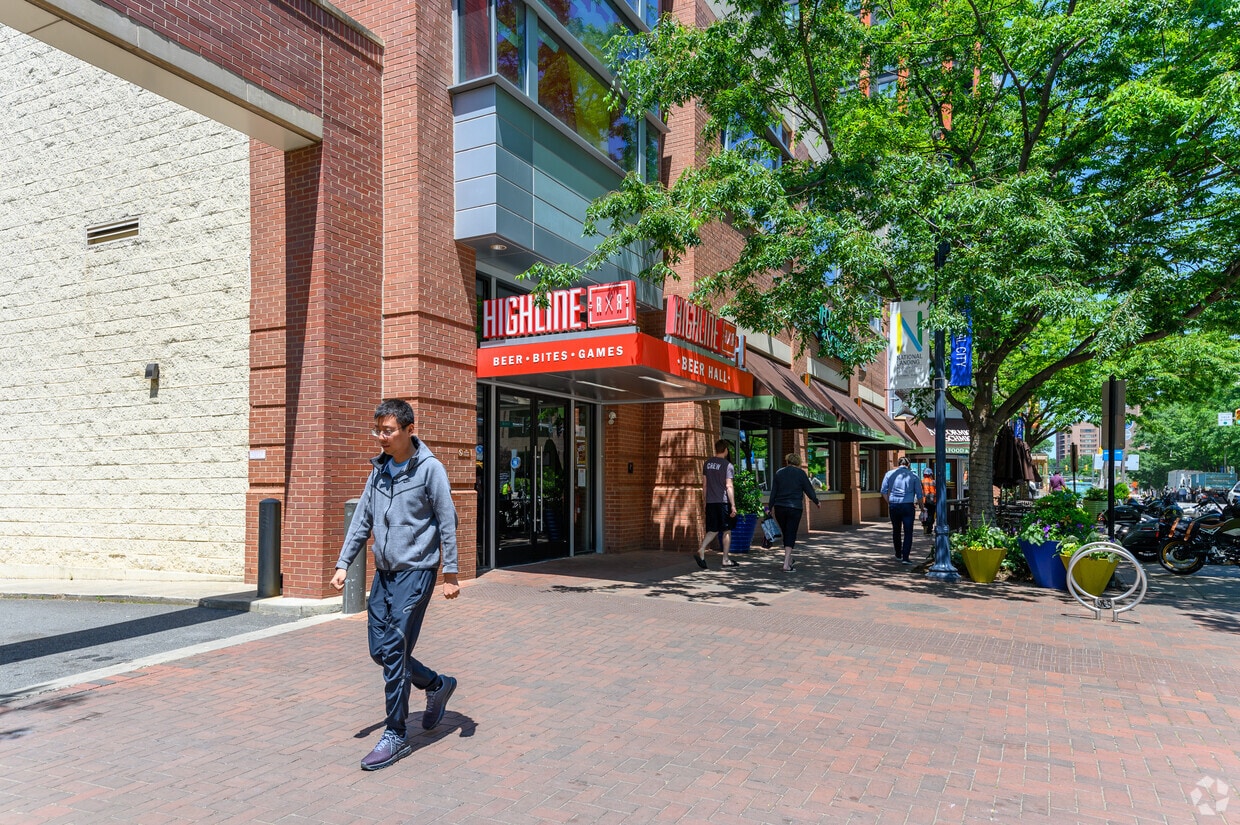
Arlington sits directly across the Potomac River from Washington, D.C., making it one of the most strategically positioned communities in the country. As the smallest self-governing county by area in the United States, it packs an outsized presence into just 27 square miles, anchored by major institutions like the Pentagon, Arlington National Cemetery, and Ronald Reagan Washington National Airport. George Mason University's Arlington campus and Marymount University add strong educational roots, while the defense, government services, and technology sectors form the backbone of the local economy. The city's distinct neighborhoods give renters real choices in how they want to live. The Rosslyn-Ballston corridor draws those who want high-rise apartment communities with Metro access and walkable streets. Clarendon brings a livelier street-level energy, while Courthouse and Virginia Square offer a calmer pace. South Arlington's Pentagon City and Crystal City, now part of the National Landing development area, attract renters who want proximity to both federal agencies and the waterfront trail network along the Potomac. The housing mix ranges from sleek high-rise apartment communities and mid-rise condos to townhomes and craftsman-style houses. Life here runs at a purposeful rhythm, shaped by close federal employment corridors, accessible transit, and the constant backdrop of national significance just across the river.
Washington
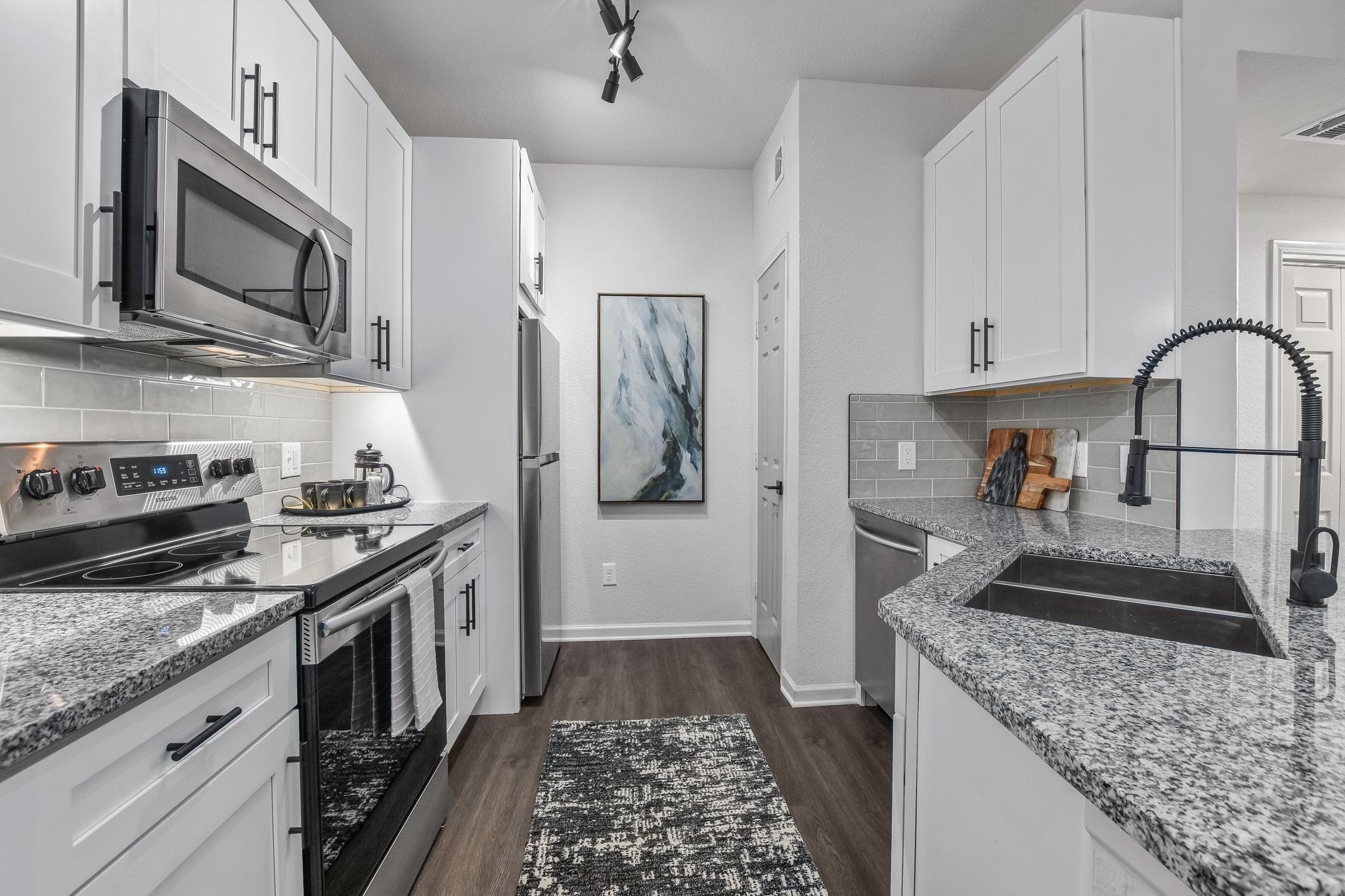
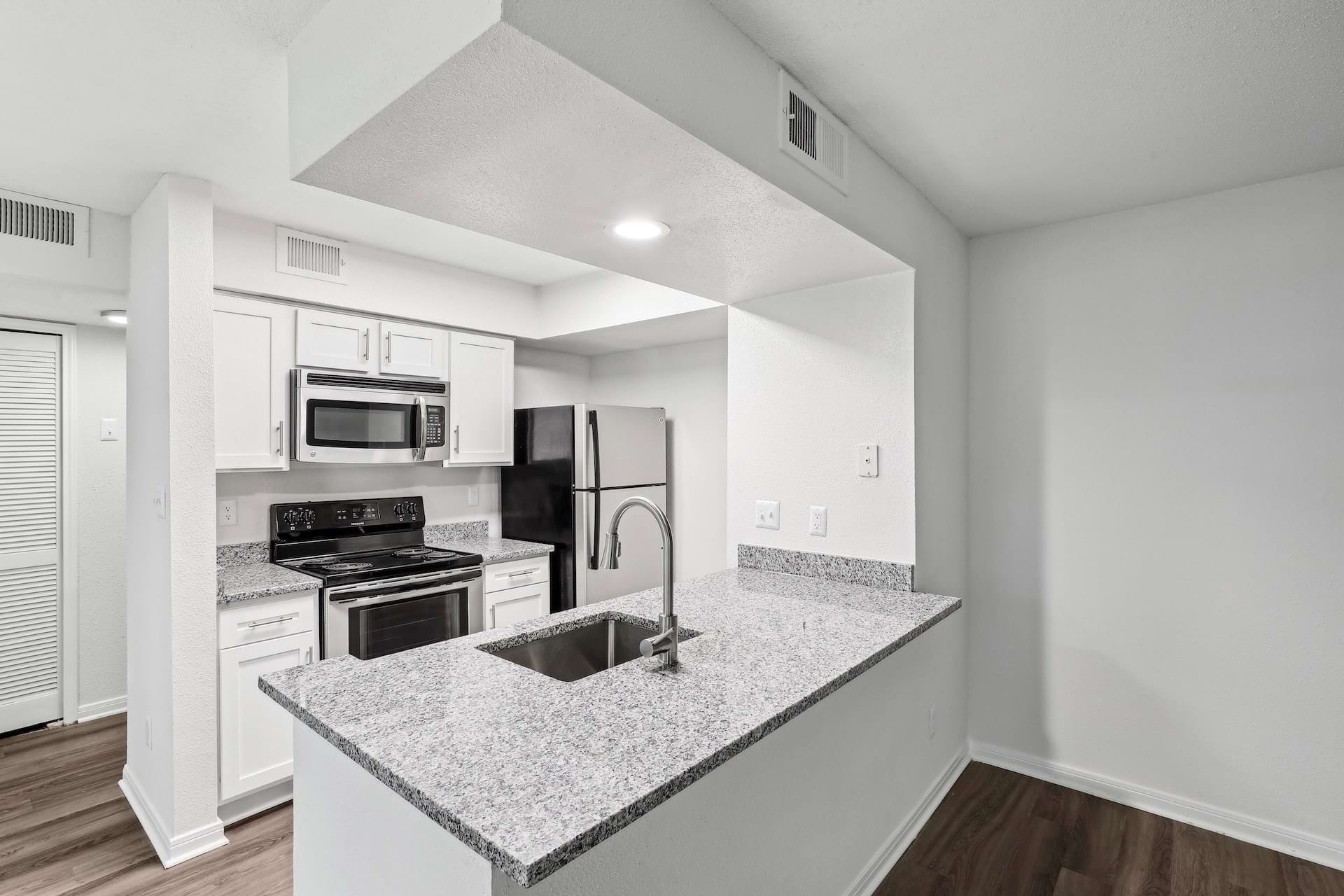
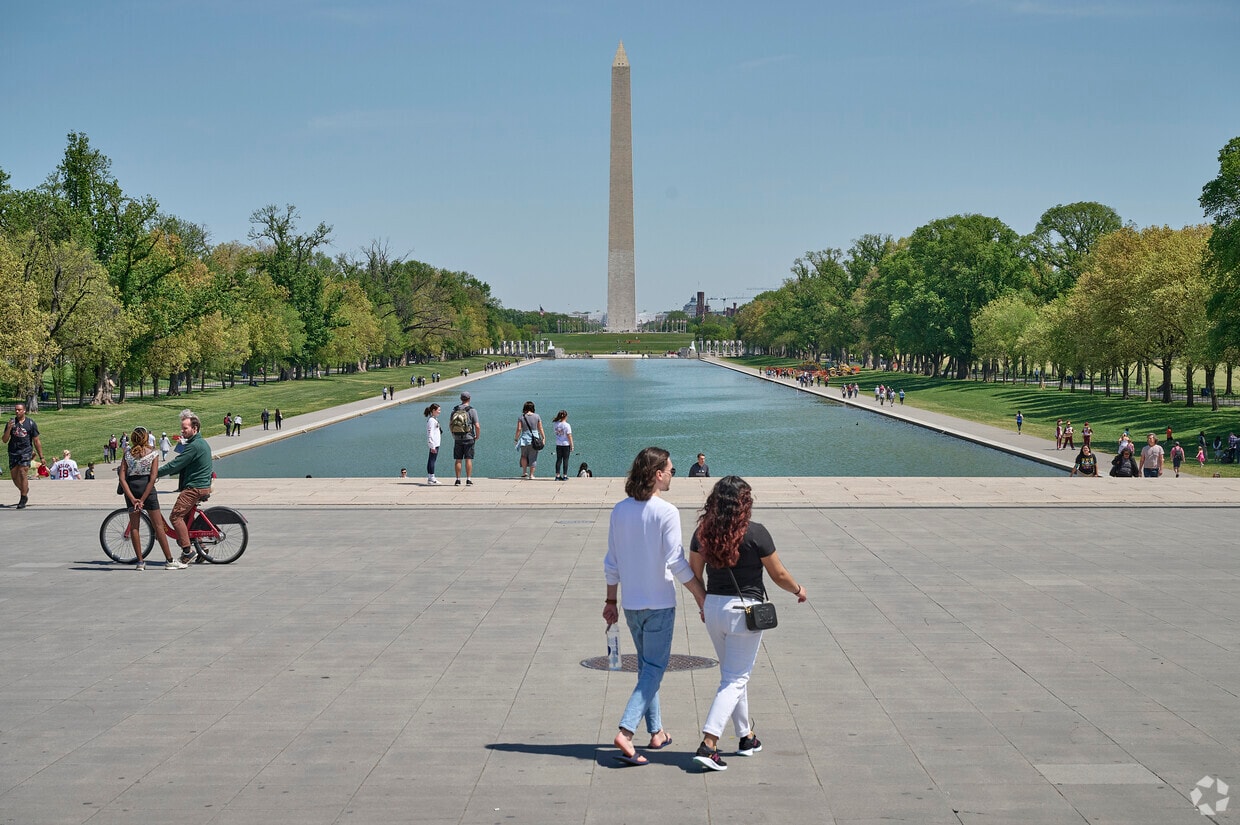
Washington, D.C. is the only American city that functions simultaneously as a seat of federal power and a fully lived-in, working metropolis. Its economy runs on government, law, lobbying, healthcare, and higher education, with major institutions like Georgetown University, George Washington University, and Howard University anchoring a consistent demand for housing across the city's 62 square miles. Neighborhoods range considerably in character: Capitol Hill's historic rowhouses sit close to the Library of Congress and Eastern Market, while NoMa and Navy Yard offer newer high-rise apartment communities near the Anacostia waterfront. Georgetown draws renters who want Federal-style architecture and a walkable street grid, while Dupont Circle and Logan Circle deliver a denser, more energetic atmosphere. The rental market reflects that range, with studio apartments and sleek high-rises downtown giving way to rowhouse conversions and mid-rise apartment communities in residential corridors. The National Cherry Blossom Festival, held each spring, draws more than a million visitors and serves as an annual reminder that the city's public spaces belong as much to residents as to anyone else. Six Metro rail lines and an extensive bus network make car-free living practical for most of the city.