Median Age
47 Years
Largest Age Group
10-19 Years
Approximately 14% of Residents
Under 20
24%
Over 65
23%

Avg Rent
$2,831
Population
14,706
Renter Mix
11% Rent
About 20 miles west of Downtown Boston, Wayland is a woodsy New England town where stone walls line winding roads and rolling lots give the landscape an unhurried feel. Daily life revolves around walks through conservation land, a beloved town beach at Lake Cochituate, and a tight-knit community energy that centers on local events rather than a bustling commercial strip. Boston Post Road and Main Street in southern Wayland hold a modest cluster of shops and dining spots, while the Natick Mall just over the town line fills in the gaps for bigger retail needs.
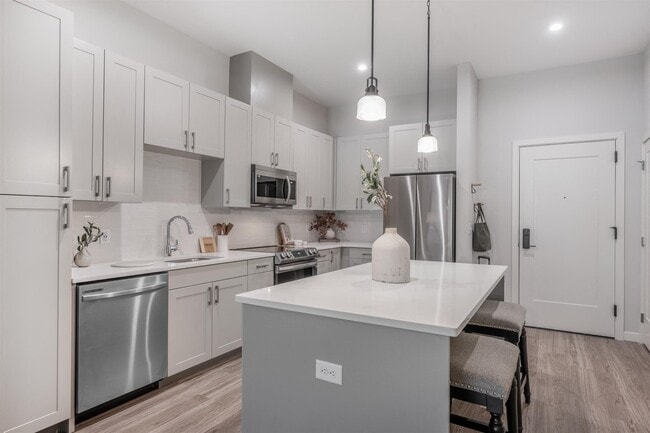
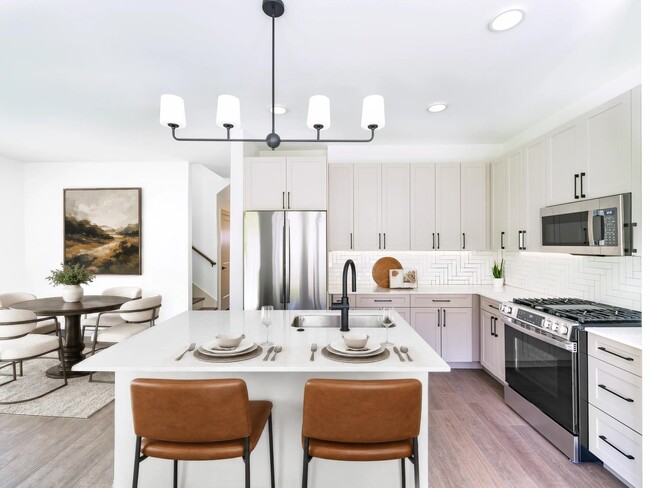
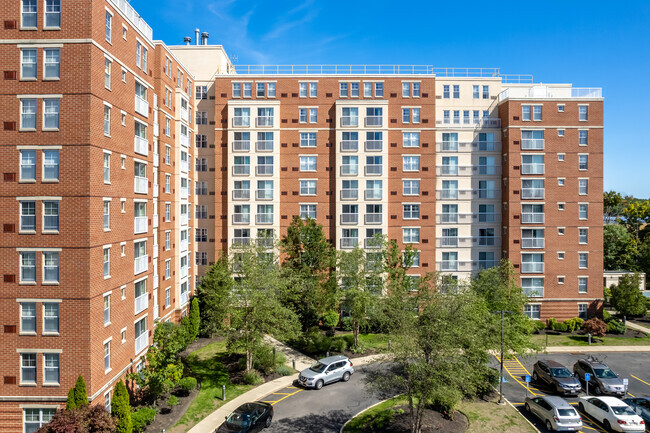
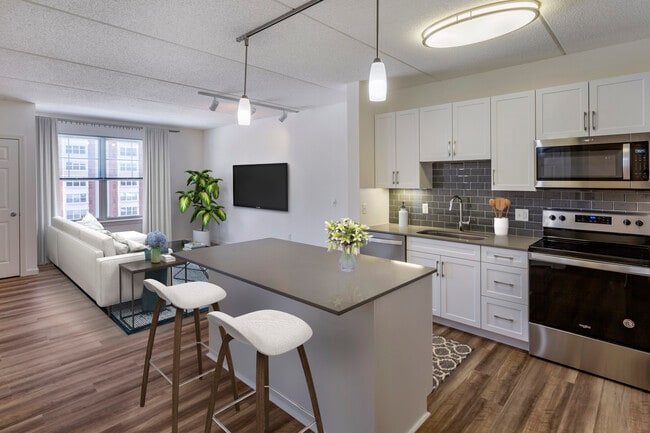
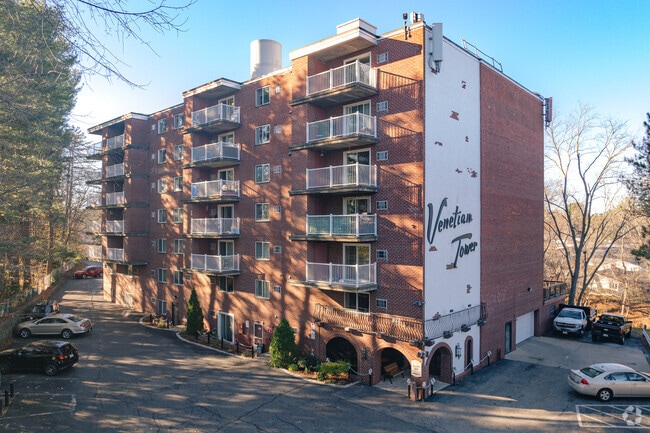
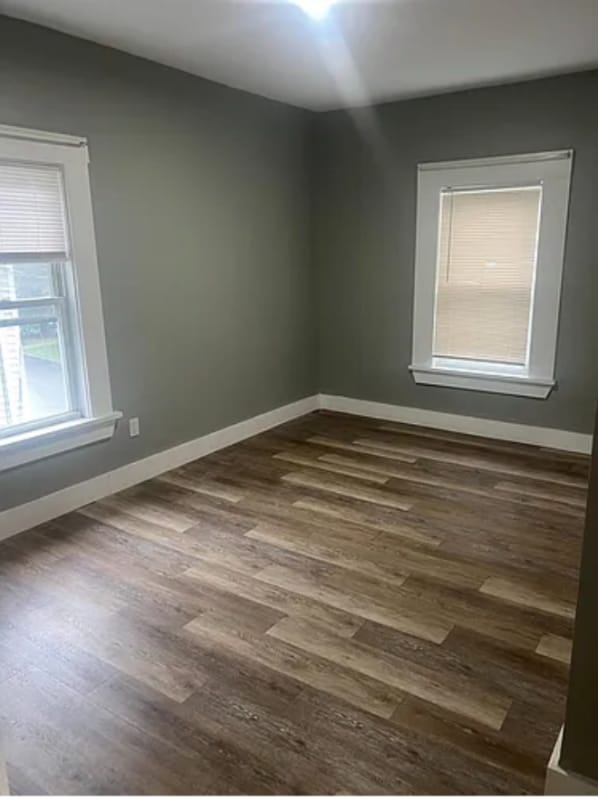
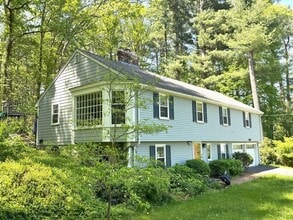
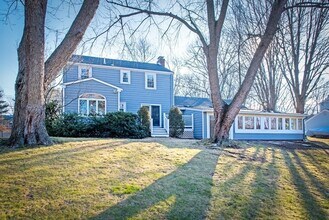
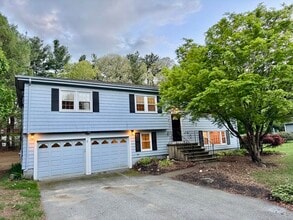
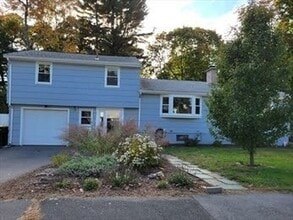
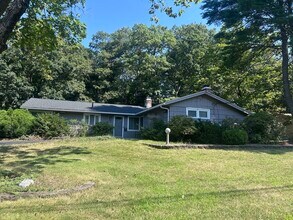
Renters will find apartments, condos, and townhouses spread across wooded, residential neighborhoods, with architecture ranging from trim Cape Cods to stately two-story Colonial Revivals. The housing stock leans toward mid-century construction with generous lot sizes, giving even rental properties a sense of space that's hard to find in closer-in Boston suburbs.
The Wayland Free Public Library, recognized as the oldest taxpayer-funded library in Massachusetts, is a genuine community anchor, hosting author talks, poetry readings, and seasonal programs. Brandeis University and Wellesley College are both within a 20-minute drive, lending an academic presence to the broader area.
Median Household Income
$214,505
Average: $214,785
Education
8,386
Residents Have a Degree
Job Market
7,948
Workers Employed
Median Age
47 Years
Largest Age Group
10-19 Years
Approximately 14% of Residents
Under 20
24%
Over 65
23%
Housing Distribution
Wayland has more homeowners than renters.

Education Distribution
Review this city's overall education levels.

As of September 2026, the average apartment rent in Wayland, MA is $1,766 for a studio, $2,831 for one bedroom, $3,283 for two bedrooms, and $4,425 for three bedrooms. Apartment rent in Wayland has increased by 5.8% in the past year.
Explore how walkable, bikeable, drivable, and transit-friendly Wayland, MA is for everyday living.
Fairly Walkable
Walkability
Exceptionally Drivable
Drivability
Fairly Bikeable
Bikeability

Public
Grades K-5
496 Students

Public
Grades K-5
313 Students
Public
Grades K-5
356 Students

Public
Grades 6-8
665 Students
Public
Grades 9-12
792 Students

 The GreatSchools Rating helps parents compare schools within a state based on a variety of school quality indicators and provides a helpful picture of how effectively each school serves all of its students. Ratings are on a scale of 1 (below average) to 10 (above average) and can include test scores, college readiness, academic progress, advanced courses, equity, discipline and attendance data. We also advise parents to visit schools, consider other information on school performance and programs, and consider family needs as part of the school selection process.
View GreatSchools Rating Methodology
Data provided by
GreatSchools.org
© 2026. All rights reserved.
The GreatSchools Rating helps parents compare schools within a state based on a variety of school quality indicators and provides a helpful picture of how effectively each school serves all of its students. Ratings are on a scale of 1 (below average) to 10 (above average) and can include test scores, college readiness, academic progress, advanced courses, equity, discipline and attendance data. We also advise parents to visit schools, consider other information on school performance and programs, and consider family needs as part of the school selection process.
View GreatSchools Rating Methodology
Data provided by
GreatSchools.org
© 2026. All rights reserved.
† Our analysis of utilities, groceries, transportation, healthcare, home prices, and other goods and services is sourced from the Cost of Living Index, a respected benchmark published by the Council for Community and Economic Research (C2ER) that provides a thorough overview of living expenses across different regions.
Rent data is provided by CoStar Group’s Market Trend reports. As the industry leader in commercial real estate information, analytics, and news, CoStar conducts extensive research to produce and maintain a comprehensive database of commercial real estate information. We combine this data with public record to provide the most up-to-date rental information available.
Consumer goods, services, and home prices are sourced from the Cost of Living Index published by the Council for Community and Economic Research (C2ER). The data on this page is updated quarterly. It was last published in September 2026.
Demographic information comes from Neustar and combines detailed address data with U.S. Census and American Community Survey statistics to produce reliable local estimates.