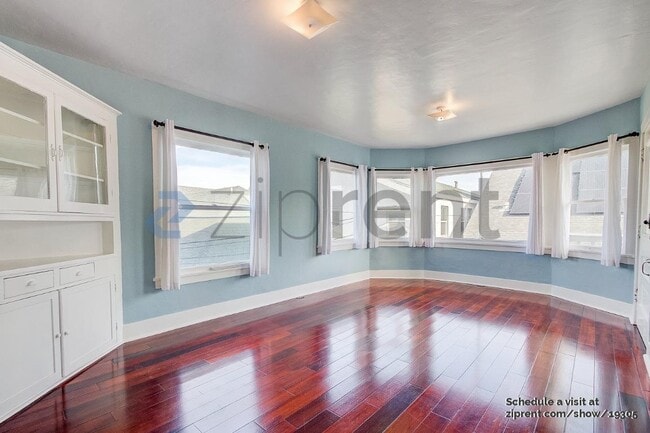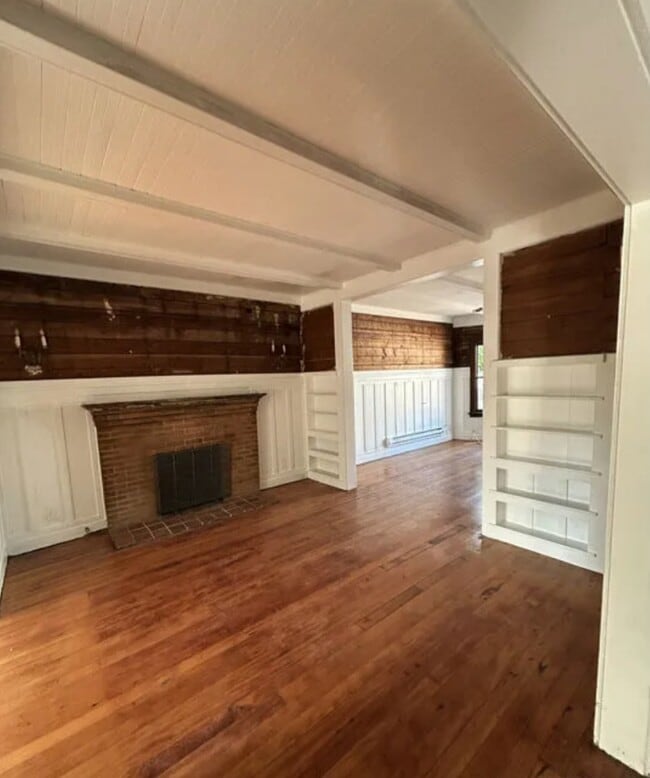
The Leo Lofts
906 Pacific Ave,
Venice, CA 90291
$1,738 - $1,895
Studio
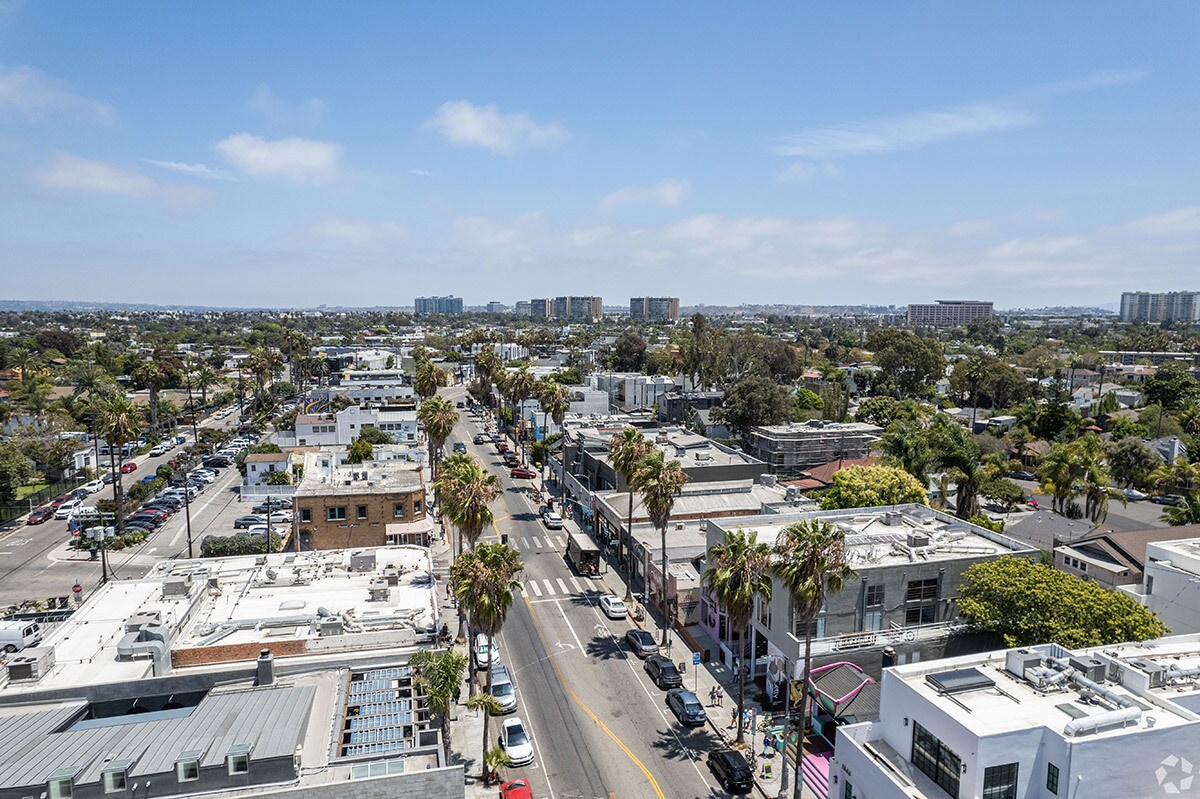




Venice is a neighborhood of Los Angeles where working canals run quietly behind beach bungalows and street artists set up next to tech offices on the same block. Founded in 1905 by developer Abbot Kinney as a resort town modeled after its Italian namesake, Venice has held onto that original sense of creative restlessness while evolving into one of the Westside's most sought-after addresses. The neighborhood anchors itself around two distinct identities: the energy of Ocean Front Walk and the more polished pace of Abbot Kinney Boulevard, each drawing a different rhythm of daily life.
Renters here choose from a wide range of housing, including beach walk-up apartments, canal-adjacent bungalows, converted lofts, and newer apartment communities near Rose Avenue and the Oakwood district. The Venice Canal Historic District offers some of the most distinctive residential streets in all of Los Angeles, with narrow footbridges and landscaped waterways just blocks from the Pacific. Santa Monica sits immediately to the north, and Culver City is a short drive east, giving residents easy access to additional employment centers and cultural offerings without leaving the Westside.
The Venice Boardwalk is an inconic destination.
Custom-built homes line the Venice canals.
Venice Farmer's Market has rows of tents selling various local produce and goods.
Bikes are a common sight in downtown Venice.
Venice Skatepark draws skaters of all levels.
As of July 2026, the average apartment rent in Venice, CA is $2,064 for a studio, $2,797 for one bedroom, $3,715 for two bedrooms, and $5,186 for three bedrooms. Apartment rent in Venice has decreased by -0.2% in the past year.
Explore how walkable, bikeable, drivable, and transit-friendly Venice, CA is for everyday living.
Fairly Walkable
Walkability
Limited Public Transit
Transit
Very Drivable
Drivability
Exceptionally Bikeable
Bikeability

† Our analysis of utilities, groceries, transportation, healthcare, home prices, and other goods and services is sourced from the Cost of Living Index, a respected benchmark published by the Council for Community and Economic Research (C2ER) that provides a thorough overview of living expenses across different regions.
Rent data is provided by CoStar Group’s Market Trend reports. As the industry leader in commercial real estate information, analytics, and news, CoStar conducts extensive research to produce and maintain a comprehensive database of commercial real estate information. We combine this data with public record to provide the most up-to-date rental information available.
Consumer goods, services, and home prices are sourced from the Cost of Living Index published by the Council for Community and Economic Research (C2ER). The data on this page is updated quarterly. It was last published in June 2026.
Demographic information comes from Neustar and combines detailed address data with U.S. Census and American Community Survey statistics to produce reliable local estimates.